
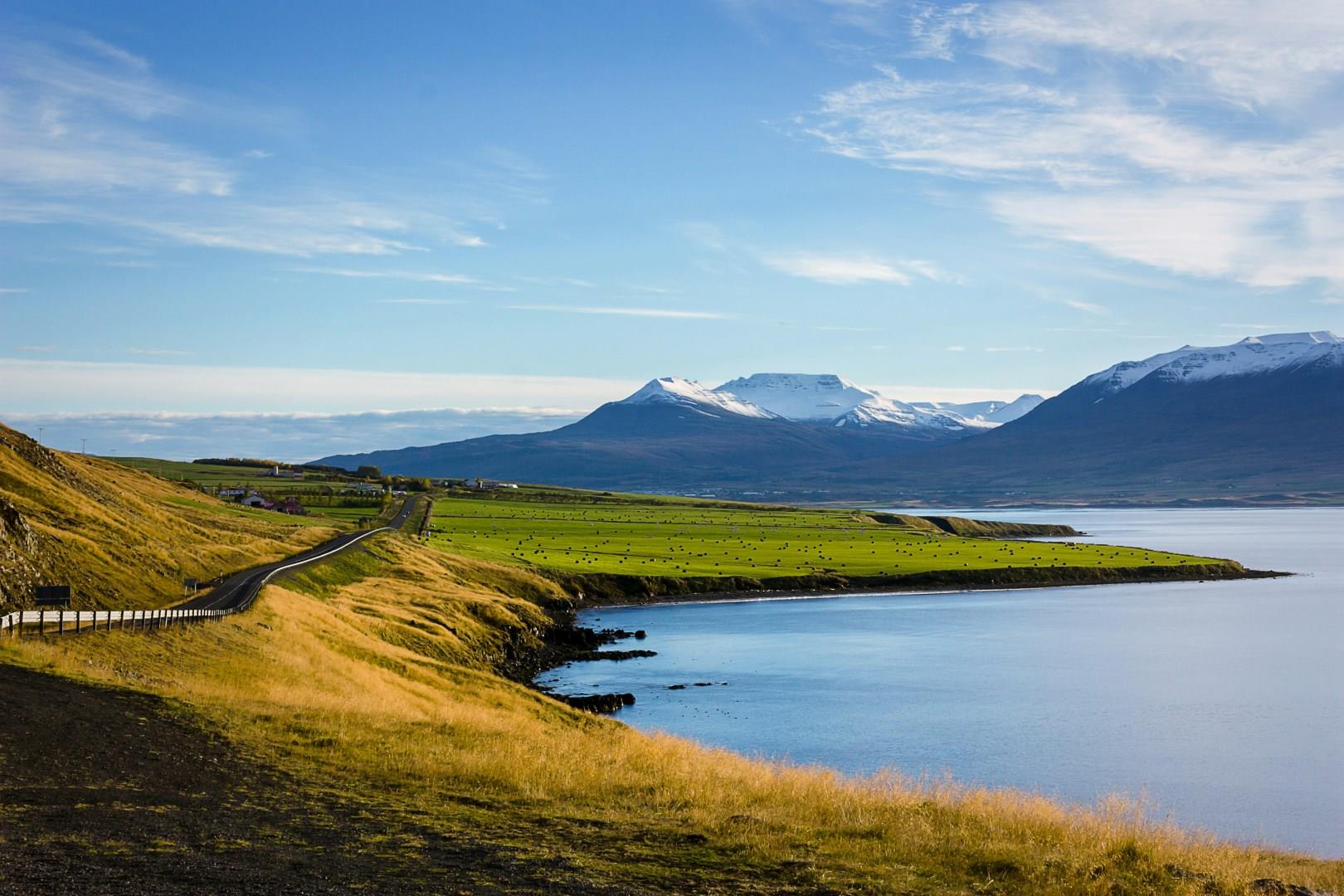
Akureyri
Akureyri, often referred to as the capital of North Iceland, offers travelers a distinct experience shaped by its Arctic location and rich local culture. Nestled at the base of Eyjafjörður fjord, the town has served as a trading center since the 1600s and continues to thrive with a mix of fishing, arts, and tourism. Within a few hours’ drive, visitors can reach the geothermal fields of Hverir, the volcanic craters at Lake Mývatn, and the powerful Goðafoss waterfall.
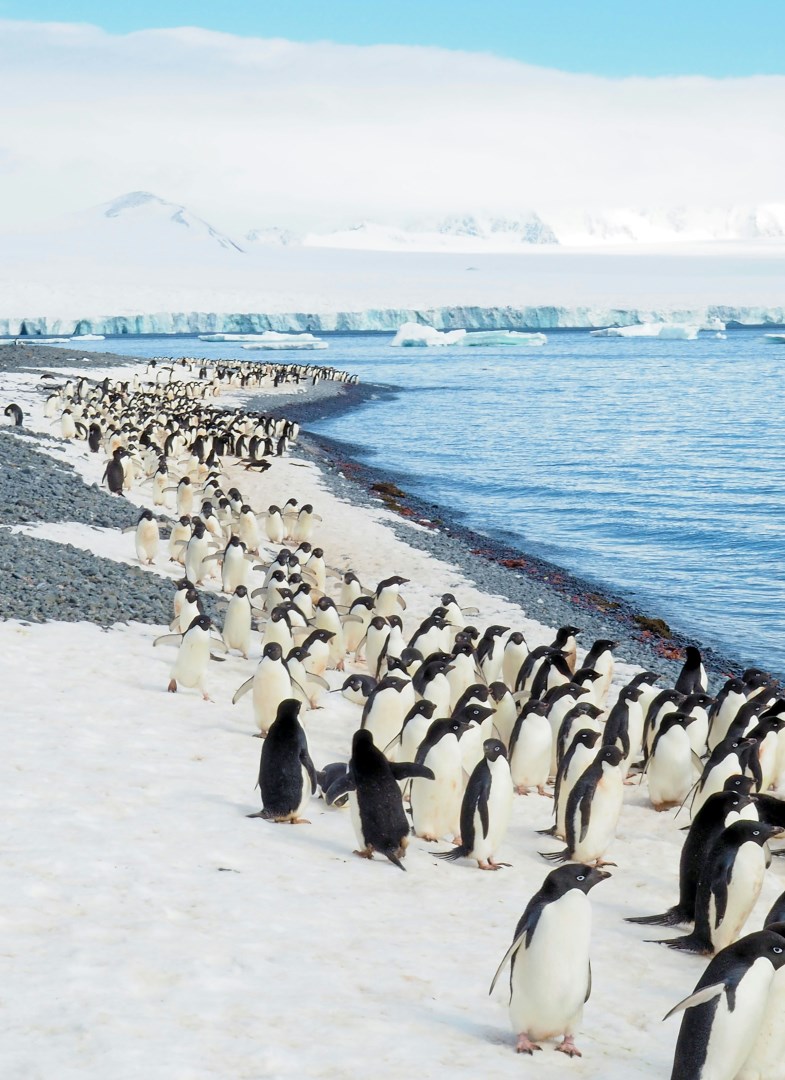
Brown Bluff
Brown Bluff is a distinctive coastal landmark on the east side of the Tabarin Peninsula, overlooking the southwestern Antarctic Sound. Its defining feature is a long beach of cobbles and volcanic ash backed by steep, red-brown cliffs that rise toward an ice-capped, flat-topped mountain. The cliffs are made of volcanic tuff and contain rounded volcanic bombs, giving the shoreline a rugged geological character. Glaciers and permanent ice border the site, while brash ice can sometimes spread across
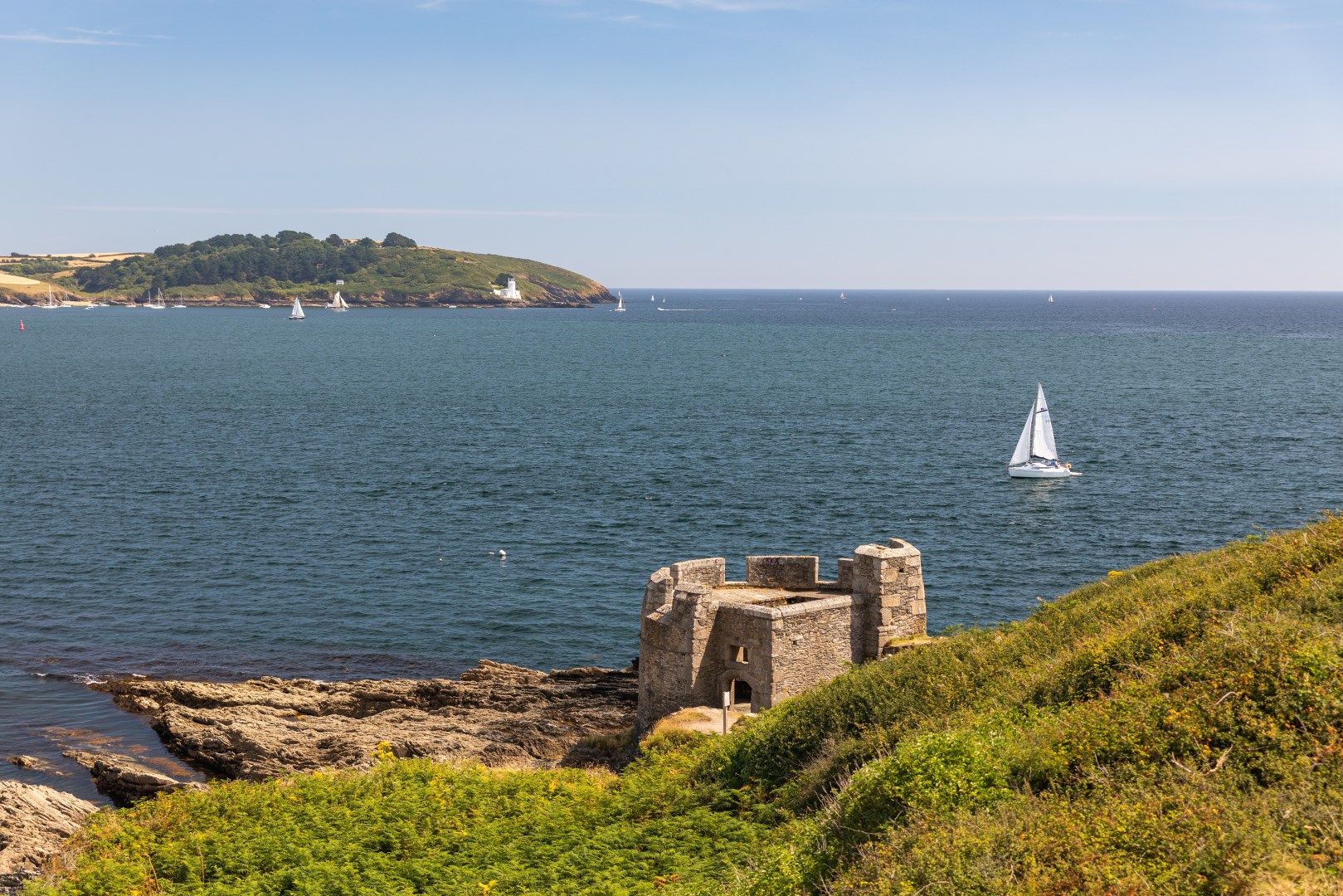
Falmouth
Falmouth is a small harbour settlement on the southern coast of Antigua, adjoining English Harbour and surrounded by hills and sheltered bays. Its waterfront is closely connected to Antigua's sailing industry, with marinas, boatyards, restaurants, and services lining the harbour.
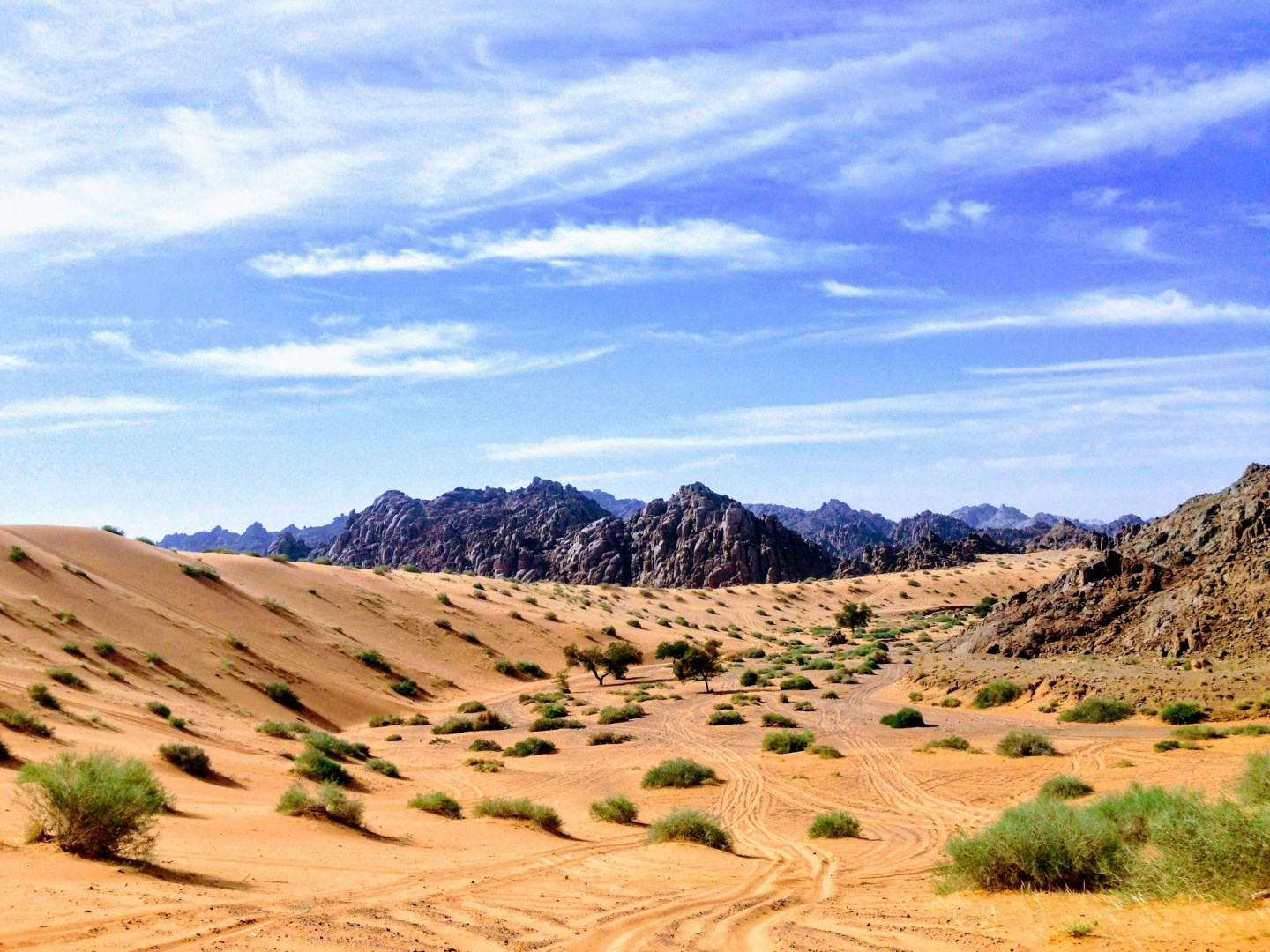
Ha’il
Ha'il is a city in north-central Saudi Arabia and the capital of Ha'il Province, located near the western edge of the vast An Nafud desert. The city lies in an oasis region where groundwater supports palm groves and agriculture, creating a cultivated landscape between surrounding desert and mountains.

Kolkata
Kolkata, often referred to as the "City of Joy," is a mesmerizing blend of rich history, culture, and artistic heritage that makes it a must-visit destination for any traveler to India. Once the capital of British India, Kolkata retains much of its colonial-era charm with iconic landmarks like the Victoria Memorial, a stunning marble building surrounded by lush gardens, which now serves as a museum showcasing the city’s colonial and Indian history.
