

Czech Republic
The Czech Republic is a country where centuries-old castles, storybook towns, and deeply rooted traditions coexist with vibrant art scenes and local beer halls. Prague draws the most attention, with its Gothic towers, Baroque churches, and the world’s oldest working astronomical clock, still ticking in the Old Town Square.
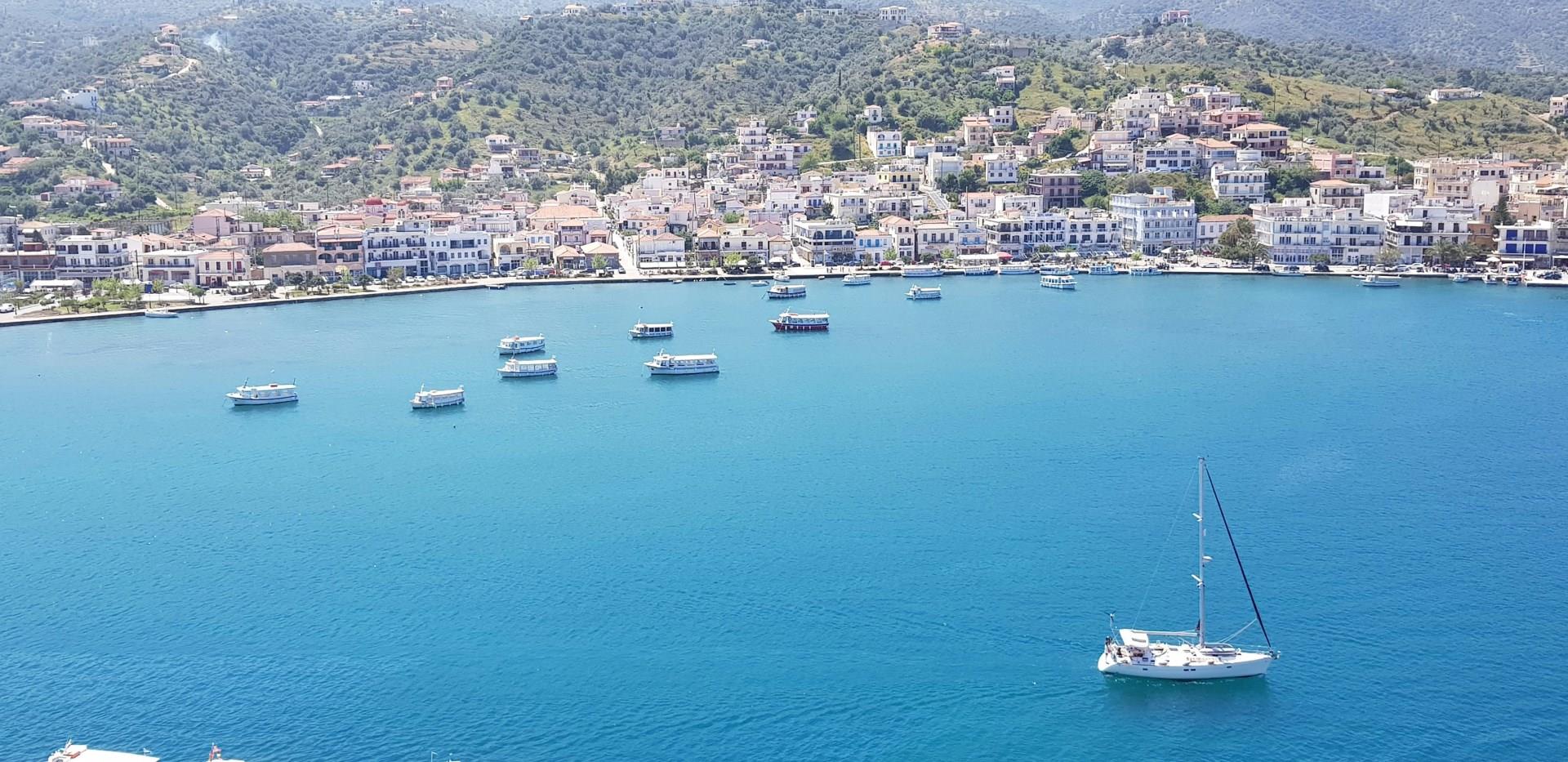
Poros
Poros, a small island in the Saronic Gulf of Greece, is known for its pine-covered hills, neoclassical architecture, and laid-back charm. Just an hour by ferry from Athens, it feels worlds away from the bustle of the capital, offering a slower pace and picturesque scenery.

Gothenburg
Gothenburg, Sweden’s vibrant west coast gem, offers a perfect blend of maritime charm, innovative design, and sustainable living. Known for its picturesque canals, cobblestone streets, and classic Nordic architecture, Gothenburg invites visitors to explore its rich history and modern flair. The city’s heart is anchored by the famous Kungsportsavenyen (Avenyn), a grand boulevard lined with cafes, boutiques, and cultural landmarks like the Gothenburg Museum of Art.
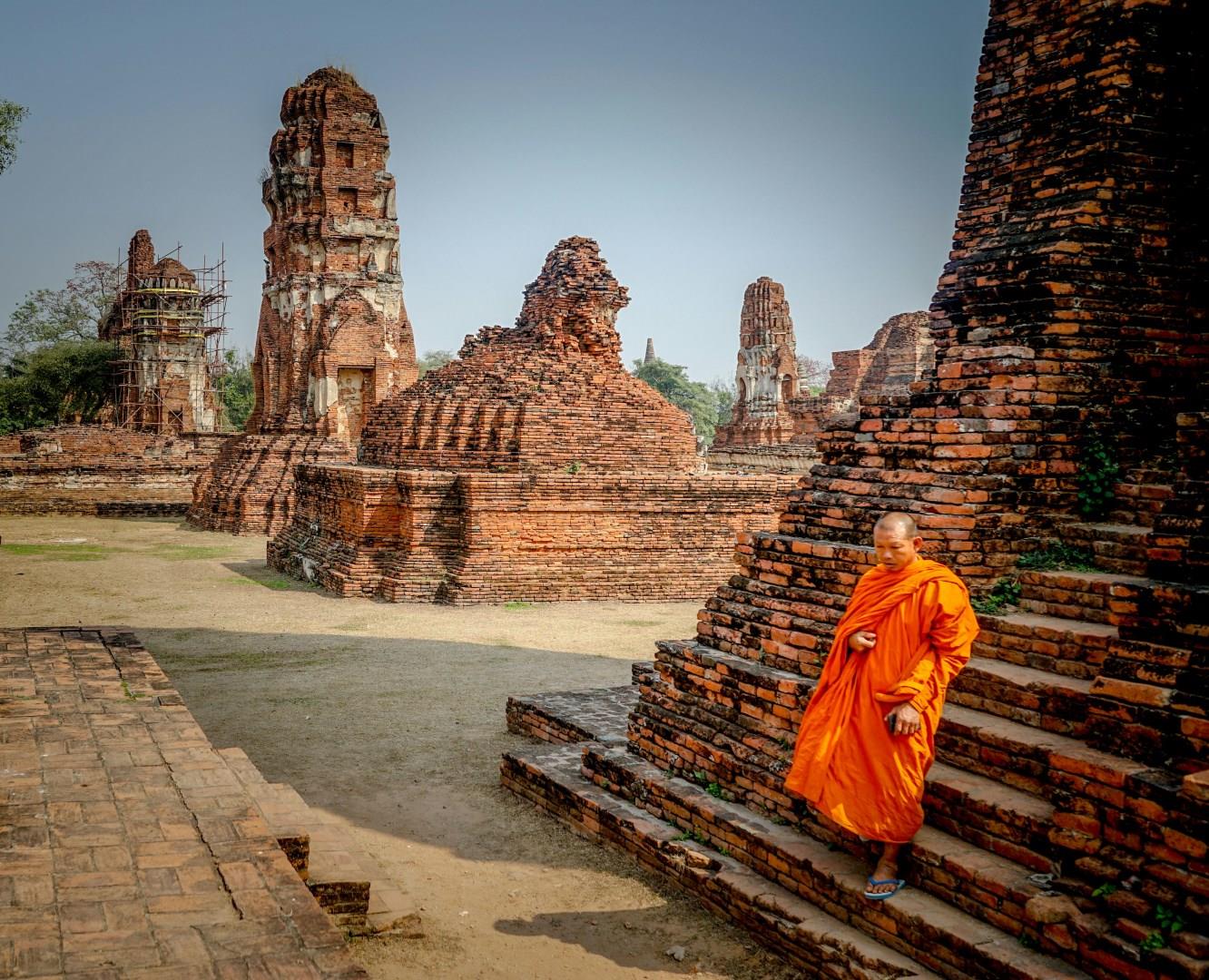
Ayutthaya
Ayutthaya, located about 80 kilometers north of Bangkok, Thailand, was the capital of the Ayutthaya Kingdom from the 14th to the 18th century. Its ruins, set among rivers and canals, reveal a once-thriving city that was a hub of trade, politics, and culture, linking Southeast Asia with China, India, and Europe.
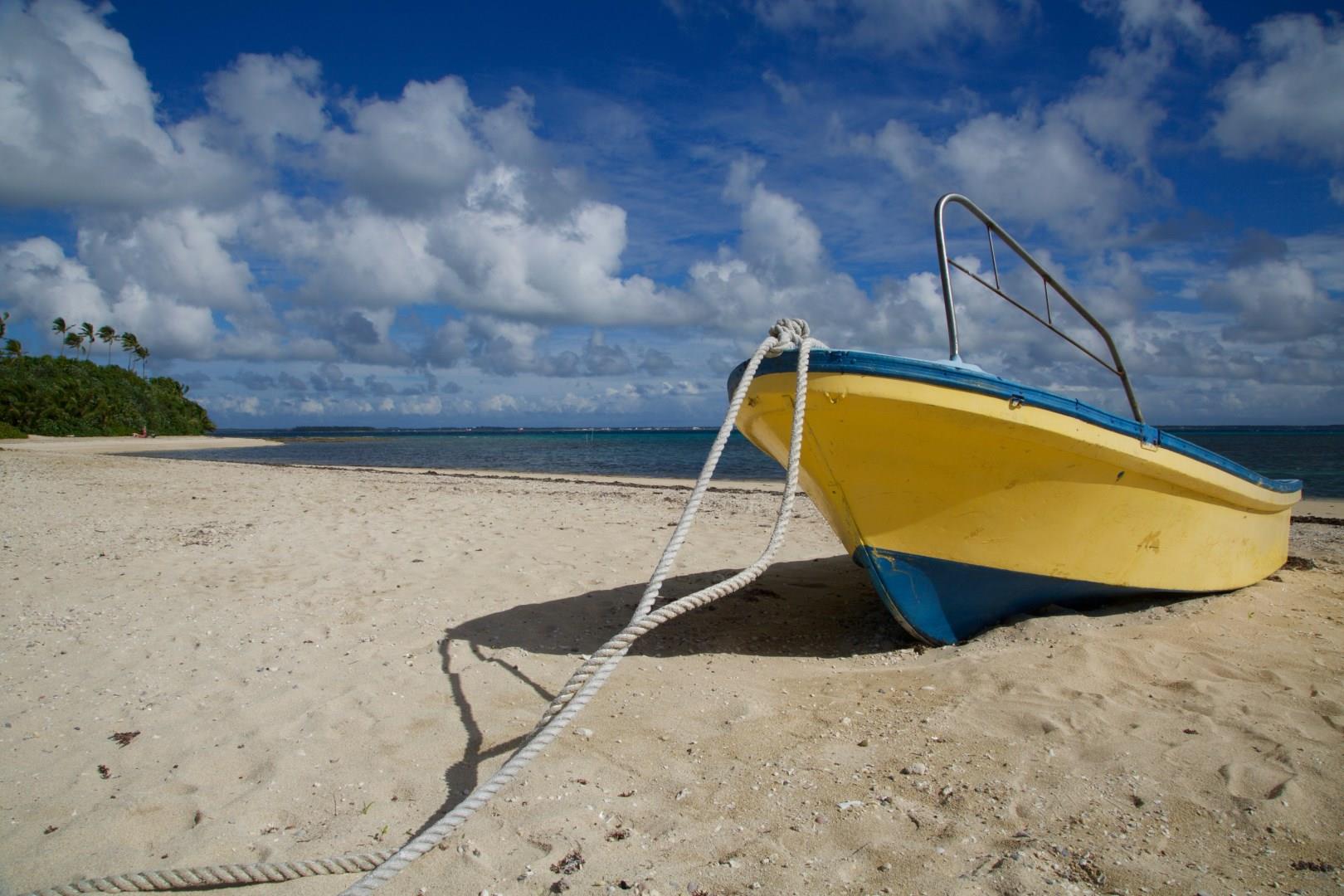
Tonga
Tonga is distinctly different to its neighboring island nations. This Polynesian kingdom, made up of 170 islands, carries a proud history that dates back over 3,000 years. On the main island of Tongatapu, travelers can explore ancient stone structures like the Haʻamonga ʻa Maui Trilithon—sometimes called the Stonehenge of the Pacific. Royal tombs in Lapaha offer a glimpse into the lineage of Tonga’s kings, while village life remains guided by customs that have changed little over centuries.
