

Bamberg
Bamberg, located in northern Bavaria, stands out for its remarkably preserved medieval layout, which earned it a spot on the UNESCO World Heritage list. Built on seven hills and often compared to Rome for that reason, the city’s architecture reflects over a thousand years of uninterrupted development. Bamberg is well known for its beer, and not just in the usual Bavarian sense. The city has more breweries per capita than any other town in Germany, and it’s the birthplace of rauchbier.
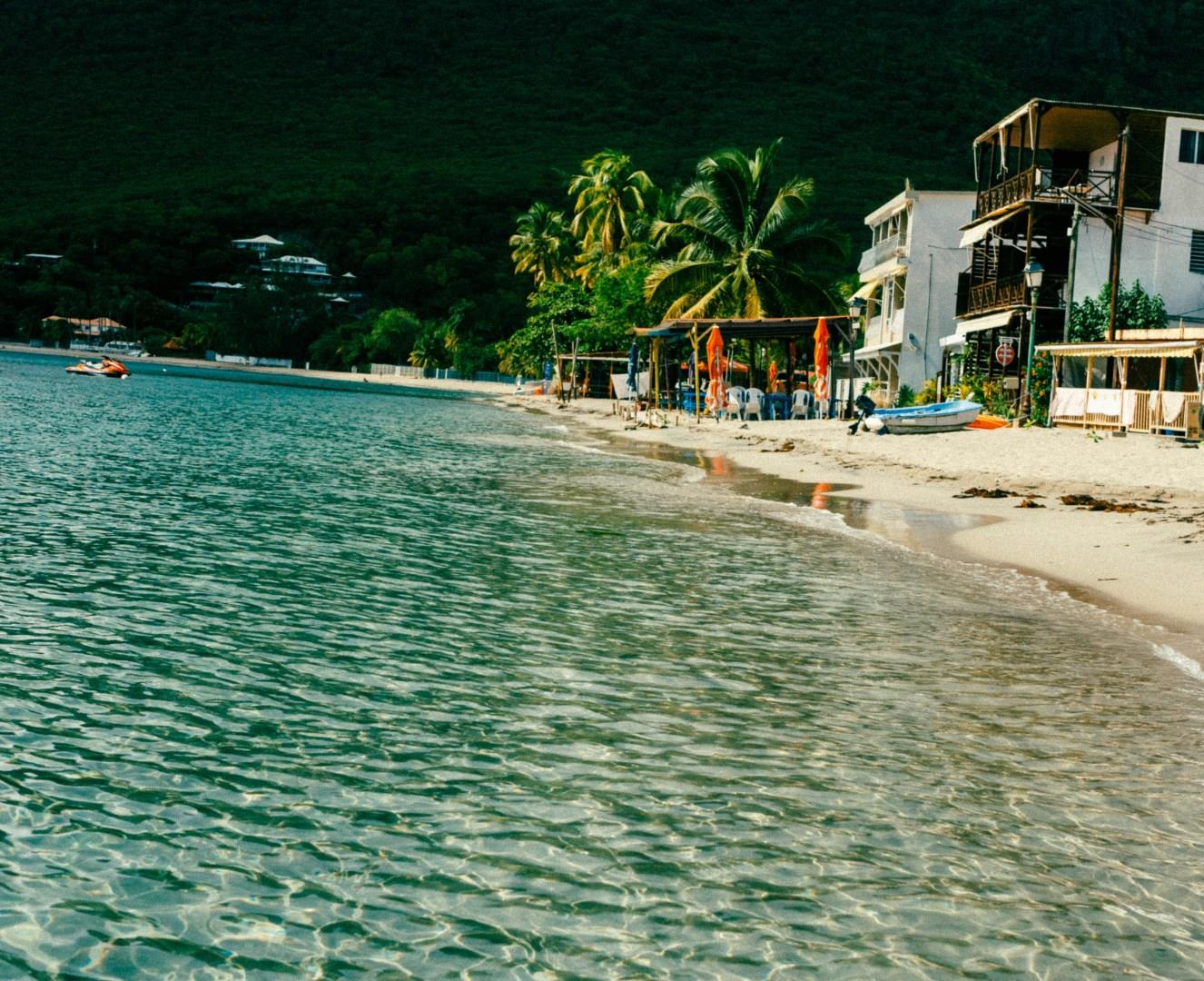
Les Anses-d'Arlet
Les Anses-d’Arlet, a charming fishing village on Martinique’s southern coast, is known for its picture-perfect blend of Caribbean warmth and local tradition. Its centerpiece is a white-sand beach backed by brightly painted houses and the landmark Church of St. Henry, whose steeple aligns beautifully with the sea when viewed from the pier.

Windhoek
Windhoek, the capital city of Namibia, is a vibrant and cosmopolitan hub nestled in the heart of the country. With its mix of German colonial architecture and modern African charm, Windhoek offers visitors a unique blend of history and contemporary culture. The city’s skyline is dominated by the striking Christuskirche, a Lutheran church built in 1907, which stands as a symbol of Namibia's German colonial past.

St. Croix
It's the largest of the three U.S. Virgin Islands, lying 40 miles south of St. Thomas and St. John. While its history is laced with tales of pirates and privateers, the island today maintains a slower, more quiet pace than its sisters to the north.

Sydney
Sydney, Australia, is a vibrant city where iconic landmarks, diverse neighborhoods, and natural beauty converge. The Sydney Opera House, with its striking sail-like design, and the Sydney Harbour Bridge are symbols recognized around the world, yet the city offers much more beyond its famous skyline.
