
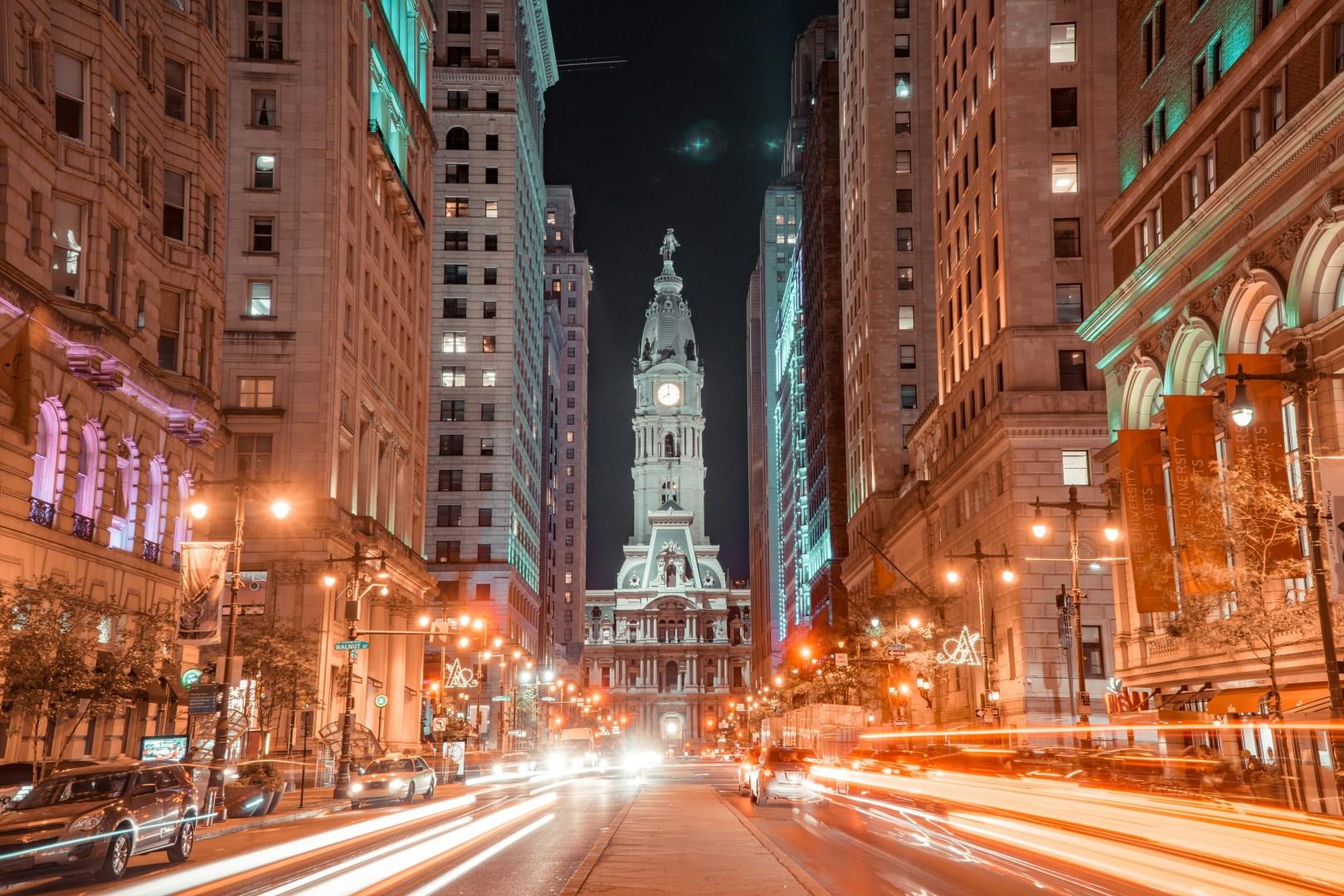
Philadelphia
Philadelphia, the birthplace of American democracy, offers visitors a rare opportunity to walk through the very streets where the nation’s founding ideals were debated, signed, and set into motion. The city's art scene is as bold as its history. The Philadelphia Museum of Art is home to works by Van Gogh, Duchamp, and an entire Japanese teahouse, but it might be better known for the "Rocky Steps" out front, where visitors recreate the famous movie scene daily.
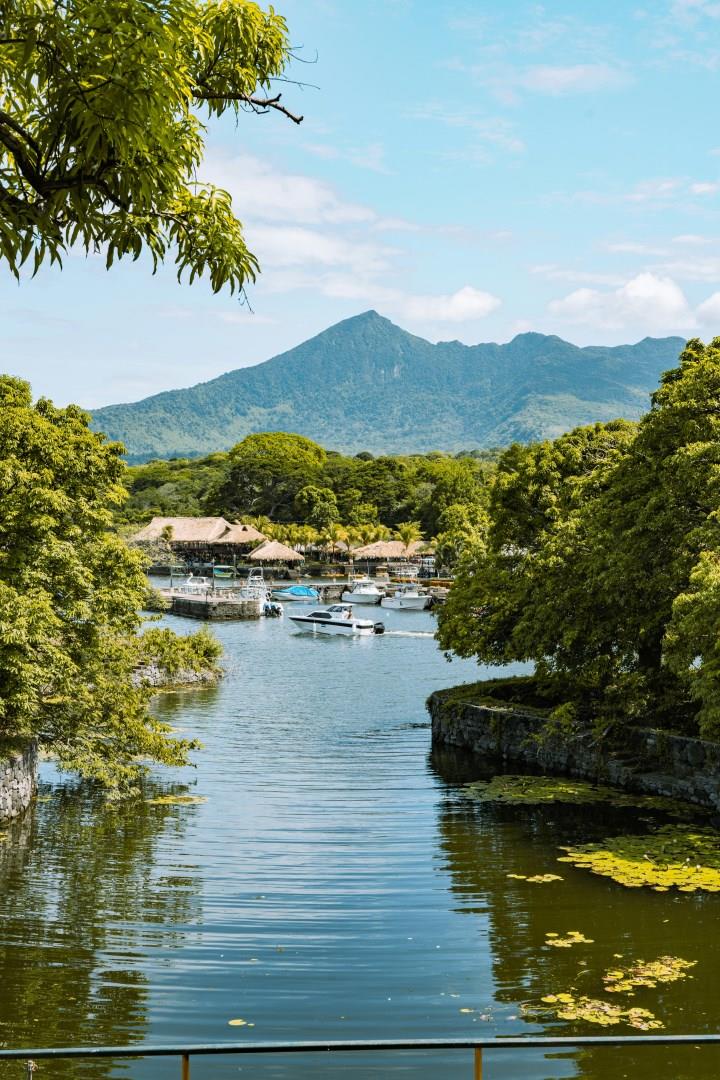
Granada
Granada, Nicaragua, founded in 1524, is one of the oldest European-established cities on the mainland of the Americas where visitors can explore cobblestone streets lined with brightly painted facades. The mustard-yellow Granada Cathedral dominates the central park and provides an easy reference point for those navigating the city on foot or by traditional horse-drawn carriage.
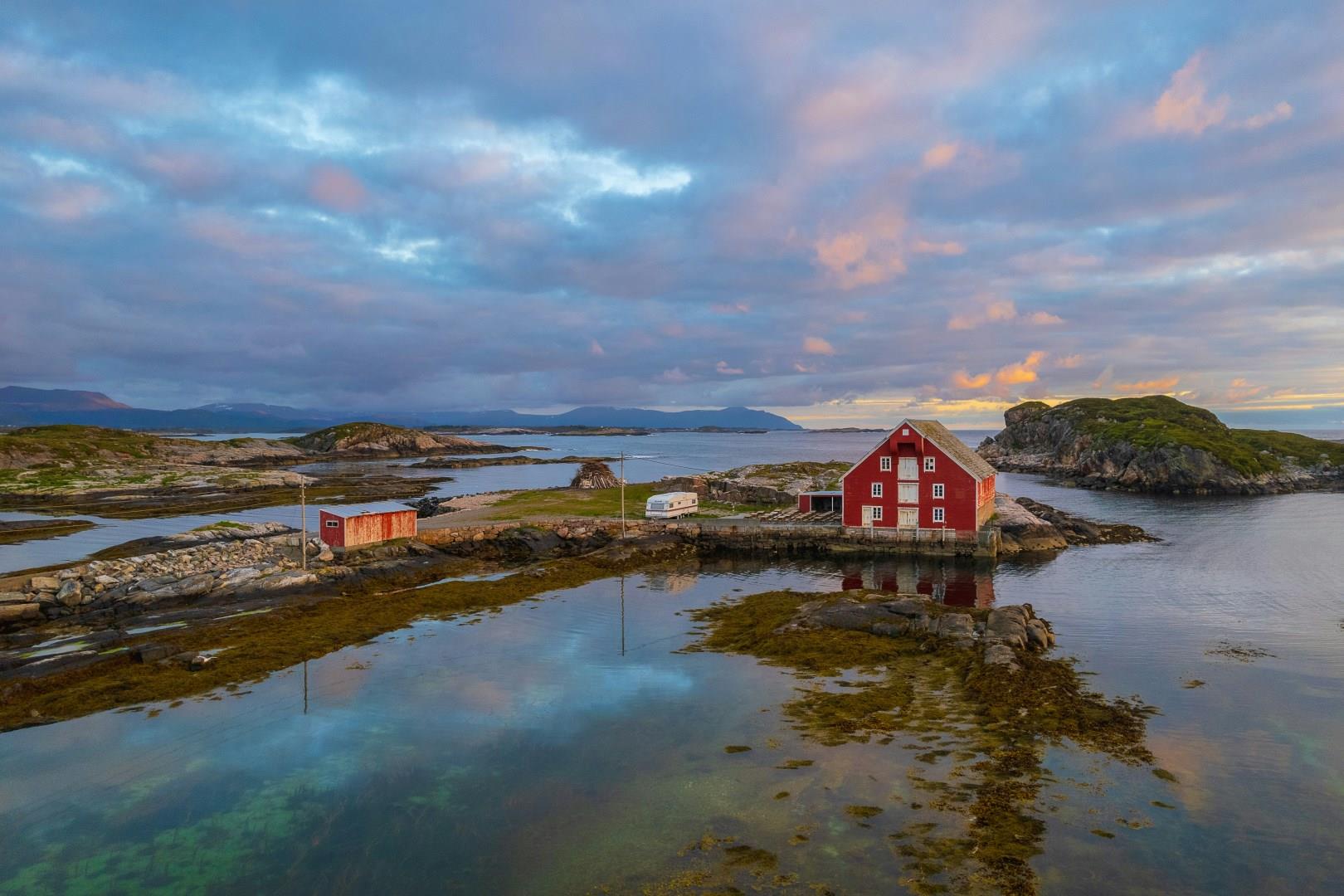
Kristiansund
Kristiansund is a town facing the North Atlantic, on the west coast of Norway. Both its history and geographical position are unique. It is not a big town and does not have a large population, but the friendly attitude of the people who live here and their way of life, makes it a town with a big heart. Its business centre is close to green parks and small forests. The beautiful view of the surrounding mountains completes the picture.
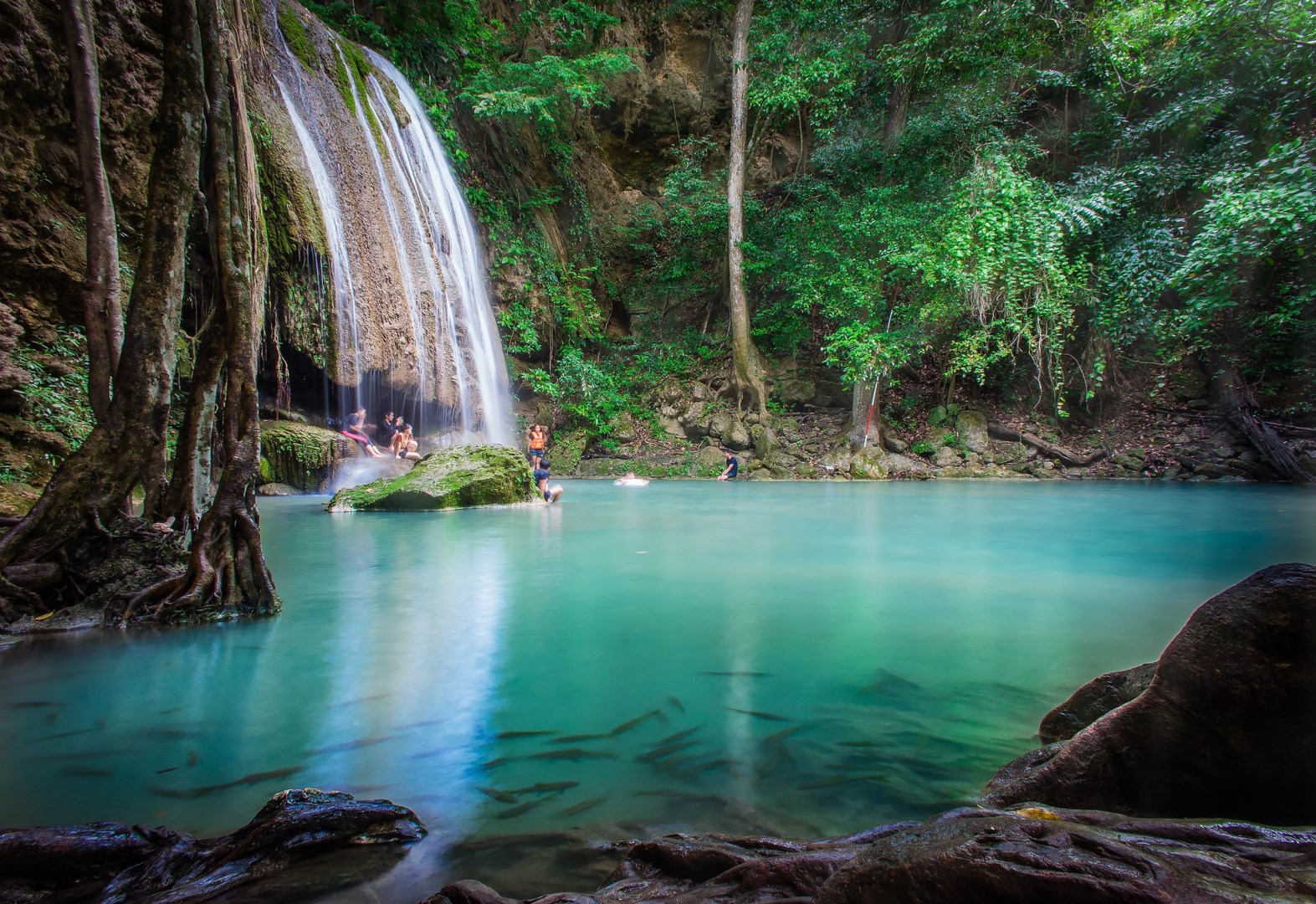
Erawan National Park
Erawan National Park is located in Kanchanaburi Province in western Thailand and is best known for its tiered waterfalls, limestone hills, and dense forest. The park covers a large area of mixed deciduous and evergreen woodland near the Tenasserim Hills close to the border with Myanmar.
Konya
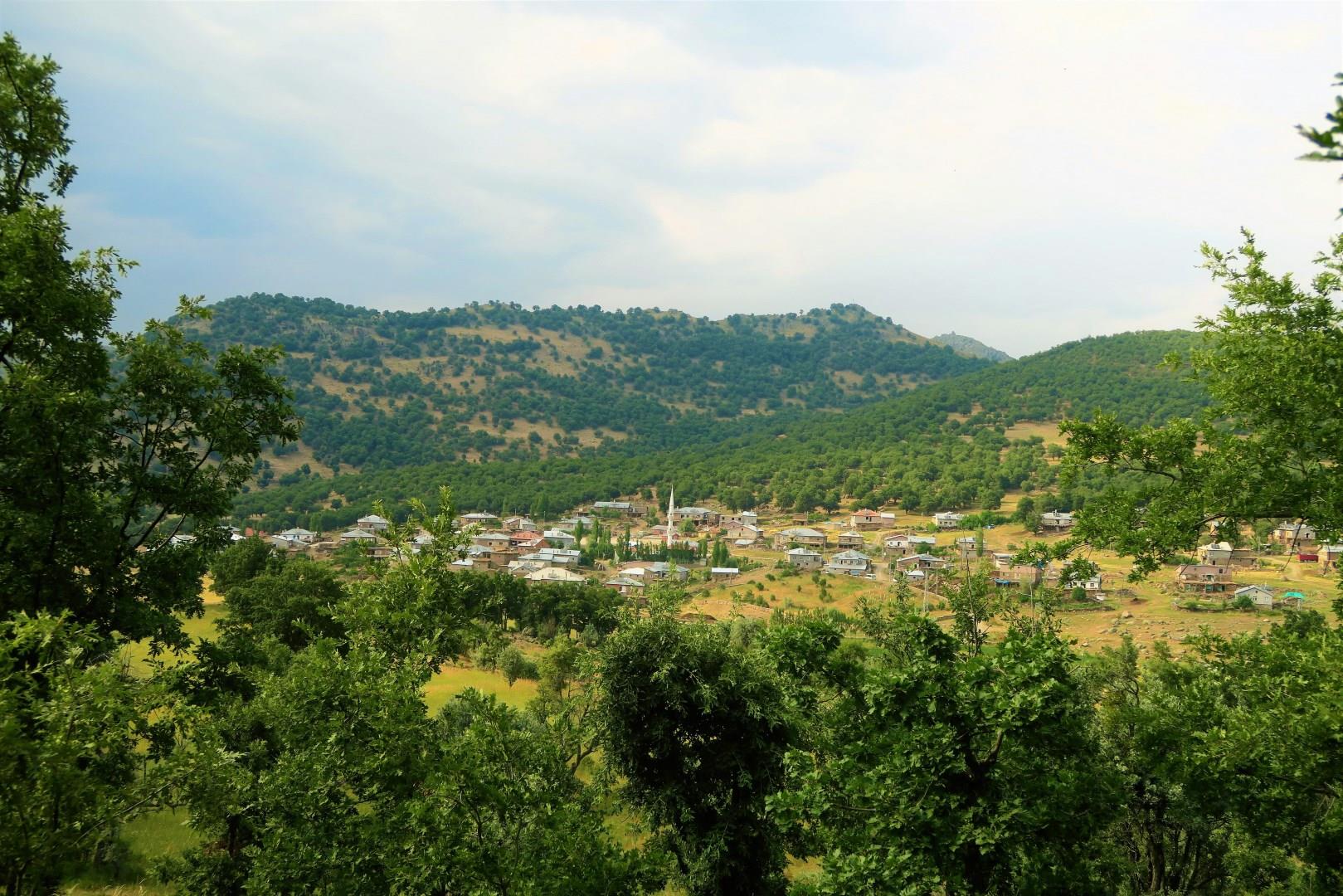
Konya has served as a spiritual center for centuries. Every December, the Şeb‑i Arûs festival marks the passing of Rumi, the Persian mystic, and draws Sufis and visitors from around the world to witness the Sema. Whirling dervish dance is performed to the sound of ney flutes and drums. In one of the country's most hushed and vivid traditions, performers spin in unison in flowing white skirts, a scene that blends meditation with graceful motion in a way found nowhere else.
