
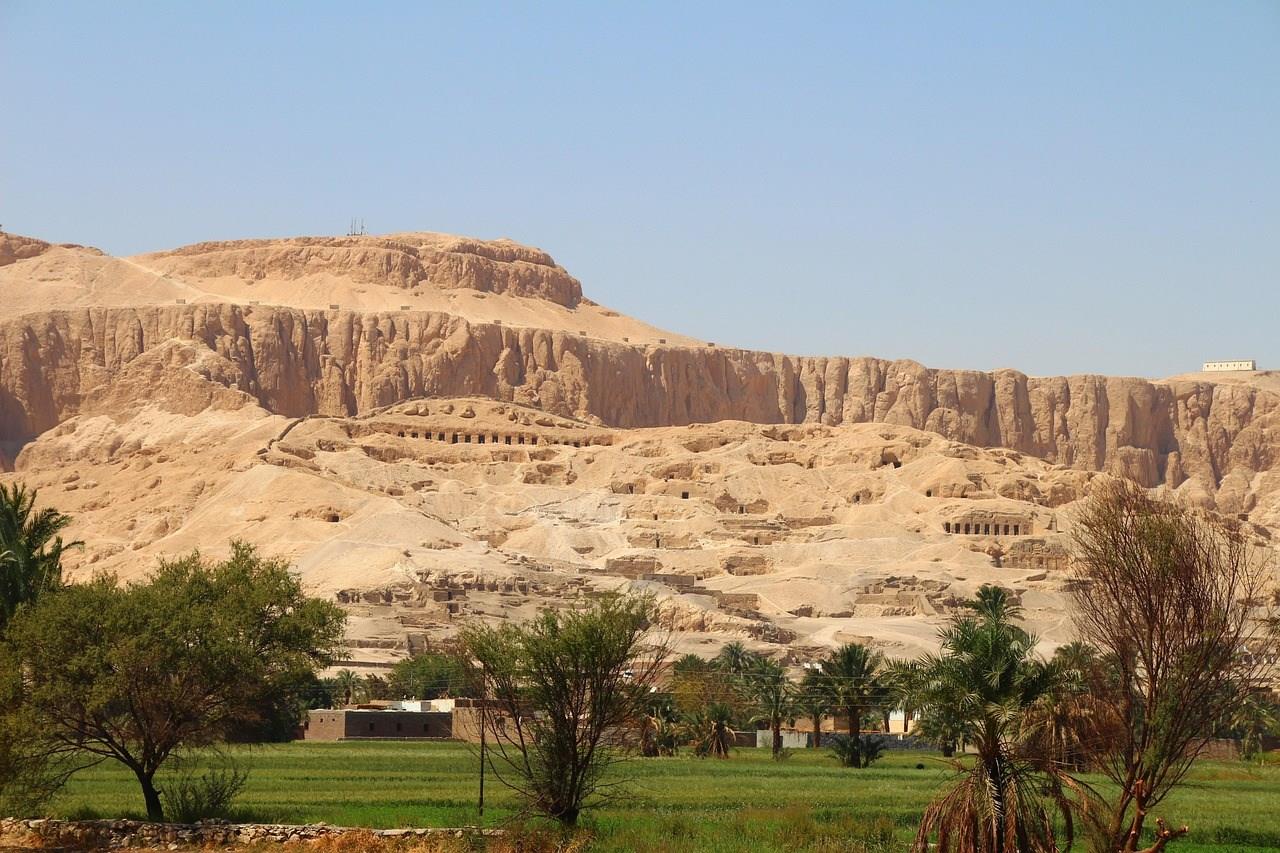
Valley of the Kings and Queens
The Valley of the Kings and the Valley of the Queens, located on the west bank of the Nile near Luxor, Egypt, are two of the world’s most significant archaeological sites. For over 500 years during the New Kingdom (16th–11th centuries BCE), these valleys served as the burial grounds for pharaohs, queens, and high-ranking nobles.

Andasibe-Mantadia National Park
Andasibe-Mantadia National Park, located in the eastern highlands of Madagascar, offers a captivating journey into one of the world’s most unique rainforests. Famous for its rich biodiversity, this national park is home to the largest species of lemur, the indri, whose haunting calls echo through the dense canopy. Visitors to the park can explore lush tropical landscapes filled with rare plants, birds, and other endemic wildlife, making it a must-visit for nature lovers and adventurers alike.
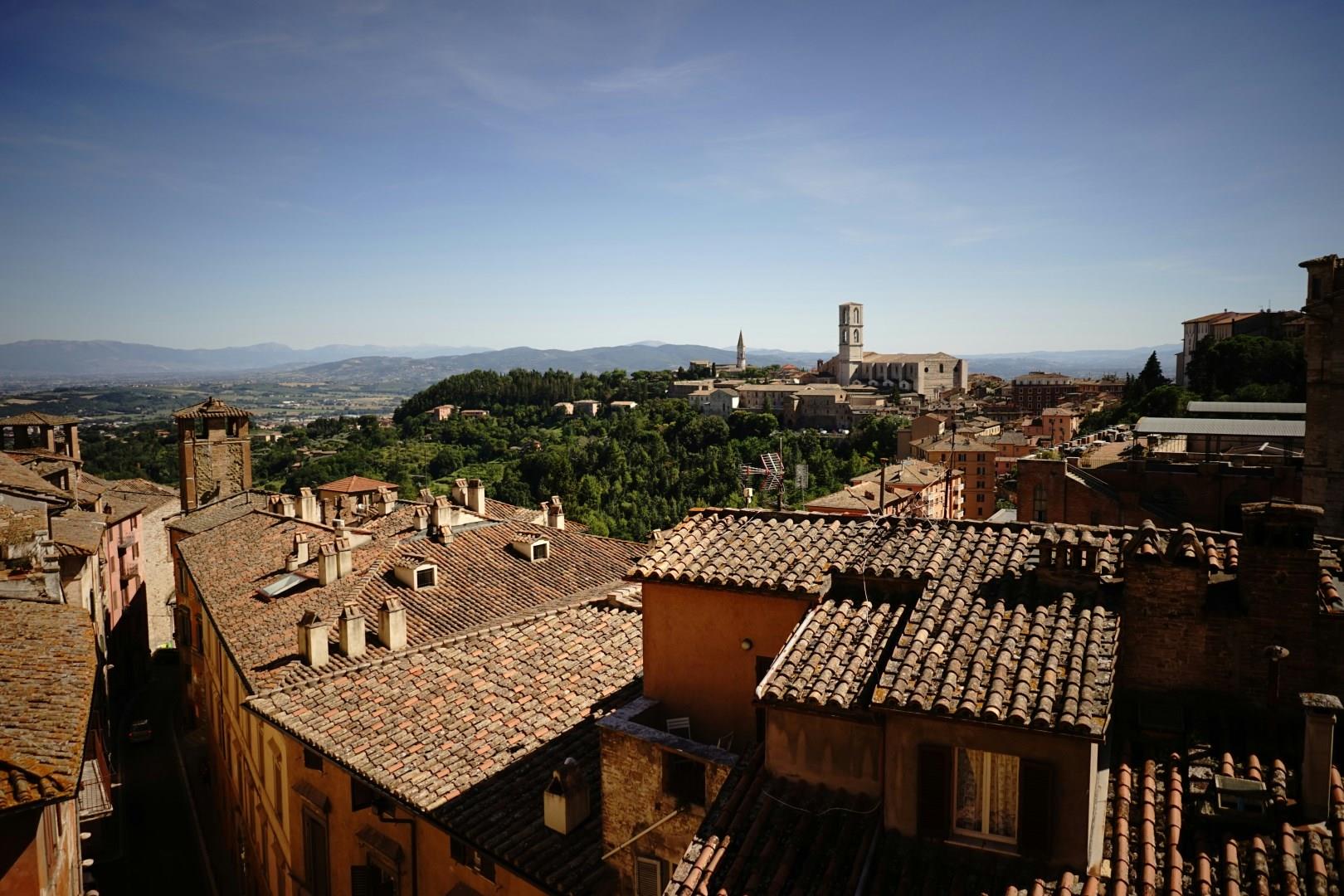
Perugia
Perugia, the capital of Italy’s Umbria region, is a city built across hills and centuries. Originally settled by the Etruscans more than 2,500 years ago, it still holds remnants of their civilization, including one of the largest surviving Etruscan arches in Italy named Arco Etrusco, which greets visitors at the city’s entrance. Walking through the narrow streets of the historic center reveals layers of Roman, medieval, and Renaissance architecture, all woven together within ancient stone walls.
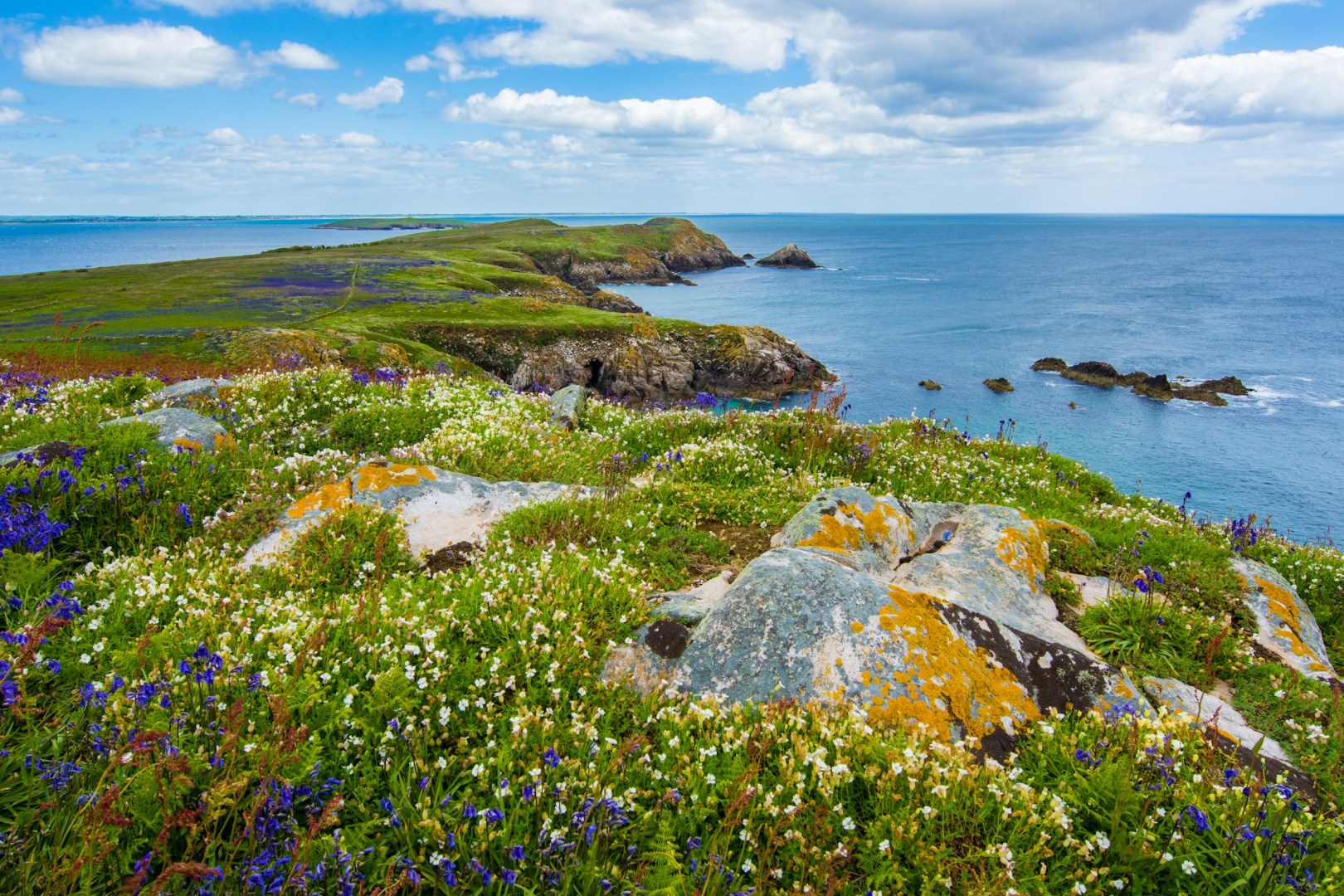
Saltee Islands
The Saltee Islands are a small archipelago in the Irish Sea off the coast of County Wexford, consisting of Great Saltee and Little Saltee. Great Saltee is the larger island and is known for its low grassy landscape, rocky shoreline, and extensive seabird colonies. The islands are privately owned but Great Saltee is accessible to visitors by boat during suitable conditions.
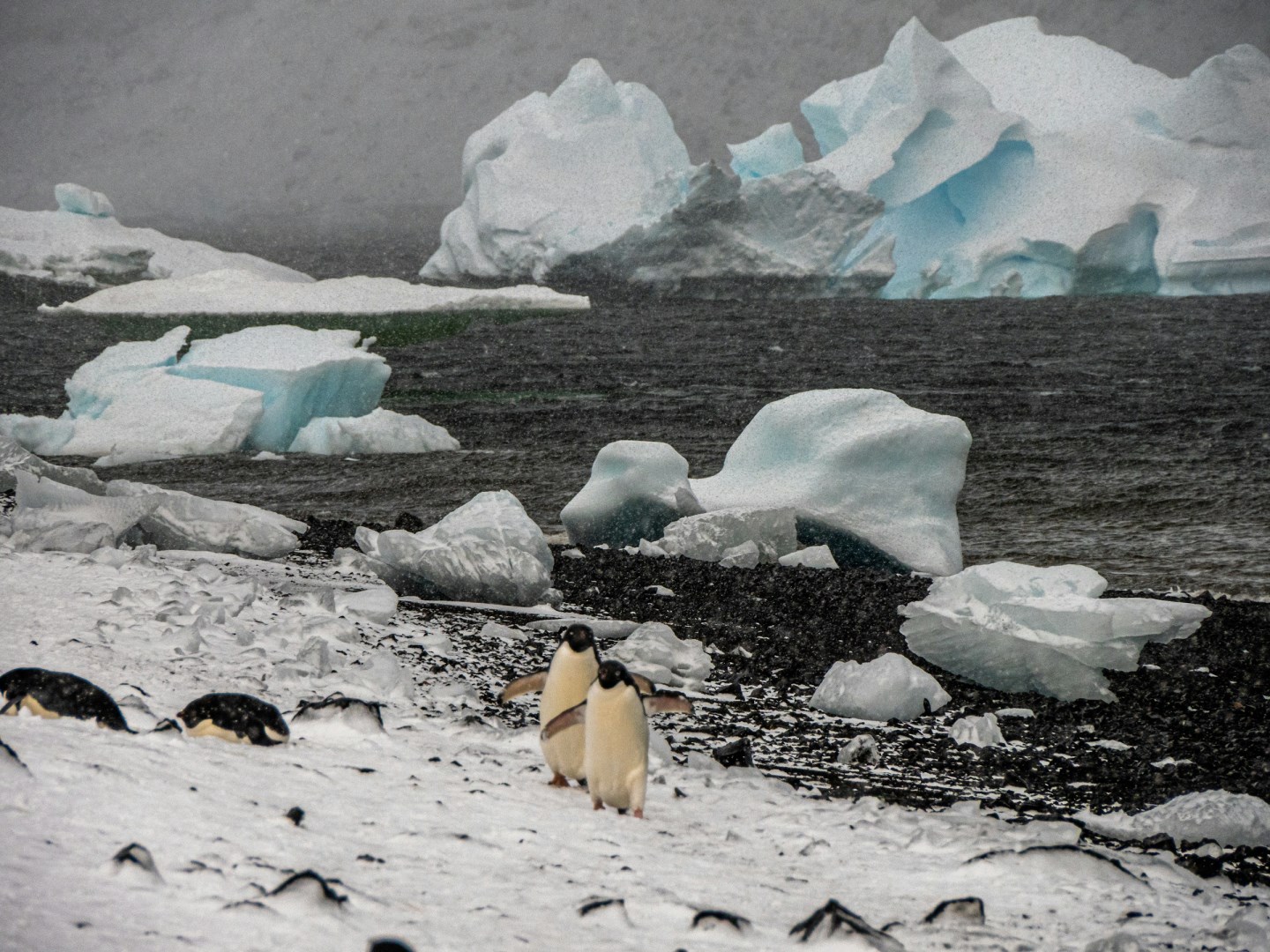
South Orkney Islands
The South Orkney Islands, lying in the icy waters of the Southern Ocean northeast of the Antarctic Peninsula, are a remote and rarely visited corner of the world. This small archipelago, claimed by both the United Kingdom and Argentina, is largely uninhabited except for a few research stations.
