
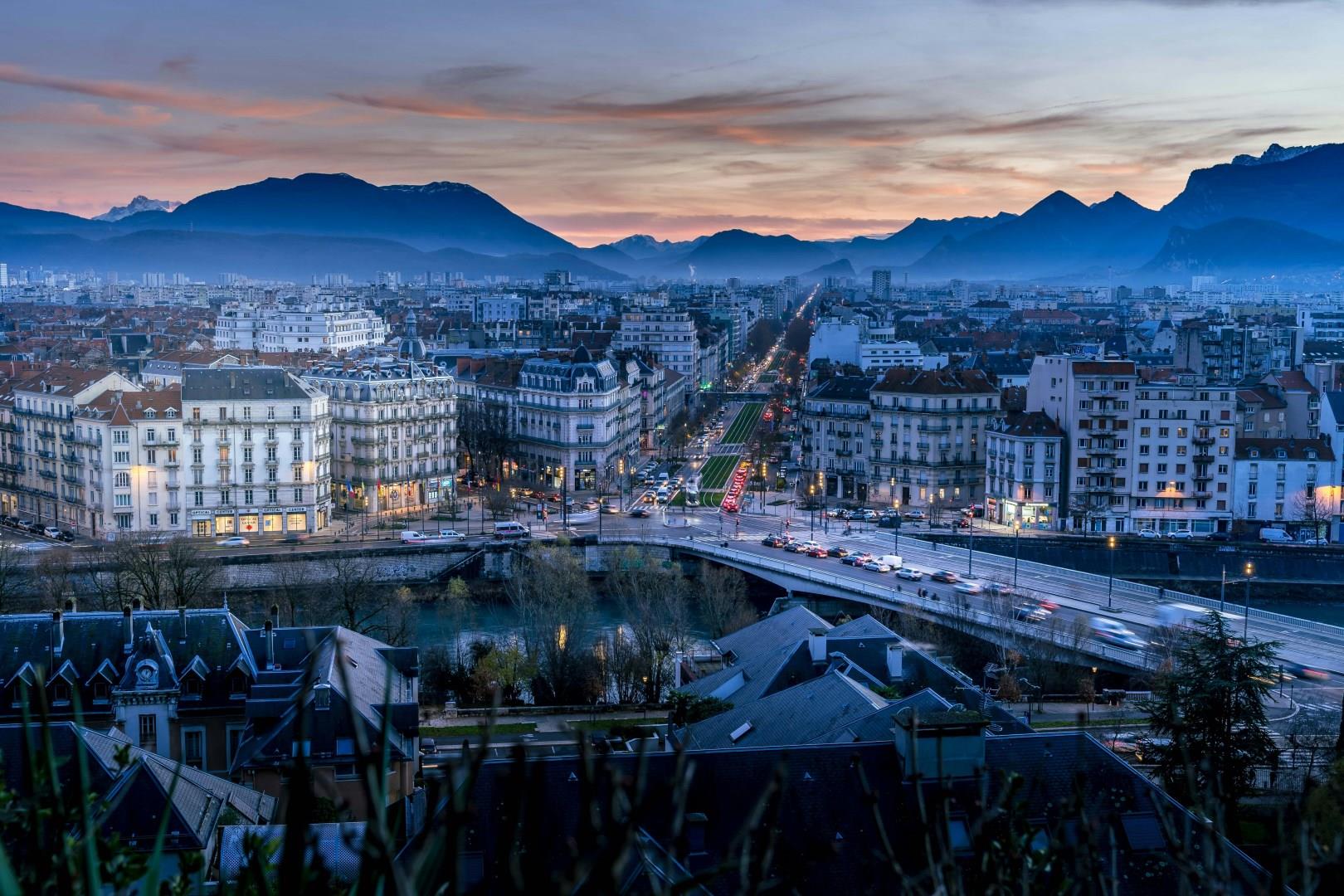
Grenoble
Grenoble sits at the meeting point of three Alpine mountain ranges in southeastern France, giving it a setting that feels both dramatic and lived-in. With origins dating back to Roman times, the city has long been a crossroads of trade, science, and political thought.

Port Louis
Port Louis, the bustling capital of Mauritius, is a vibrant melting pot of cultures, history, and modernity. Nestled between the verdant Moka Range and the Indian Ocean, this city invites visitors to explore its rich colonial past while embracing the dynamic energy of a thriving port town.
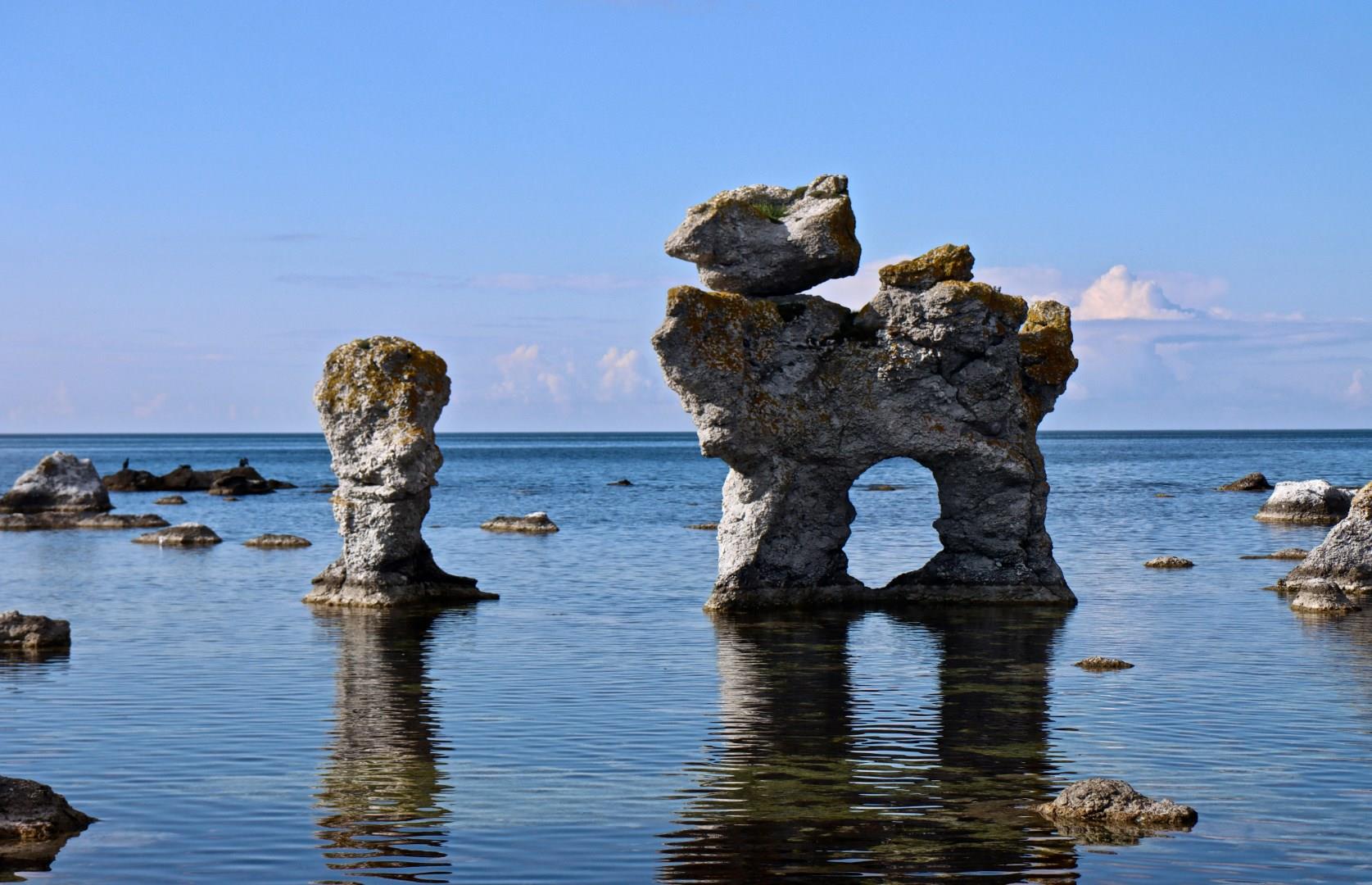
Gotland
Gotland, Sweden’s largest island, sits in the Baltic Sea and feels like a world of its own. Its main town, Visby, is a UNESCO World Heritage site and one of the best-preserved medieval towns in Northern Europe. Surrounded by a 3.5-kilometer stone wall with original towers still intact, Visby once served as a key Hanseatic trading hub. Visitors can walk along cobbled streets lined with rose-covered cottages, explore Gothic church ruins, and climb up the city wall for views over the harbor.
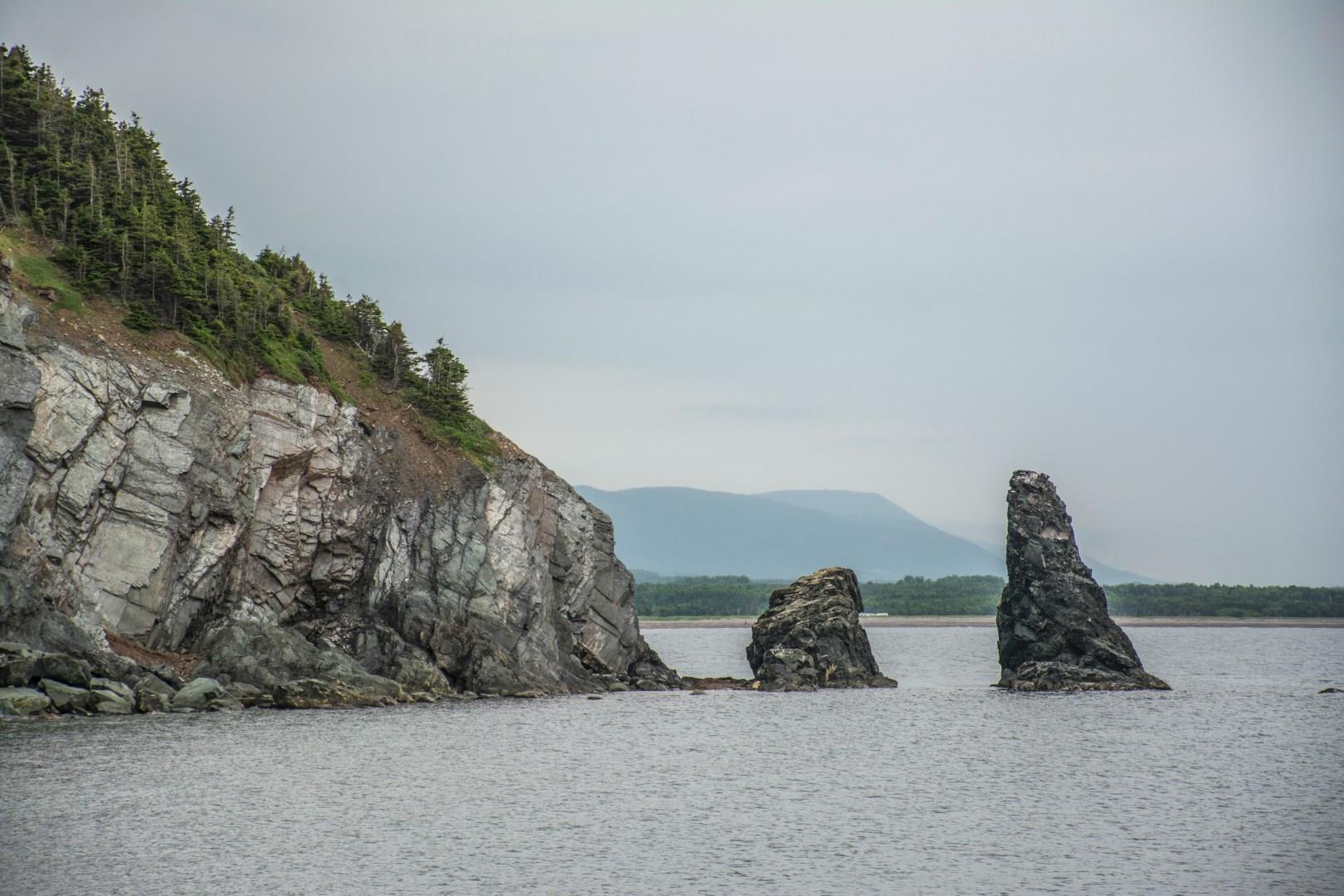
Cabot Trail
The Cabot Trail loops around northern Cape Breton Island, Nova Scotia, tracing cliffs, highlands, and forests for roughly 298 km. Named for the explorer John Cabot, the region’s deeper story belongs to the Mi’kmaq people, whose presence predates European settlement.

Ionian Sea
The Ionian Sea, a stretch of the Mediterranean nestled between Italy and Greece, offers a captivating blend of azure waters, picturesque islands, and rich history. The sea is framed by Italy's western coast and Greece's western islands, including Corfu, Kefalonia, and Zakynthos. These islands provide a gateway to some of the most stunning landscapes in the region, from the rugged cliffs of Zakynthos to the lush greenery of Kefalonia.
