
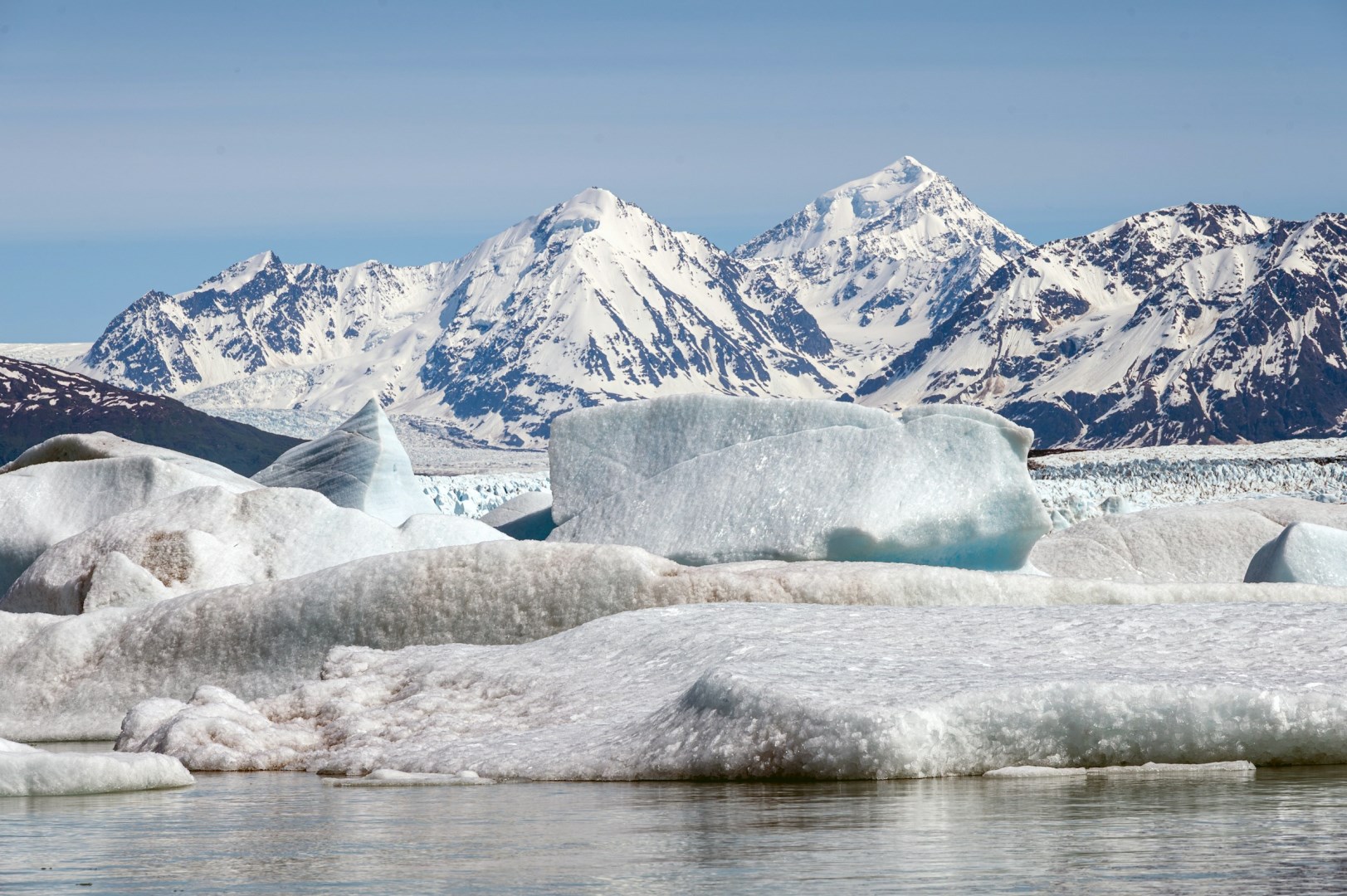
Chugach National Forest
Chugach National Forest covers a vast area of south-central Alaska, stretching from the Kenai Peninsula across Prince William Sound and into the Copper River region. It is one of the largest national forests in the United States and contains a varied landscape of mountains, glaciers, coastal fjords, rivers, wetlands, and dense spruce and hemlock forests.

Zermatt
Among the stunningly snow-capped Swiss Alps, Zermatt is a charming ski resort town in Switzerland. Situated near the iconic Matterhorn peak, Zermat is the perfect destination for skiing, snowboarding, and hiking.

Dingle
Nestled along the picturesque southwest coast of Ireland, the charming town of Dingle offers a quintessential Irish experience with its stunning landscapes and rich cultural heritage. The town is renowned for its vibrant harbor and traditional pubs, where visitors can enjoy lively music sessions and savor local seafood dishes. The Dingle Peninsula, with its rugged cliffs and scenic drives, is a highlight for nature enthusiasts and those seeking breathtaking vistas.
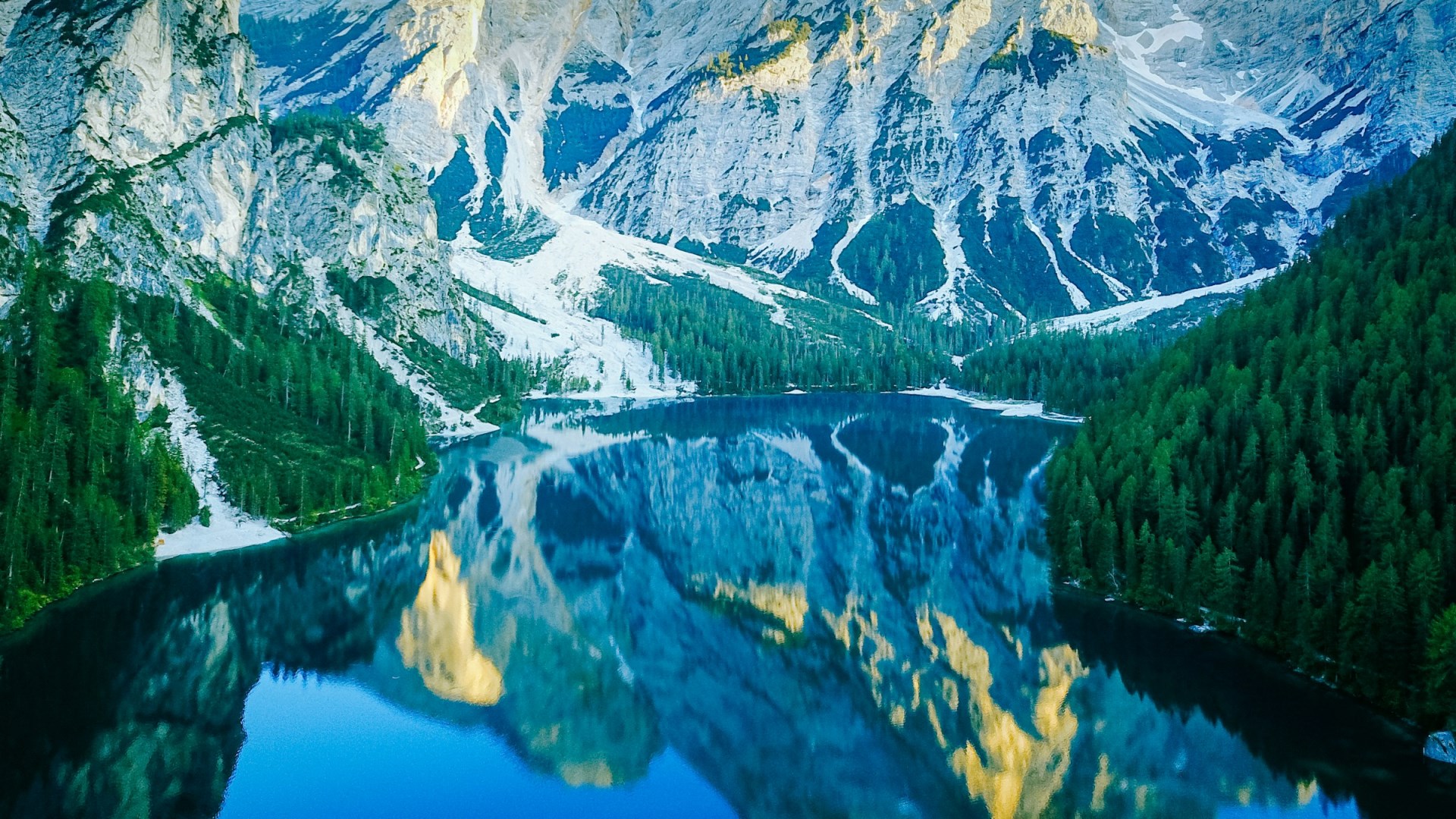
Fanes-Sennes-Prags Nature Park
Relax on the pier and allow the astonishing view of the beautiful lake and mountains to wash over you. Inhale the fresh mountain air and hear the soothing sounds of nature.
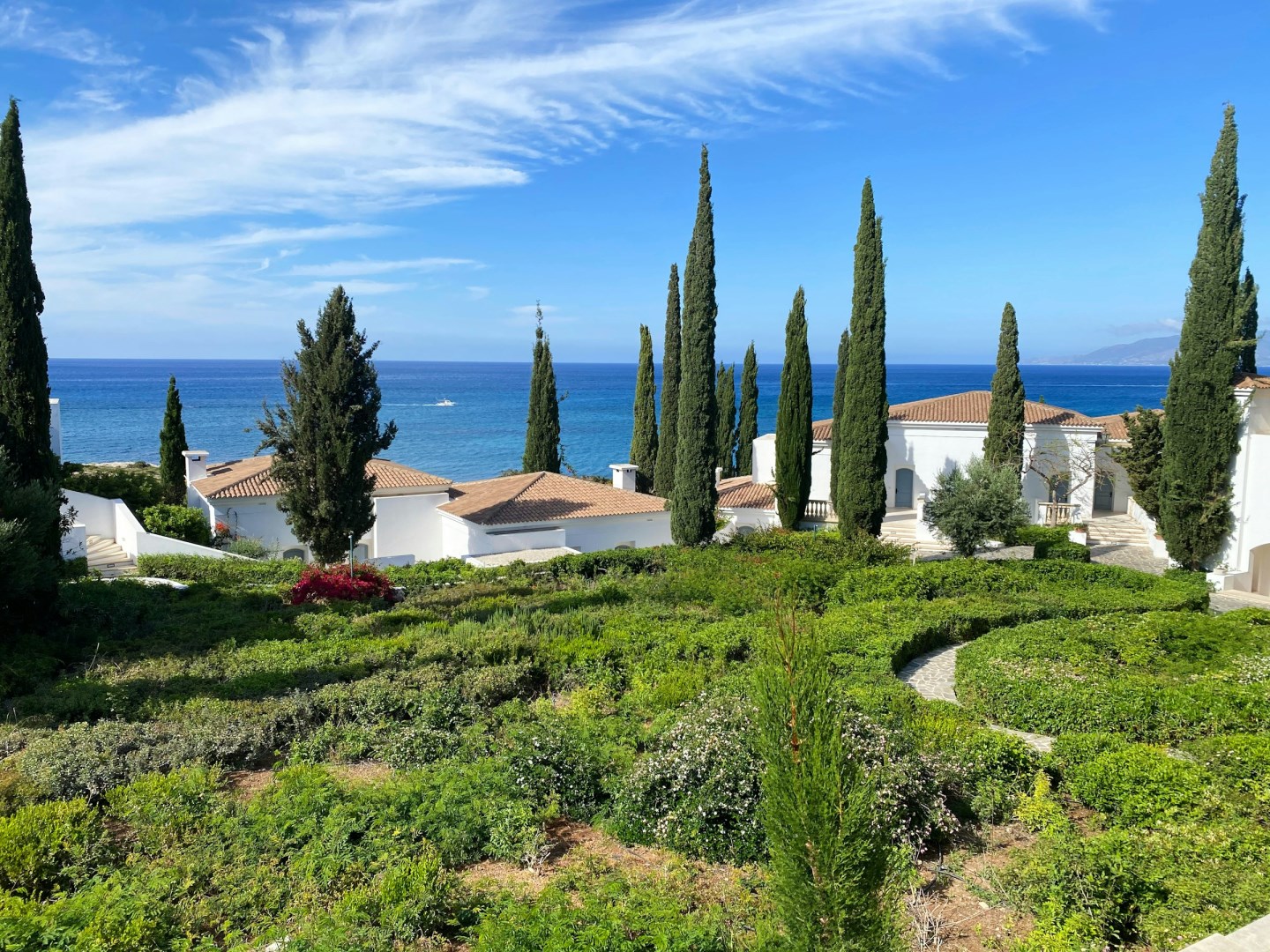
Paphos
Paphos is a coastal city in southwestern Cyprus, combining a working harbor, Mediterranean beaches, historic neighborhoods, and one of the island's most important archaeological landscapes. The city is closely associated with Aphrodite, the ancient Greek goddess whose cult was centered in the Paphos region.
