
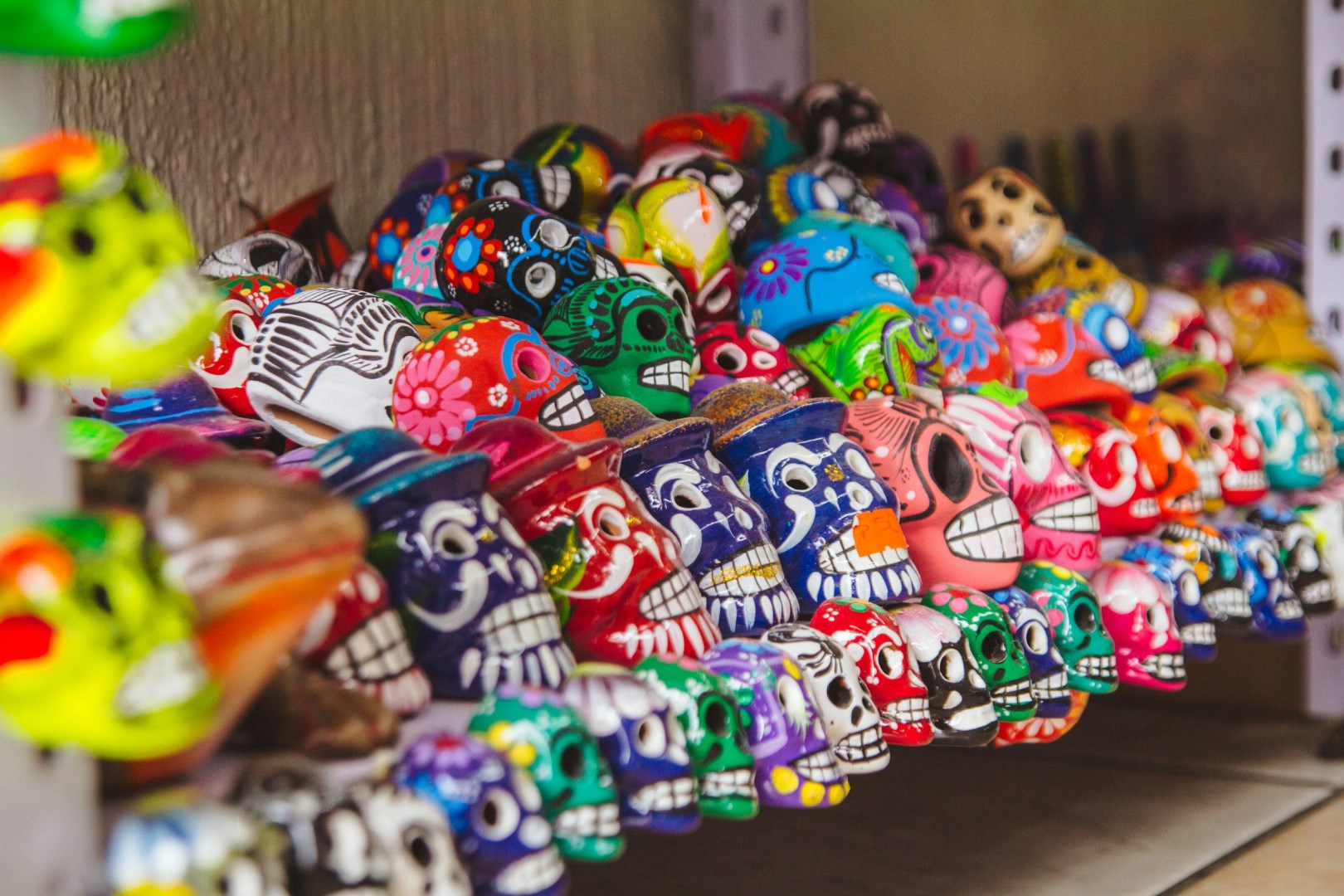
Guanajuanto
Guanajuato is situated between the dry north of the country and the more verdant south, and geographically belongs to the Trans-Mexican Volcanic Belt, the Mexican Plateau.

Alaska
Known for its vast wilderness, towering mountains, glaciers, and wildlife, Alaska offers unmatched outdoor experiences and endless opportunities for exploration.
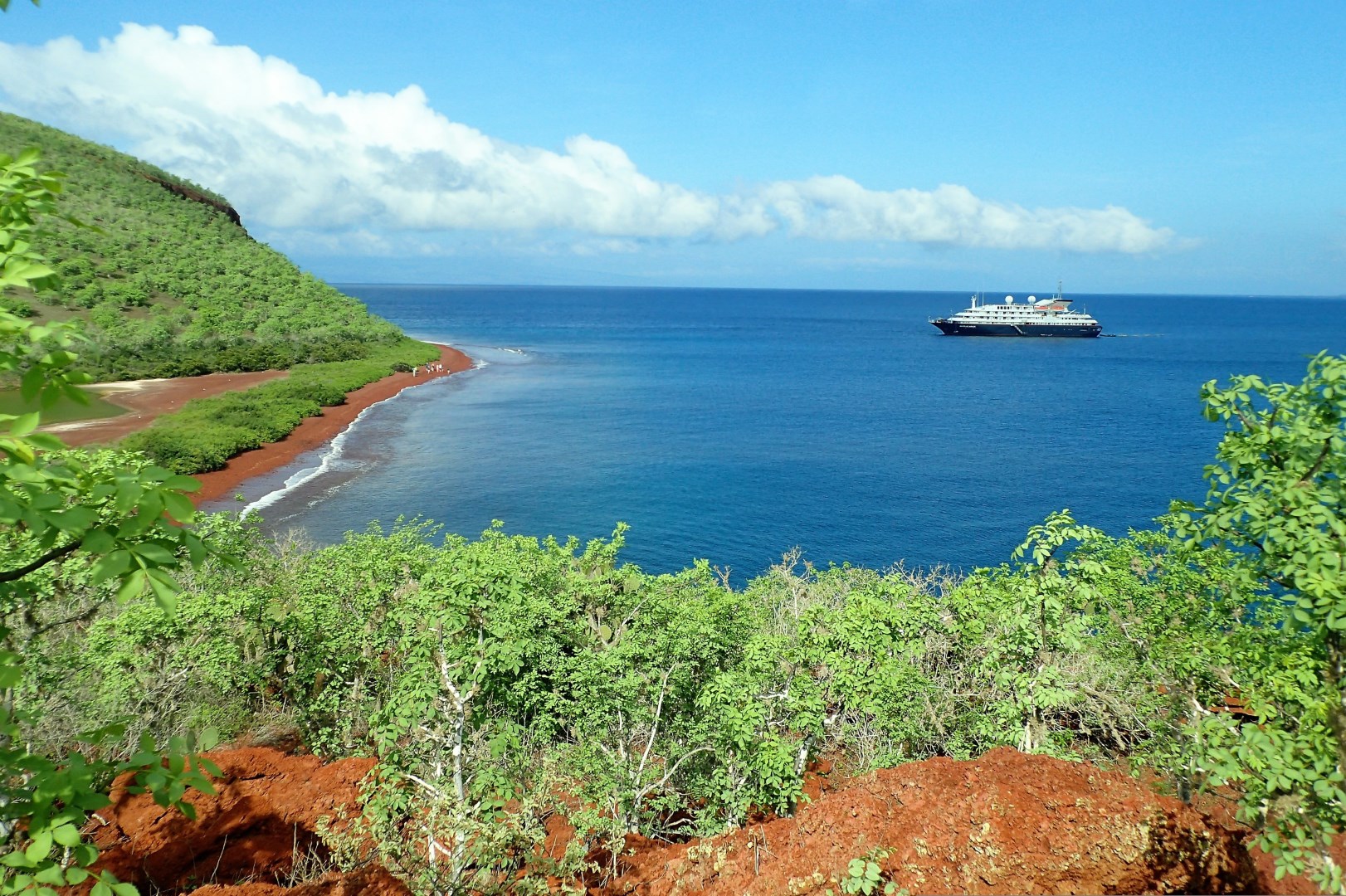
Santiago Island
Set in the heart of the Galápagos archipelago, Santiago Island offers a raw and untamed landscape shaped by volcanic forces. Unlike more developed islands in the region, Santiago remains largely uninhabited, giving visitors a rare look at ecosystems that have evolved with minimal human presence. Its coastline shifts from black lava fields to soft sandy beaches, while inland trails reveal hardened flows and scattered vegetation slowly reclaiming the terrain.
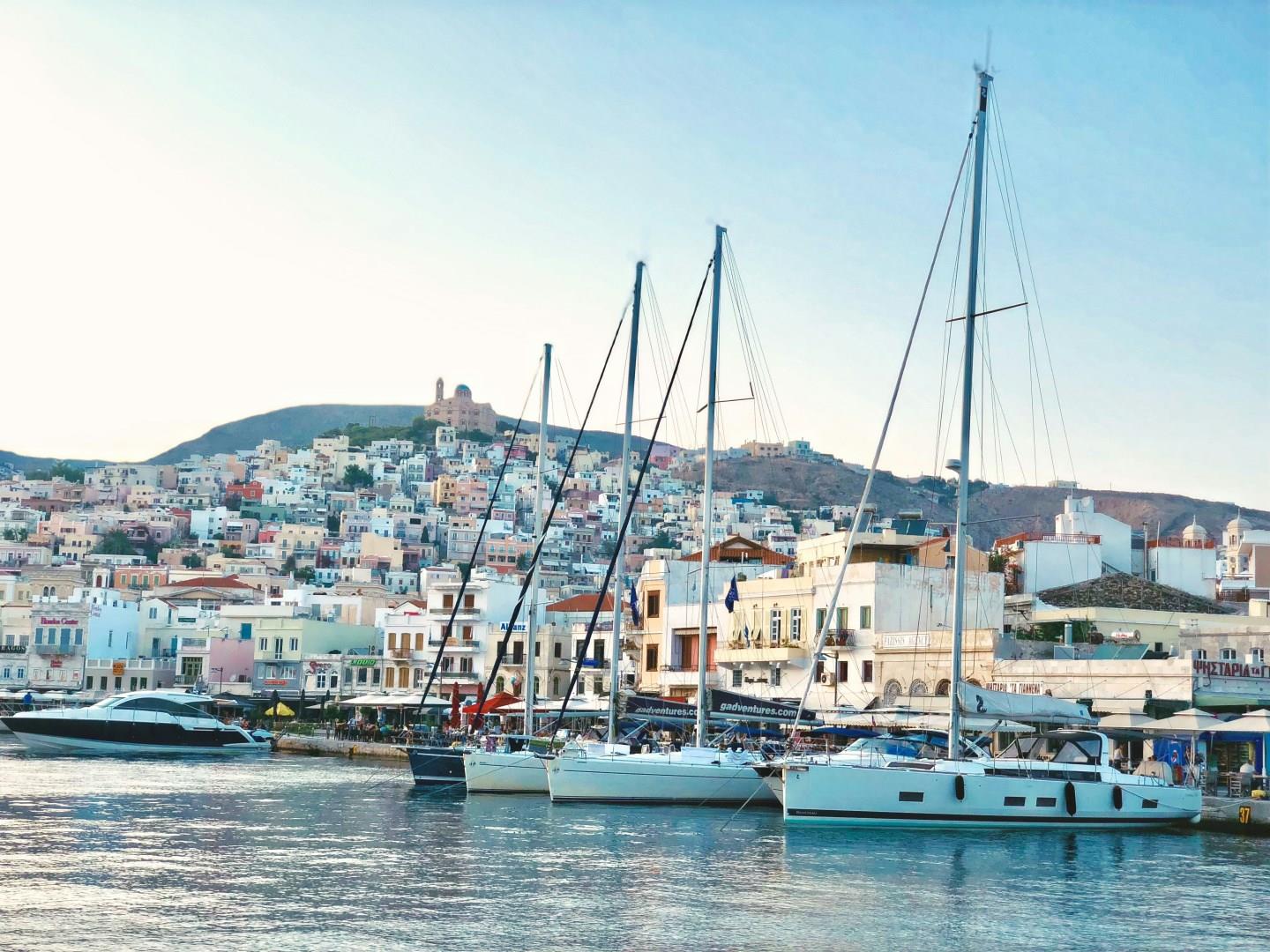
Syros
Syros, the capital of the Cyclades, stands apart from its island neighbors with its blend of neoclassical architecture, Orthodox and Catholic traditions, and year-round local life. Ermoupoli, the main town, was once a thriving 19th-century port and still displays its legacy through grand mansions, marble-paved squares, and the imposing Apollo Theater which was designed by an Italian architect and often referred to as a miniature La Scala.
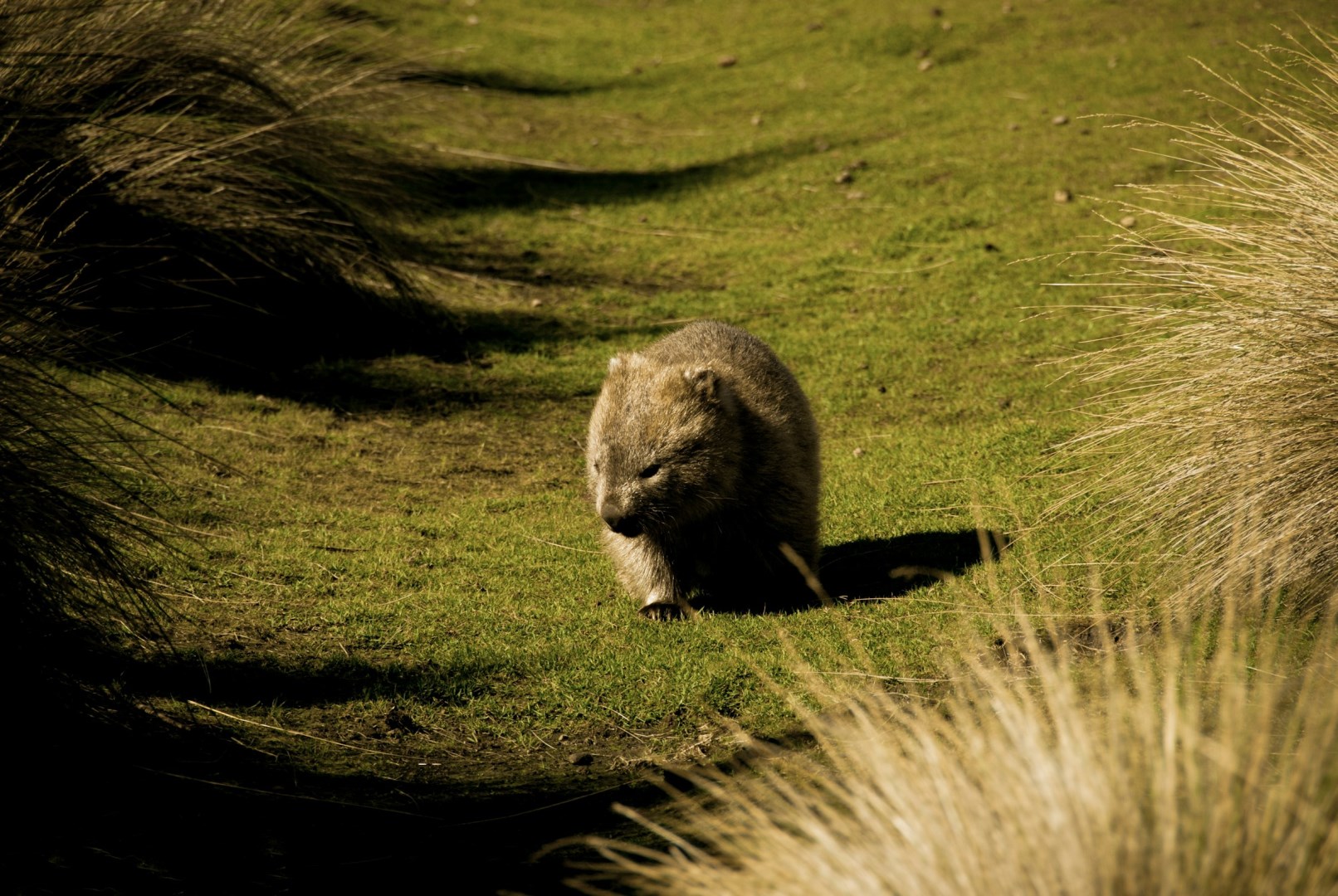
Flinders Island Tasmania
Flinders Island is the largest island in the Furneaux Group, located in Bass Strait between mainland Australia and Tasmania. Covering a landscape of rugged mountains, rolling farmland, white-sand beaches, and granite headlands, it is known for its remote character and rich natural environment.
