
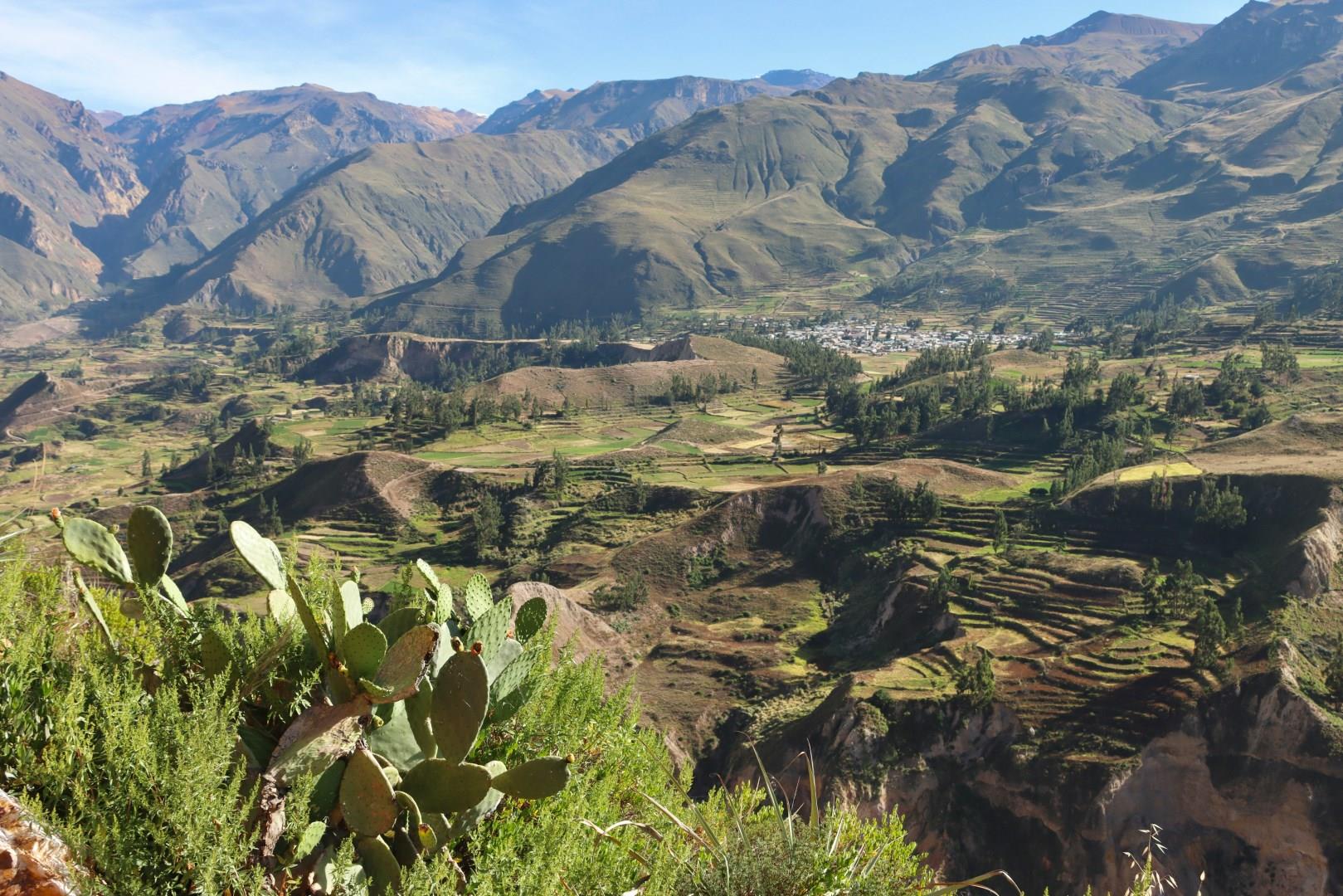
Colca Canyon
Colca Canyon, located in southern Peru’s Arequipa region, is one of the deepest canyons in the world, twice as deep as the Grand Canyon in some areas. What makes it stand out even more is how human settlements have coexisted with the landscape for centuries. Along its walls, pre-Inca agricultural terraces still hold crops like corn and quinoa. One of the main draws of the canyon is the opportunity to see Andean condors in flight.
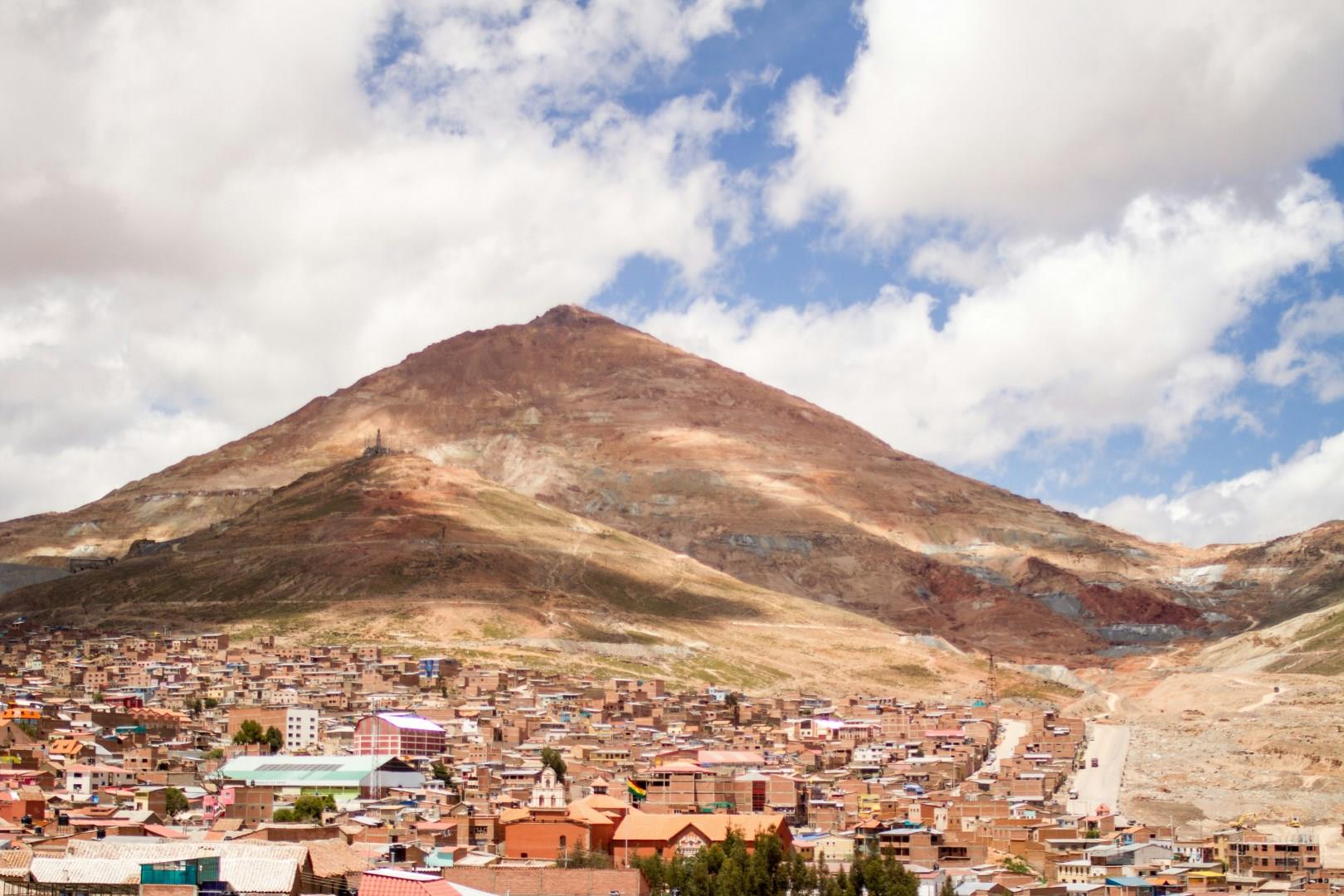
Potosi
Potosí rises on the Altiplano of southern Bolivia and for centuries it was one of the richest cities in the world because of what lies just beyond its streets. At the foot of Cerro Rico (“Rich Mountain”), silver was discovered in the mid-1500s, and within a few decades the city became a center of mining and wealth that shaped global trade and economies.

Newport
About halfway down the Oregon coast, the picturesque Yaquina Head Lighthouse welcomes you to Newport, a town known for its Dungeness crab and glorious harbor under the graceful Yaquina Bay Bridge. The historic Bayfront offers a mixture of shops, galleries, canneries and restaurants that serve fresh clam chowder, shrimp, oysters, crab and salmon.
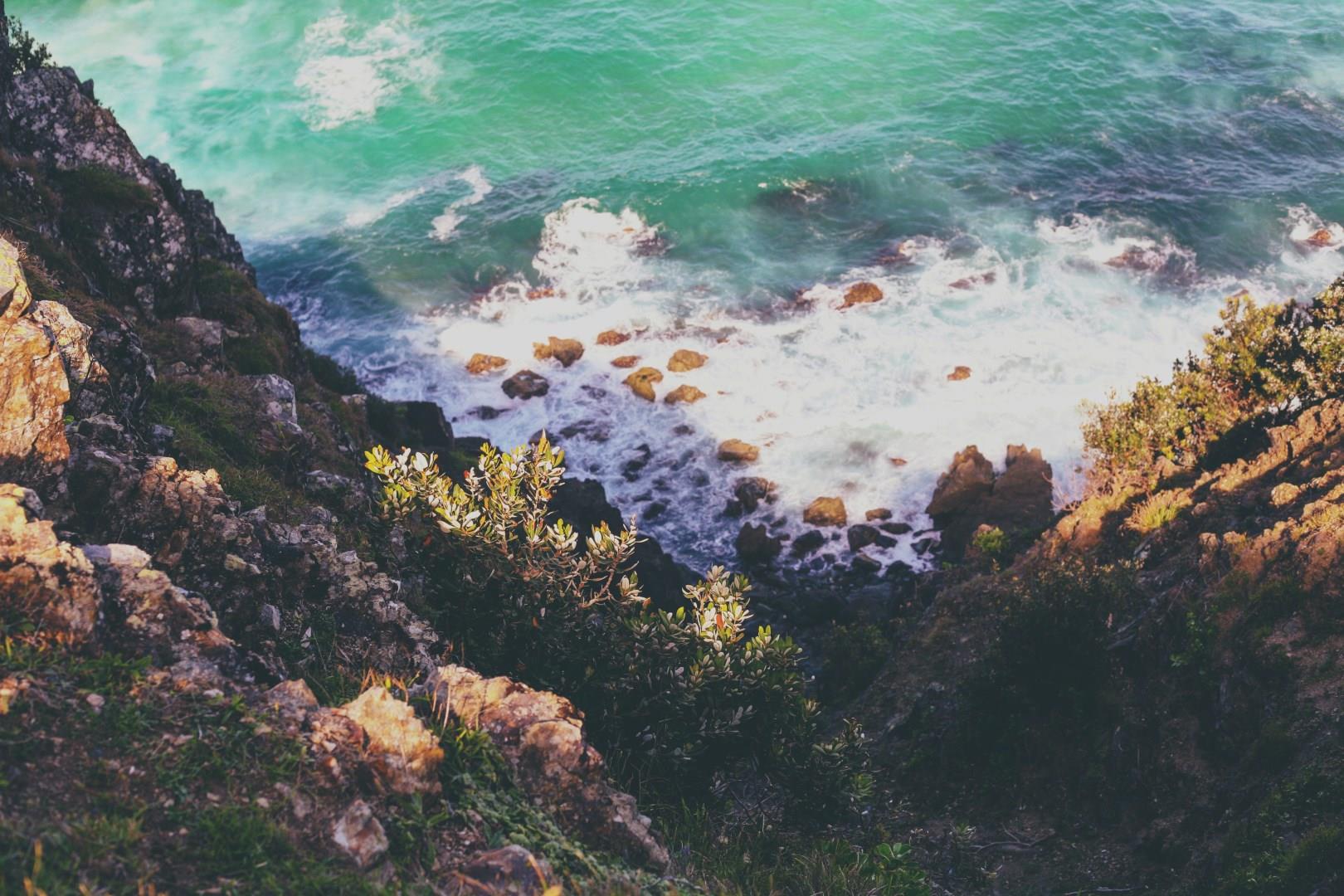
Byron Bay
Byron Bay lies on the far north coast of New South Wales, Australia, where wide beaches meet the deep blue Pacific and the point of land known as Cape Byron marks the easternmost tip of the mainland. Standing tall above the coastline, the Cape Byron Lighthouse has guided ships since 1901 and now greets walkers and sightseers who take the scenic cliff-top path for views stretching toward whales during their migration season.
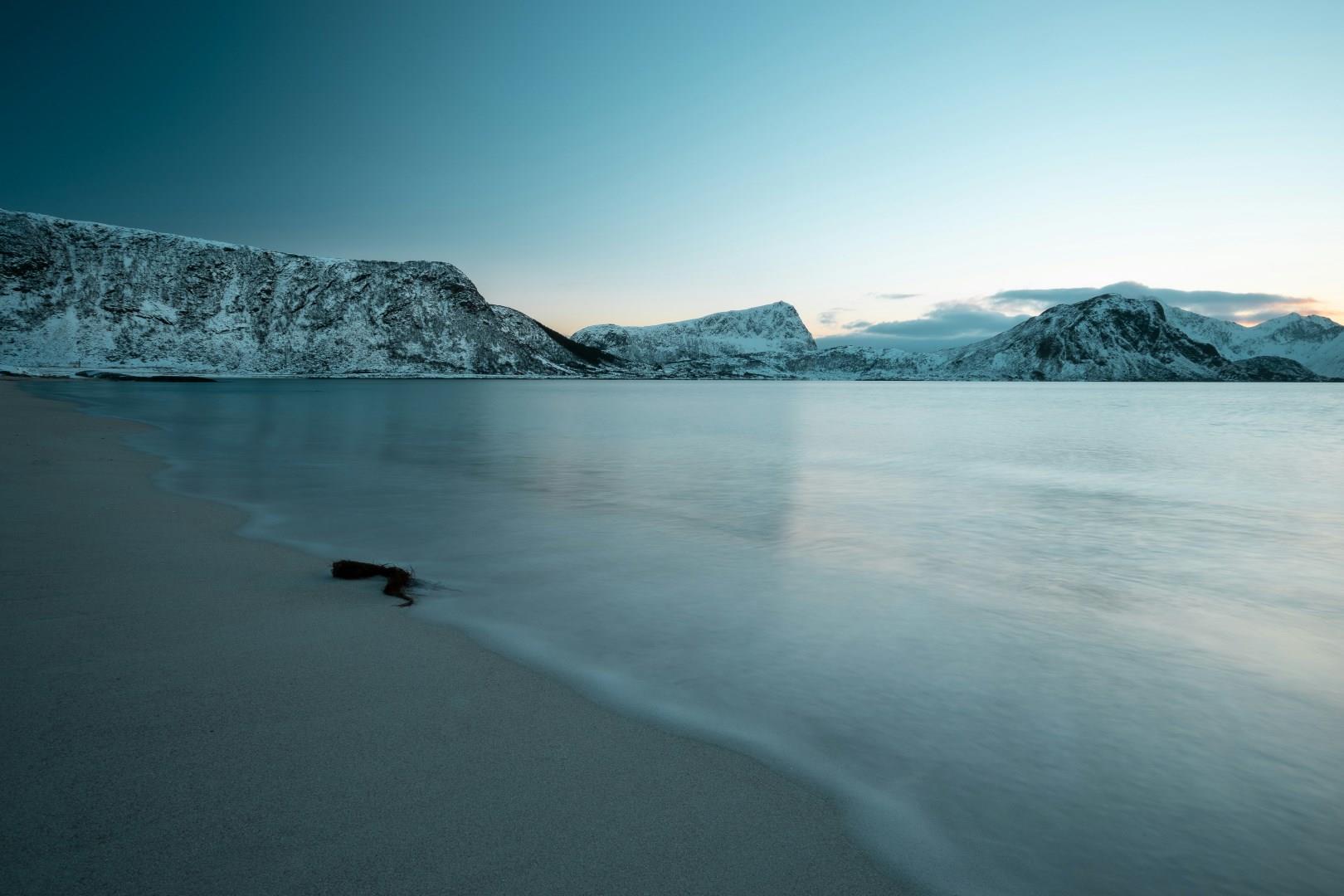
Leknes
Leknes sits in the heart of Norway’s Lofoten Islands, a small town shaped more by geography than by long urban history. It developed as a regional hub for farming, fishing, and transport, serving surrounding villages spread across Vestvågøy. Rather than presenting a preserved past, Leknes reflects contemporary life in the north, practical and closely tied to seasonal rhythms.
