

Lijiang
Lijiang sits in northwest Yunnan, shaped by its role as a trading town on routes linking Tibet, Sichuan, and Southeast Asia. It is closely associated with the Naxi people, whose language, music, and traditions remain central to local identity.
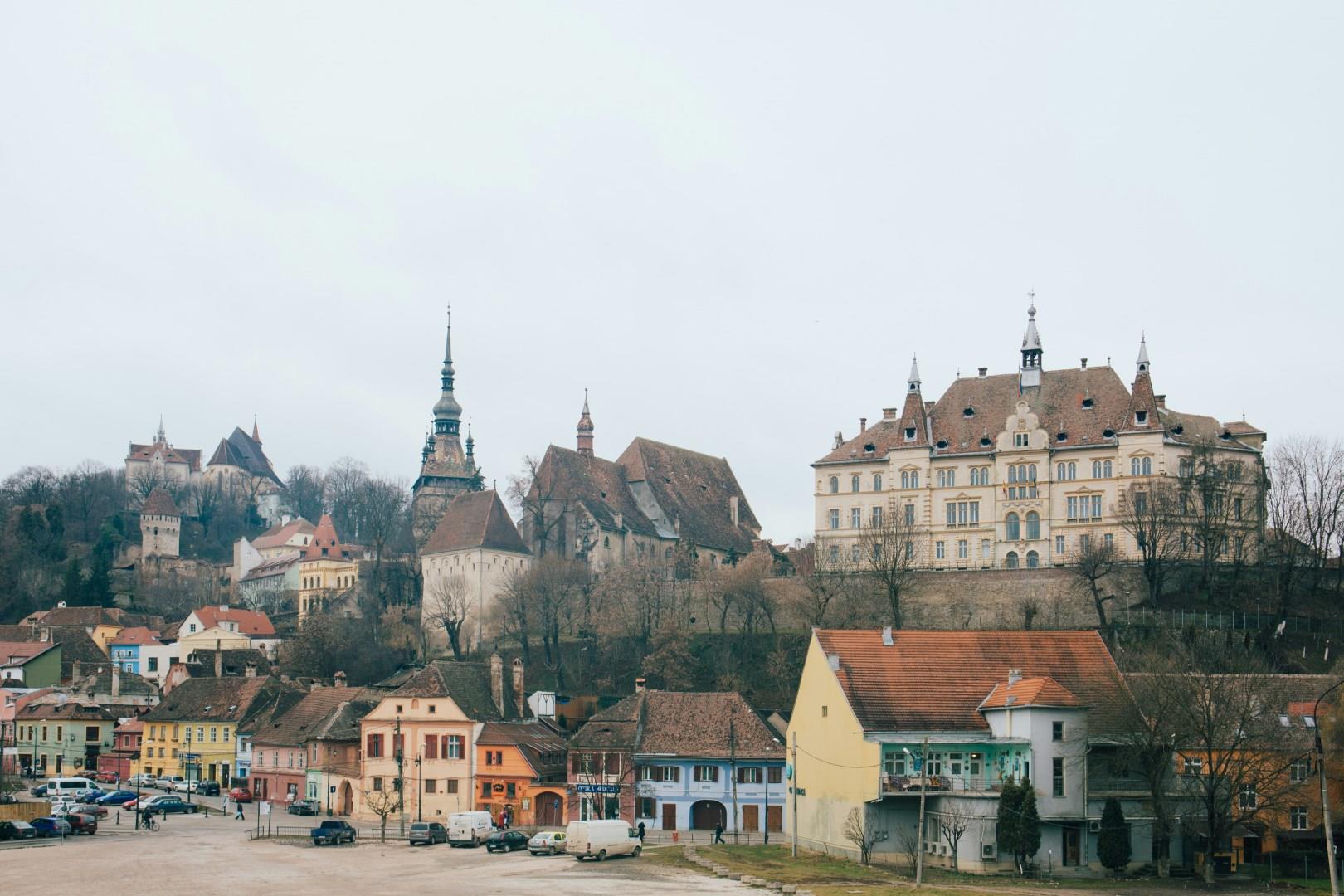
Sighisoara
Sighisoara rises above the Târnava Mare River as one of the few medieval citadels in Europe that is still lived in and admired today. Its historic center has been on the UNESCO World Heritage List since 1999, recognized for its long history as a fortified Saxon settlement and its role in trade and defense on the edges of central Europe. Wander through cobbled alleys framed by pastel-colored houses, and the layers of time feel close at hand, from the city walls and guild towers to busy cafés.

Porvoo
Porvoo, Finland, is a charming and picturesque town that transports visitors back in time with its well-preserved medieval atmosphere. Located just 50 kilometers east of Helsinki, it is one of Finland’s oldest cities, founded in the 14th century. Its most iconic feature is the Old Town, with its cobblestone streets, wooden houses painted in vibrant reds and yellows, and the majestic Porvoo Cathedral, which dates back to the 15th century.
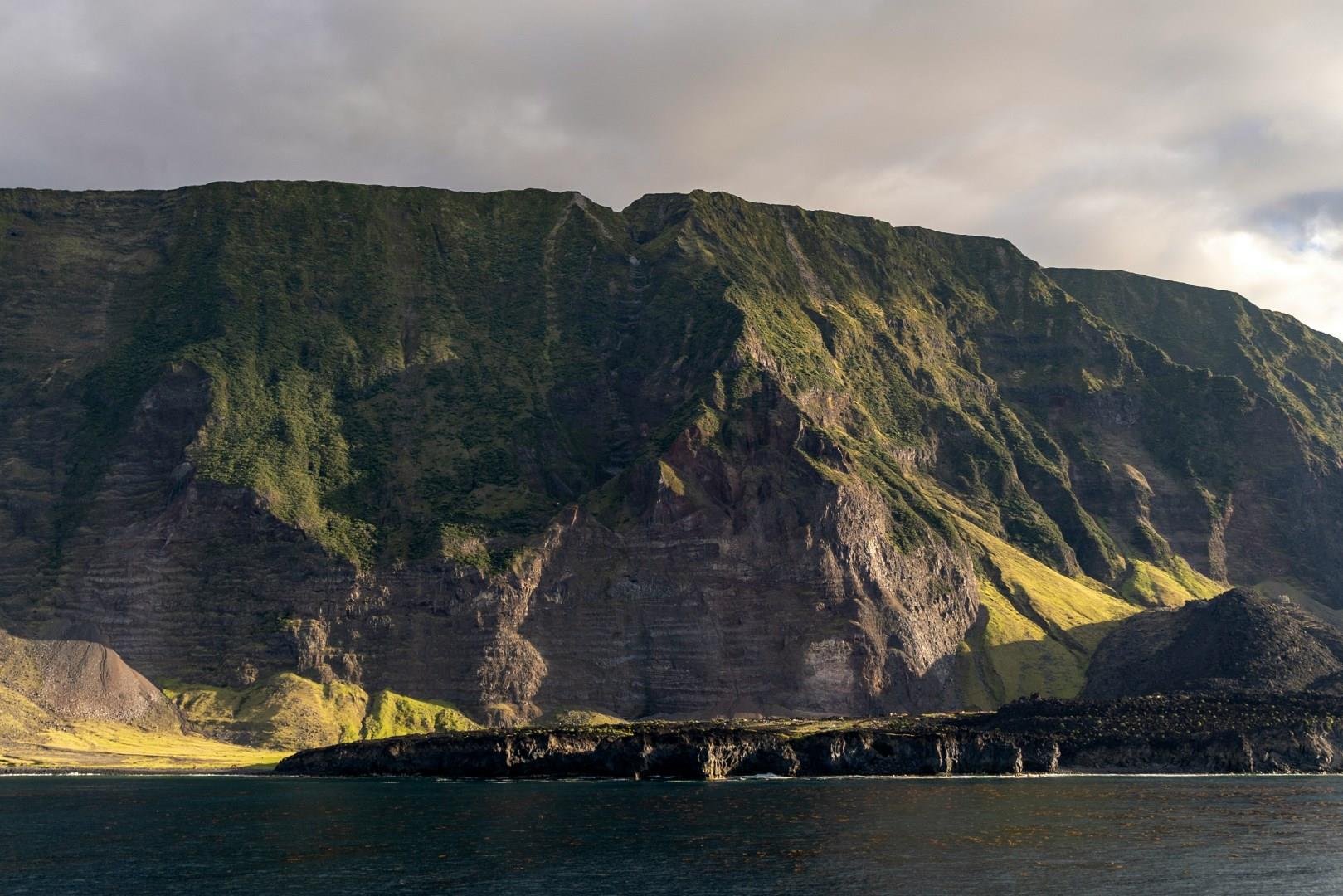
St. Helena
St. Helena is a remote island in the South Atlantic Ocean, known for its dramatic cliffs, volcanic landscapes, and rich history. It is most famous as the place where Napoleon Bonaparte spent his final years in exile, and visitors can explore Longwood House and other historic sites that tell the story of this period.
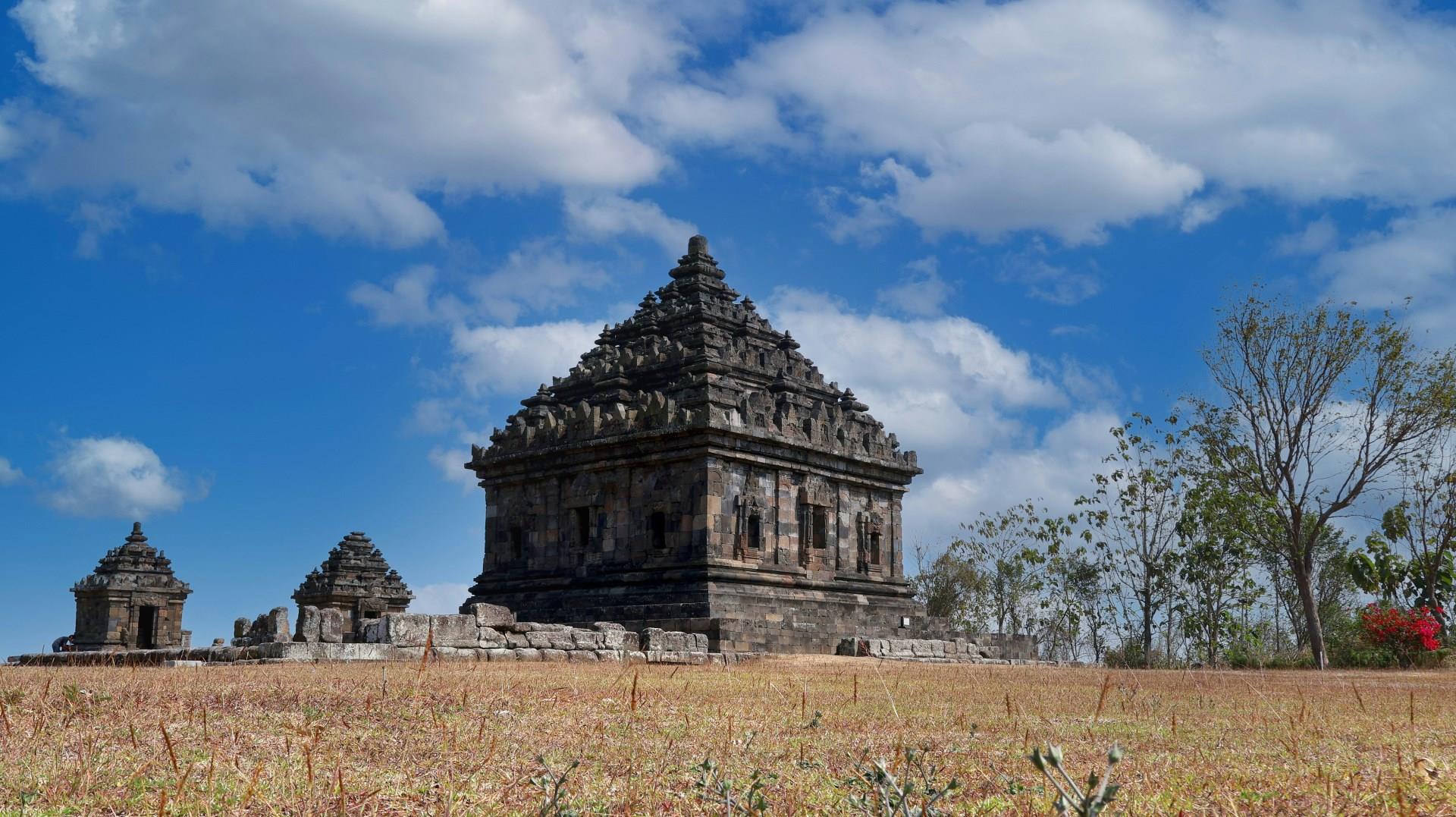
Yogyakarta Java
Yogyakarta, on the island of Java, is often described as Indonesia’s cultural capital, a reputation grounded in living tradition rather than nostalgia.
