

Melk
Nestled along the south bank of the Danube, this historical Austrian city bursts with charm. A favorite stop on European river cruises, the city's most famous attraction is Melk Abbey, which dates back to the 11th century. The original Benedictine structure was lost to fires and foreign invasion, then rebuilt during the 18th century in lavish Baroque style, including a library and inner church covered in magnificent frescoes and gilded fixtures.
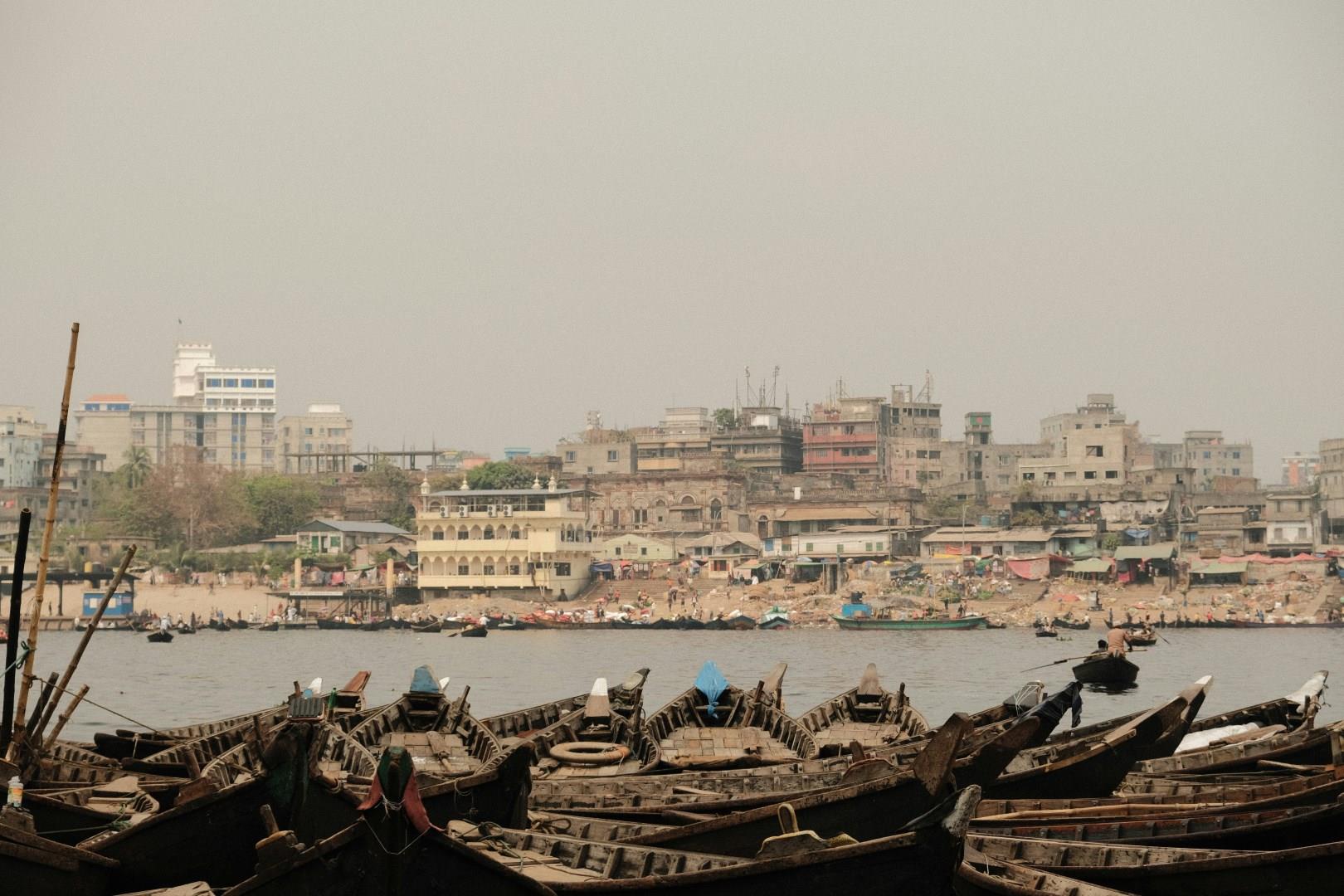
Dhaka
Dhaka, the capital of Bangladesh, is a city of striking contrasts where centuries-old traditions meet rapid modern growth. Known as the “City of Rickshaws,” it is famous for its vibrant street life, colorful cycle rickshaws, and markets that seem to run around the clock.
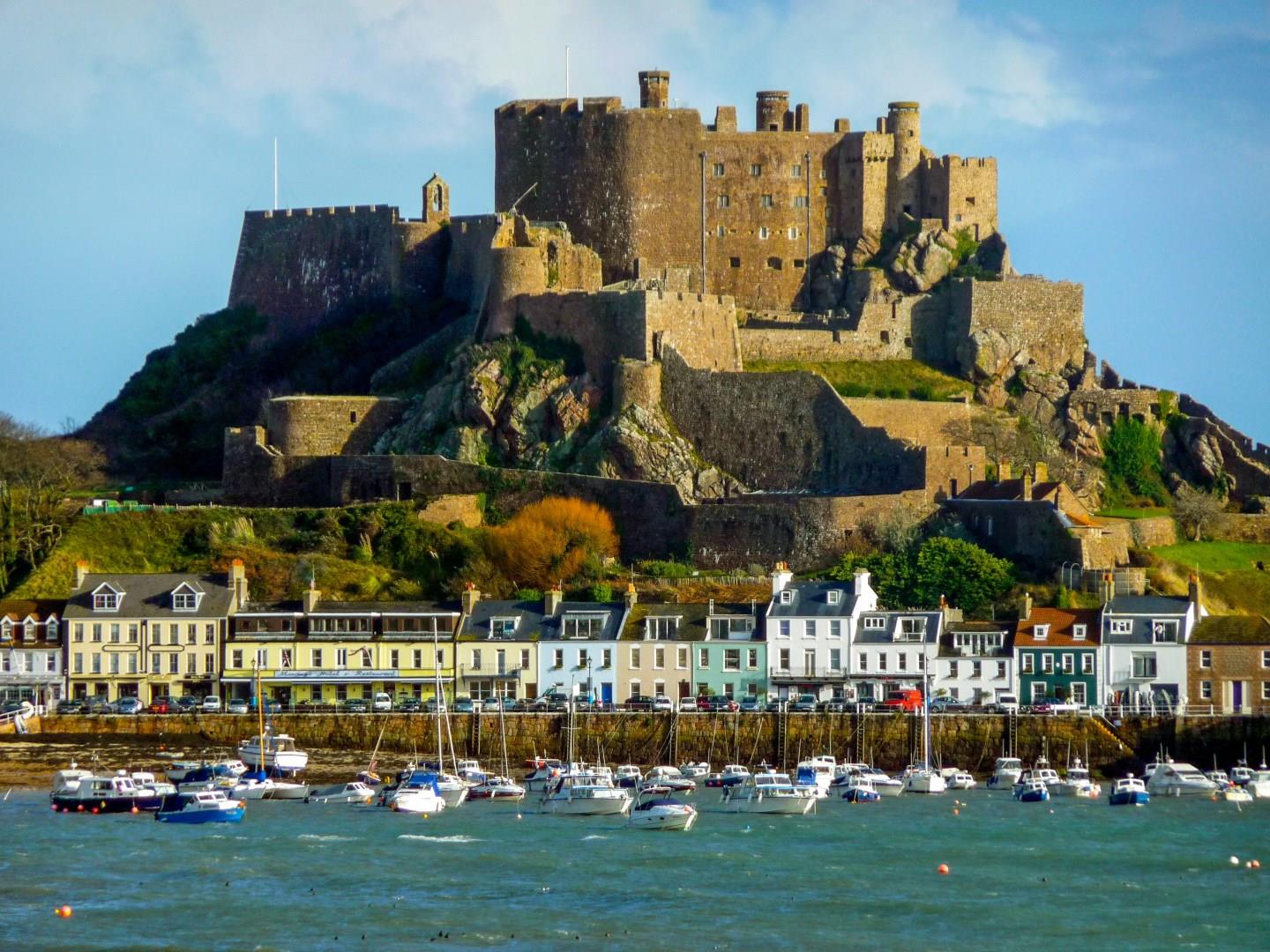
Jersey
Jersey, the largest of the Channel Islands, is a destination that offers a unique blend of British and French influences, reflected in its history, language, and cuisine. Its strategic location between England and France has shaped centuries of cultural exchange and resilience, especially evident in sites like Mont Orgueil Castle. The island’s coastline features dramatic cliffs, hidden coves, and wide sandy beaches.

Boise
Boise, Idaho, often surprises first-time visitors with its dynamic mix of western history, creative culture, and easy access to outdoor experiences. Nestled at the base of the Boise Foothills, the city has grown from a 19th-century outpost into a capital city with a distinctly independent spirit. The downtown core is walkable and welcoming, where historic buildings now house coffee shops, craft breweries, and local boutiques.

Estonia
>Estonia, a hidden gem in Northern Europe, boasts a fascinating mix of medieval charm and modern vibrancy. The capital city, Tallinn, is renowned for its well-preserved medieval Old Town, a UNESCO World Heritage Site. Wander through the cobbled streets of the Old Town, where you’ll encounter stunning Gothic architecture, including the impressive Alexander Nevsky Cathedral and the Town Hall, with its ornate spire and charming square.
