
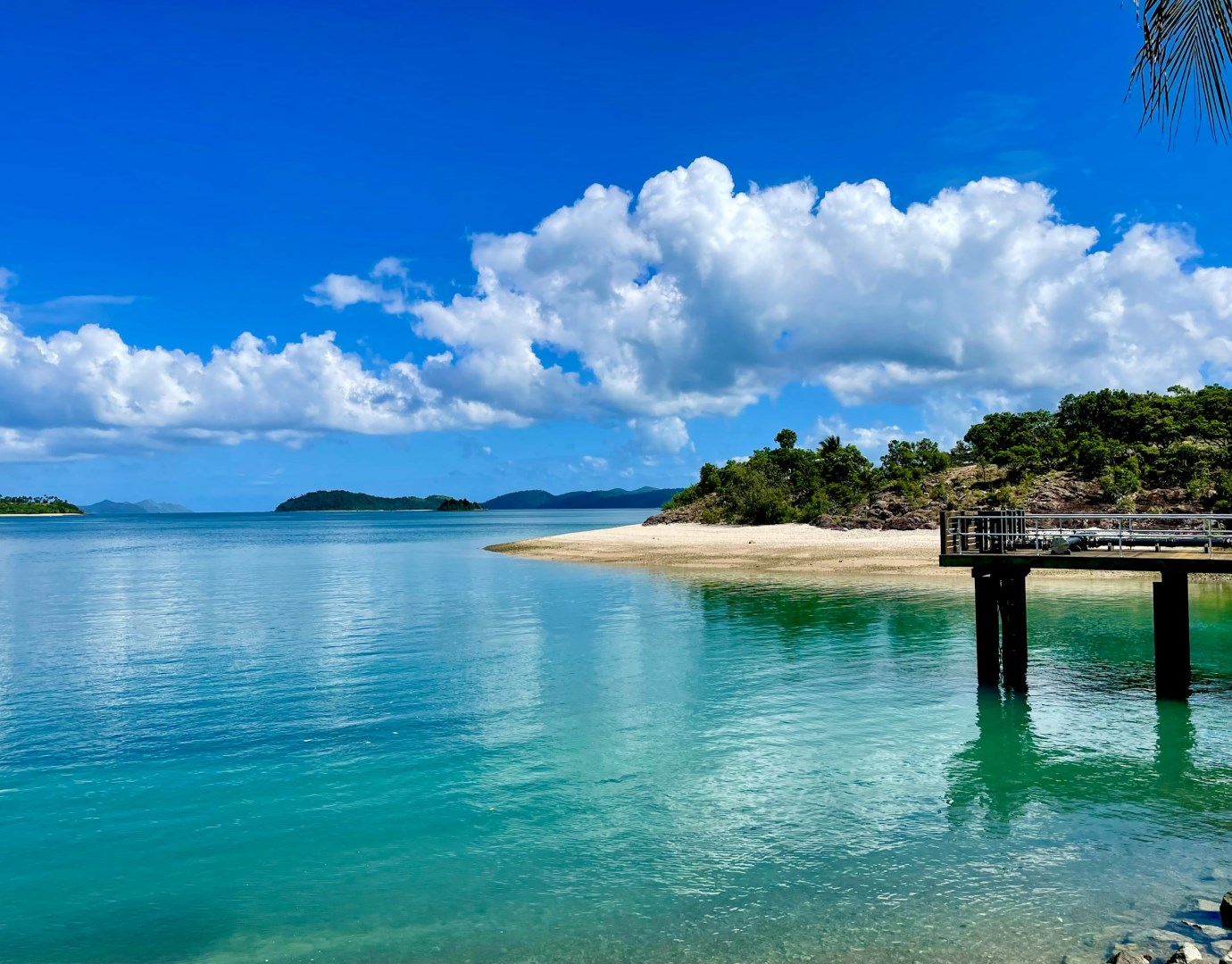
Hamilton Island
An island off the northeast coast of Australia, south of Whitsunday Island, and part of the Cumberland Island Group.
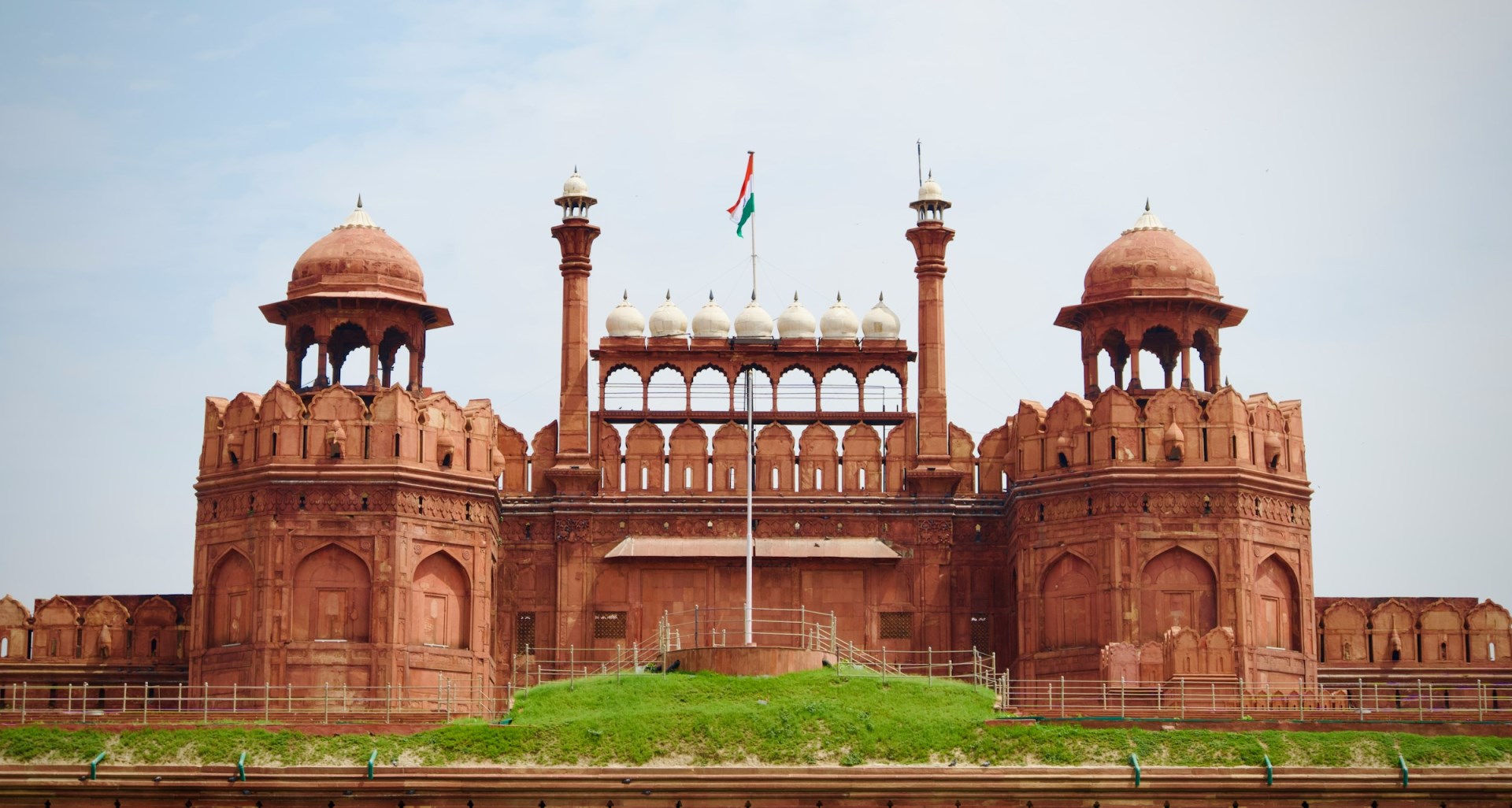
New Delhi
New Delhi is the planned central district of India’s capital, laid out with broad avenues, formal gardens, government buildings, and prominent public landmarks. Designed around ceremonial spaces and tree-lined roads, it contrasts with the dense lanes and historic neighborhoods of Old Delhi. Rashtrapati Bhavan, Parliament, India Gate, and Kartavya Path form some of the district’s defining landmarks.
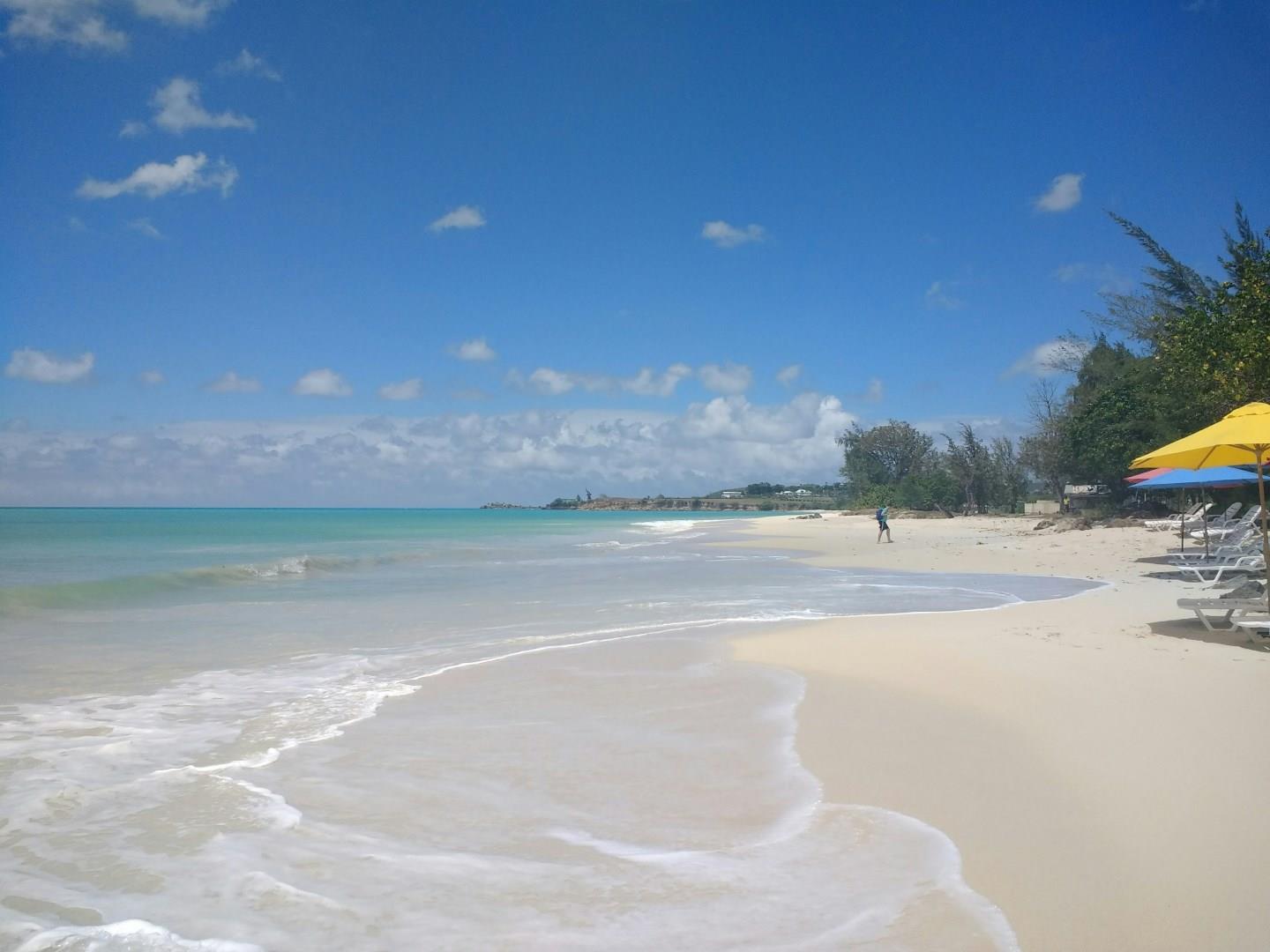
Fort James Beach
Fort James Beach, just outside St. John’s in Antigua, is a long stretch of soft white sand framed by calm, turquoise waters. The beach takes its name from nearby Fort James, a historic 18th-century British stronghold built to guard the harbor.
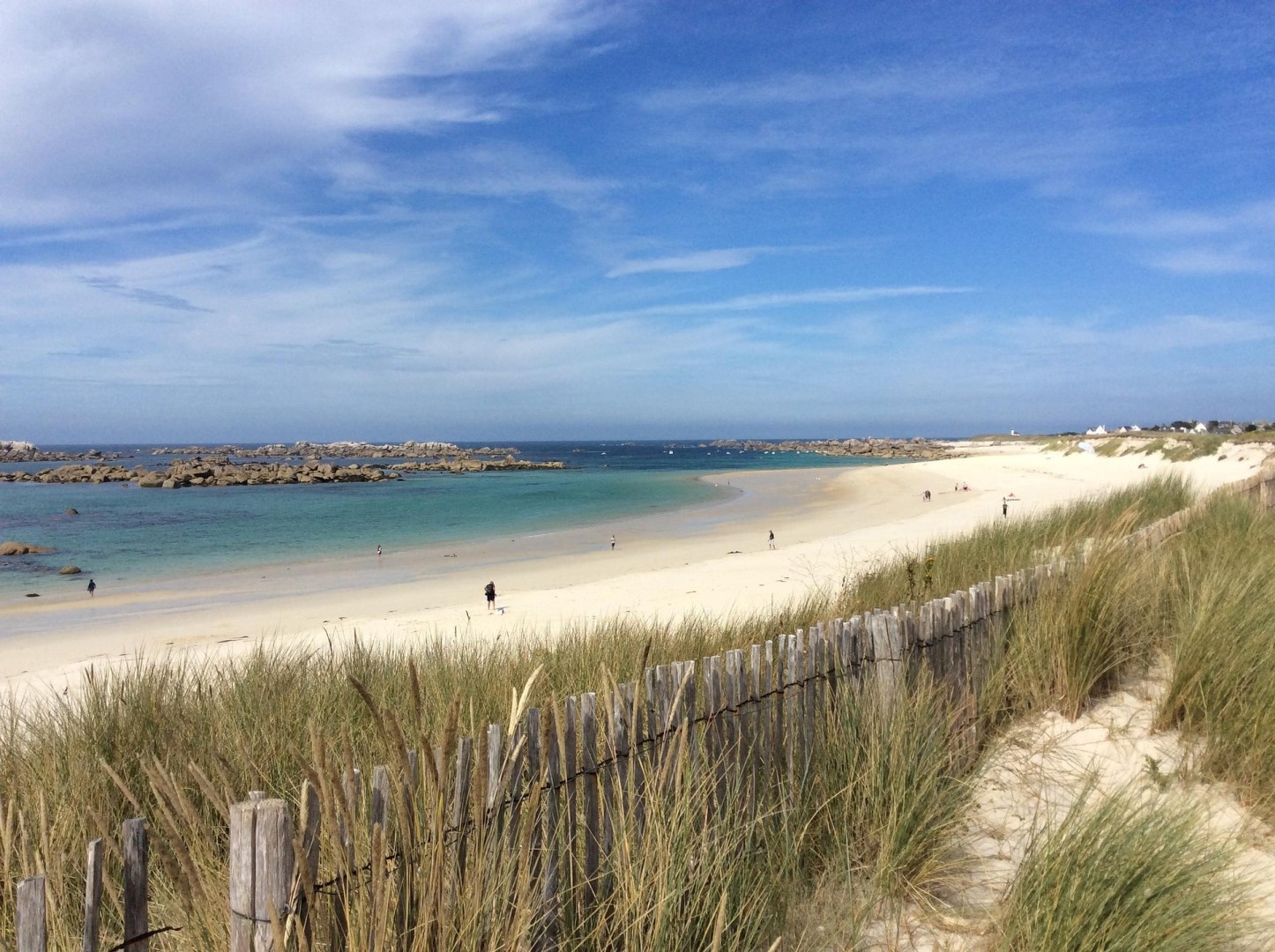
Brittany
Brittany is a region in northwestern France defined by a long Atlantic coastline, historic towns, fishing ports, farmland, and a strong regional identity. Its landscape ranges from sandy beaches and rocky headlands to tidal estuaries, islands, and inland forests. Cities such as Rennes, Saint-Malo, and Vannes provide different perspectives on Breton life, while smaller places such as Dinan, Locronan, and Rochefort-en-Terre preserve traditional architecture.
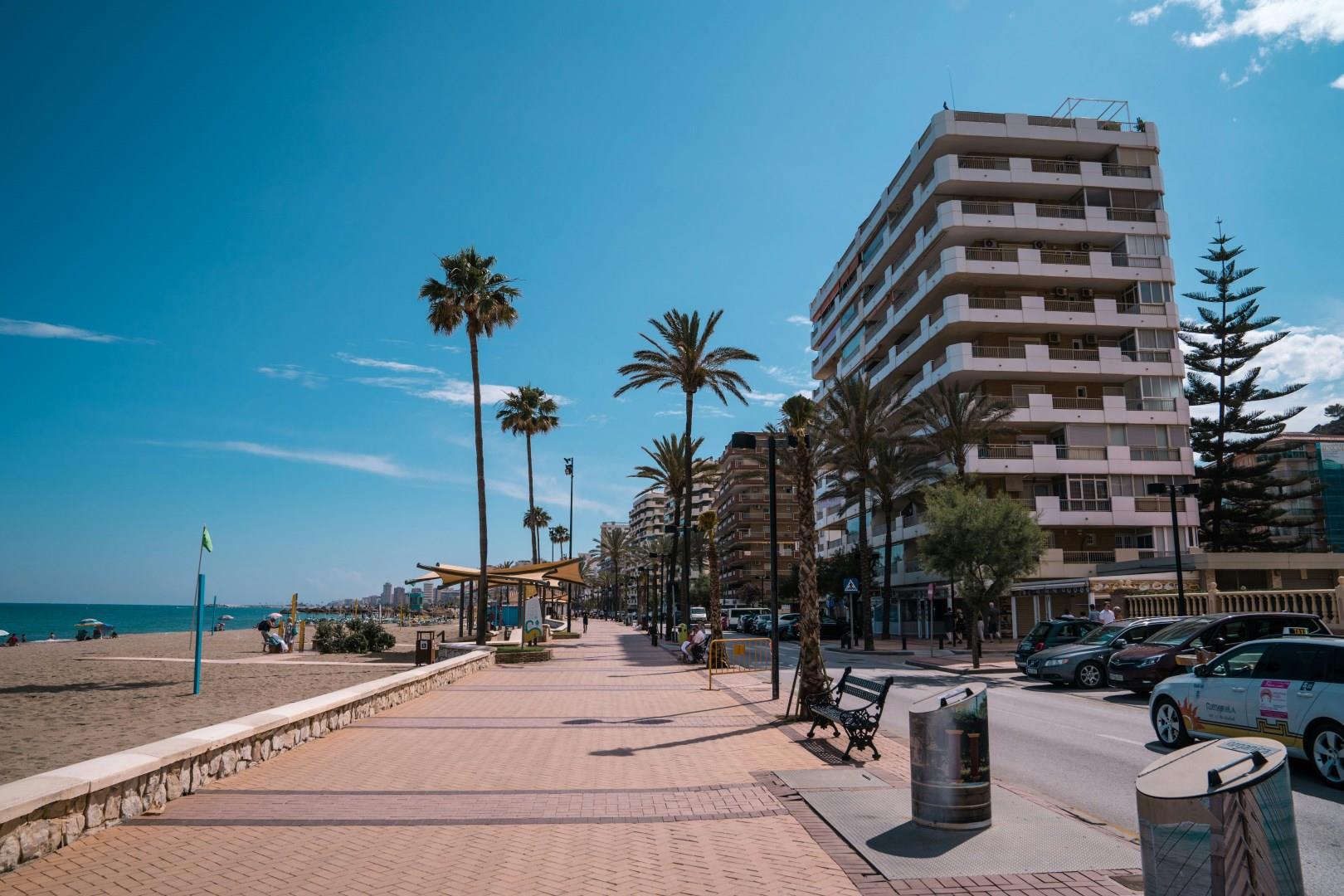
Costa del Sol
The Costa del Sol, stretching along the southern coast of Spain in Andalusia, is famed for its golden beaches, lively coastal towns, and sunny Mediterranean climate.
