
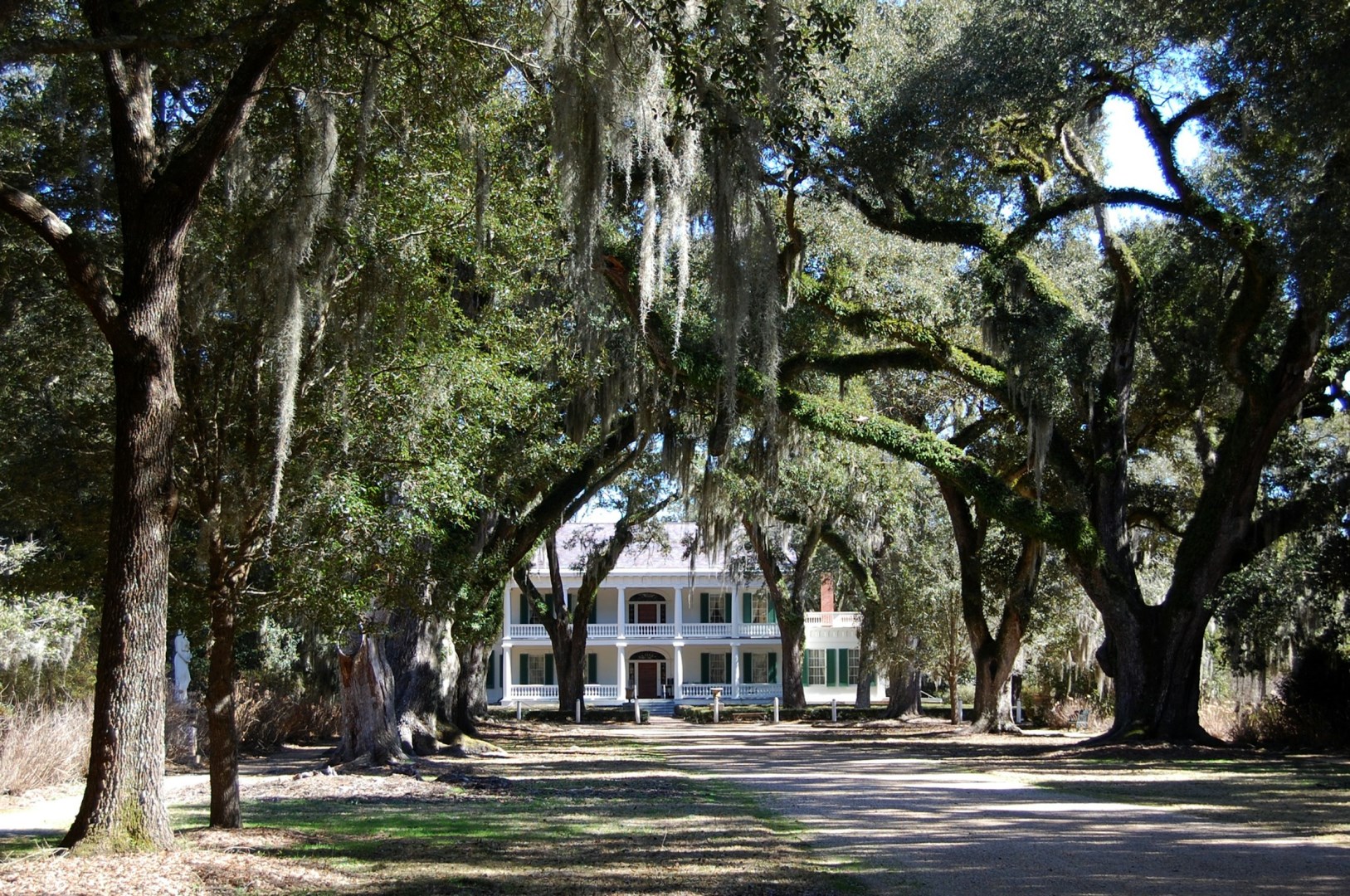
St. Francisville
St. Francisville, located along the Mississippi River in Louisiana, is a small town celebrated for its rich history, antebellum architecture, and scenic surroundings. Known as the “City of Oaks” for its tree-lined streets, the town offers a glimpse into Louisiana’s past through its well-preserved plantation homes, historic districts, and charming downtown area.
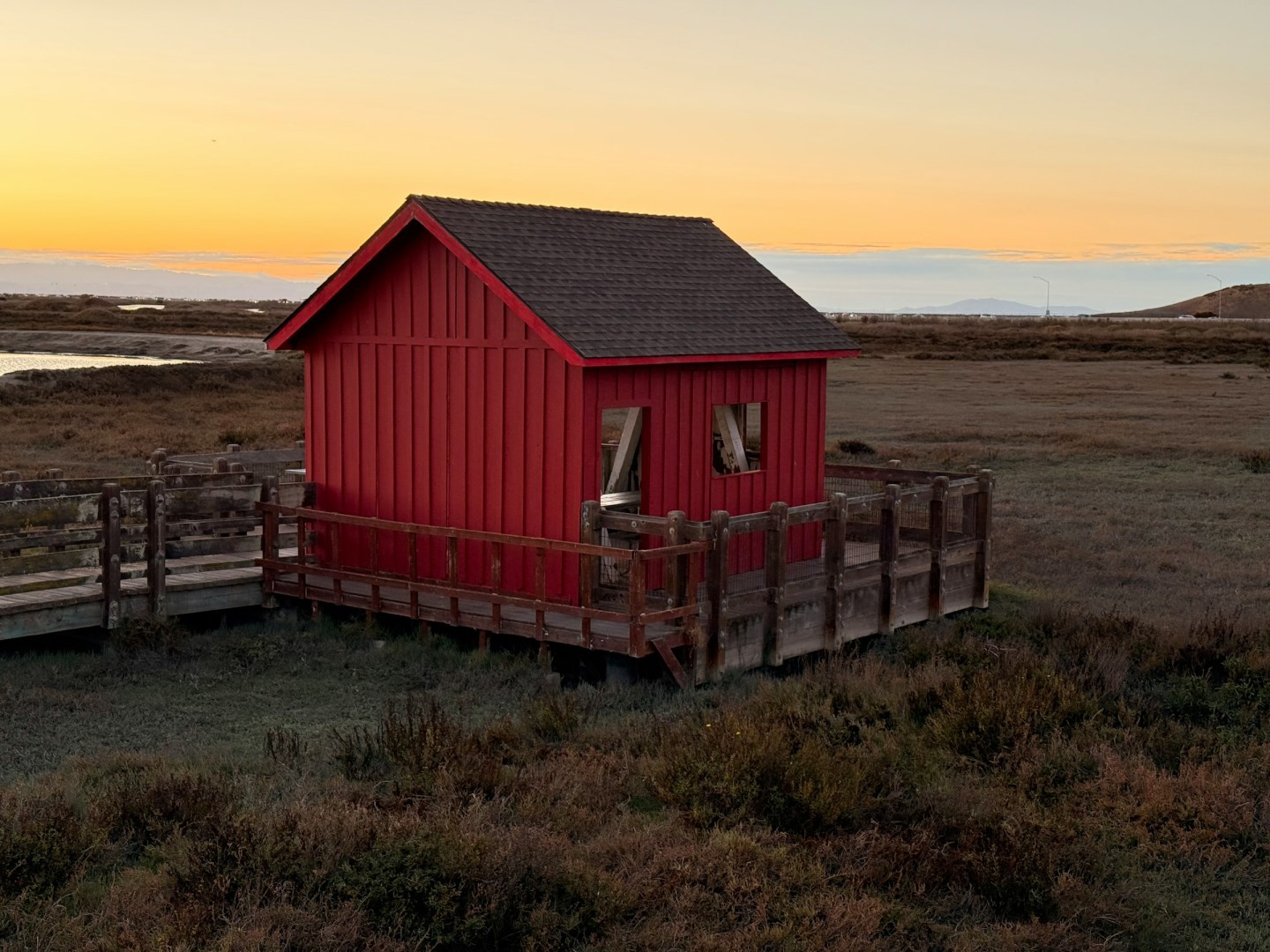
Newark
The City of Newark, located on the east side of the San Francisco Bay, is a diverse, well-balanced "home town." While part of one of the most dynamic urban areas in the world, with San Francisco and San Jose only 30-45 minutes away, Newark has a strong and proud spirit rooted in community values. The weather is great and our location can't be beat!
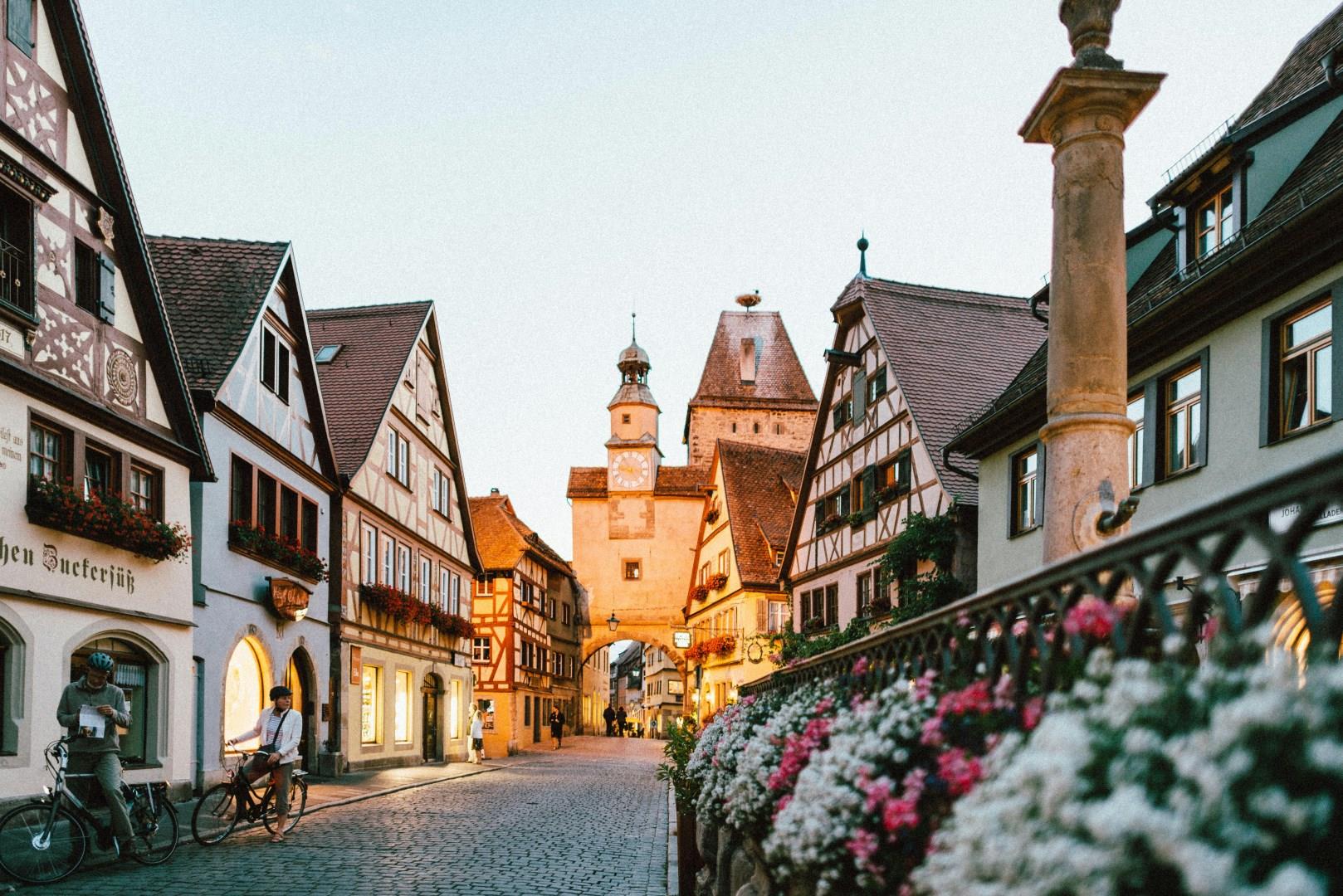
Rothenburg
Rothenburg ob der Tauber rises above the Tauber River in Bavaria, where its medieval town center has stood largely unchanged for centuries, making it one of Germany’s most vivid windows into the past. This old walled city stretches along cobblestone streets where half-timbered houses, ancient towers, and narrow alleys invite visitors to wander and imagine life in the Middle Ages.

Xi'an
Xi’an, located in central China’s Shaanxi Province, served as the starting point of the ancient Silk Road and was the capital of 13 imperial dynasties. Its long history is most famously represented by the Terracotta Army, an underground army of life-sized warriors discovered in 1974. Each figure has distinct facial features, hairstyles, and armor, designed to protect Emperor Qin Shi Huang in the afterlife.
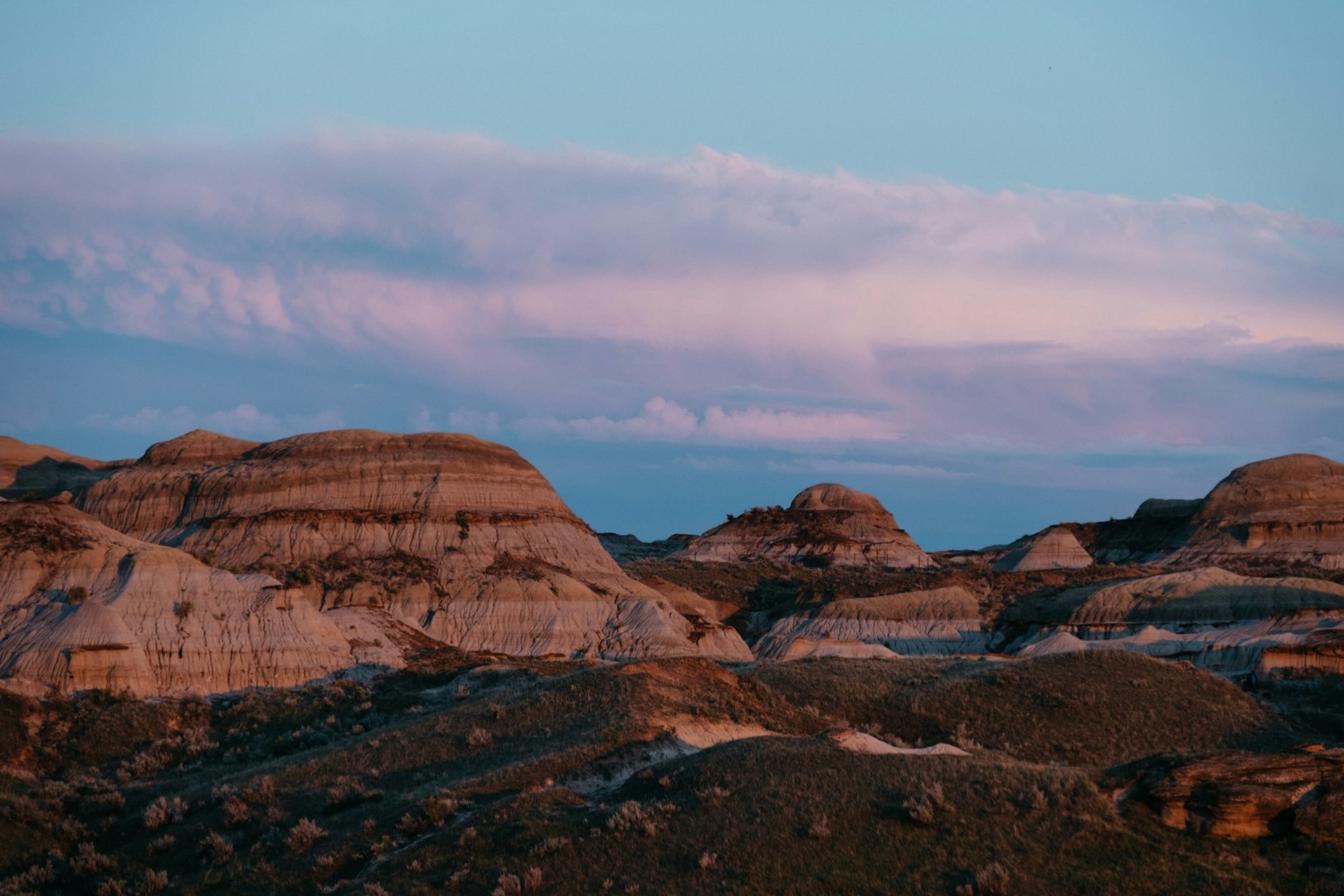
Dinosaur Provincial Park
Dinosaur Provincial Park lies in the badlands of southeastern Alberta, along the Red Deer River. The park is recognized as a UNESCO World Heritage Site for both its geological landscape and its exceptional fossil record. Its dry valleys, eroded cliffs, hoodoos, and exposed rock layers reveal sediments from the Late Cretaceous period, when the region supported a very different ecosystem.
