
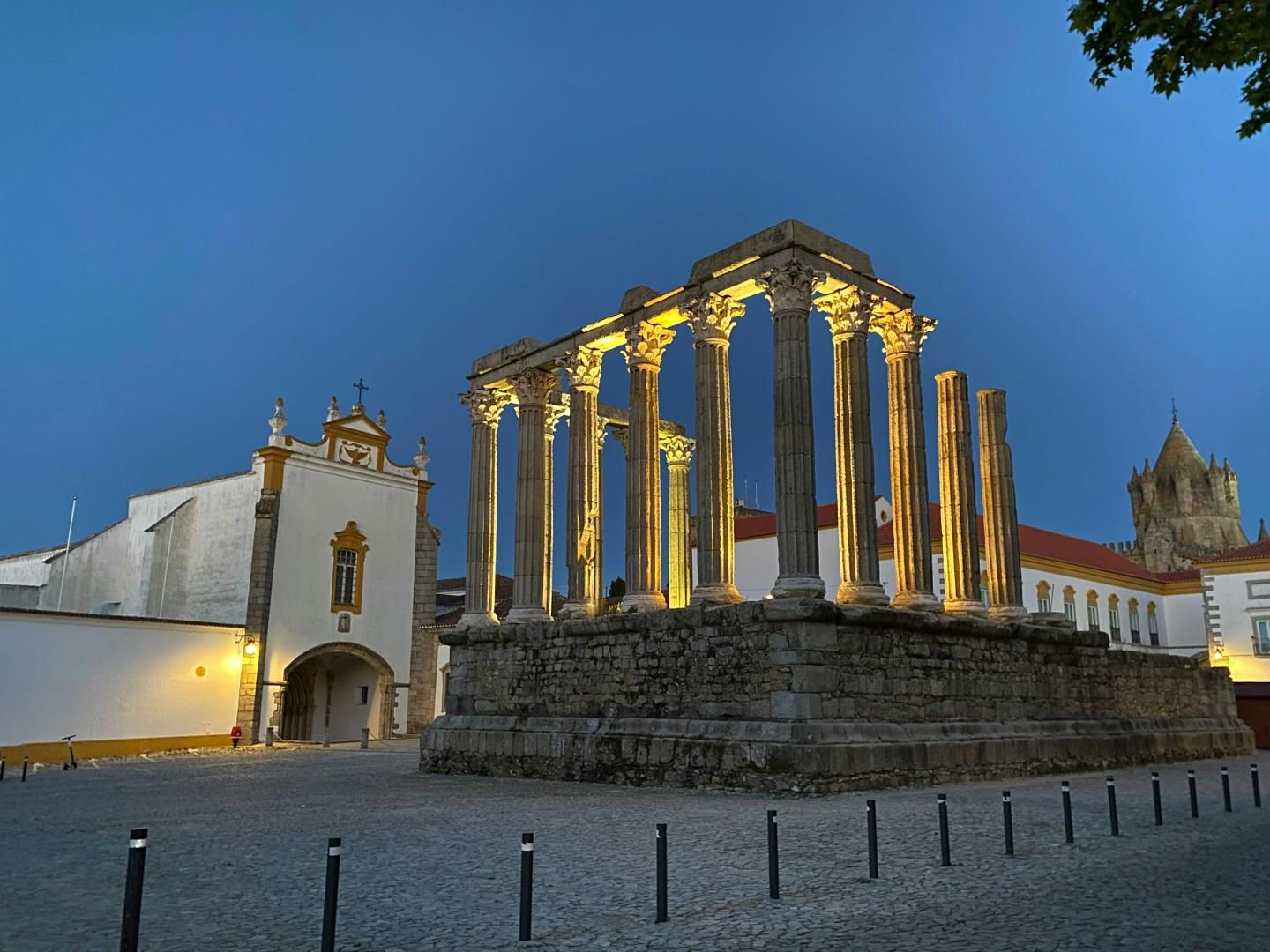
Evora
Évora, in Portugal’s Alentejo region, feels like stepping into a story that spans more than two thousand years. Its Historic Centre was named a UNESCO World Heritage Site for good reason with its ancient walls, homes with wrought-iron balconies, and narrow streets quietly preserve traces of Roman, Moorish, and medieval life. Beyond architecture and monuments, Évora reveals lesser-known treasures that reward exploration.

Dominica
Dominica, known as the “Nature Island of the Caribbean,” is a haven for eco-tourists and adventure seekers. Nestled between the French islands of Guadeloupe and Martinique, this lush island boasts a remarkable landscape of volcanic mountains, dense rainforests, and stunning waterfalls. Dominica’s most iconic natural wonder is the Boiling Lake, the second-largest hot spring in the world.
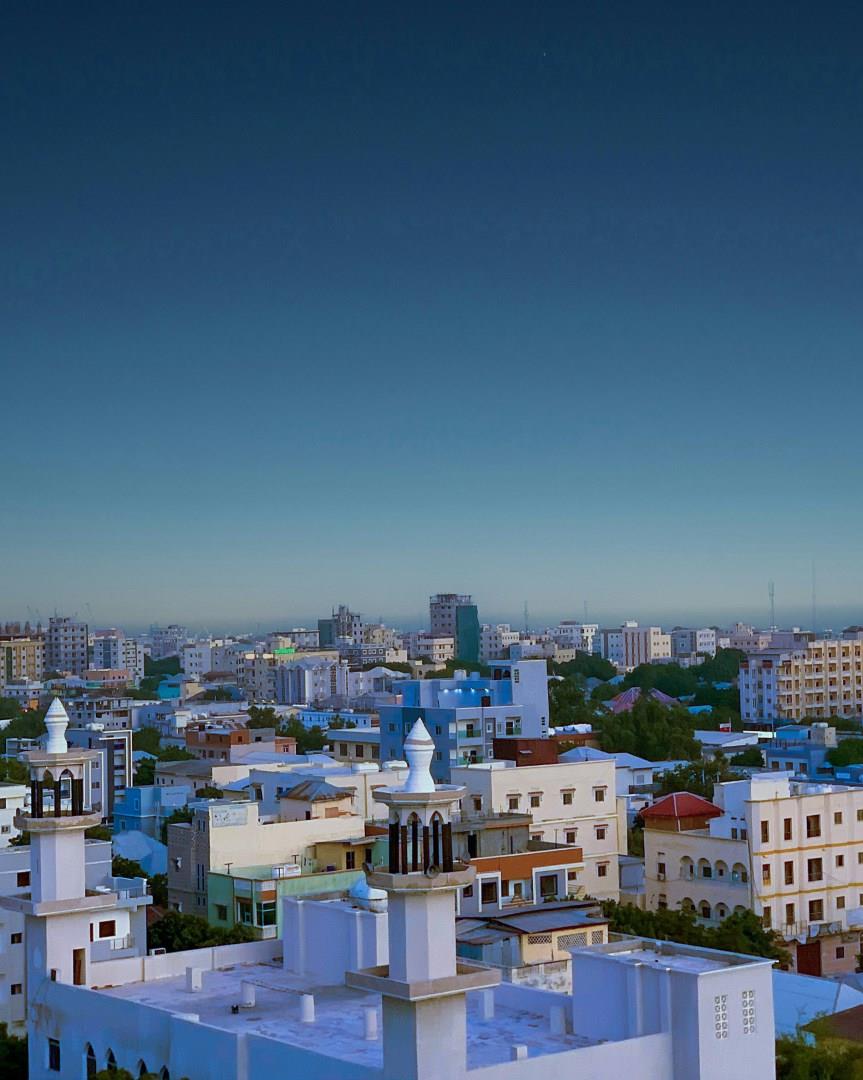
Mogadishu
Mogadishu, the capital of Somalia, is a city with a story that spans more than a thousand years. Its coastal setting has long shaped its character, blending African, Arab, and Persian influences that can still be seen in its culture and architecture today.
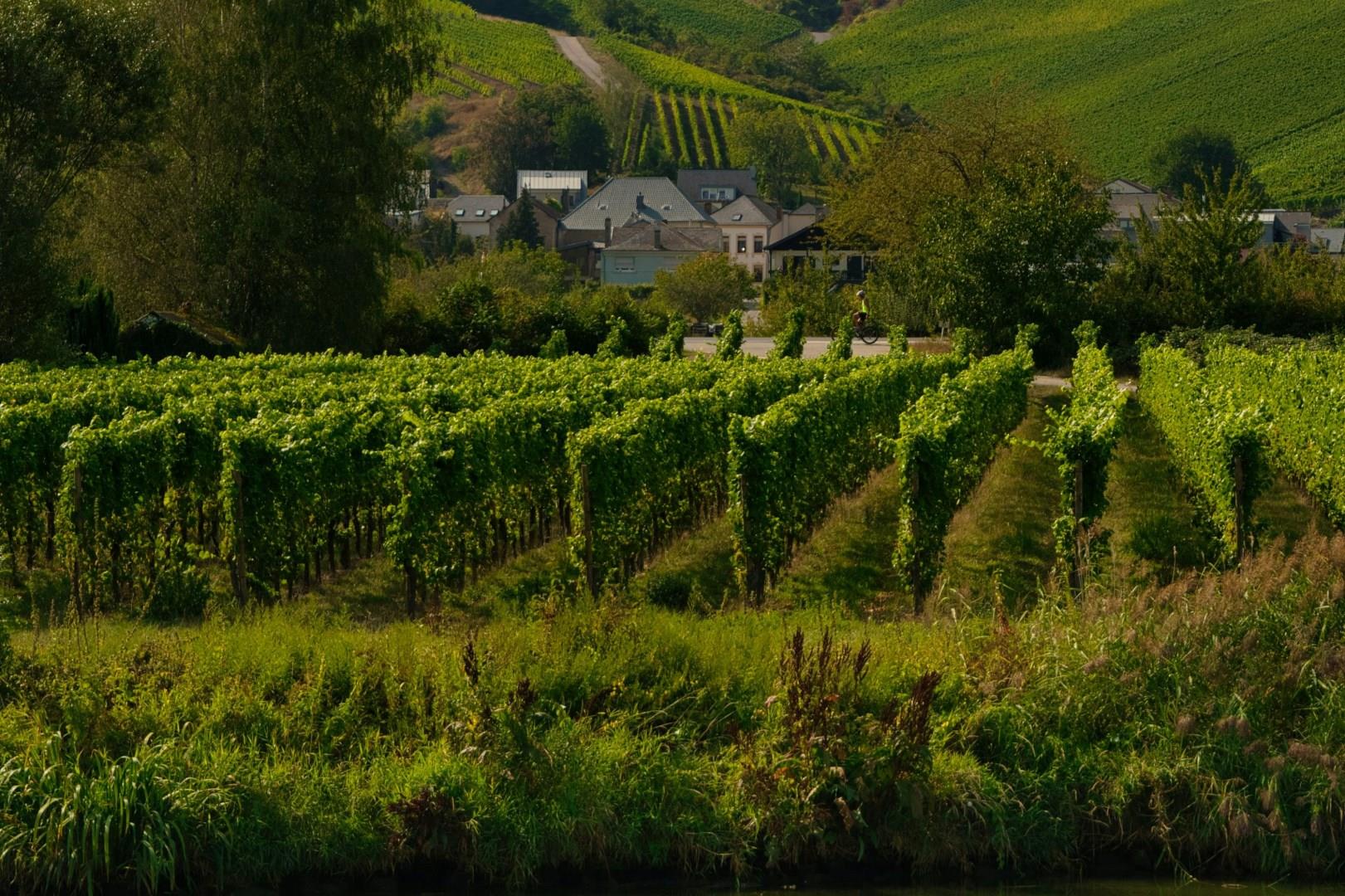
Remich
Remich, often referred to as the “Pearl of the Moselle,” is a captivating town nestled along the Moselle River in Luxembourg. This riverside gem is known for its historic vineyards that have shaped the region’s culture for centuries. Visitors can stroll along the river promenade, enjoying views of the gently flowing water framed by rolling hills covered in vineyards that produce some of Luxembourg’s finest wines.

Africa
Across Africa, countless treasures wait to be discovered with the continent's unique diversity offering a wealth of experiences for all types of travelers. One of the most captivating regions is East Africa, home to Kenya, Tanzania, Uganda, and Rwanda—countries that serve as gateways to Africa’s most iconic wildlife and landscapes.
