

Panama Canal
An essential passageway between the Atlantic and Pacific Oceans, the Panama Canal is an extraordinary technological landmark and a testament to human innovation. Built in the early twentieth century by American engineers, the canal weaves through the Panamanian isthmus and allows easy access for commercial freighters and cruise ships alike.

Belgium
Belgium may be compact, but it offers a surprising variety of experiences shaped by centuries of shifting borders, artistic innovation, and culinary tradition. In Brussels, the Grand Place sets the stage for history and architecture in one square lined with ornate guild halls. The city is also home to the European Union’s headquarters, surrealist painter René Magritte’s former house, and a lively comic book trail that winds through murals of Tintin and other Belgian icons.

Stavanger
The Port of Stavanger is a popular stop on the route to the Norwegian Fjords, and boasts a first-rate assortment of museums and cultural events. Old Stavanger has Europe’s best preserved wooden house settlement.
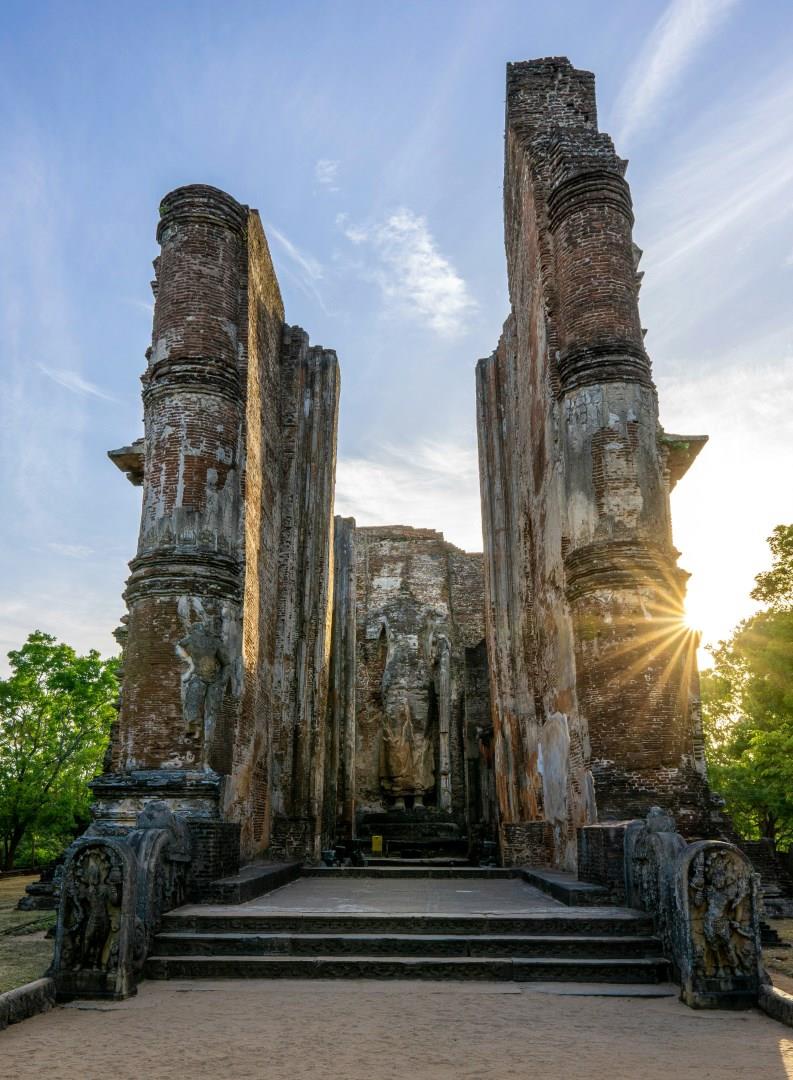
Polonnaruwa
Polonnaruwa, located in Sri Lanka’s North Central Province, served as the island’s capital nearly a thousand years ago. Today, it offers one of the most extensive and well-preserved archaeological sites in South Asia. Visitors can walk among the ruins of royal palaces, Buddhist monasteries, and intricately carved stone temples. One of the highlights of Polonnaruwa is the Gal Vihara, a group of colossal Buddha statues carved directly into granite.
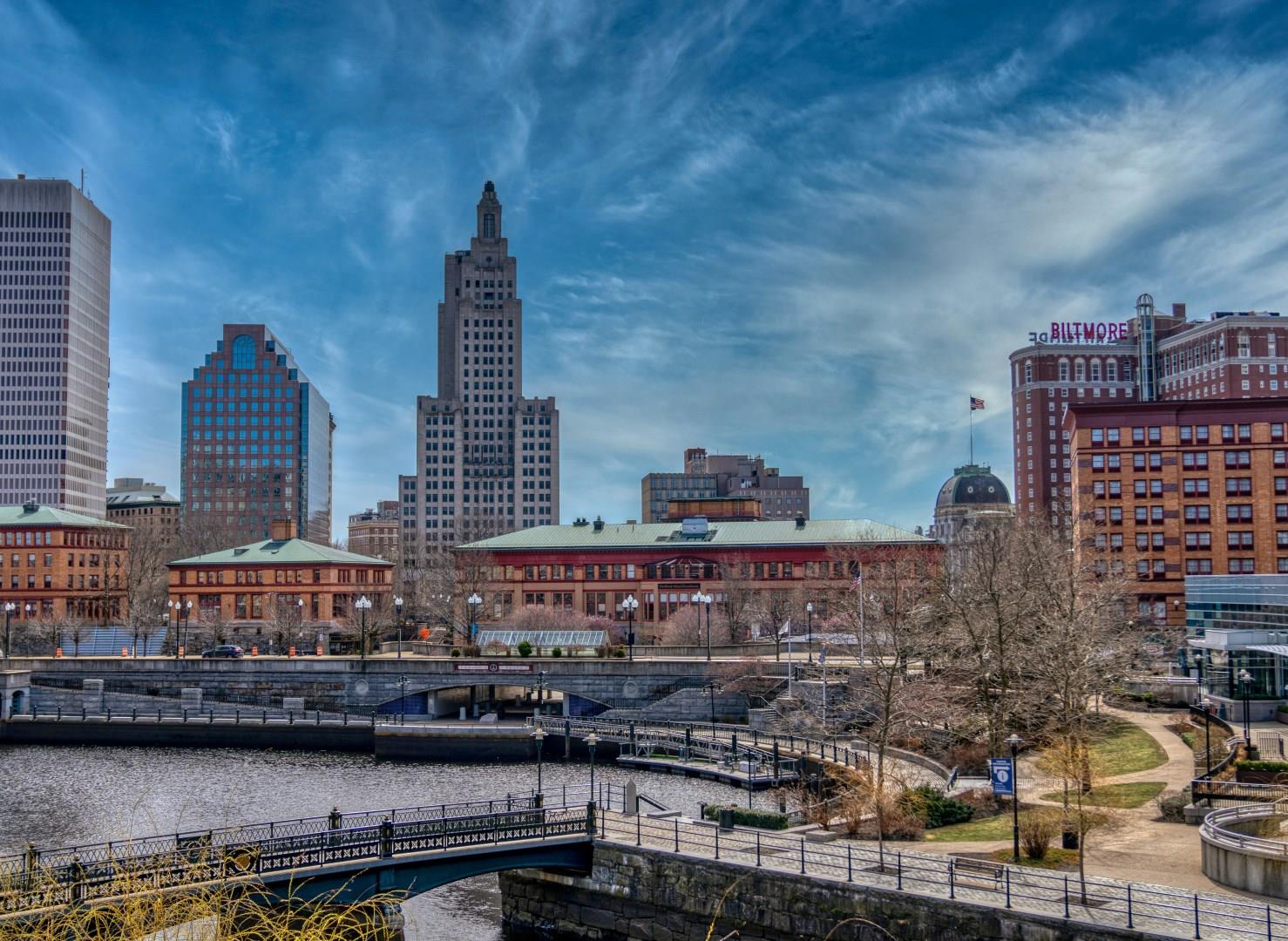
Providence
Providence, Rhode Island blends deep colonial roots with a strong creative pulse. Founded in 1636 by Roger Williams, the city became known for its dedication to religious freedom and independent thought. Walking along Benefit Street, visitors pass rows of 18th- and 19th-century homes, many of which are impeccably preserved and marked with historical plaques. The Rhode Island State House, with one of the world’s largest self-supported marble domes, towers over the downtown area and offers public
