
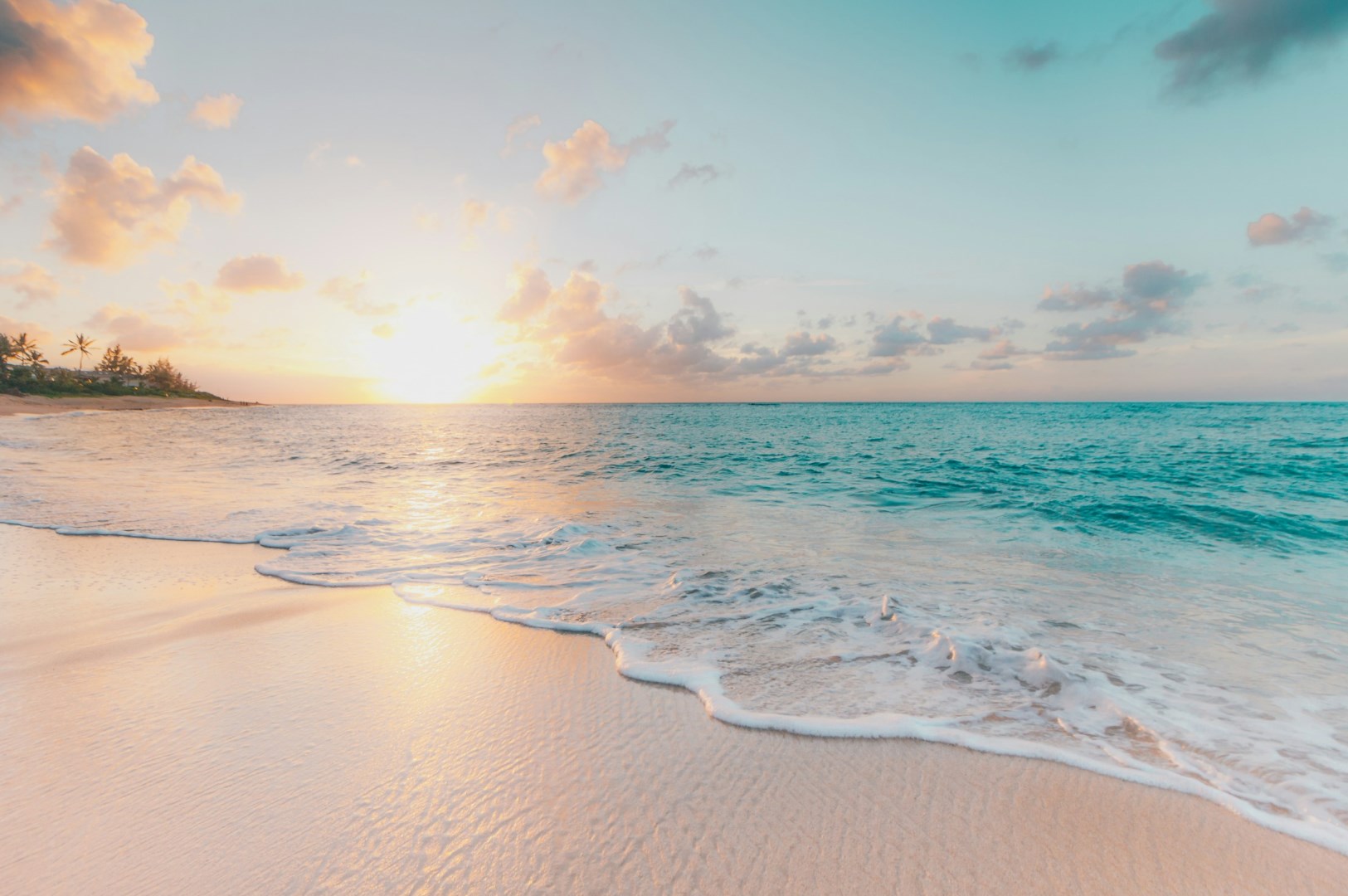
Waialua, Oahu
Waialua is a small rural community on the North Shore of Oʻahu, Hawaiʻi, situated between the Pacific Ocean and the agricultural lands of the island’s northern interior. The area is known for its open fields, coastal scenery, and connection to farming rather than the resort development found elsewhere on Oʻahu. Waialua sits near the Anahulu River and is close to Haleʻiwa, making it a useful base for exploring the North Shore. Its landscape combines beaches, farmland, lowland forests, and views t
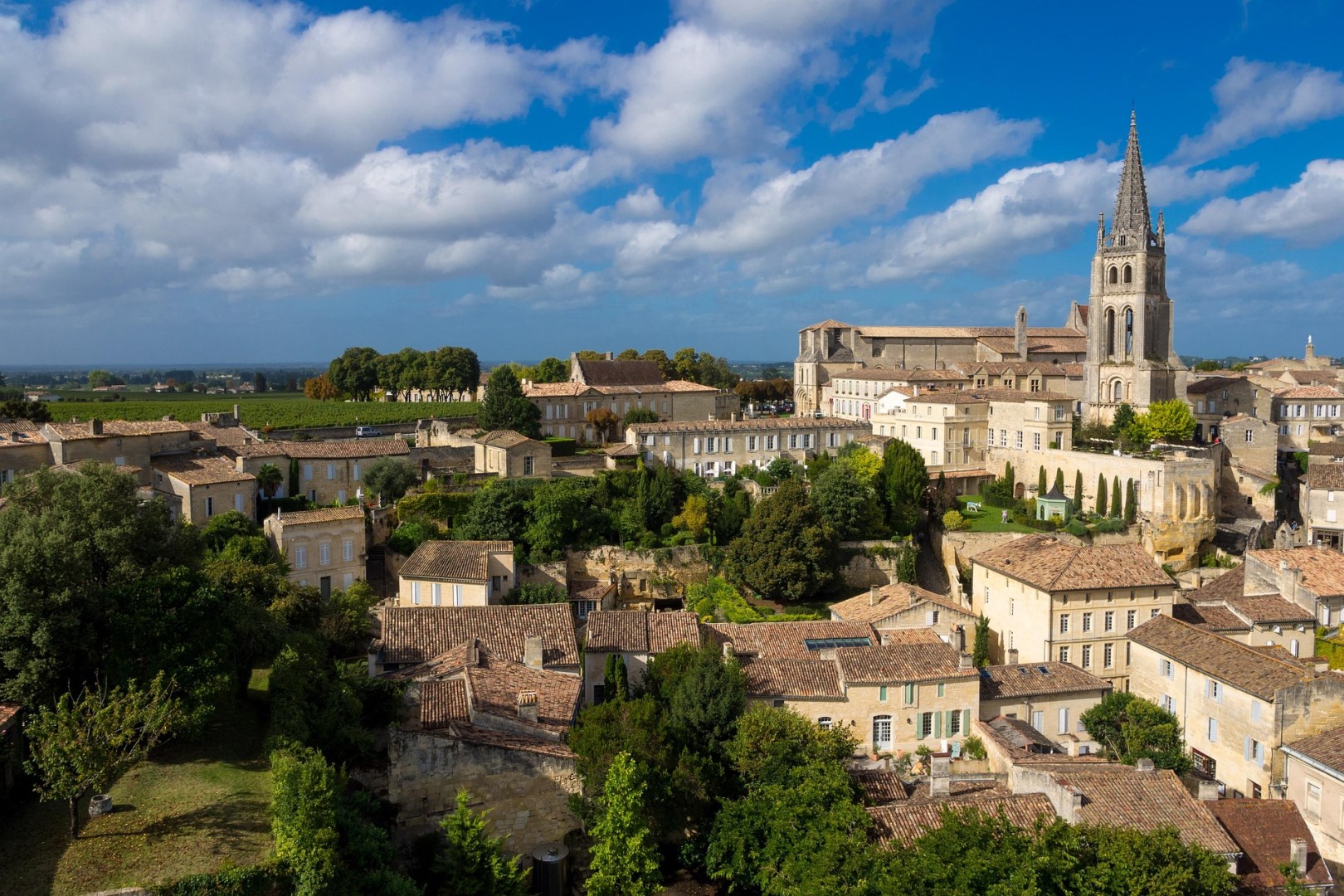
Saint-Émilion
Saint-Émilion, nestled in the heart of southwest France, is a living monument to centuries of craftsmanship, faith, and wine-making. Recognized as a UNESCO World Heritage Site since 1999, this medieval town sits on a limestone plateau surrounded by vineyards that date back to Roman times. Visitors can explore cobbled streets that wind past centuries-old stone houses, descend into underground catacombs carved by monks, and visit the astonishing Monolithic Church.
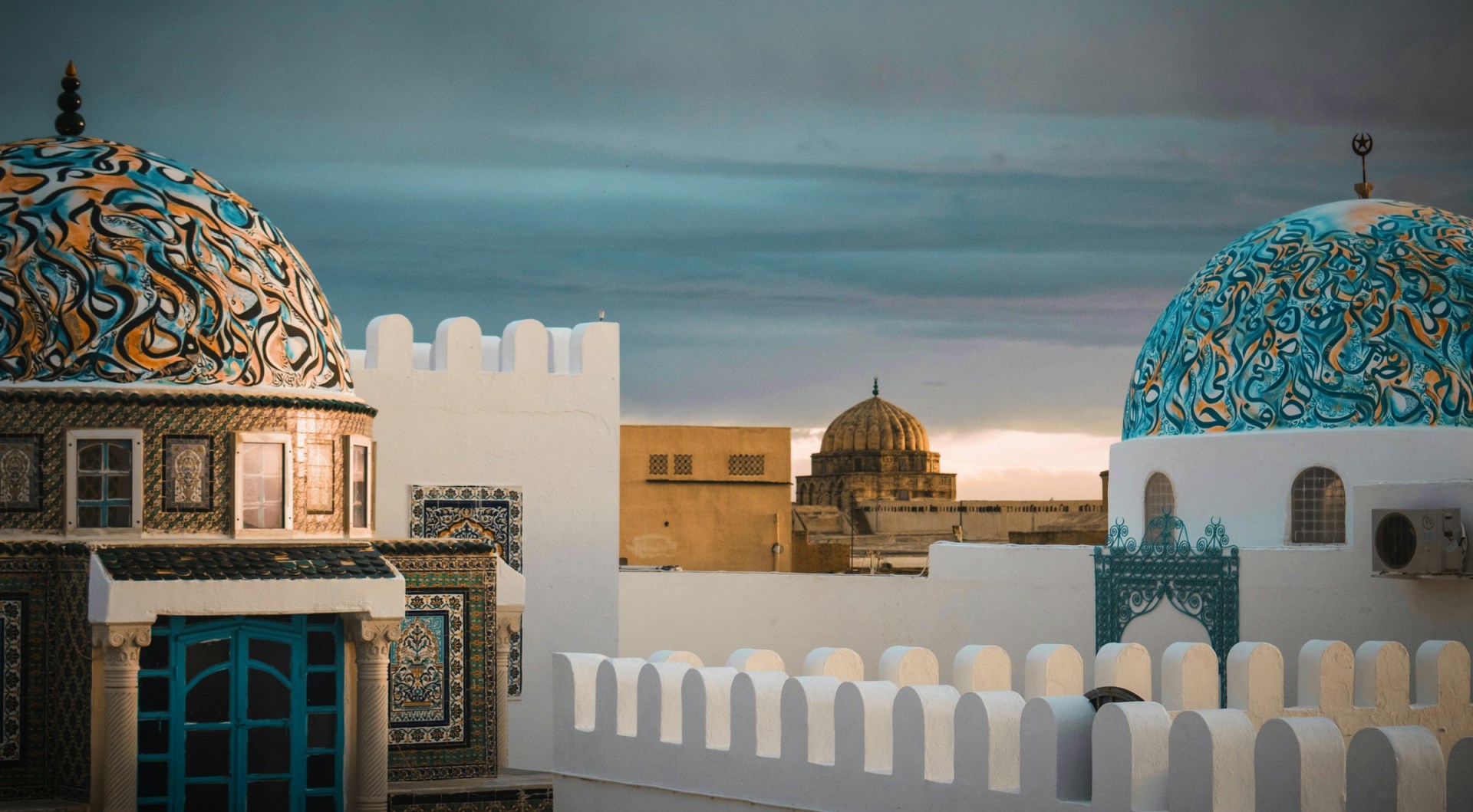
Kairouan
Kairouan is a historic city in central Tunisia, set on a broad plain away from the Mediterranean coast. It is one of the principal holy cities of the Islamic world and is recognized for its exceptionally preserved medina, religious monuments, and traditional urban design. The city’s whitewashed buildings, domes, narrow lanes, and surrounding walls create a distinctive landscape.

Easter Island
Easter Island, or Rapa Nui, is a remote gem in the southeastern Pacific Ocean that promises an extraordinary journey into the mysteries of Polynesian culture and history. Famous for its monumental stone statues known as moai, Easter Island captivates visitors with its enigmatic past. These colossal statues, crafted between 1400 and 1650 AD, are scattered across the island and are a testament to the islanders' sophisticated artistry and social organization.
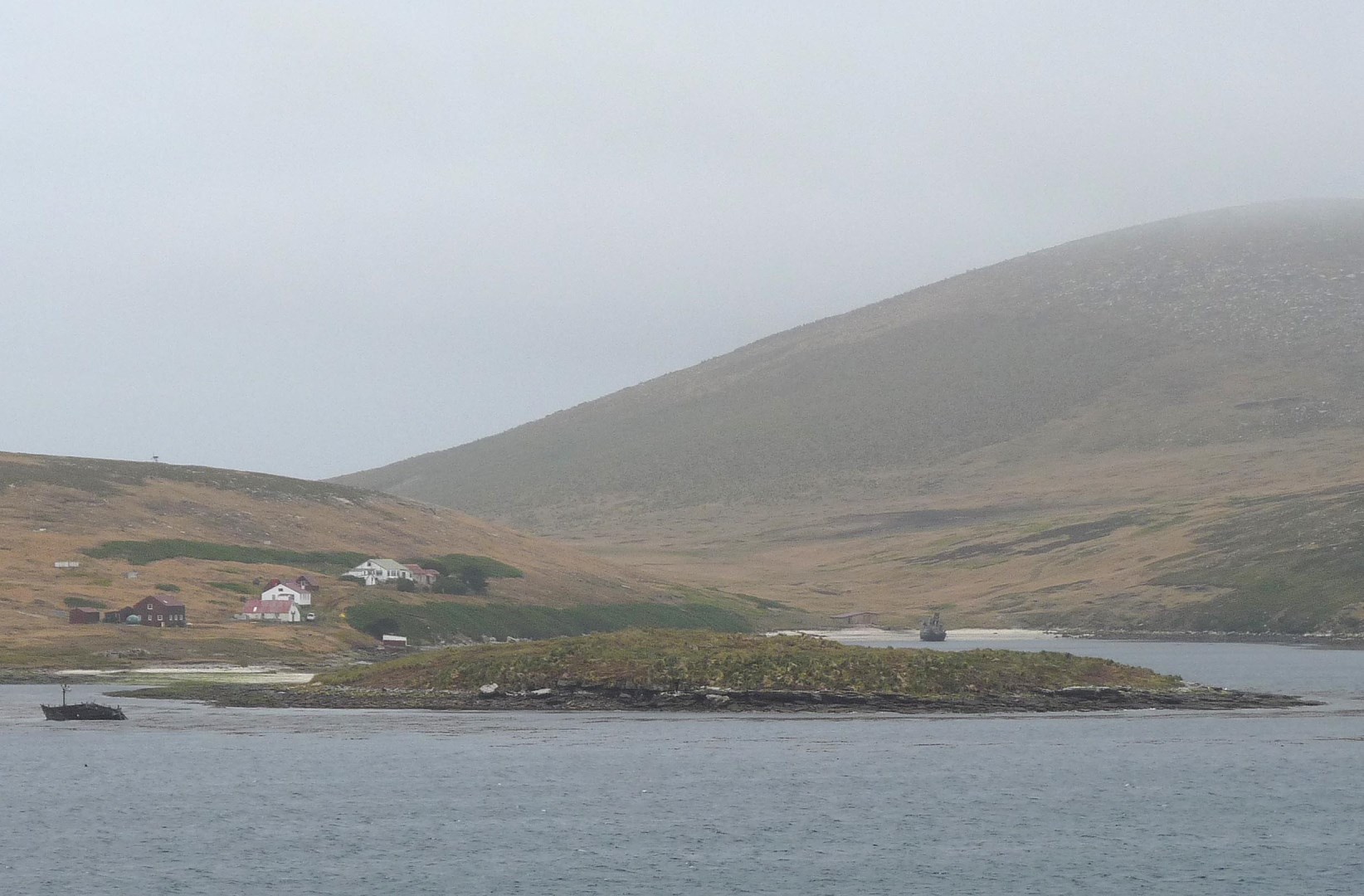
New Island
The Falklands are a remote and beautiful group of islands with a temperate climate, warm and friendly people of British decent, unbelievably rich wildlife, colorful homes and gardens, and a unique way of life. There is a surprising variety of scenery with rolling moorlands, grassy plains dotted with lakes, mountains over 2000 feet high, and a magnificent coastline with wide white beaches and dramatic bluffs.
