
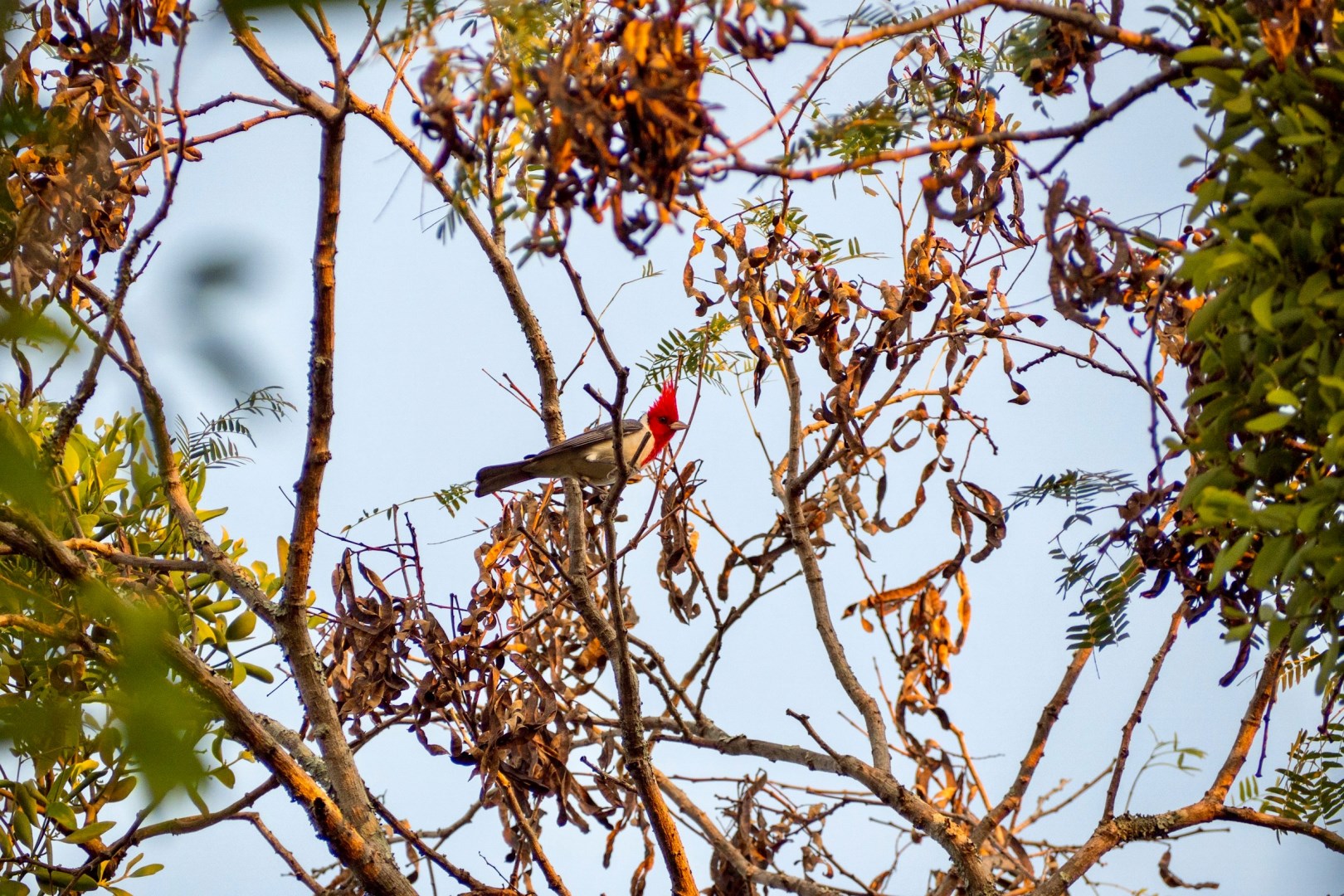
Paraguay
Paraguay is a country that moves to its own rhythm. Landlocked and often overlooked, it’s one of South America’s most culturally distinct destinations. With two official languages, Spanish and Guaraní, and a strong Indigenous heritage, Paraguay offers a travel experience shaped more by tradition than by trend. For travelers drawn to wild, open landscapes, Paraguay offers two distinct ecosystems: the lush, river-fed east and the remote, dry Chaco in the west.
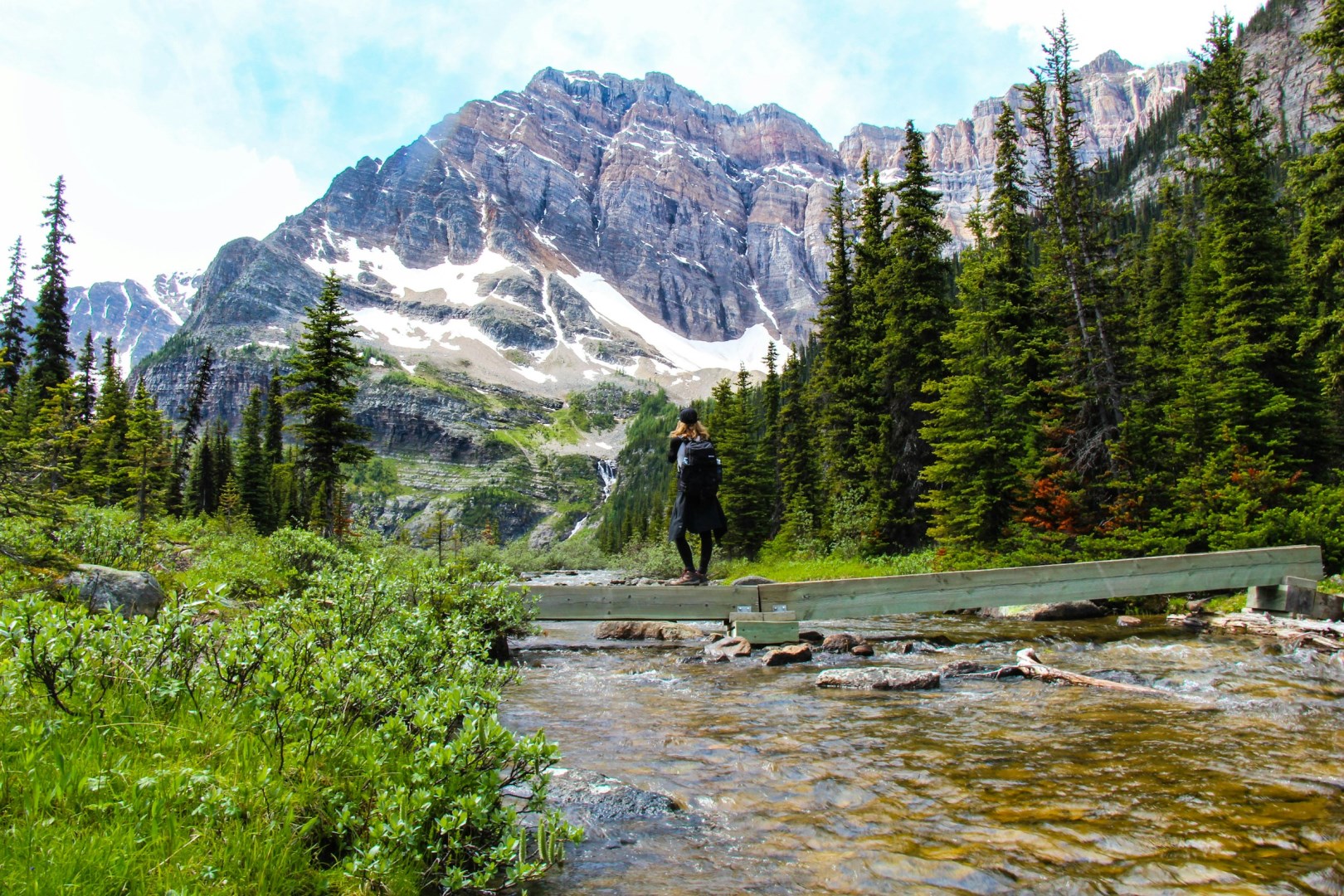
Kootenay National Park
Kootenay National Park occupies 1,406 square kilometres of the Canadian Rockies in southeastern British Columbia, extending from the Continental Divide toward the Columbia Valley. The park is known for its contrasts, with glaciers and alpine terrain giving way to dry grasslands, narrow canyons, and forested valleys. Highway 93 South crosses the park, providing access to many of its landscapes and viewpoints.
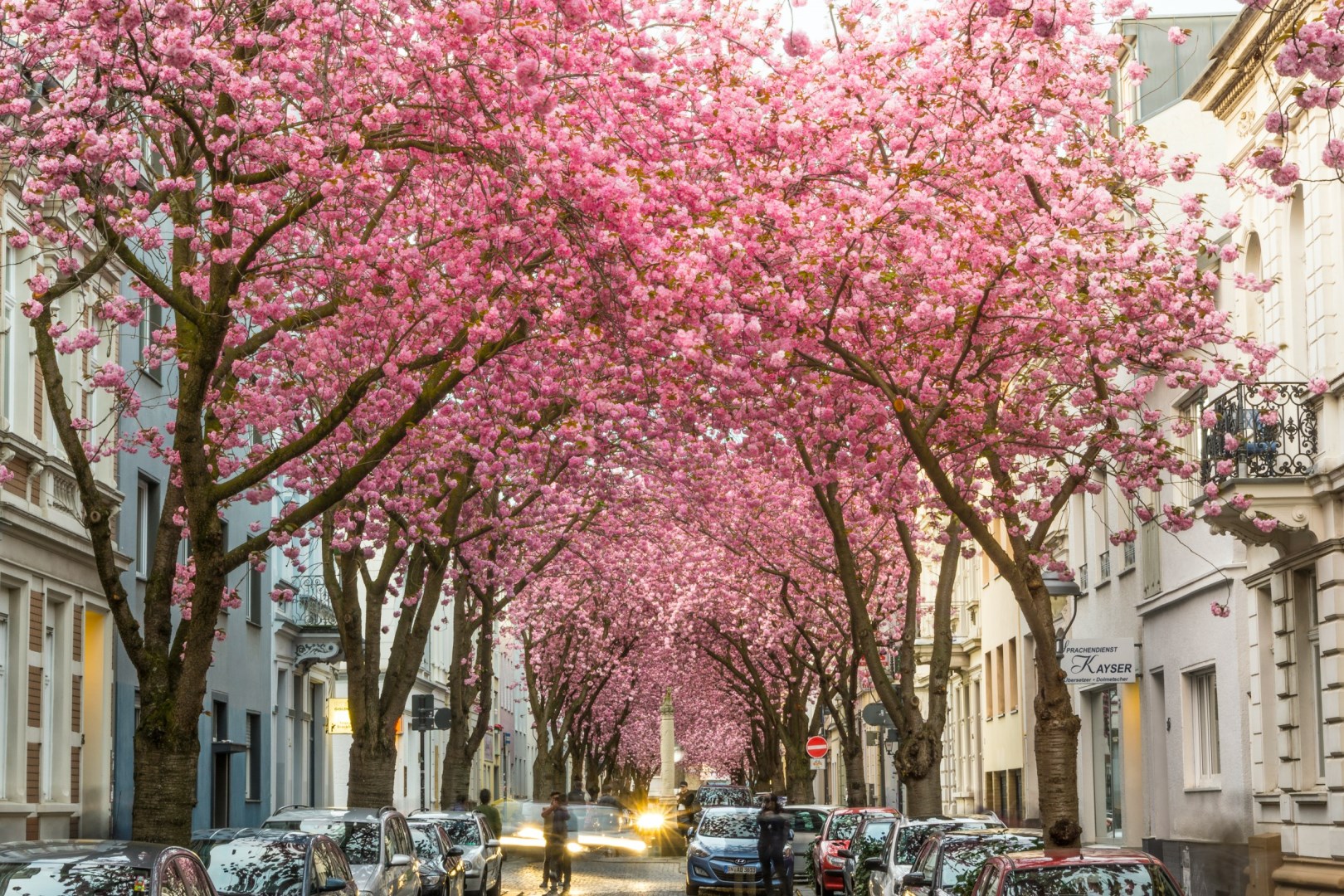
Bonn
Two thousand years have left their mark in Bonn, tracing its development from a Roman camp into the settlement known as "Villa Basilica," and on through the Baroque era's Electoral Palace, which today houses the University.

Manta
Located on Ecuador's central coast, Manta is a port city frequented by many South American cruises. Manta is known for its delectable seafood and variety of pleasant beaches.
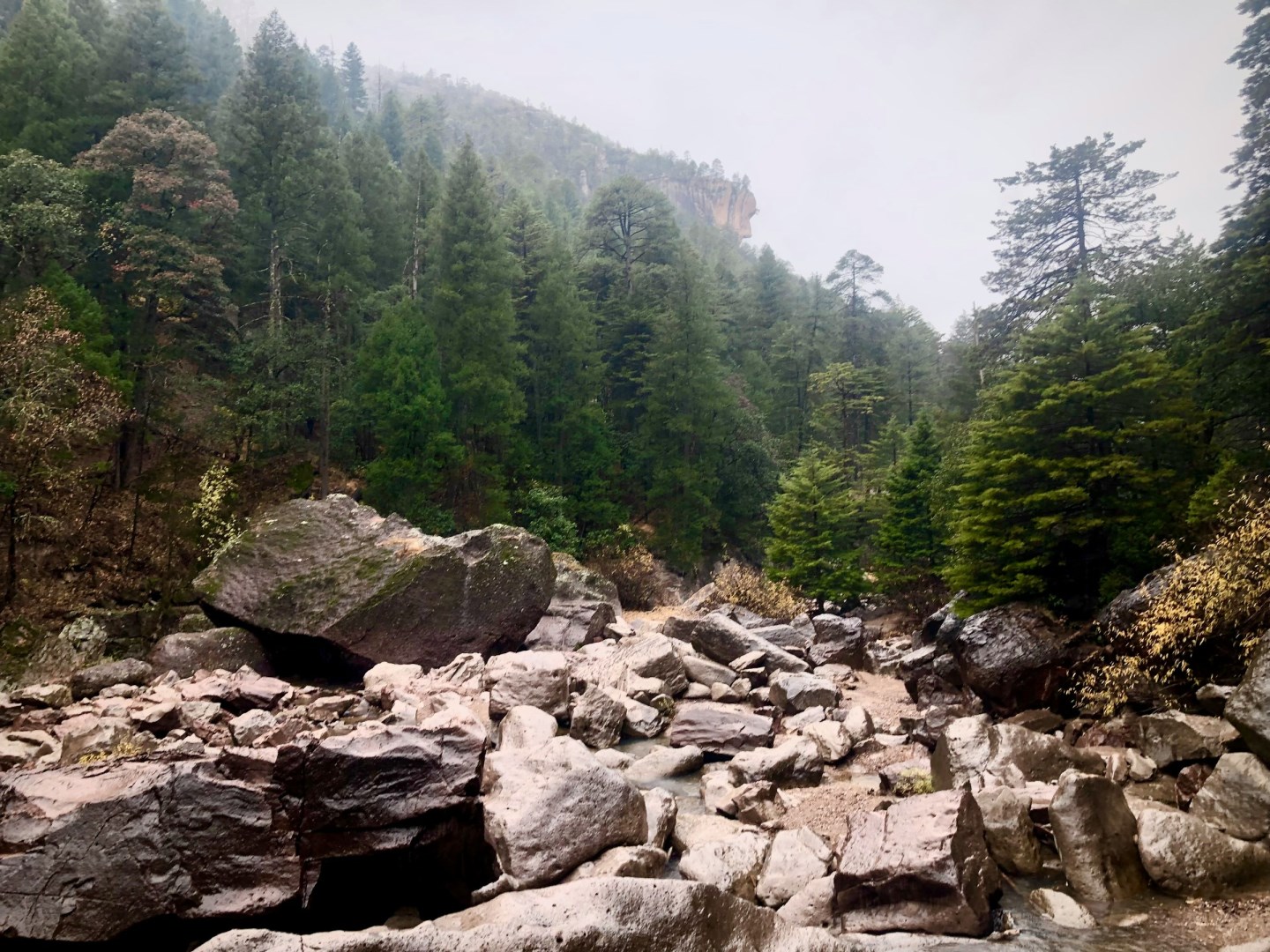
Copper Canyon
Copper Canyon is actually not a single canyon, but rather a series of more than 20 canyons running through the northern region of Mexico. The canyon covers over 20,000 square miles and is four times larger than the Grand Canyon in the United States.
