

Punakha
Punakha sits in one of Bhutan’s most fertile valleys, cradled where the Mo Chhu and Pho Chhu rivers meet. For centuries it served as the kingdom’s capital and remains a place rich with stories woven through its fields, temples, and riverbanks. The city’s low elevation brings warmer weather than much of Bhutan’s highland regions, and rice paddies fill the landscape with vivid green during planting and golden hues at harvest.
Borjomi
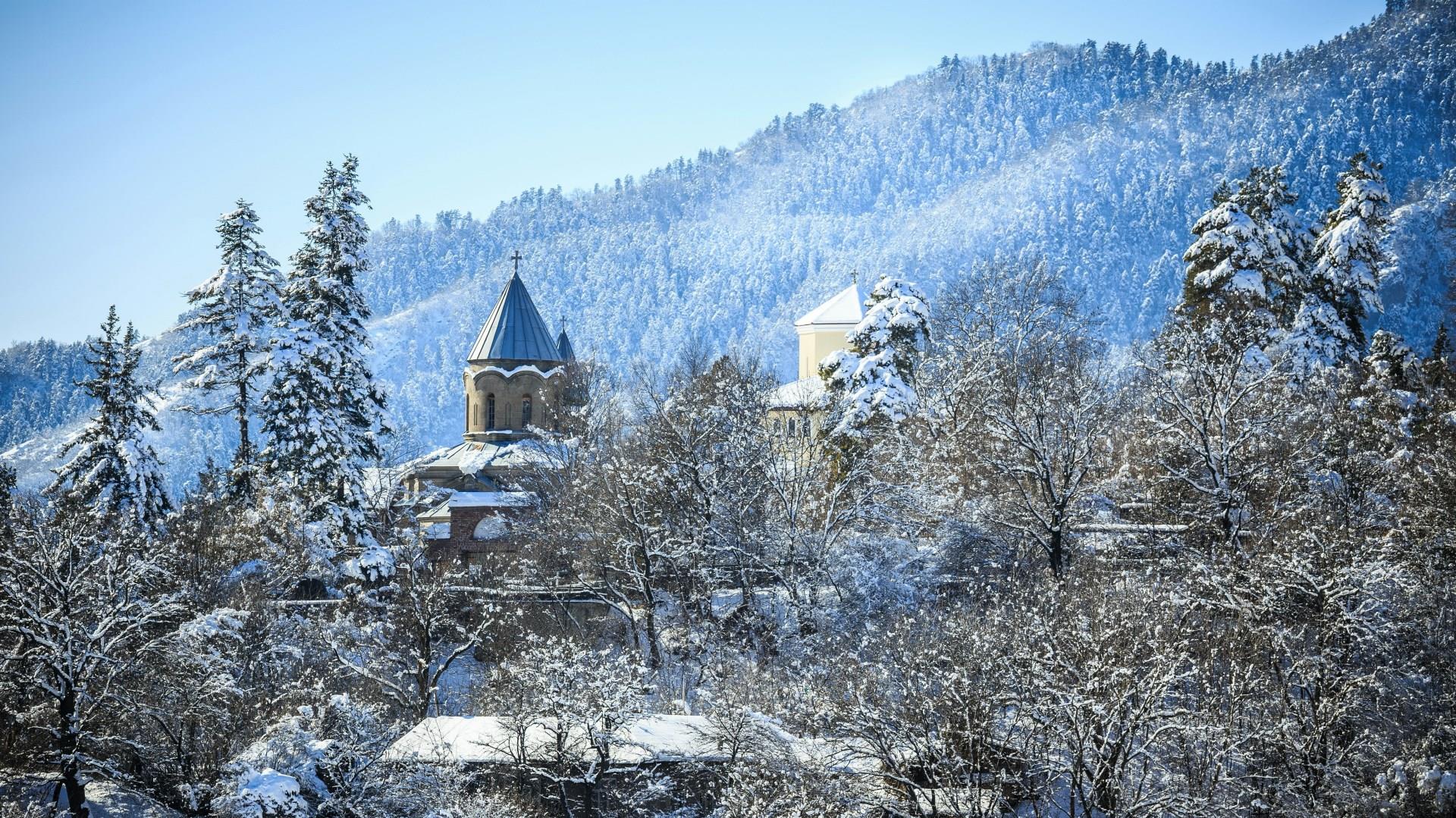
Borjomi sits high in the center of Georgia, in a long valley along the Borjomula River surrounded by forested mountains. For centuries its mineral springs have drawn people to the region, but it wasn’t until the 1800s that the water became known to the wider world when Russian officers stationed here shared its crisp, naturally fizzy taste and believed health-boosting properties with visitors.

Newfoundland
Newfoundland offers travelers a chance to immerse themselves in rugged natural beauty, rich history, and warm hospitality.
Paamiut
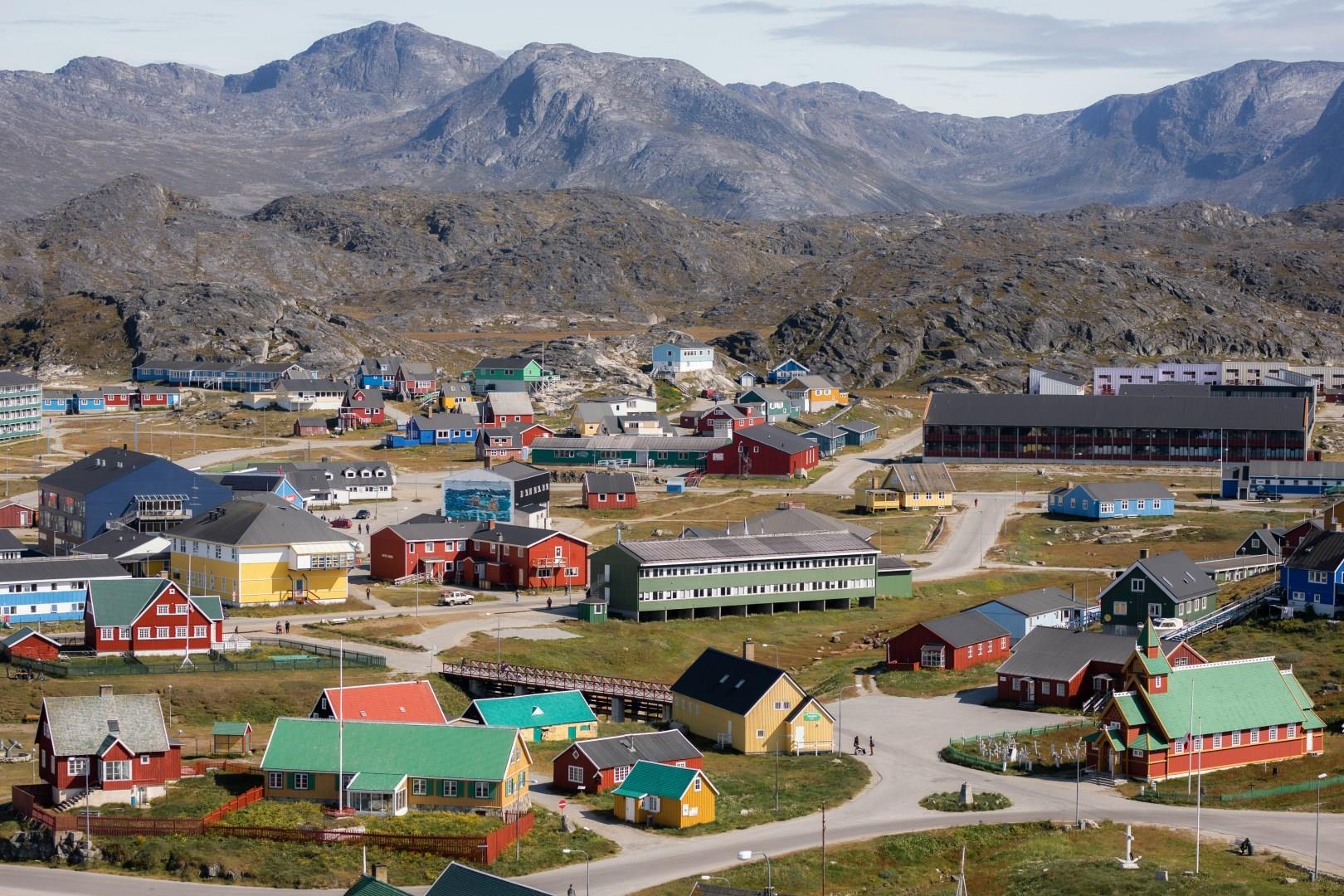
Paamiut lies on Greenland’s southwest coast, where the Labrador Sea meets a rocky, fjord-cut shoreline. Established in the 18th century as a Danish trading post and mission, the town developed around fishing and sealing, activities that continue to shape daily life.
Anglesey
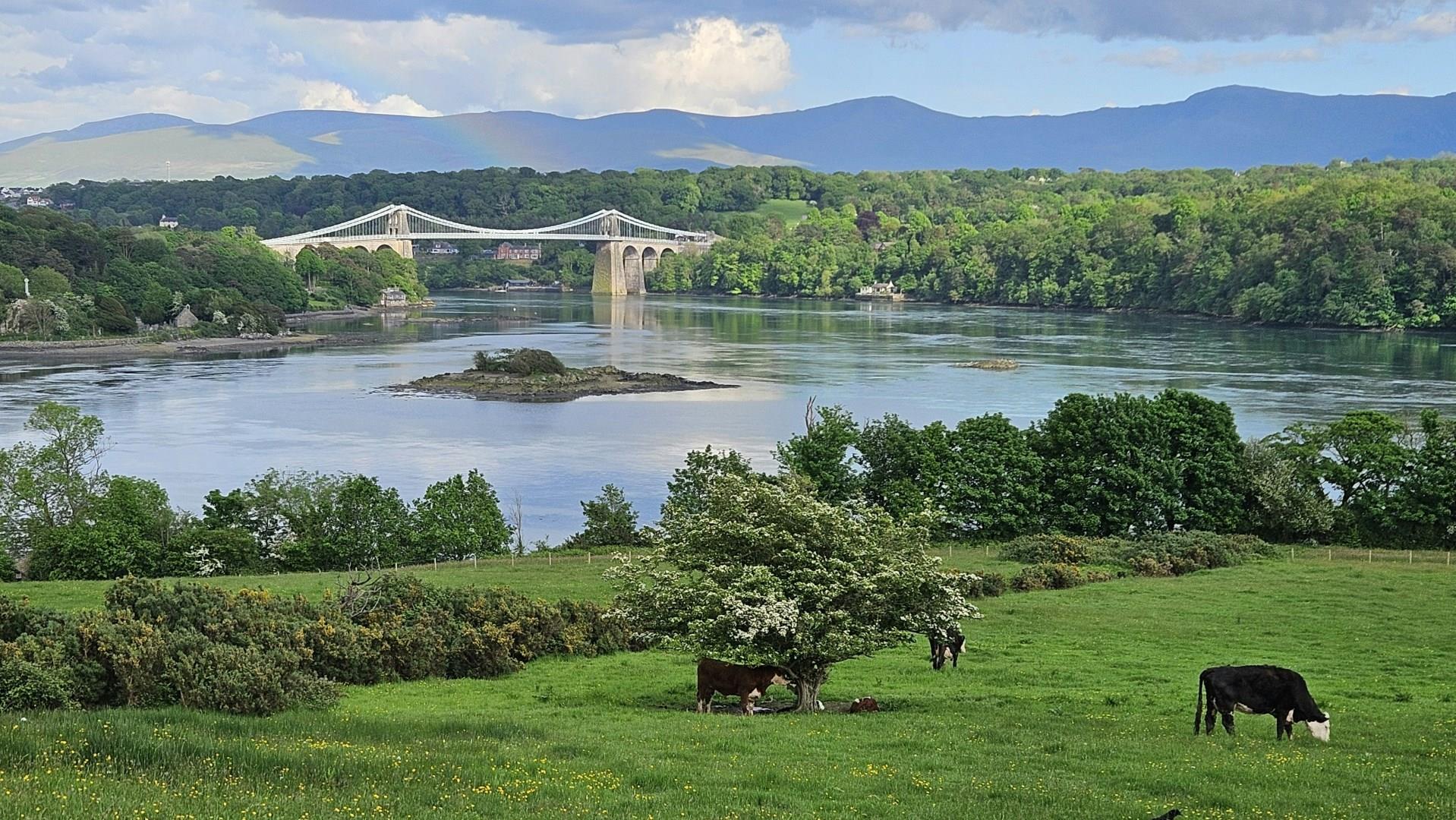
Anglesey is an island off the northwest coast of Wales with a history that stretches back thousands of years. Fertile lands and strategic coastal position made it an early center for agriculture, livestock, and maritime trade.
