

Granada
Granada, nestled at the foot of the Sierra Nevada mountains in southern Spain, is a city where history and culture converge in a mesmerizing blend. The jewel of Granada is the Alhambra, a stunning palace and fortress complex that dates back to the 13th century. This UNESCO World Heritage Site is a testament to the city's Moorish past, showcasing intricate Islamic art and architecture.

Haiti
Haiti offers visitors a unique glimpse into a proud and resilient heritage. Its vibrant art, music, and traditions make it a destination unlike any other in the Caribbean.
Quy Nhon
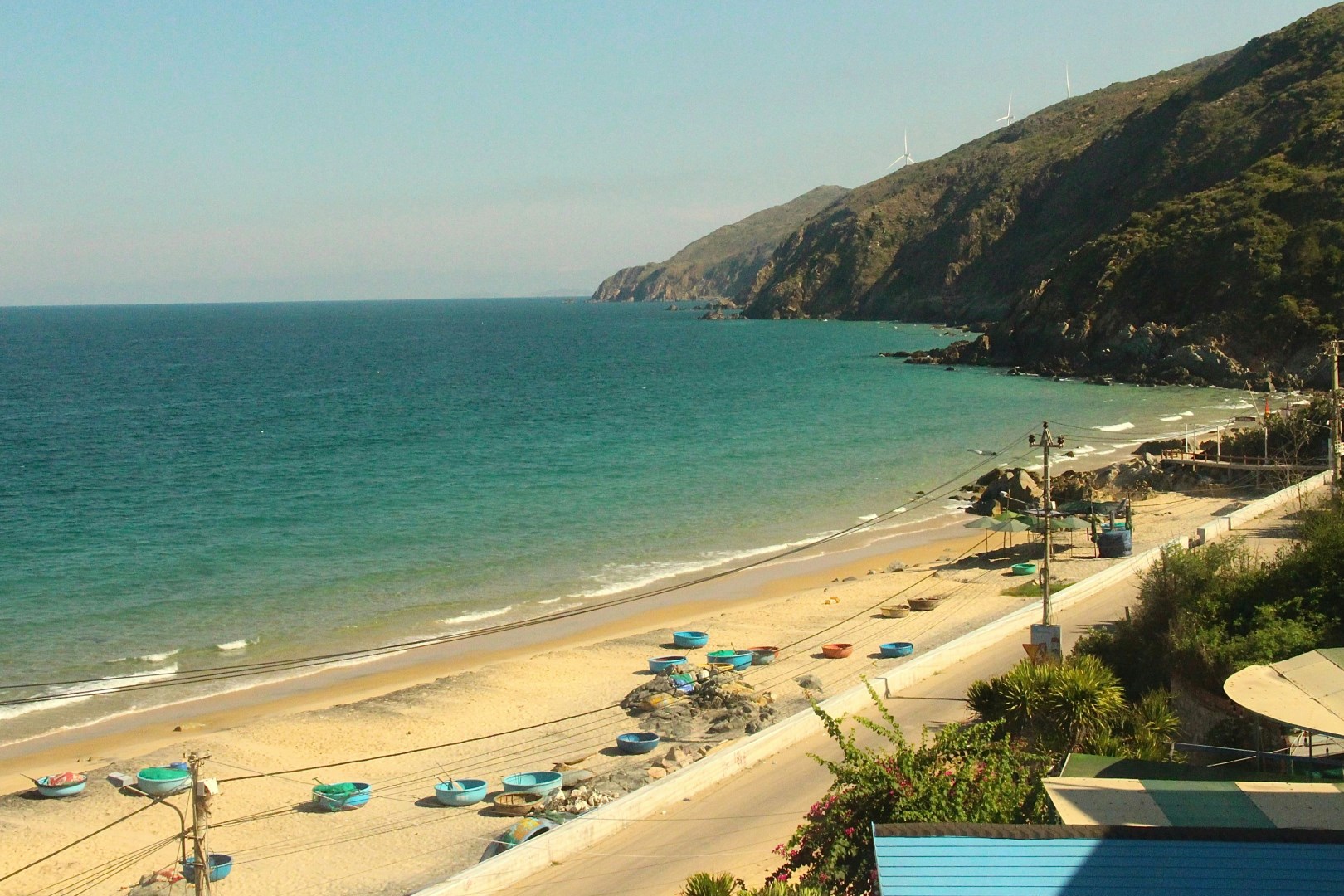
Quy Nhon is a coastal city in Bình Định Province on Vietnam’s south-central coast, facing the South China Sea. It is known for its long sandy shoreline, working fishing ports, and a quieter atmosphere compared to larger beach destinations.
Sagres
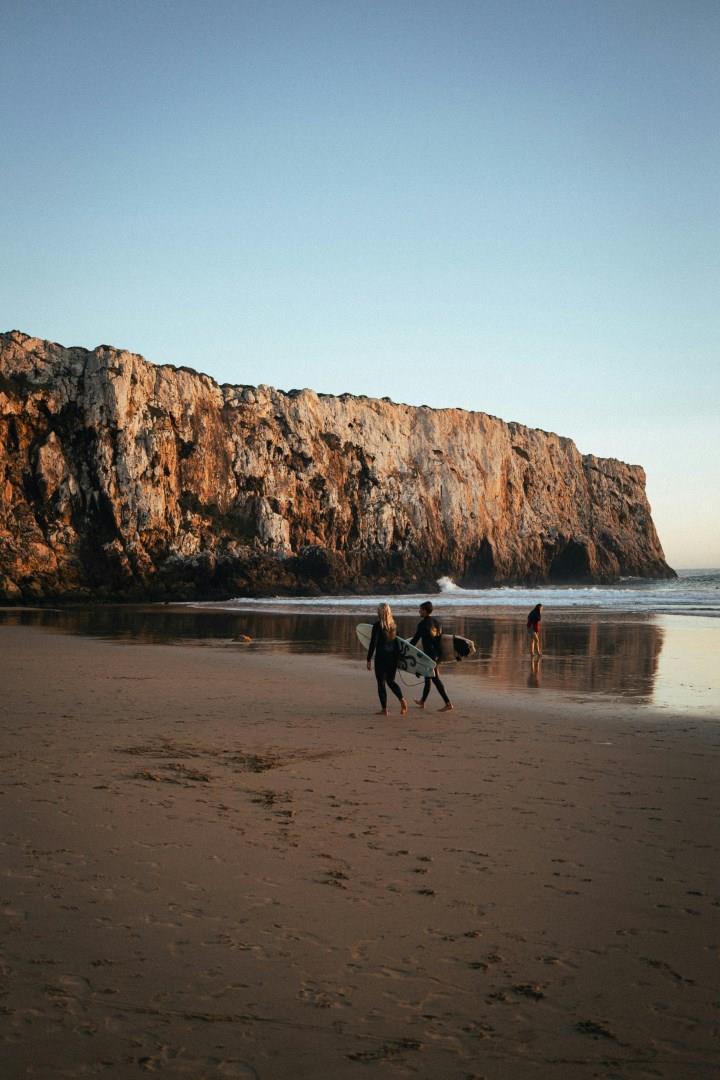
Sagres sits at the southwestern edge of continental Europe in Portugal’s Algarve region, where the Atlantic’s wide horizon meets rugged cliffs and open skies. For centuries this point was linked to maritime adventure and visitors can still feel that sense of discovery in the air. Here, people like Prince Henry the Navigator gathered cartographers, shipbuilders and astronomers in the 1400s to push beyond maps of the known world and shape the early Age of Discovery from Sagres’ dramatic headlands.
Florø
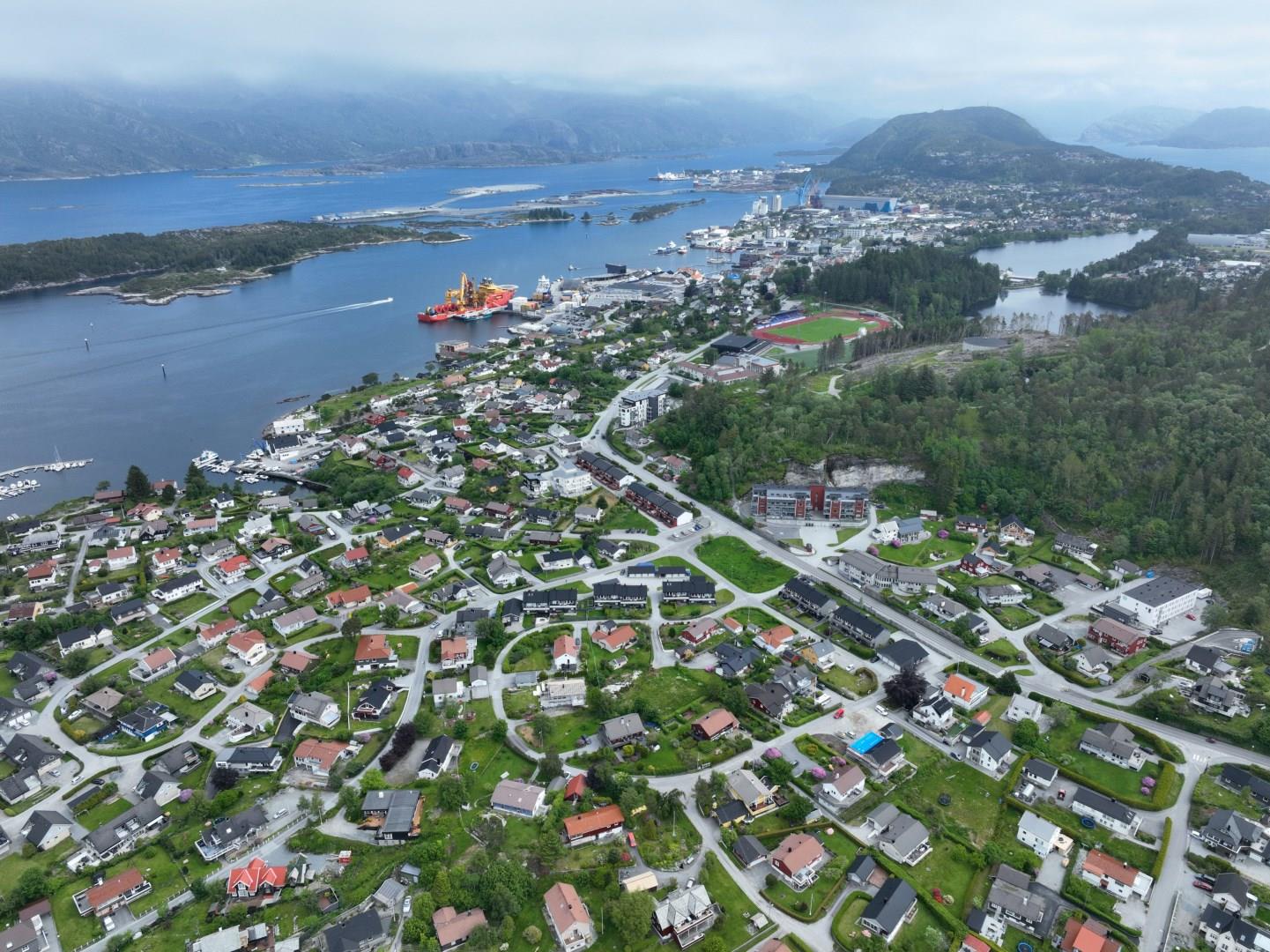
Florø, the westernmost town in Norway, sits right at the edge of the sea as a small, coastal town with deep maritime roots and front-row views of the North Atlantic. Established in 1860 as a herring fishing hub, Florø still carries the rhythm of the ocean in daily life. Though small in size, the town serves as a jumping-off point to explore the rugged coastline, scenic fjords, and a collection of islands that each have their own stories and scenery.
