
Luzon
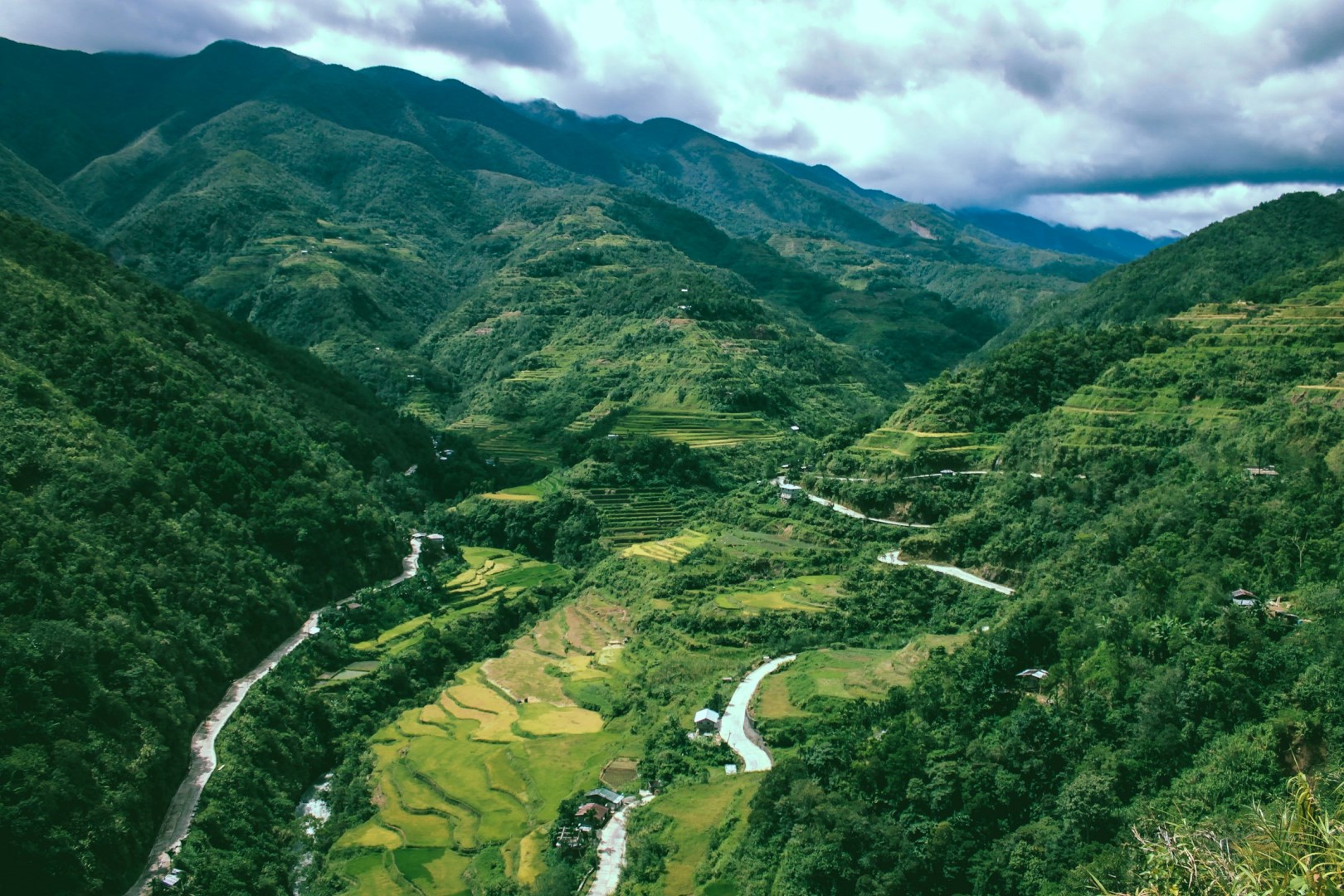
Luzon is the 15th largest island in the world, and the most populous island in the Philippines, home to 53 million people and the country’s capital, Manila. Luzon boasts a unique and eye-catching topography, with a variety of terrains and distinct geographical features. The north’s flat coastline and tropical pine forests meet at the site of Mount Pulag, Luzon’s tallest mountain peak.
Dushanbe
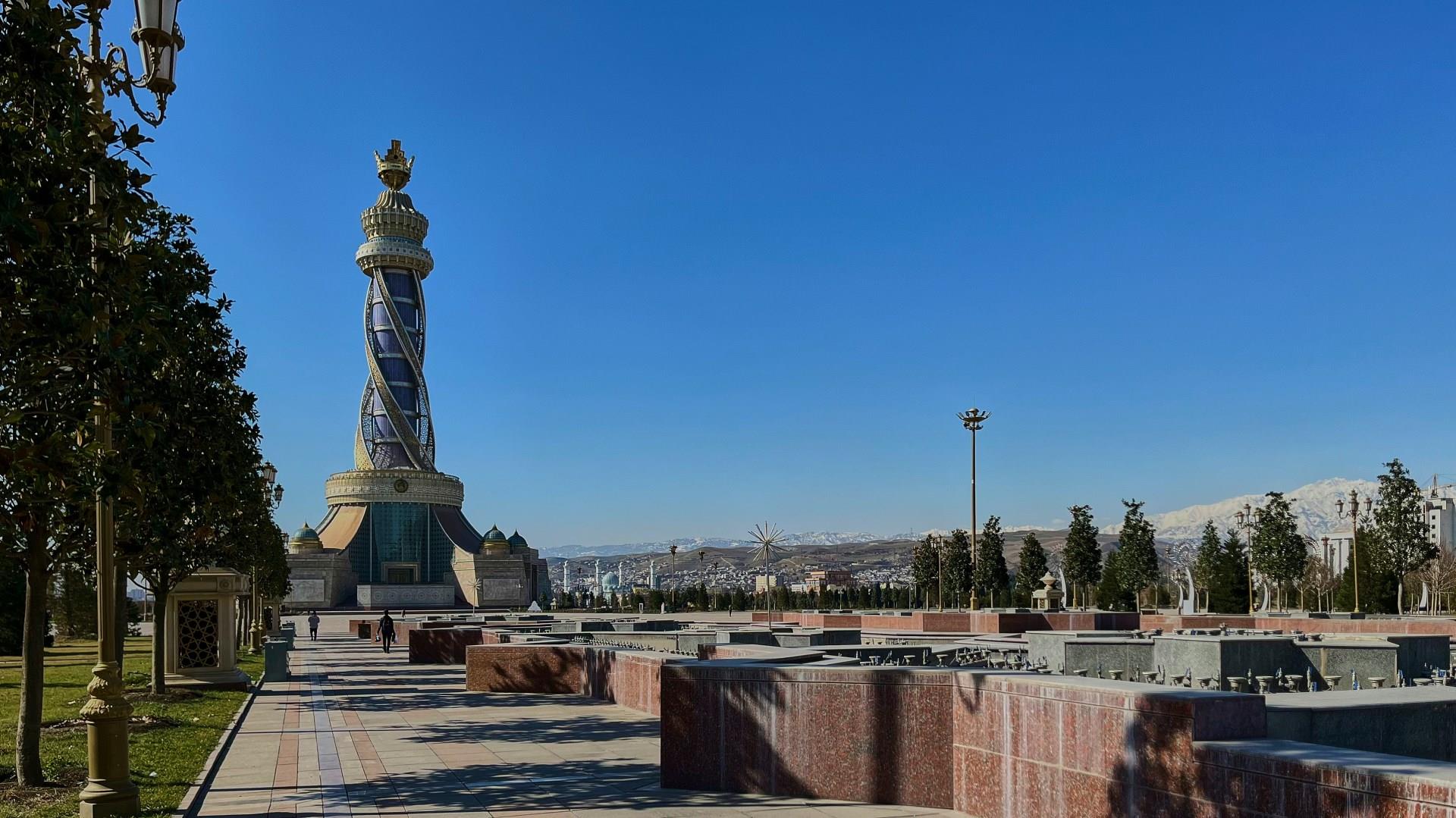
Dushanbe, the capital of Tajikistan, blends Soviet-era architecture with traditional Central Asian culture. The city is known for landmarks such as the National Library, Rudaki Park, and the striking Flagpole Square, which reflect both civic pride and the country’s heritage
Roses
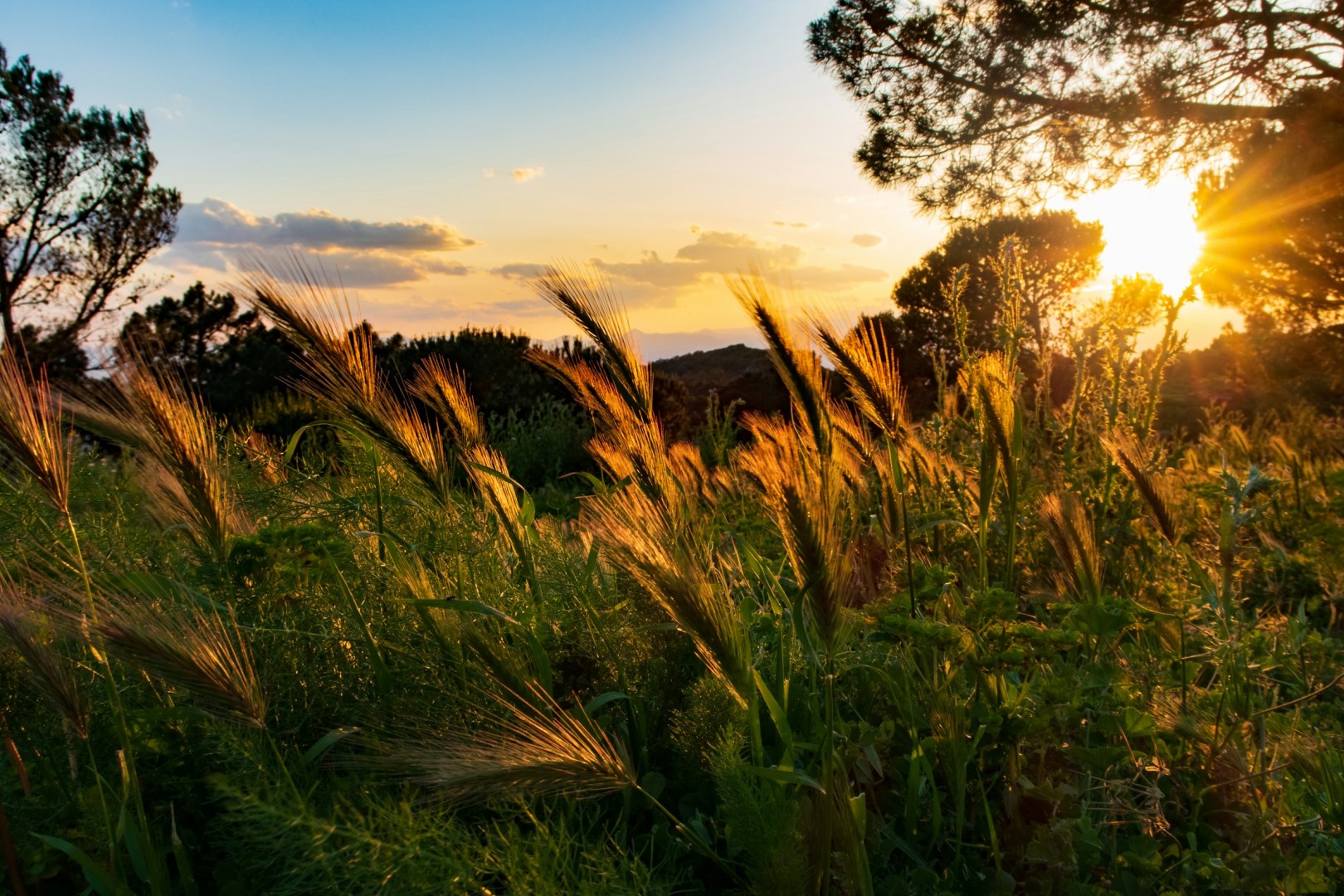
Roses is a coastal town in Catalonia’s Alt Empordà, positioned at the eastern edge of the Iberian Peninsula where the Pyrenees meet the Mediterranean. Its broad bay opens toward the Cap de Creus peninsula, giving the town a landscape of beaches, rocky headlands, and low coastal hills. Roses has a strong maritime identity, with a fishing port operating alongside a marina and a long seafront promenade.
Kgalagadi Transfrontier Park
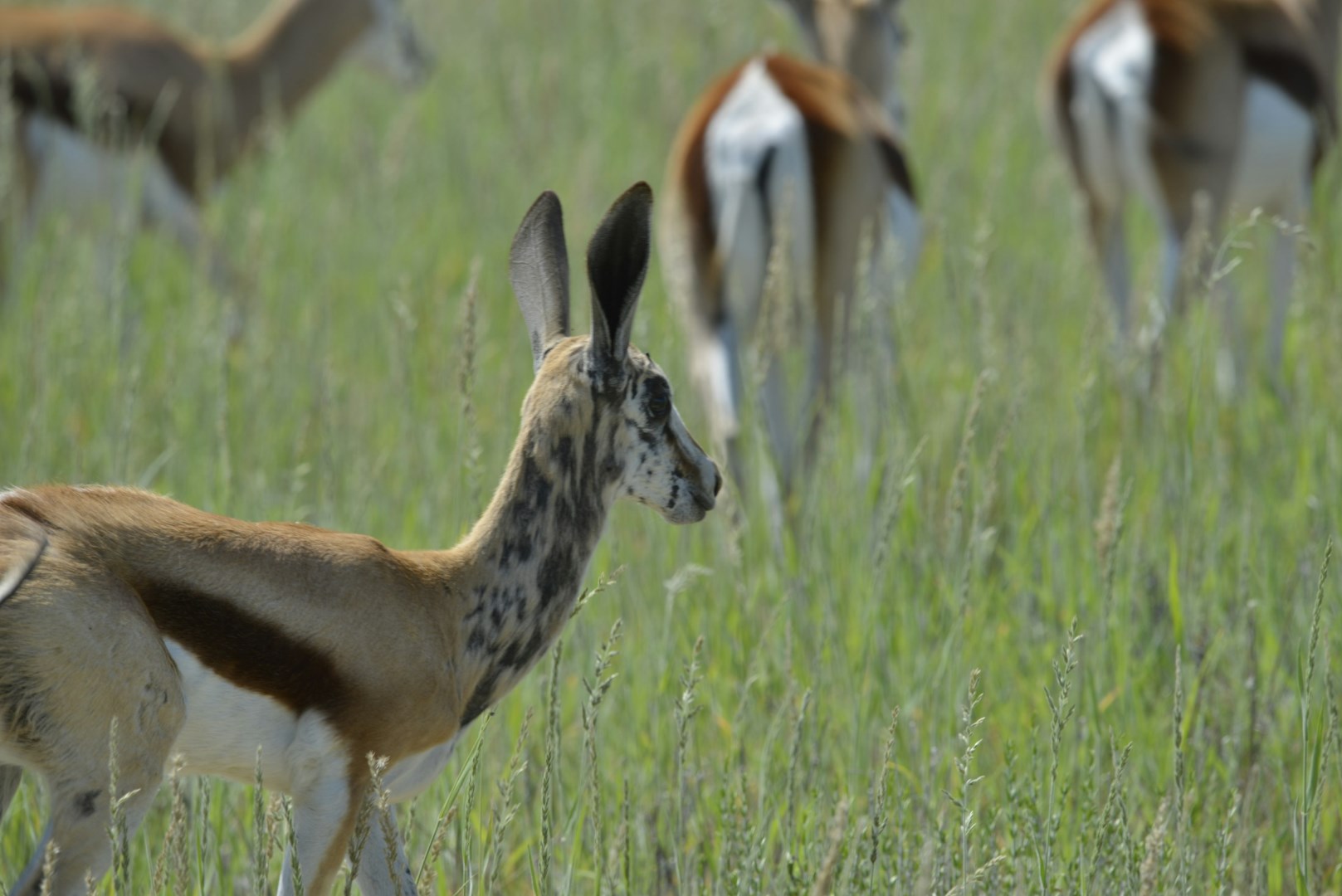
Kgalagadi Transfrontier Park is a large protected area spanning the border between South Africa and Botswana in the southern Kalahari. It combines red sand dunes, dry riverbeds, grass-covered plains, and scattered camel thorn trees across a semi-arid landscape. The park is managed cooperatively by the two countries, allowing wildlife to move across the international boundary without fences.
Safi
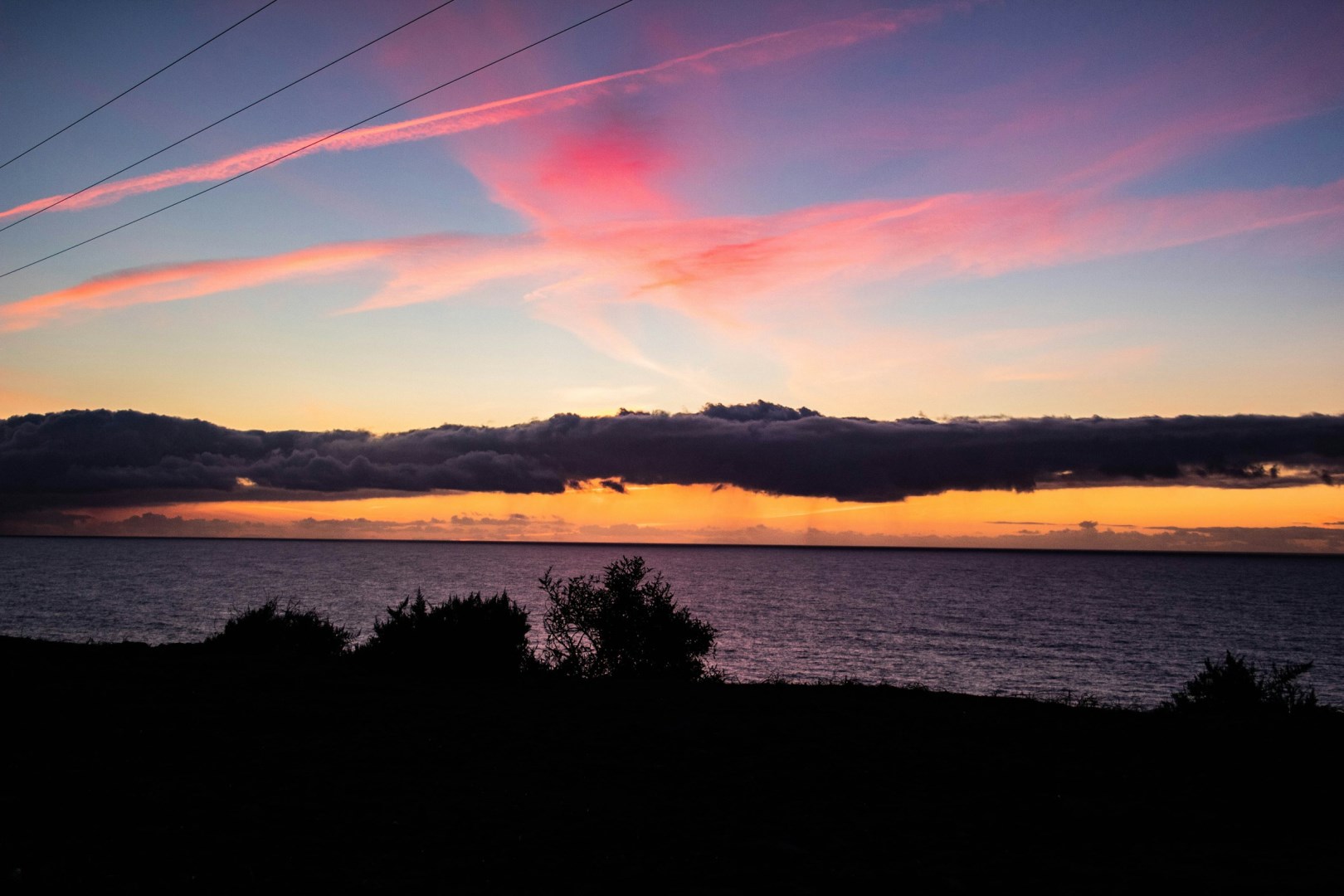
Safi is an Atlantic coastal city known for its pottery, historic fortifications, and strong connection to the sea. Located between Casablanca and Essaouira, it has long been an important port and fishing center. The city is especially recognized for its ceramics, with workshops and shops concentrated around the Potters’ Hill. Its position beside the Atlantic also gives Safi a strong maritime identity, seen in its fishing activity, working harbor, and surf beaches.
