
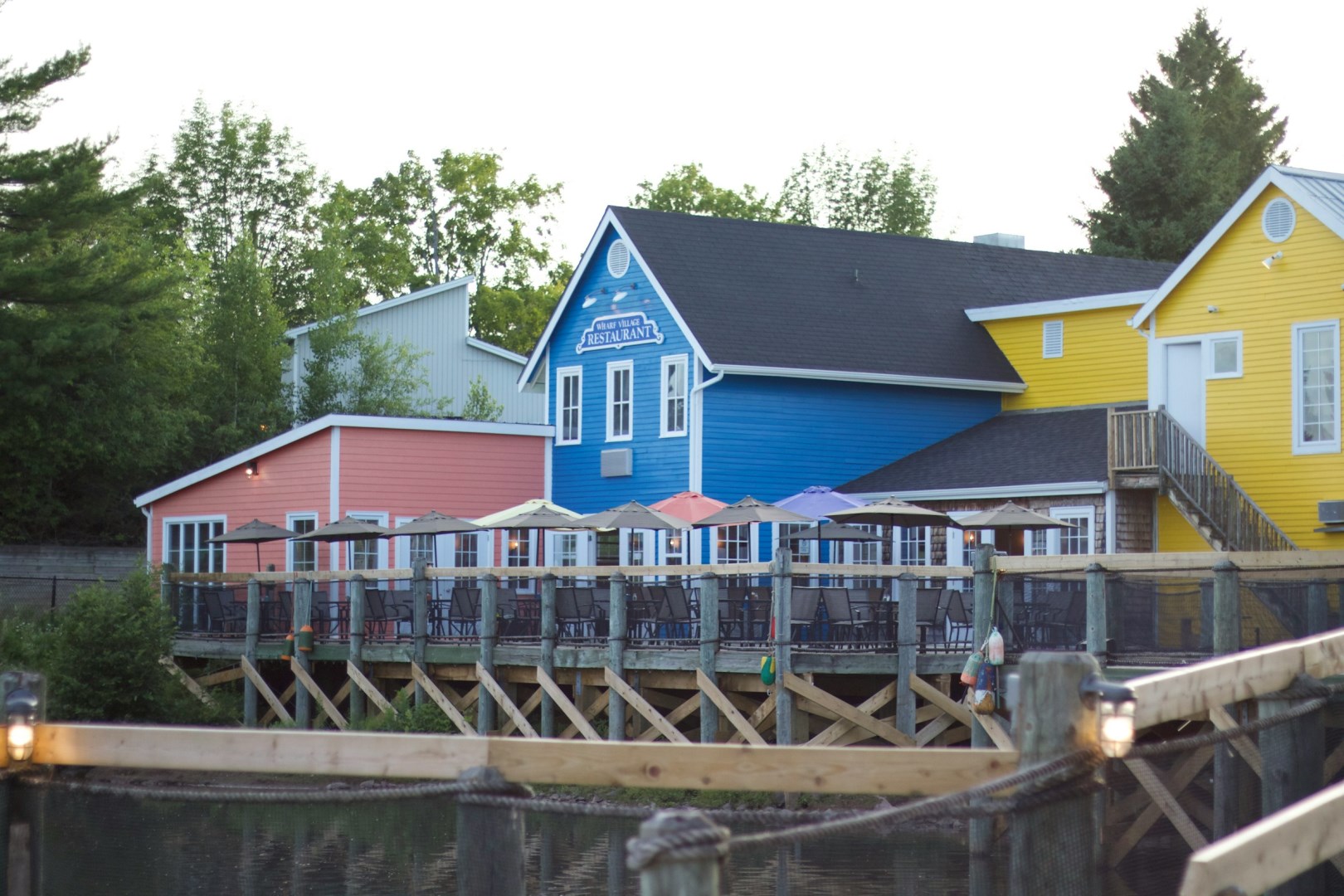
Moncton
Moncton is a city in southeastern New Brunswick, situated along the Petitcodiac River near the head of the Bay of Fundy. It serves as a major centre for transportation, commerce, education, and culture in Atlantic Canada. The city is officially bilingual and has strong English-speaking and Acadian influences. Its location beside the tidal river gives Moncton a distinctive natural feature within an urban setting, while downtown streets contain shops, restaurants, public art, and heritage building

Yangon
Yangon, Myanmar’s largest city, blends colonial heritage, cultural diversity, and spiritual landmarks. Once the country’s capital, it remains the economic and cultural hub, with lively markets, tree-lined avenues, and historic buildings that reflect its layered past under British, Burmese, and regional influences.

Dominica
Dominica, known as the “Nature Island of the Caribbean,” is a haven for eco-tourists and adventure seekers. Nestled between the French islands of Guadeloupe and Martinique, this lush island boasts a remarkable landscape of volcanic mountains, dense rainforests, and stunning waterfalls. Dominica’s most iconic natural wonder is the Boiling Lake, the second-largest hot spring in the world.
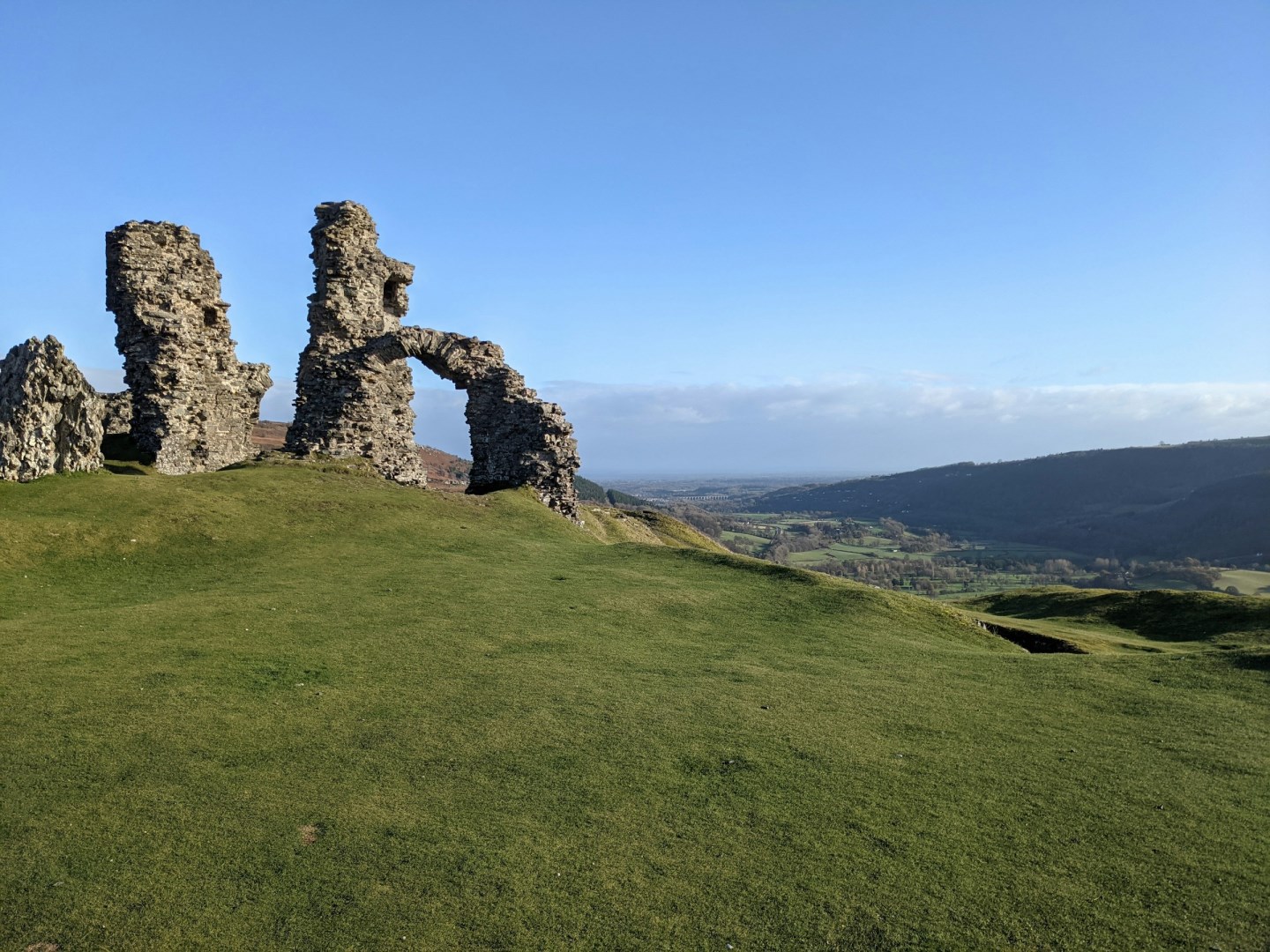
Llangollen
In common with so many ancient Welsh towns, Llangollen takes its name from its founding Saint; Collen, a seventh century saint, who chose this place to build his hermitage or cell in the custom of the times, with tiny church, hospice and outhouses all enclosed within a wall.

Budapest
The capital and largest city in Hungary, Budapest is a favorite European destination for millions of tourists each year. Once the center of the Austro-Hungarian Empire, this cosmopolitan city and UNESCO World Heritage site has plenty of historical and cultural landmarks to explore.
