

Nepal
Nepal, nestled in the heart of the Himalayas, is a land of dramatic landscapes, rich traditions, and spiritual depth. Known as the gateway to the world’s tallest peaks, including Mount Everest, it offers both breathtaking natural beauty and profound cultural heritage.

Aït Ben Haddou
Aït Benhaddou, located in southern Morocco along the former caravan route between the Sahara and Marrakesh, is one of the country’s most iconic historic sites. This fortified village, or ksar, is recognized as a UNESCO World Heritage Site and is admired for its striking earthen clay architecture that rises dramatically from the desert landscape.
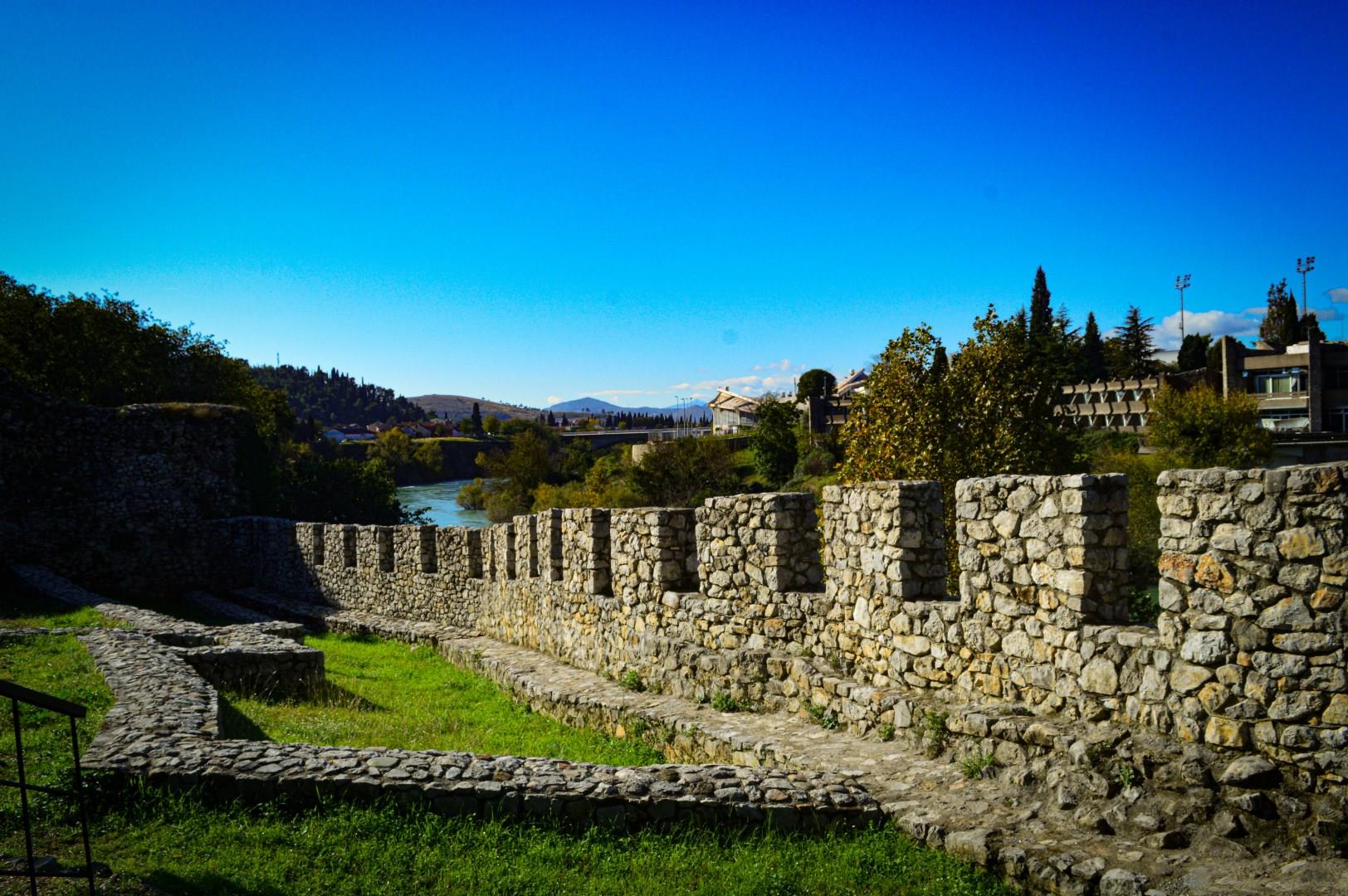
Podgorica
Podgorica, the capital of Montenegro, showcases the country’s contrasting landscapes and deep-rooted history. Although much of the city was rebuilt after World War II, traces of its Roman and Ottoman past still remain. Visitors can explore the ruins of Doclea, a Roman settlement just outside the city, where surviving columns and mosaics give a glimpse into life nearly two millennia ago.
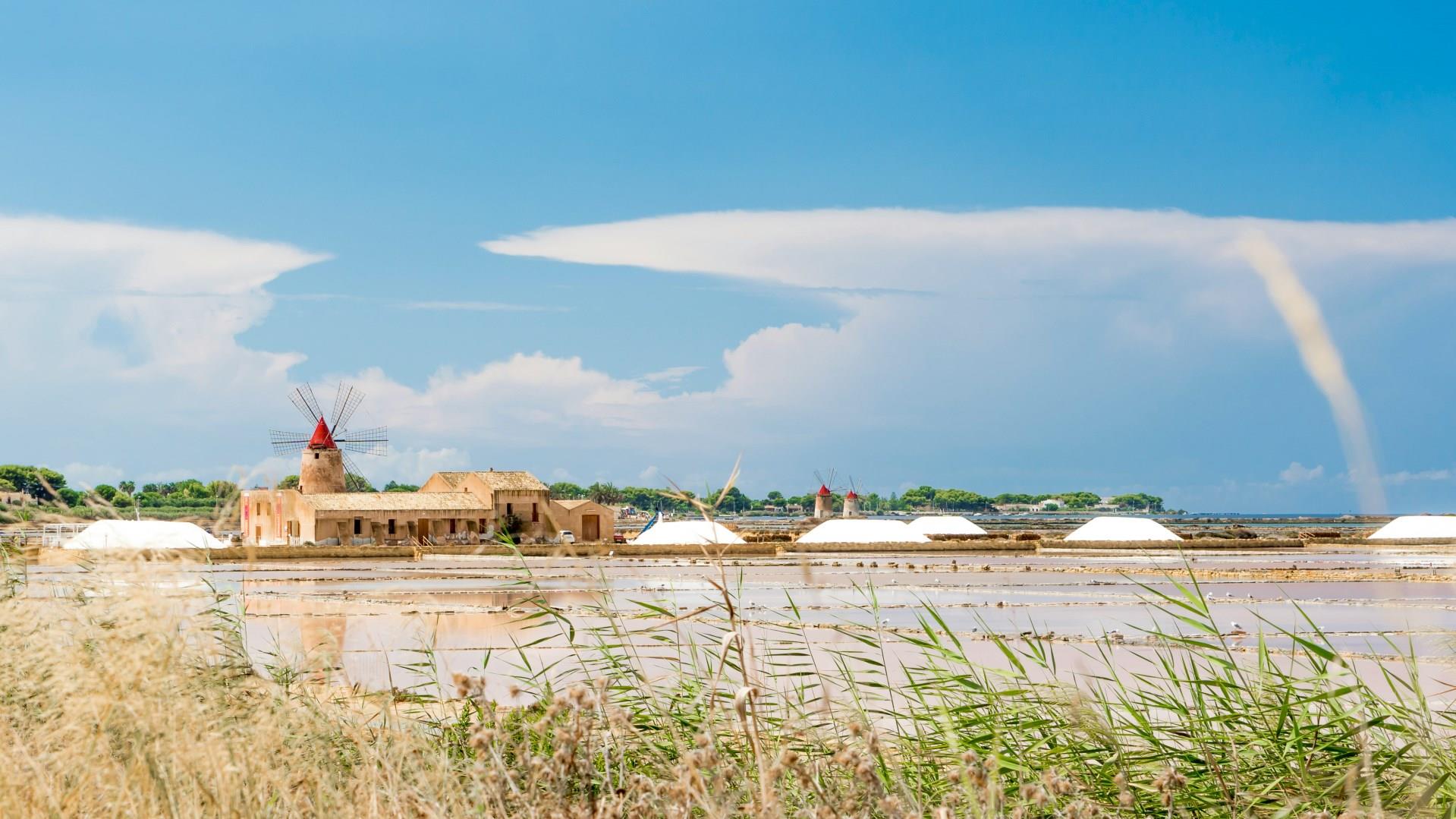
Marsala Sicily
Marsala is a coastal city in western Sicily with a long history shaped by trade, conquest, and winemaking. Founded by the Phoenicians in the 4th century BCE, it later passed through Roman, Arab, Norman, and Spanish hands, each leaving traces in the city’s layout and culture.
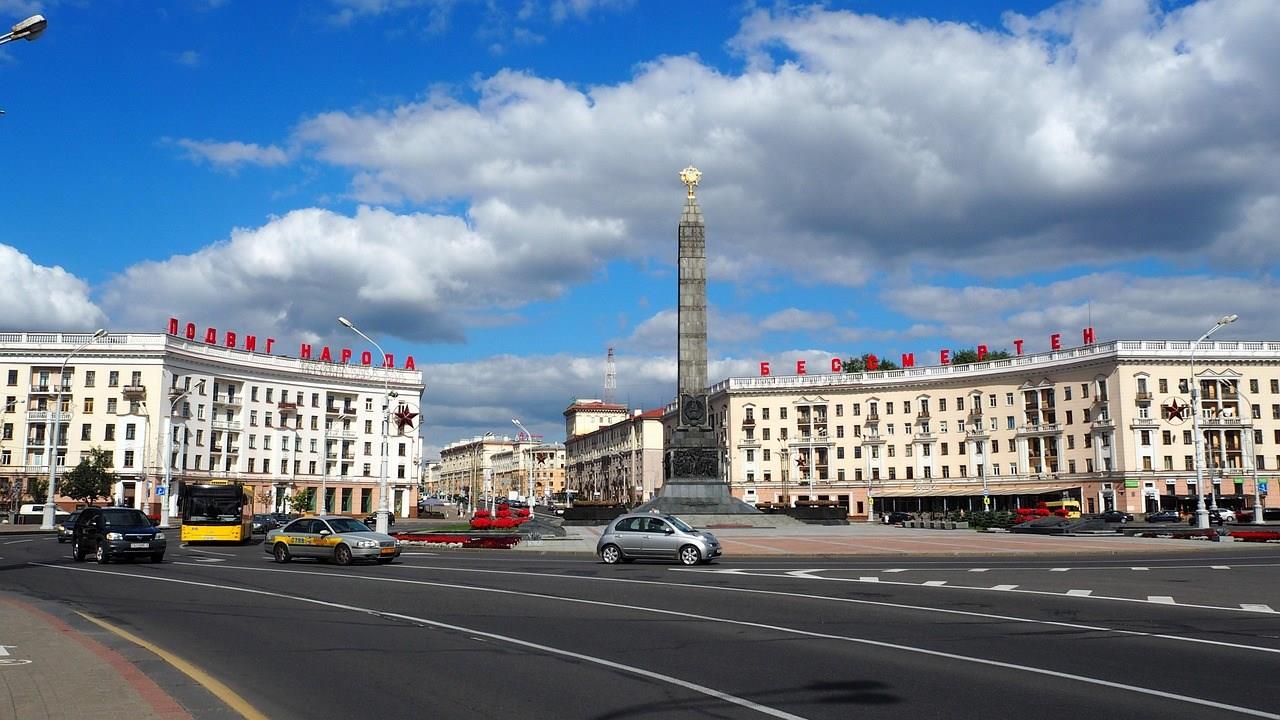
Minsk
Minsk, the capital of Belarus, is a city rich in history, culture, and architectural beauty. As one of the oldest cities in Europe, it has a unique charm that blends Soviet-era monumentalism with modern urban development.
