

Sarapiquí
Sarapiquí is a rural region in northeastern Costa Rica, known for its network of rivers, rainforest reserves, and agricultural landscapes. Centered around Puerto Viejo de Sarapiquí, the area serves as a gateway to the Caribbean lowlands while remaining distinct from coastal destinations.
Hannover
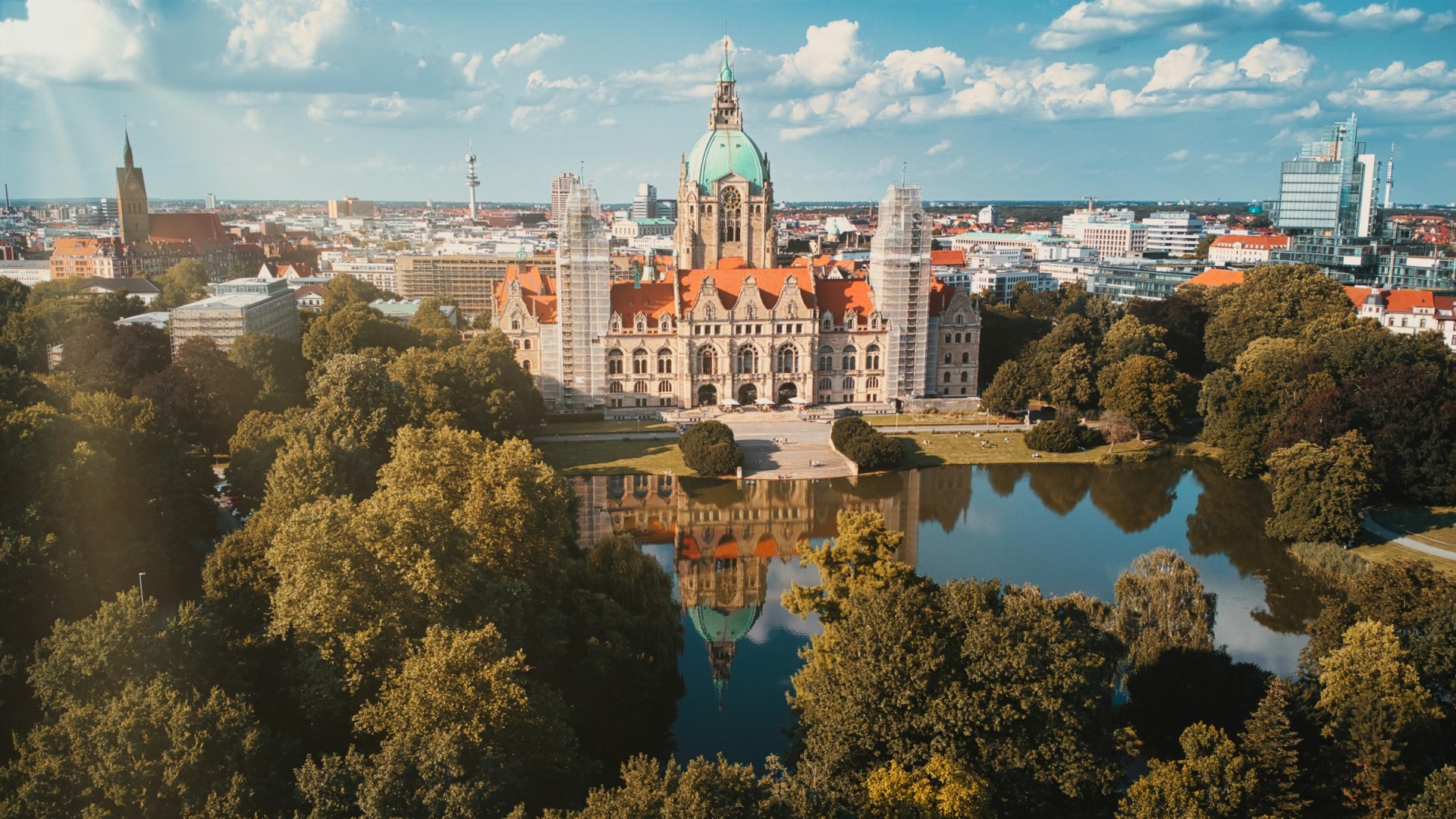
Hannover is the capital of Lower Saxony in northern Germany and one of the country’s most important centers for business, education, and trade fairs. Situated along the Leine River, the city combines modern urban development with extensive green spaces, historic landmarks, and cultural institutions.
Lagos
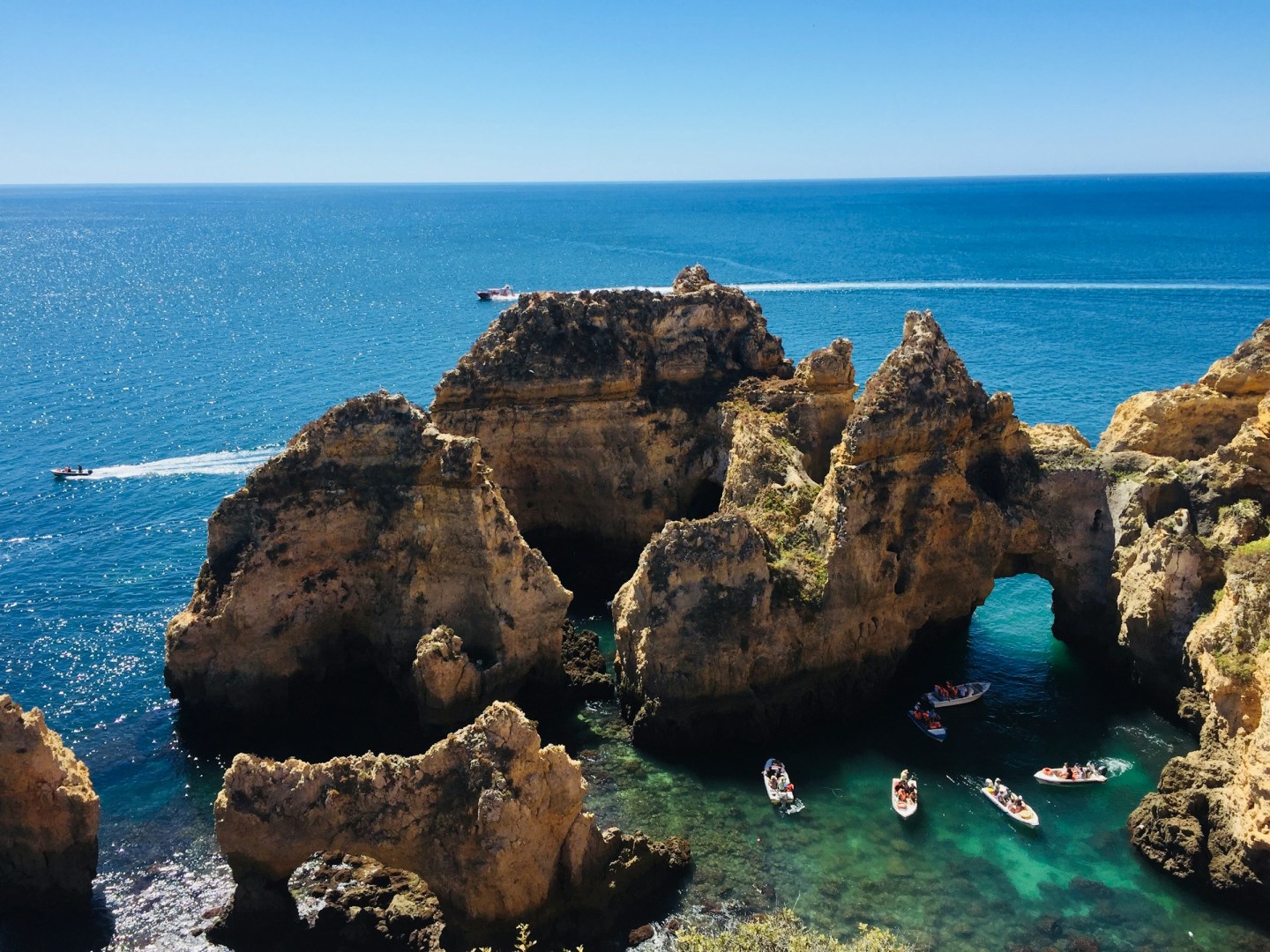
Lagos sits on the southern edge of Portugal’s Algarve where a lively old port town meets wide Atlantic skies. Just a short stroll from the heart of town, the coast drops away into a spectacle at Ponta da Piedade, where golden sandstone cliffs rise out of the Atlantic and have been shaped into stacks, natural arches and grottoes over millennia. At the top, the Ponta da Piedade Lighthouse watches over this dramatic shoreline and offers a great backdrop for photos as the sun sets into the ocean.

Chyulu Hills National Park
Chyulu Hills National Park lies in southeastern Kenya between Amboseli and Tsavo, forming a long range of volcanic hills covered by grassland, shrubland, and patches of montane forest. The hills rise from the surrounding plains and are shaped by relatively recent volcanic activity, with lava flows, cones, caves, and other geological features visible across the landscape.
Taraz
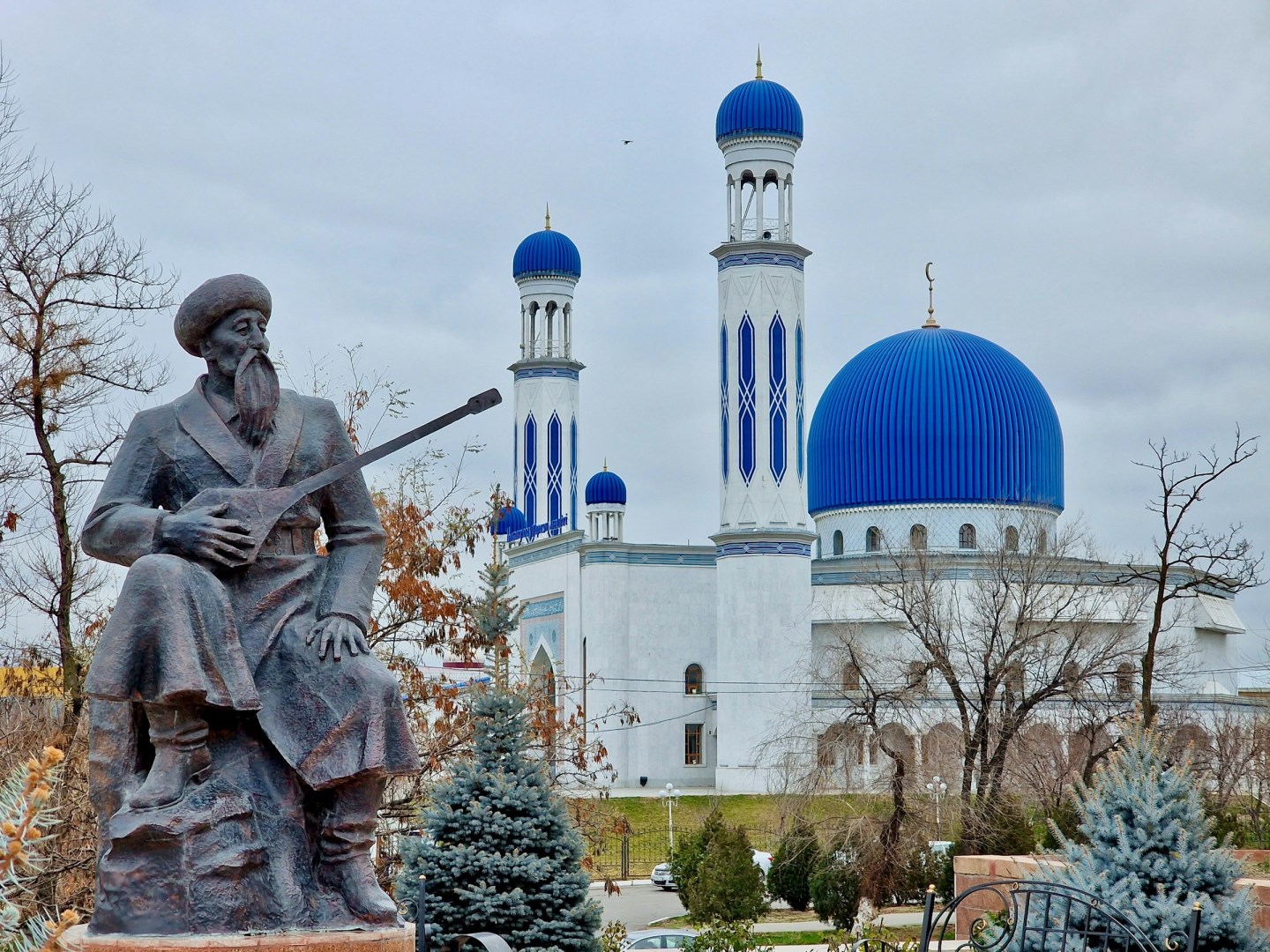
Taraz is a historic city in southern Kazakhstan, located in the Talas River valley near the Kyrgyzstan border. Its position along the routes linking Central Asia with China made it an important center of trade and settlement, and archaeological remains around the city reveal its long role as a regional crossroads. Today, Taraz combines modern urban life with mausoleums, archaeological parks, museums, and remnants of ancient settlements.
