

Windhoek
Windhoek, the capital city of Namibia, is a vibrant and cosmopolitan hub nestled in the heart of the country. With its mix of German colonial architecture and modern African charm, Windhoek offers visitors a unique blend of history and contemporary culture. The city’s skyline is dominated by the striking Christuskirche, a Lutheran church built in 1907, which stands as a symbol of Namibia's German colonial past.
Linyanti Wildlife Reserve
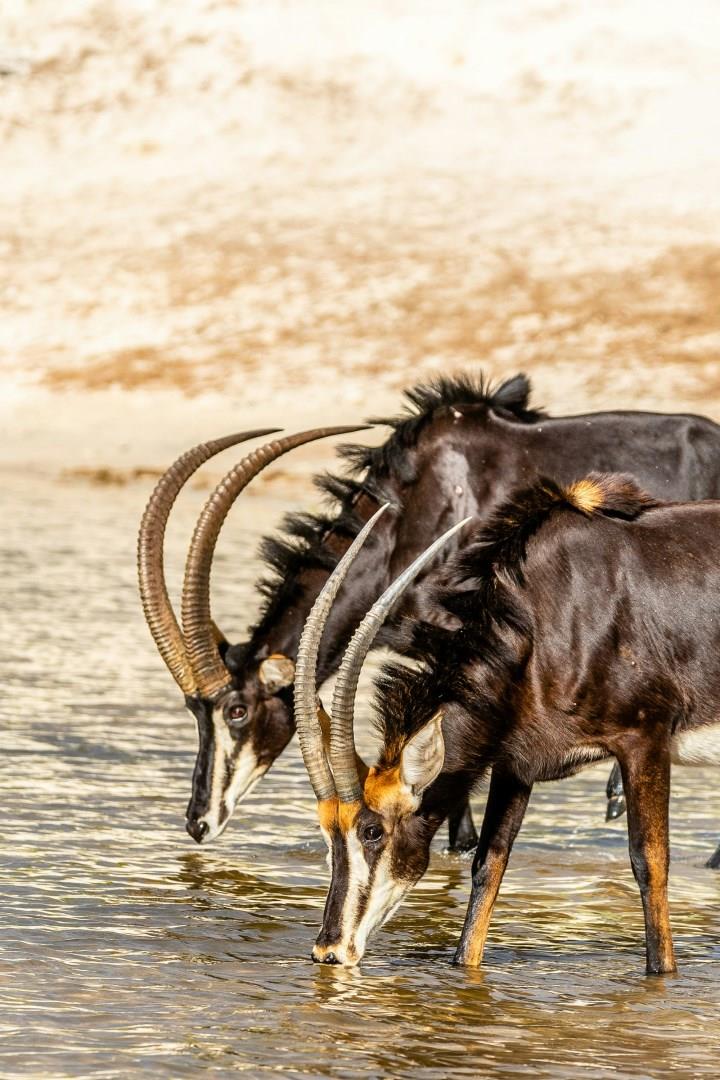
Linyanti Wildlife Reserve, tucked into the northern reaches of Botswana near the Chobe River, is a remote and pristine safari destination known for its rich biodiversity and exclusivity. Covering more than 275,000 acres of wilderness, the reserve is defined by floodplains, lagoons, woodlands, and savannah, creating a mosaic of habitats that sustain an impressive array of wildlife.

Messina, Sicily
This Sicily harbor city is divided from Italy proper by the Strait of Messina. Visitors marvel at the Gothic, bell-towered Norman Messina Cathedral.
Celeste River
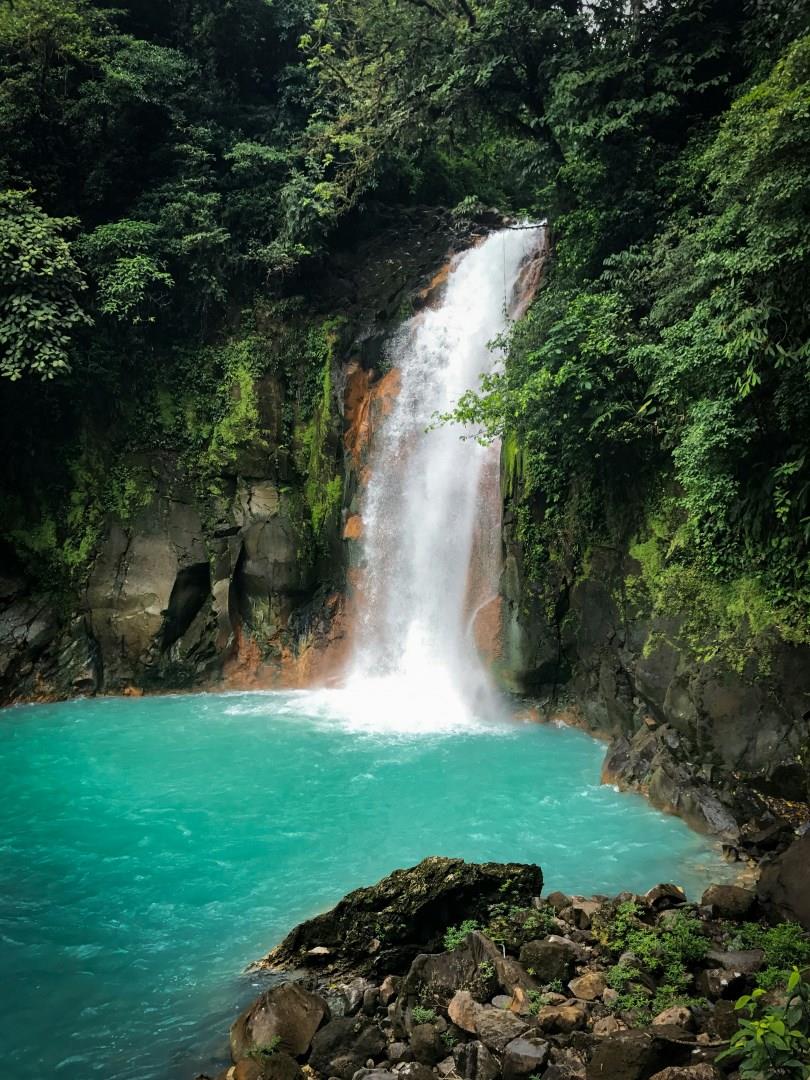
Hidden in the northern region of Costa Rica, the Celeste River (Río Celeste) winds through Tenorio Volcano National Park with a color so vivid it seems unreal. The river’s striking turquoise hue is caused by a natural chemical reaction between two mineral-rich streams, Quebrada Agria and Río Buena Vista, which merge at a point known as "El Teñidero." This one-of-a-kind phenomenon creates the illusion that the water has been dyed blue, even though no pigments are present.

Istanbul
Istanbul is a city built on layers of empire. Spanning two continents, it was once the capital of three major empires: Roman, Byzantine, and Ottoman. Visitors walking through the Sultanahmet district can witness this timeline firsthand, from the Roman-era Hippodrome to the Byzantine mosaics of Hagia Sophia, and the towering minarets of the Blue Mosque. At nearby Topkapi Palace, rooms still display the jeweled swords, ceremonial robes, and handwritten Qurans once used by Ottoman sultans.
