
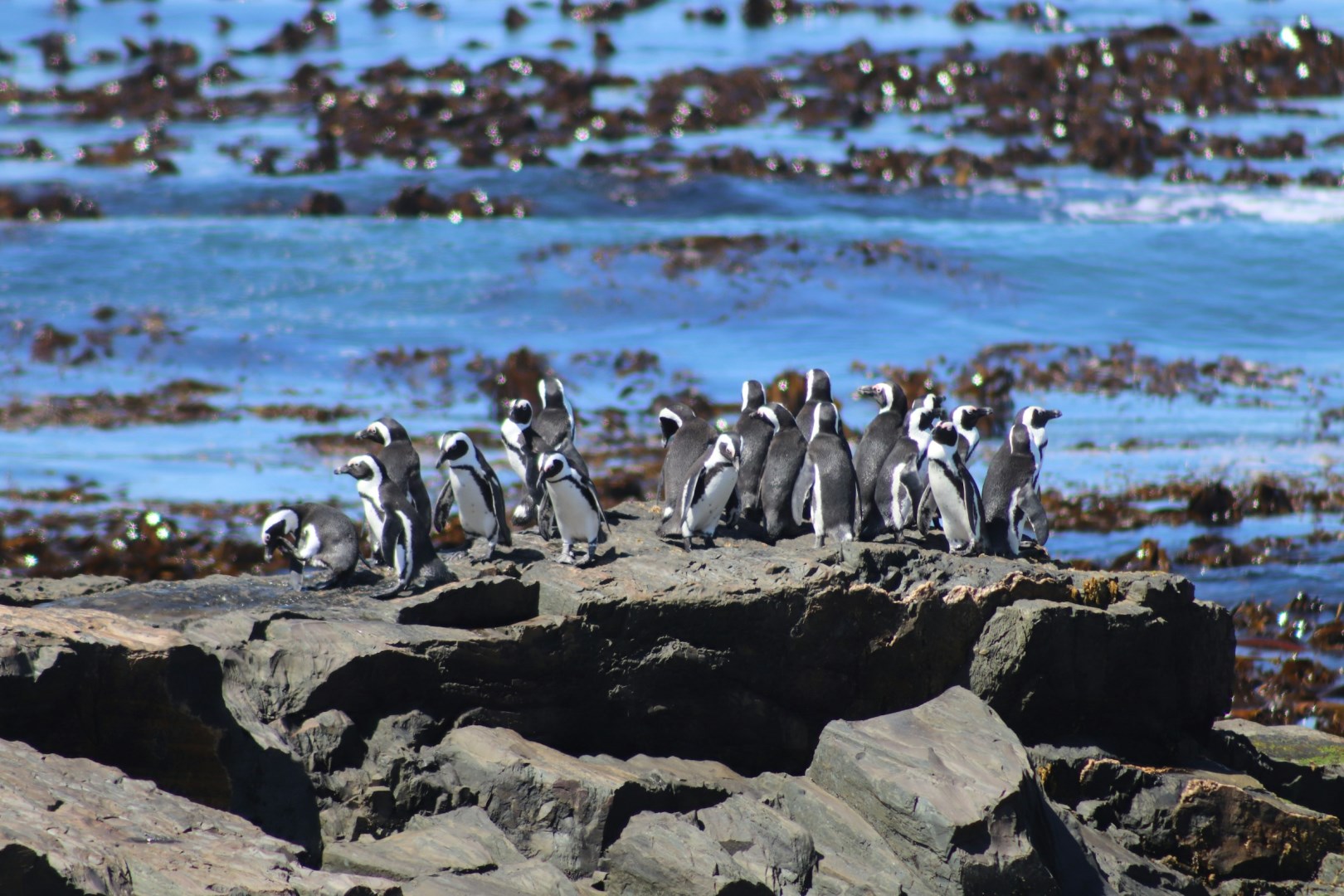
Robben Island
Robben Island lies in Table Bay off the coast of Cape Town and is one of South Africa’s most significant heritage sites. The island is best known for its former prison, where political prisoners opposed to apartheid were held, including Nelson Mandela. Its landscape also contains a lighthouse, historic buildings, military remains, quarries, and areas of natural vegetation.
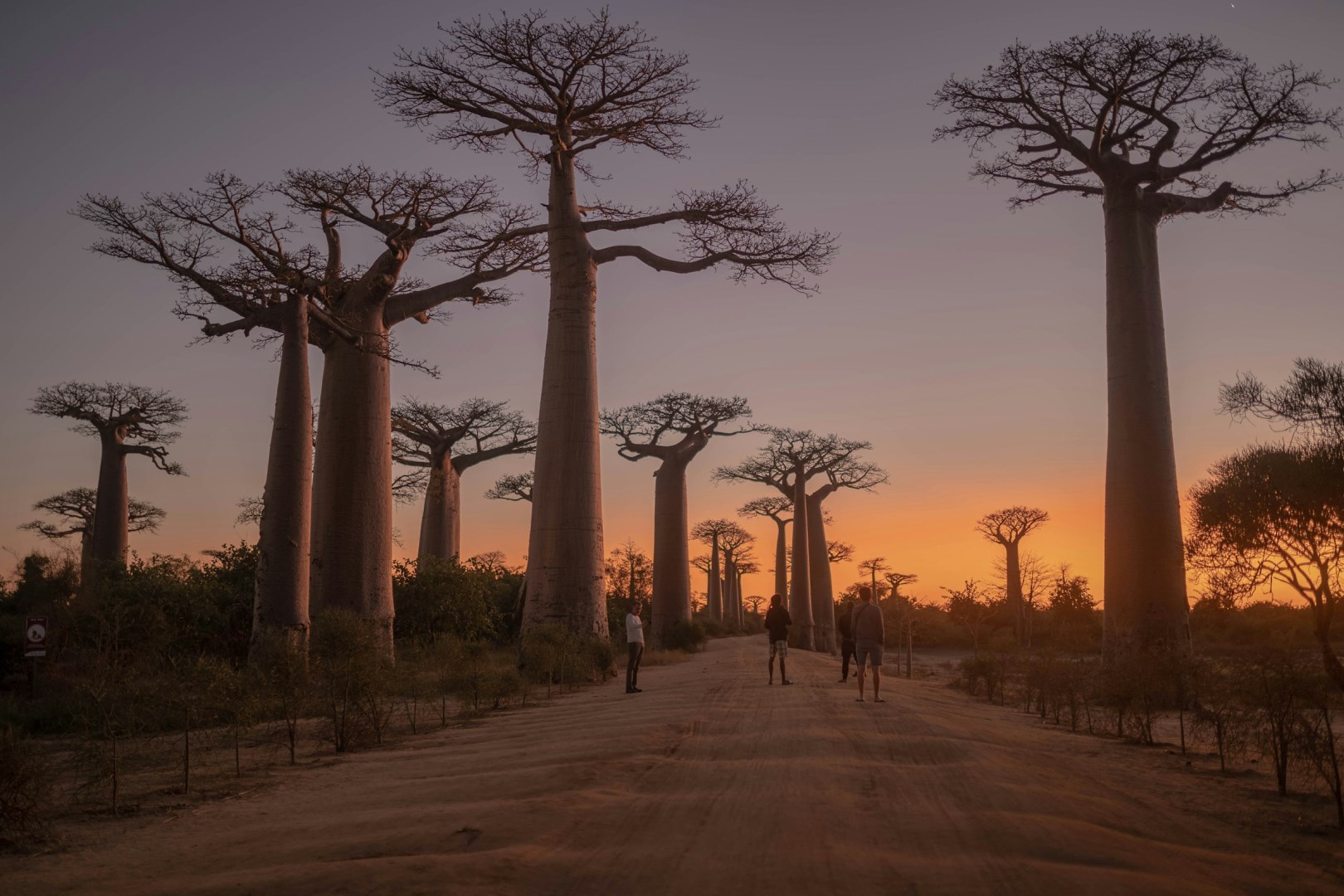
Avenue of the Baobabs
The Avenue of the Baobabs is a famous landscape in western Madagascar, located near Morondava in the Menabe region. A group of tall Grandidier's baobabs lines a dirt road across a broad, dry plain, creating one of the country's most recognizable natural scenes. These trees are endemic to Madagascar and can reach great heights, with thick trunks adapted to storing water during the dry season.
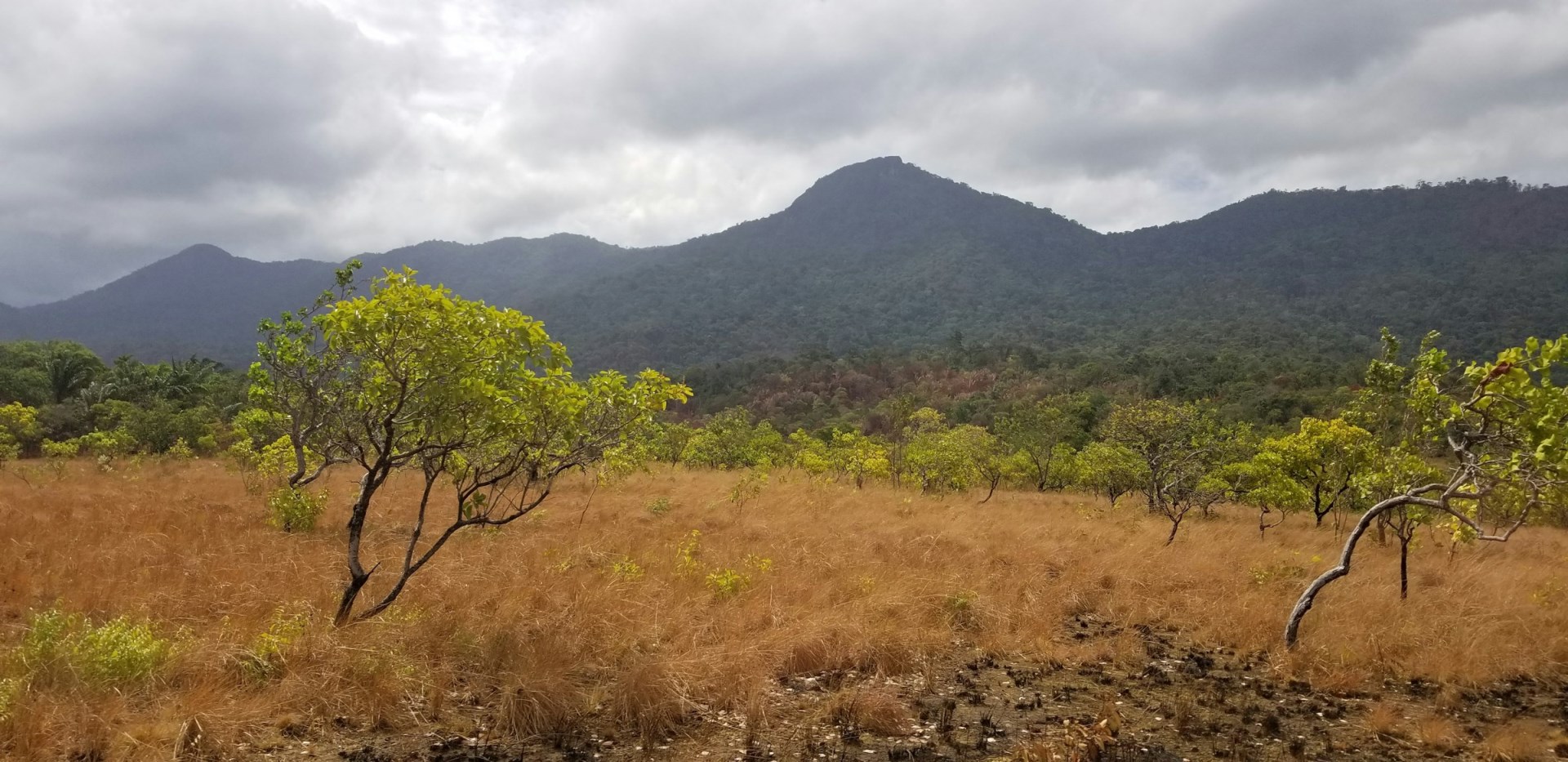
Guyana
Guyana, perched on South America’s northern coast, is often overlooked by mass tourism, but those who venture here quickly discover a country defined by its wild landscapes and strong cultural identity. As the only English-speaking country on the continent, it offers travelers a smoother entry into South America while maintaining a distinct Caribbean rhythm.
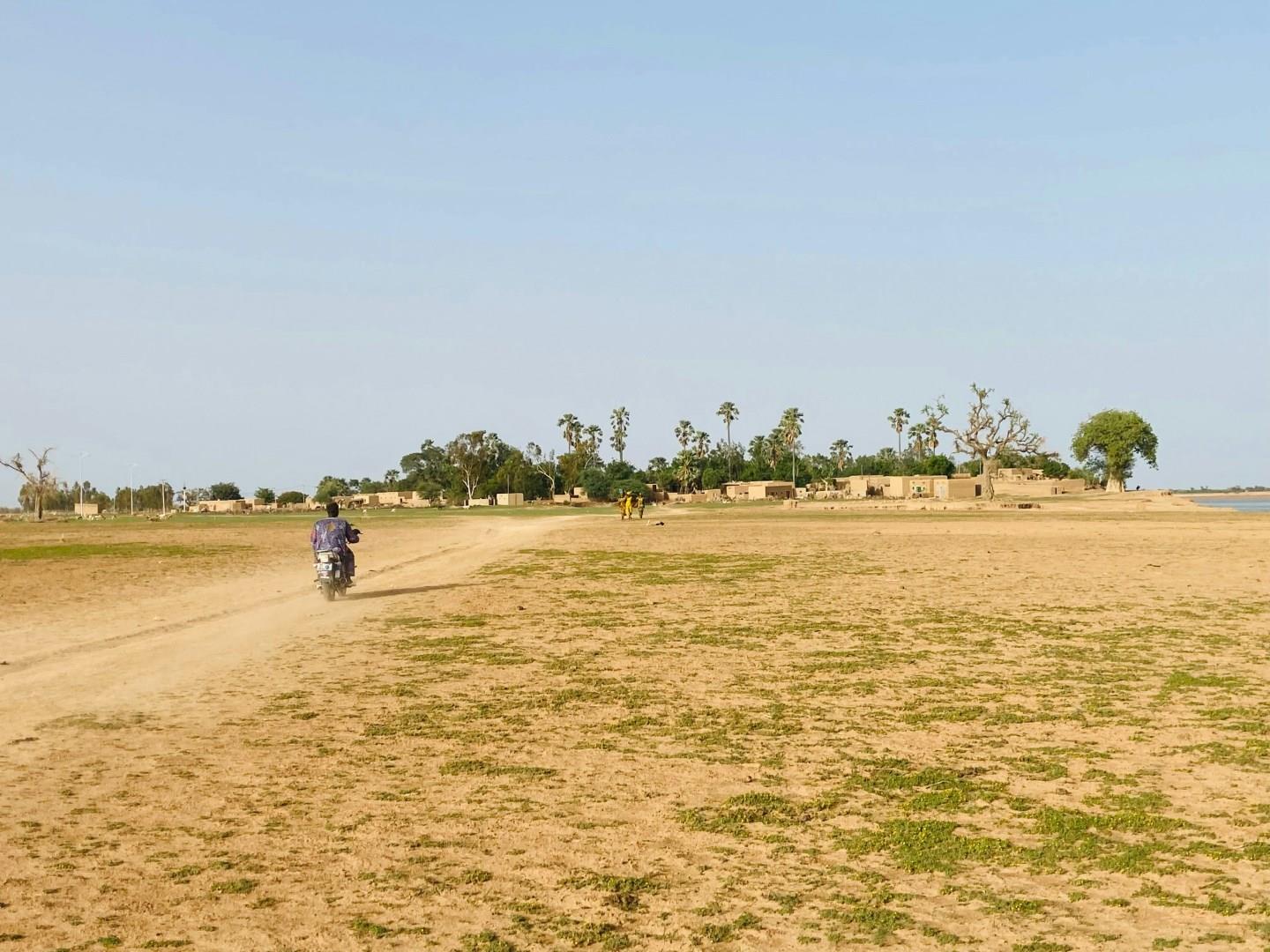
Mopti
Mopti, often called the “Venice of Mali,” sits at the point where the Bani and Niger rivers meet. This strategic location has made it an important trading hub for centuries, attracting merchants, fishermen, and travelers from across West Africa.
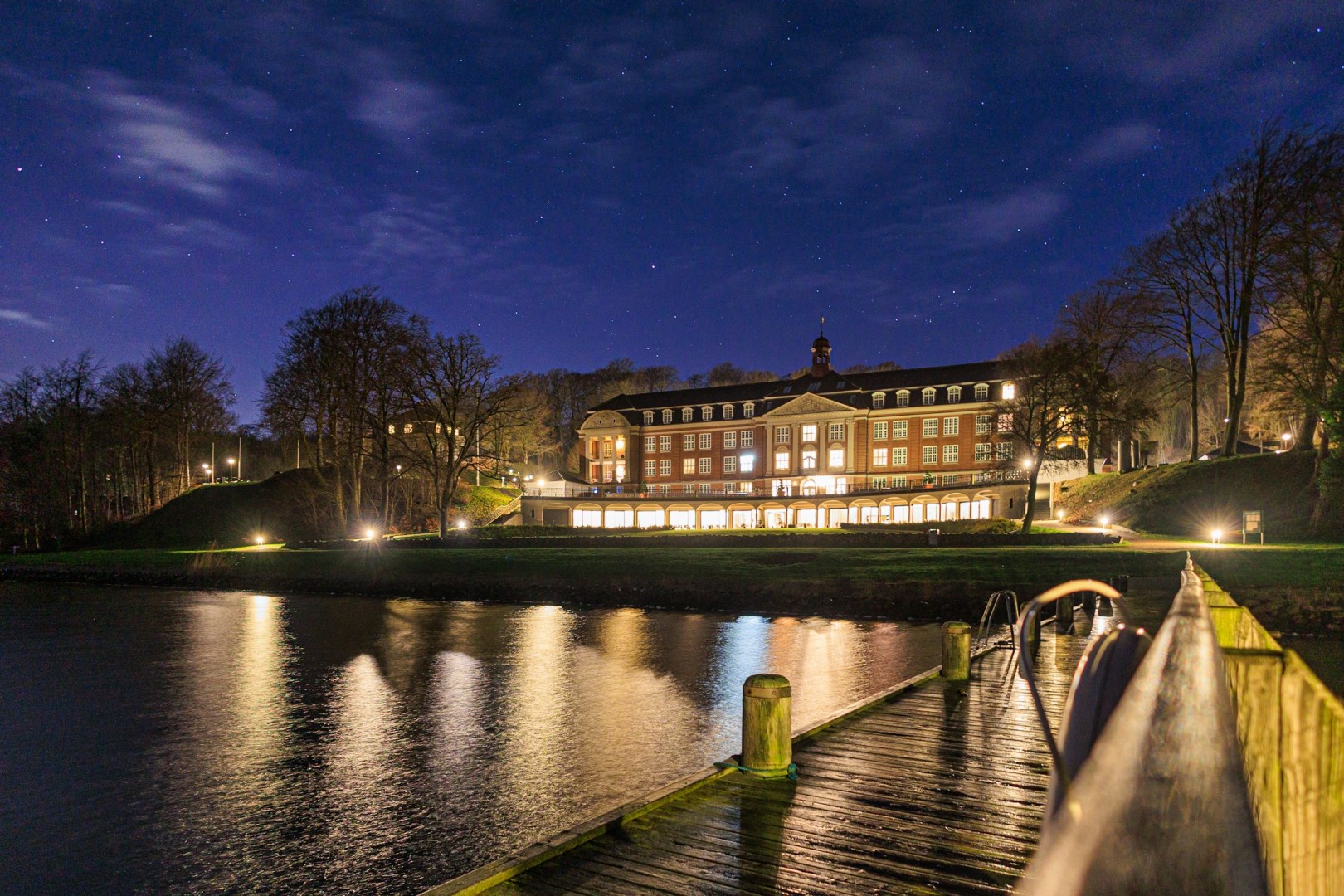
Kolding
The town is beautifuly situated near the forest and the water, and the varied countryside all around provides lots to see and do. Kolding is a modern town with roots deep in history, and the many activities, events and holiday opportunities available here ensure that there's always something for everyone. Places to visit include: Koldinghus Castle, Trapholt Museum of Art, Geographical Gardens and more.
