
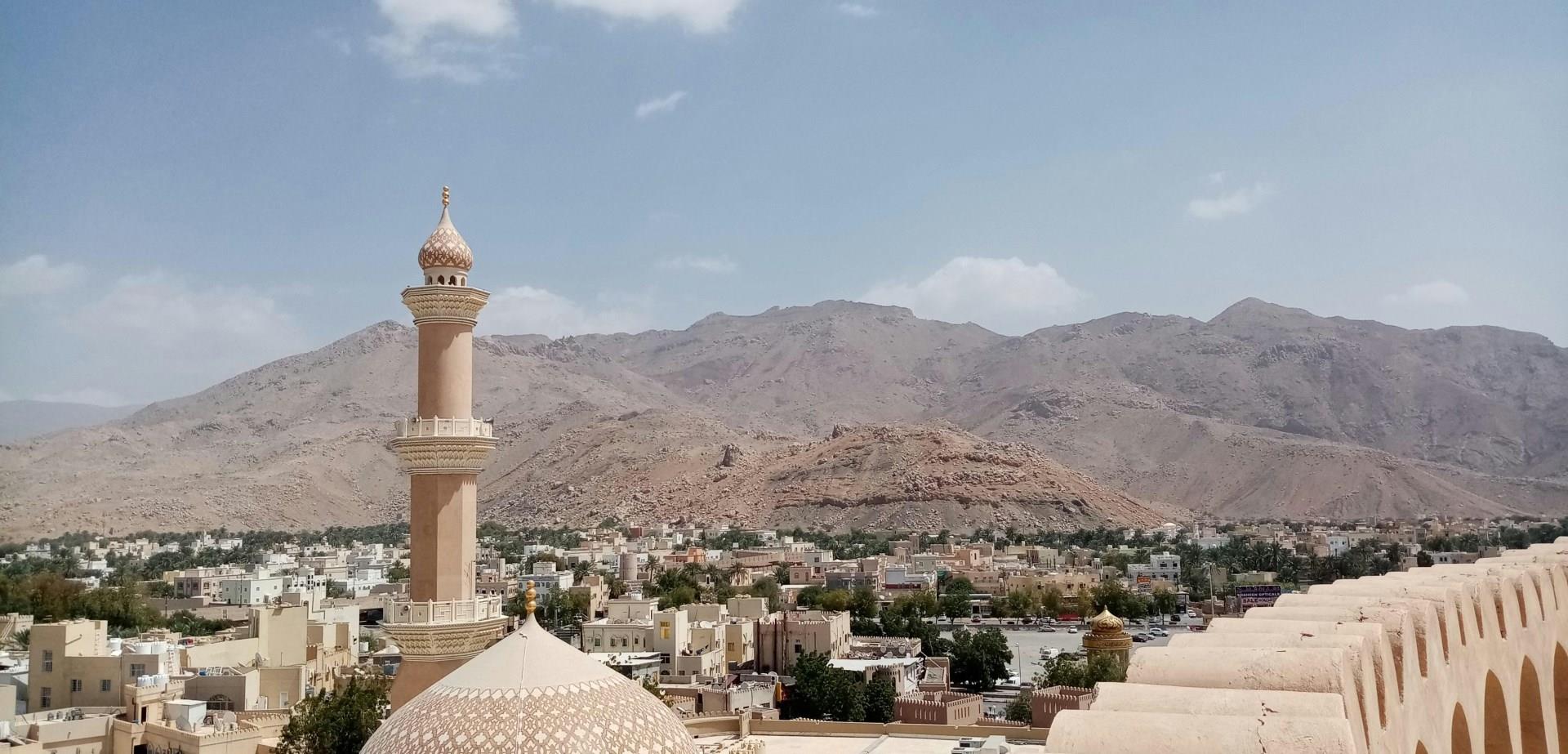
Nizwa
In the heart of Oman lies Nizwa, a city once considered the country’s capital and a hub of learning and trade. Its iconic round fort, built in the 17th century, remains one of Oman’s most visited landmarks.
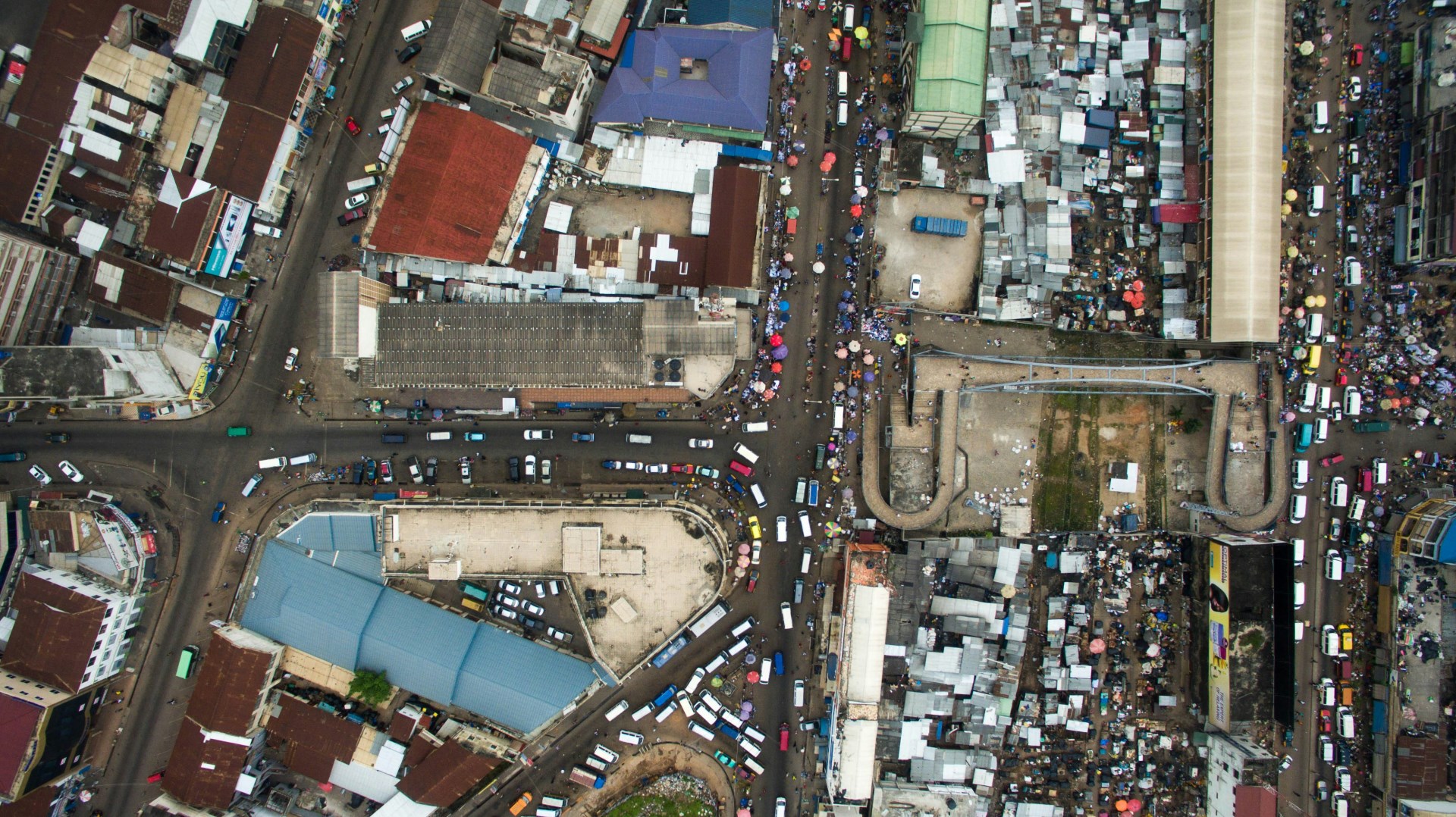
Ashanti Region
The Ashanti Region is located in southern Ghana and is one of the country’s most influential cultural and economic areas. Centered on the city of Kumasi, the region is known as the traditional homeland of the Ashanti people, whose history and institutions continue to shape local identity.
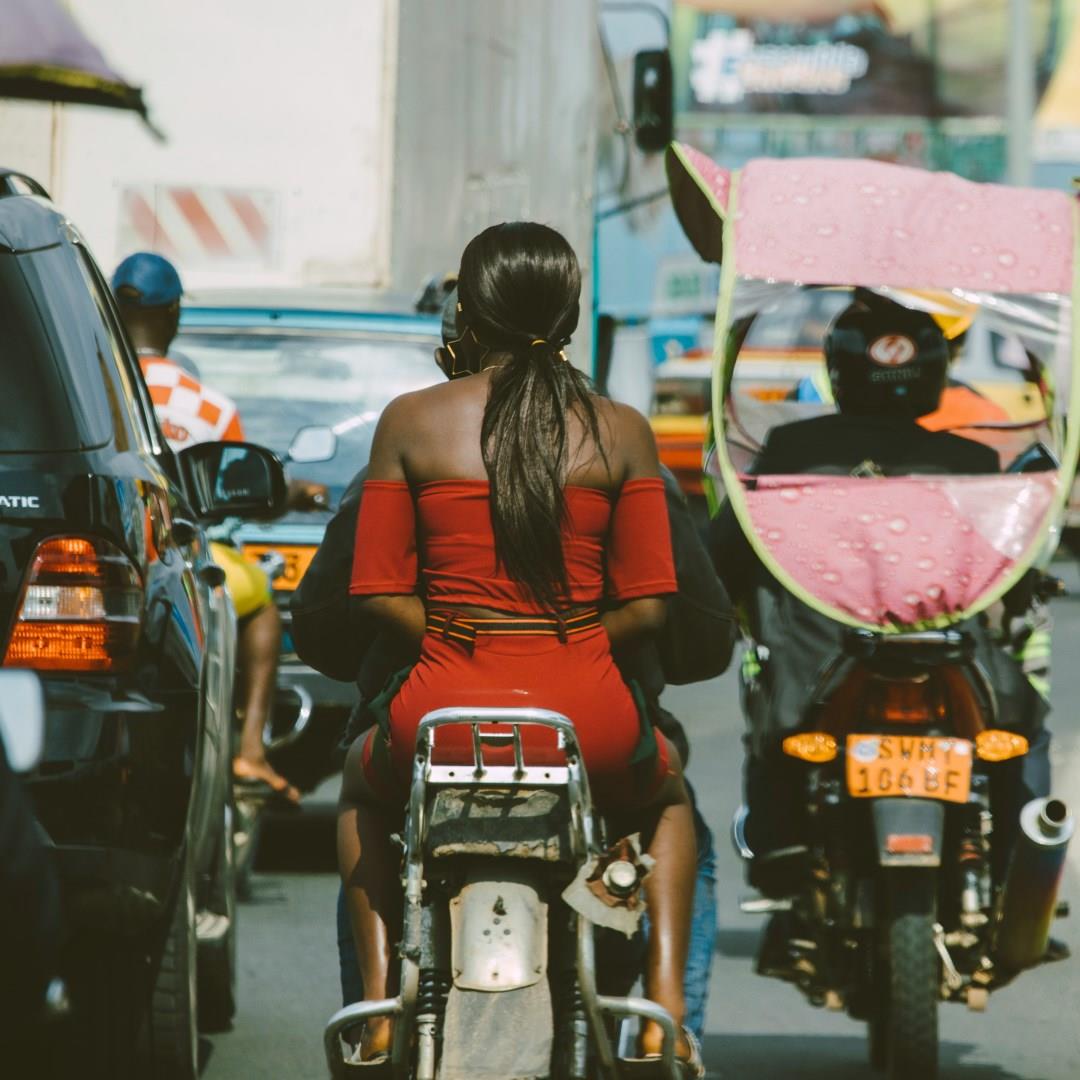
Douala
Douala is Cameroon’s largest city and its economic powerhouse, but beyond the busy ports and bustling streets lies a city full of creativity, flavor, and unexpected charm. Located on the Atlantic coast, Douala has long served as a crossroads of cultures. The city's waterfront, especially along the Wouri River, is a great place to watch the movement of boats, local fishermen, and floating markets while soaking in the tropical coastal air.
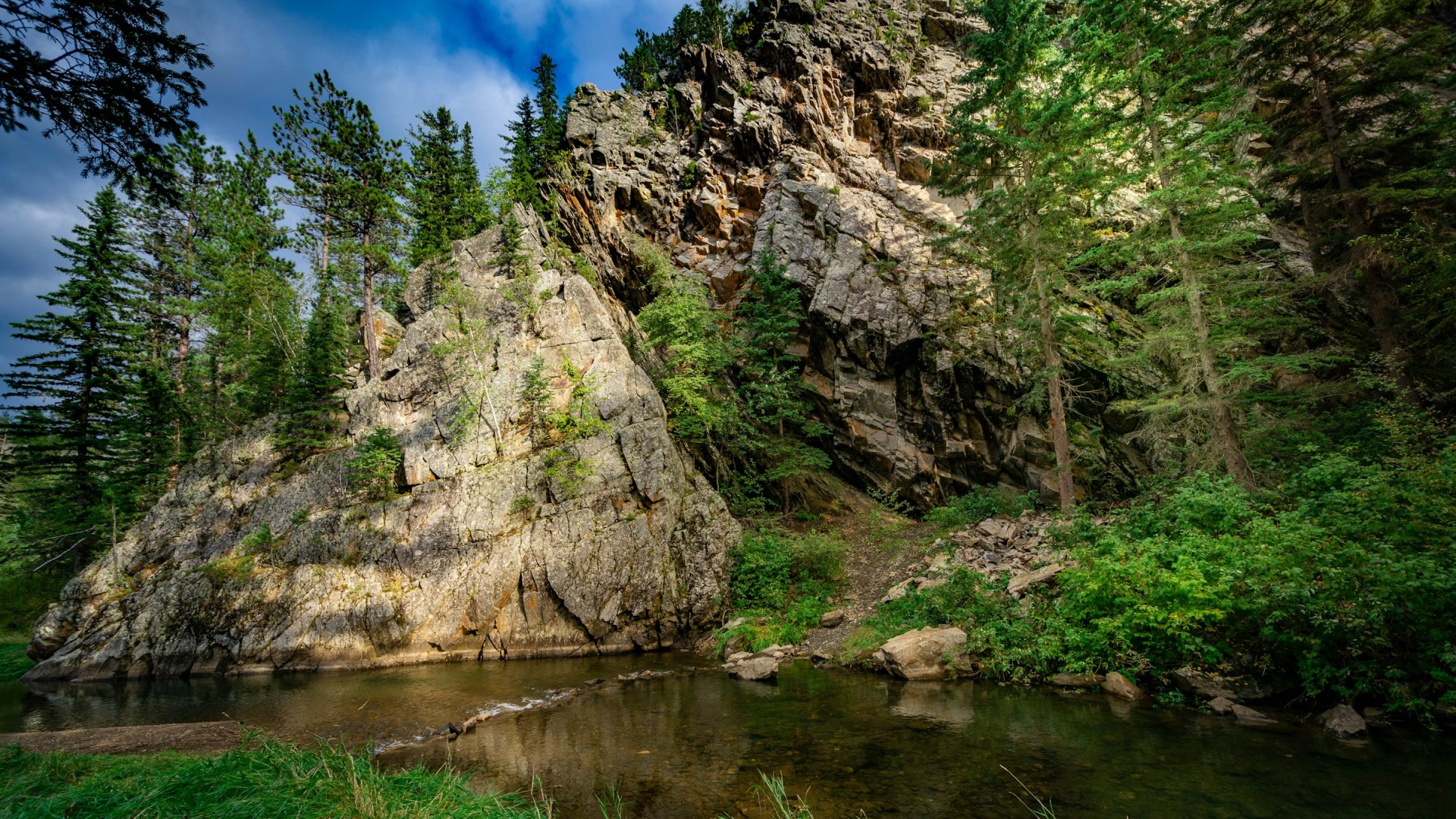
Black Hills National Forest
Black Hills National Forest covers a mountainous island of forests in western South Dakota, surrounded by the open plains of the Great Plains. The landscape includes granite peaks, narrow canyons, ponderosa pine forests, lakes, streams, and rolling grasslands. The forest stretches across a large portion of the Black Hills and contains some of the highest elevations in the region.
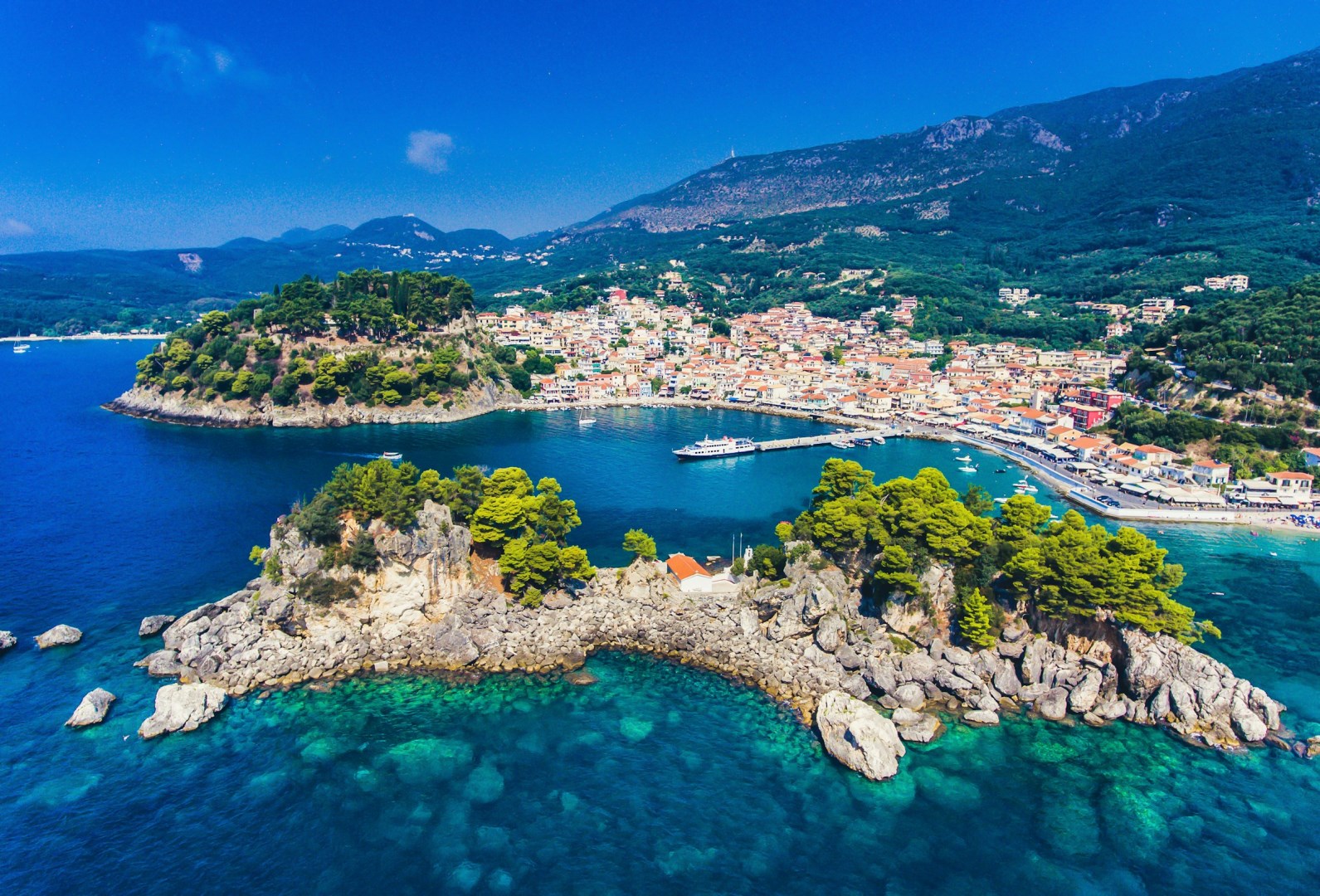
Parga
Parga is a coastal town in Epirus, northwestern Greece, built in an amphitheater around a sheltered bay on the Ionian Sea. Colorful houses rise along the hillside toward the Venetian castle, while the small islet of Panagia sits just offshore with a chapel and the remains of a French fort. The old town is characterized by narrow cobbled lanes, stone arches, and traditional houses, while the waterfront is lined with cafés, tavernas, and small boats.
