
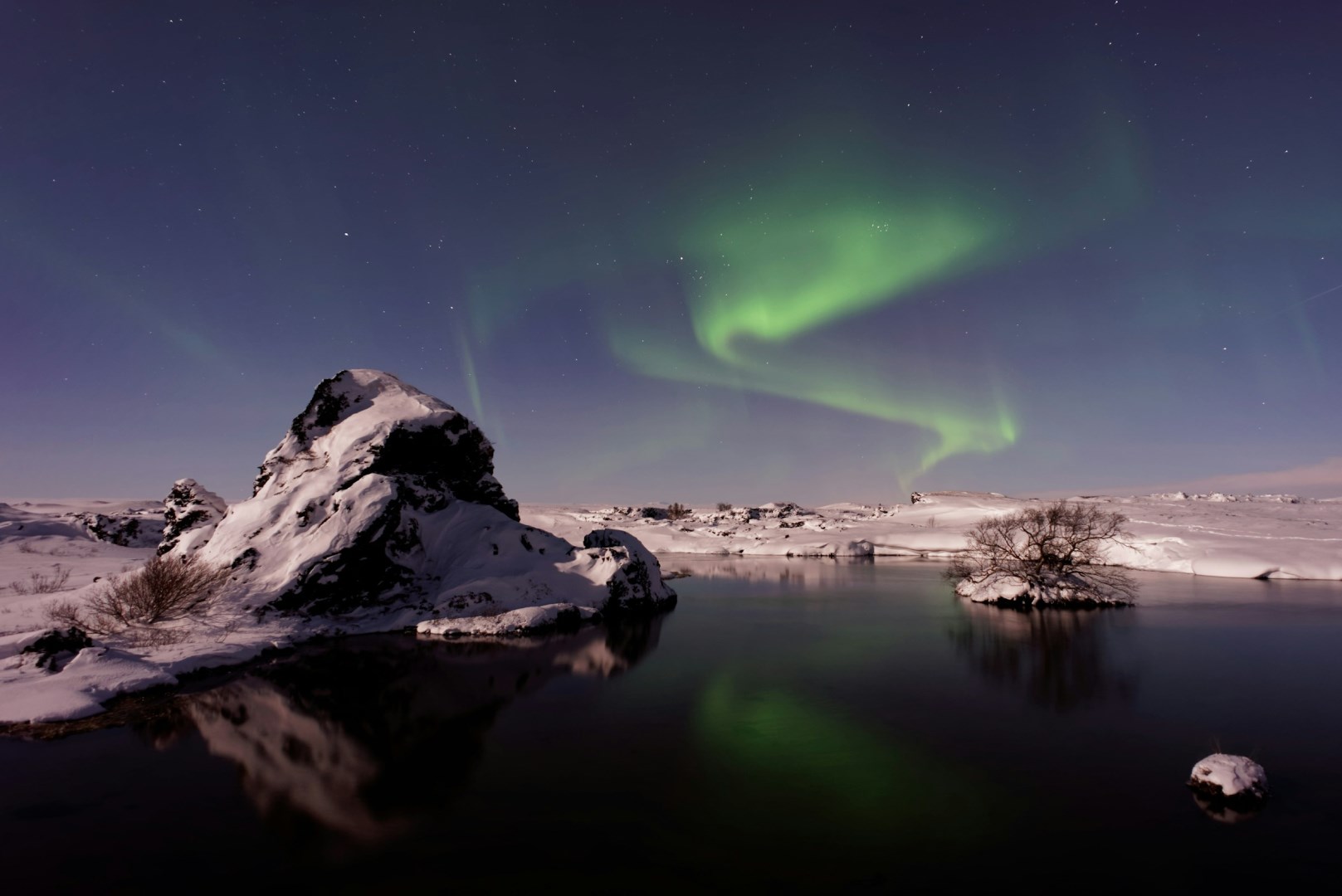
Mývatn
Mývatn is a lake and surrounding region in North Iceland, known for its shallow waters, numerous small islands, volcanic formations, and rich birdlife. The lake covers about 37 square kilometers and is part of an internationally important wetland together with the Laxá River. The surrounding landscape was shaped by volcanic activity, creating a mixture of lava fields, craters, geothermal areas, and wetlands within a relatively compact area.

Brussels
Brussels, the vibrant capital of Belgium, offers a perfect blend of medieval charm and modern sophistication. At its heart lies the iconic Grand Place, a UNESCO World Heritage Site known for its stunning Gothic and Baroque guildhalls.

Nijmegen
Whether exploring ancient ruins or strolling through its modern city center, visitors will find plenty to discover in Nijmegen, the oldest city in the Netherlands.
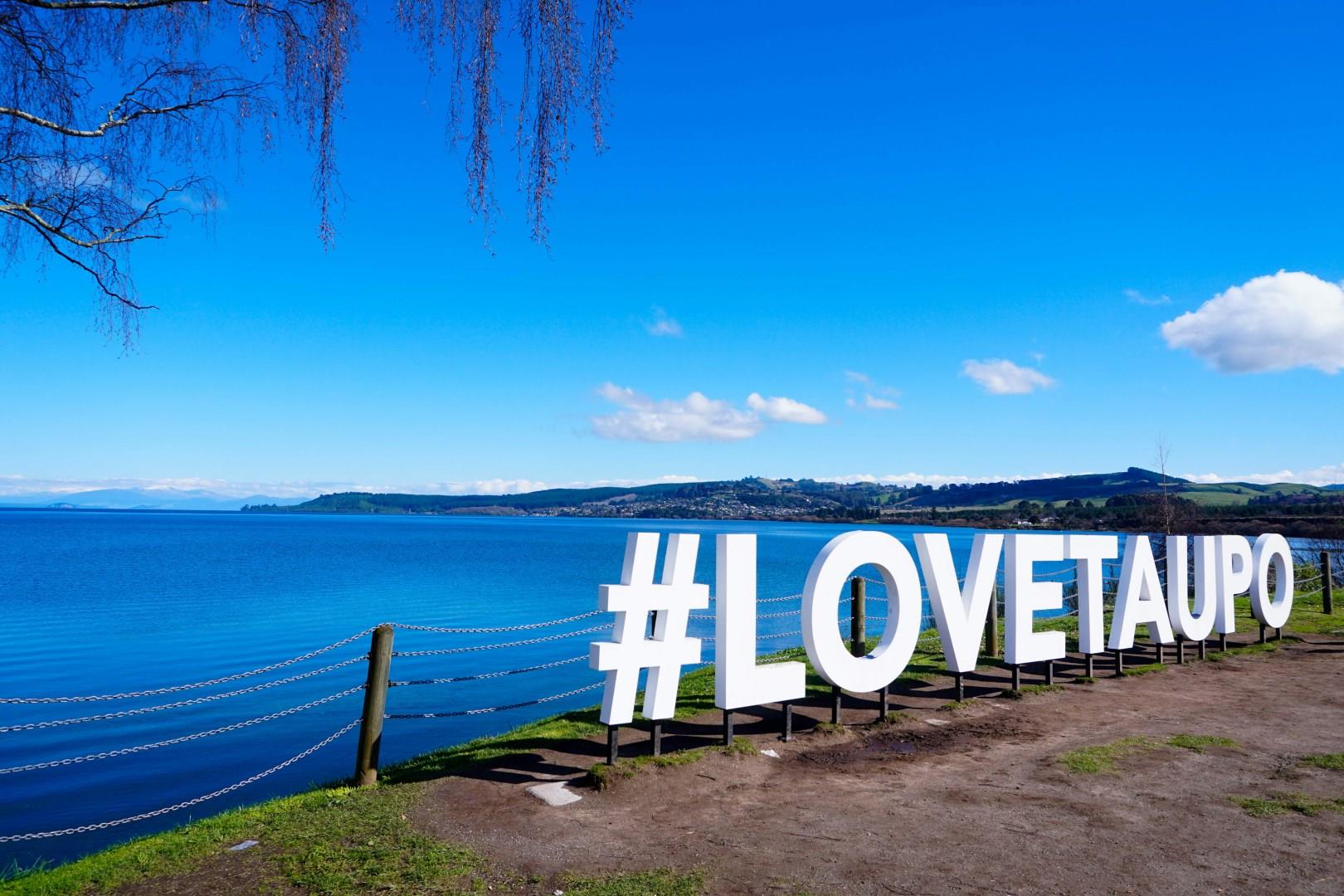
Taupō
Taupō, located in the heart of New Zealand’s North Island, is built along the shores of Lake Taupō, which is the largest freshwater lake in Australasia, formed nearly two thousand years ago by a massive volcanic eruption. That eruption was so powerful, it was recorded in ancient Chinese and Roman texts, even though it occurred halfway across the world. Today, the lake is calm, clear, and central to life in the region, offering everything from trout fishing to kayaking and lakeside cycling.

South Africa
South Africa is a country where landscapes and cultures unfold in remarkable variety. From the rugged cliffs of the Cape of Good Hope to the open plains of Kruger National Park, it offers experiences shaped by both nature and history.
