

Antigua & Barbuda
Antigua and Barbuda, a twin-island nation in the Caribbean, is celebrated for its 365 beaches, one for every day of the year. Together, they offer a balance of culture, heritage, and natural splendor.

Pula
Pula, a historic city located on the Istrian Peninsula in Croatia, is renowned for its impressive Roman heritage and vibrant cultural scene. The city's centerpiece is the Pula Arena, one of the best-preserved Roman amphitheaters in the world. This monumental structure, built in the 1st century AD, offers visitors a glimpse into ancient spectacles and gladiatorial contests. Today, it hosts various events, including concerts and film festivals.
Monopoli
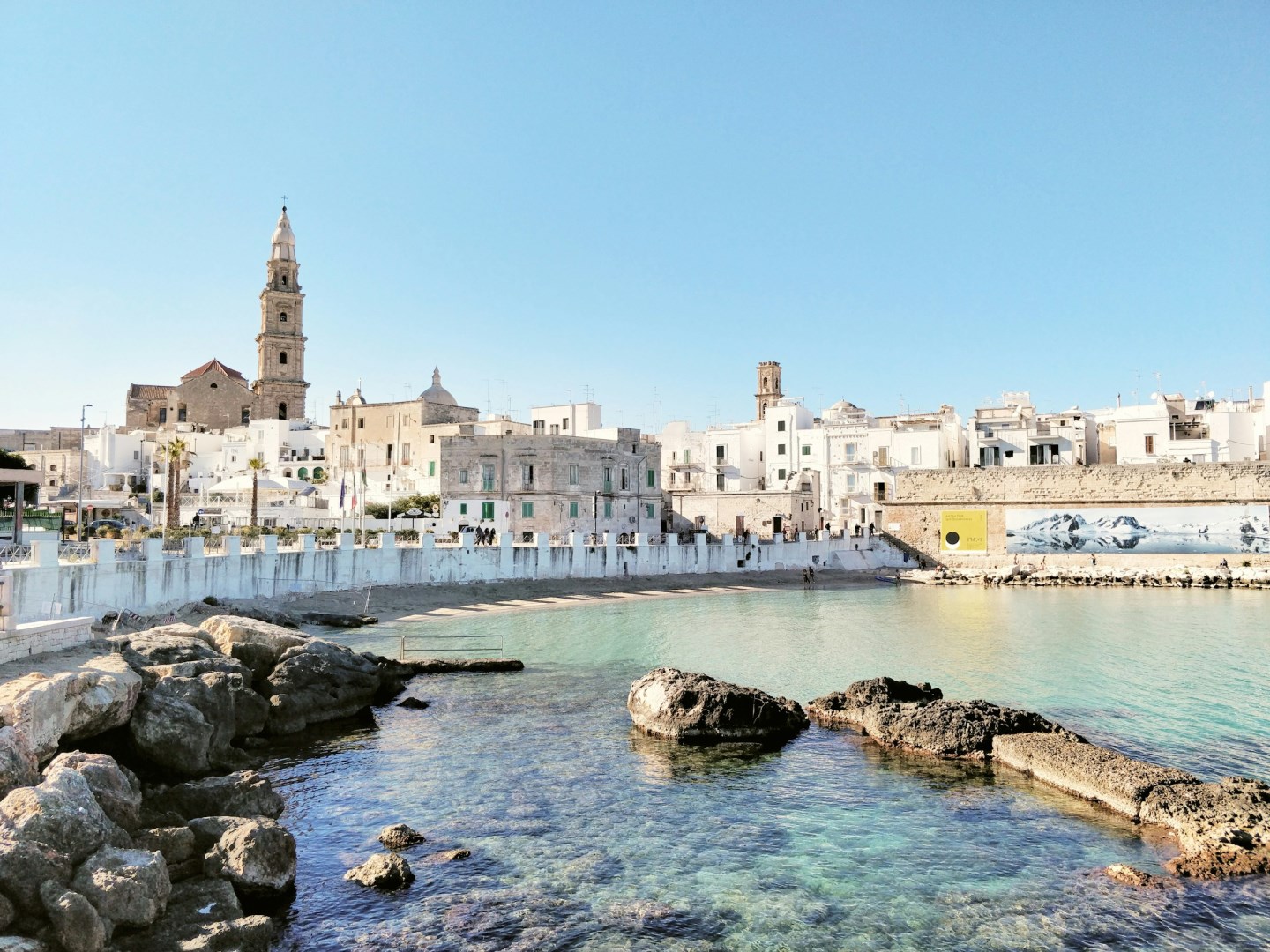
Monopoli is a coastal town in Puglia, on the Adriatic Sea, with a historic center built around a small natural harbor. Its old town is enclosed by defensive walls and bastions, while narrow lanes lead between whitewashed houses, churches, courtyards, and small squares. The waterfront remains closely connected to local life, with fishing boats gathered around the harbor and beaches extending along the coast outside the historic center.
Lome
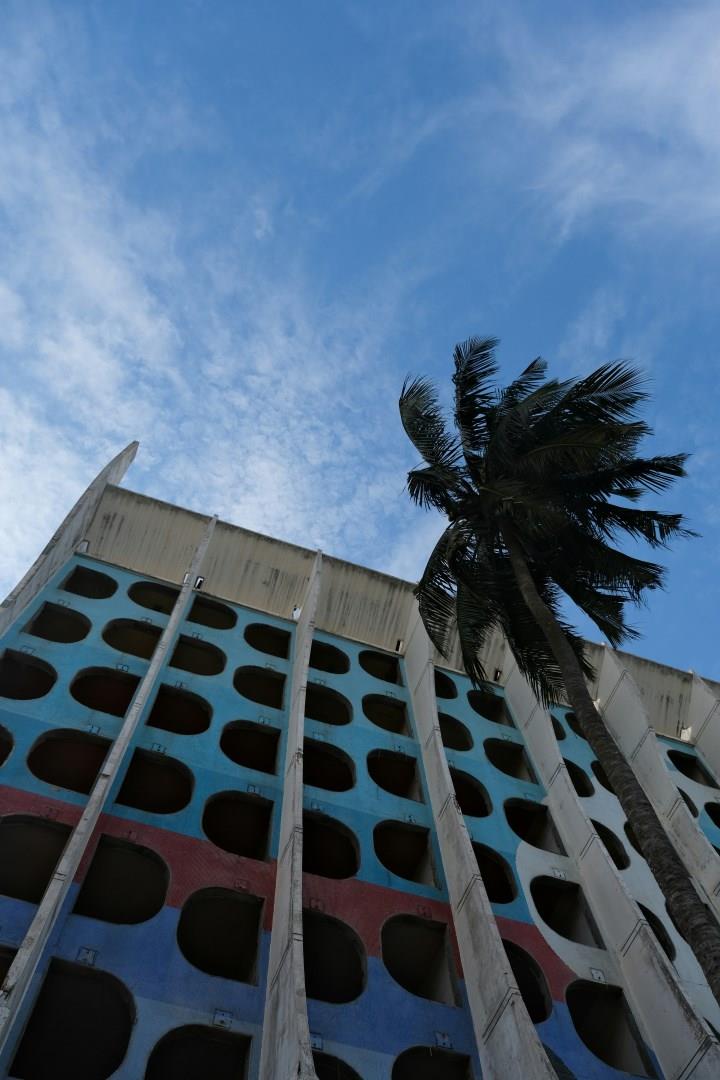
Lomé, the capital city of Togo, sits along the Gulf of Guinea and serves as both the political and cultural heart of the country. Lomé’s coastline features beaches where locals gather and where visitors can enjoy views of the Atlantic Ocean.
A Coruna
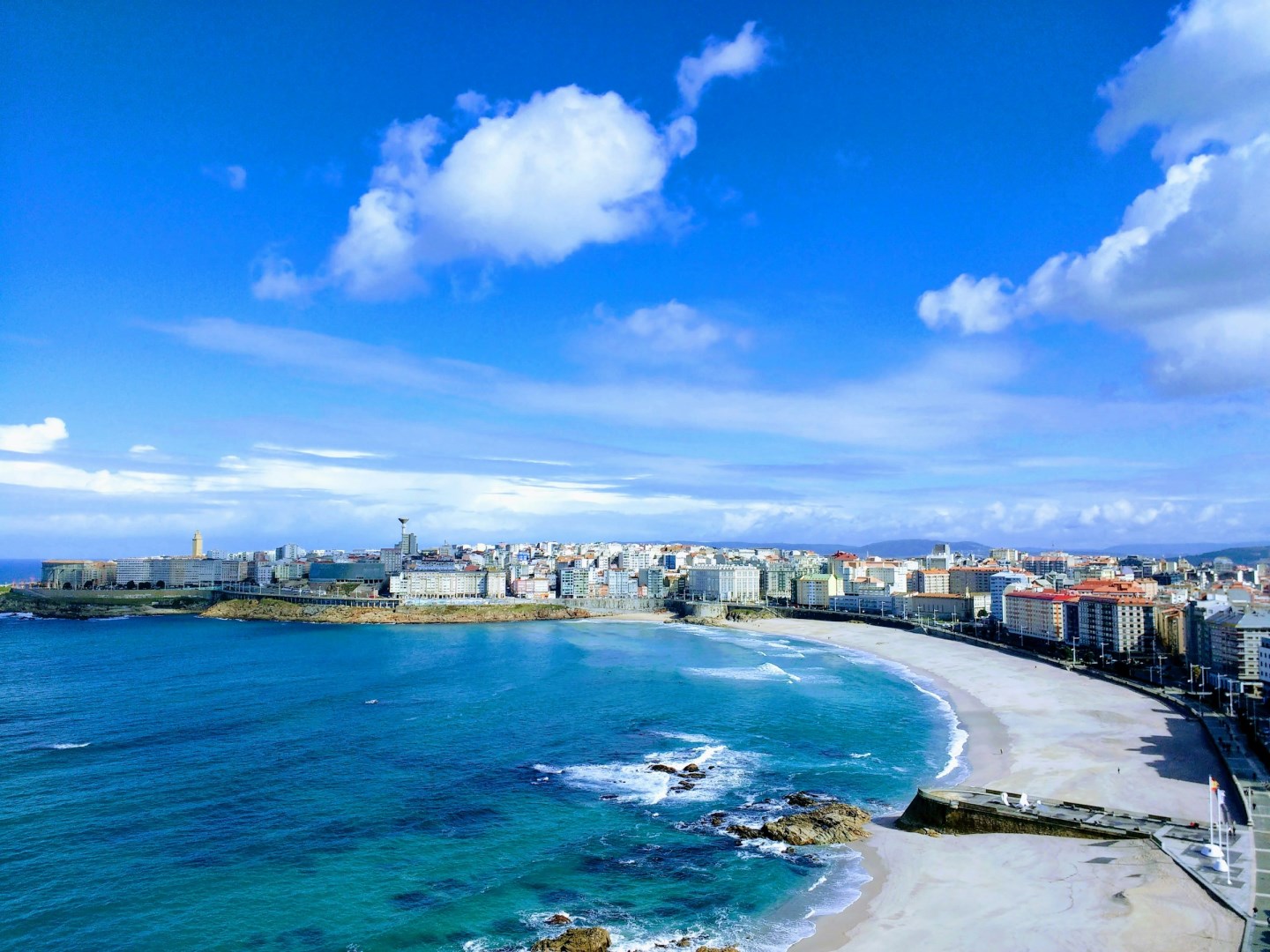
Perched on the northern coast of Spain, A Coruña (or La Coruña) is a captivating city with a rich maritime heritage and scenic beauty. Dominated by its iconic lighthouse, the Torre de Hércules, which is the oldest functioning lighthouse in the world, A Coruña offers a unique glimpse into ancient engineering.
