
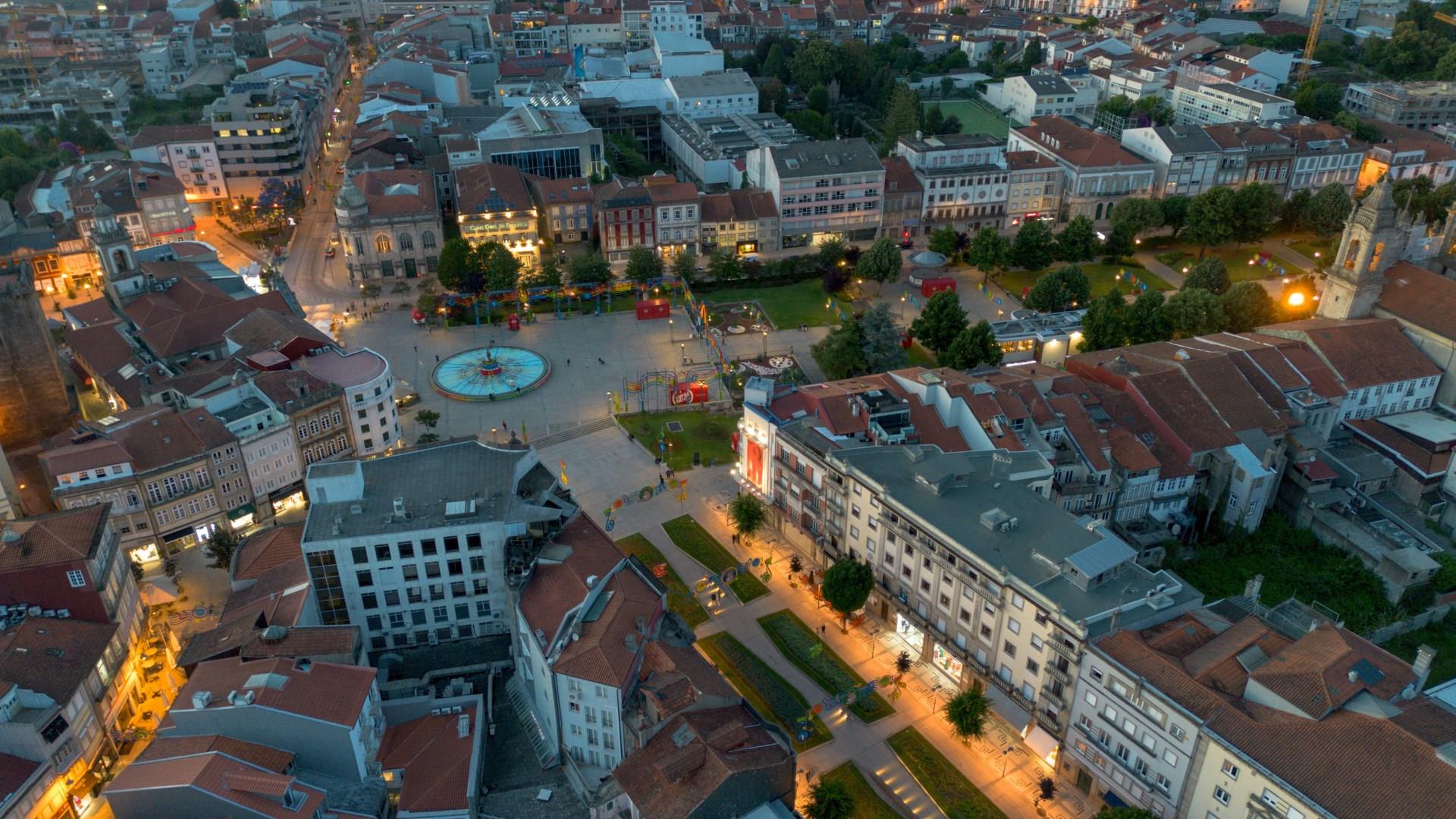
Braga
Braga, one of Portugal’s oldest and most vibrant cities, blends deep religious heritage with a youthful, energetic spirit. Founded over two millennia ago by the Romans as Bracara Augusta, the city has long been a center of faith and culture, earning it the nickname “the Rome of Portugal.”
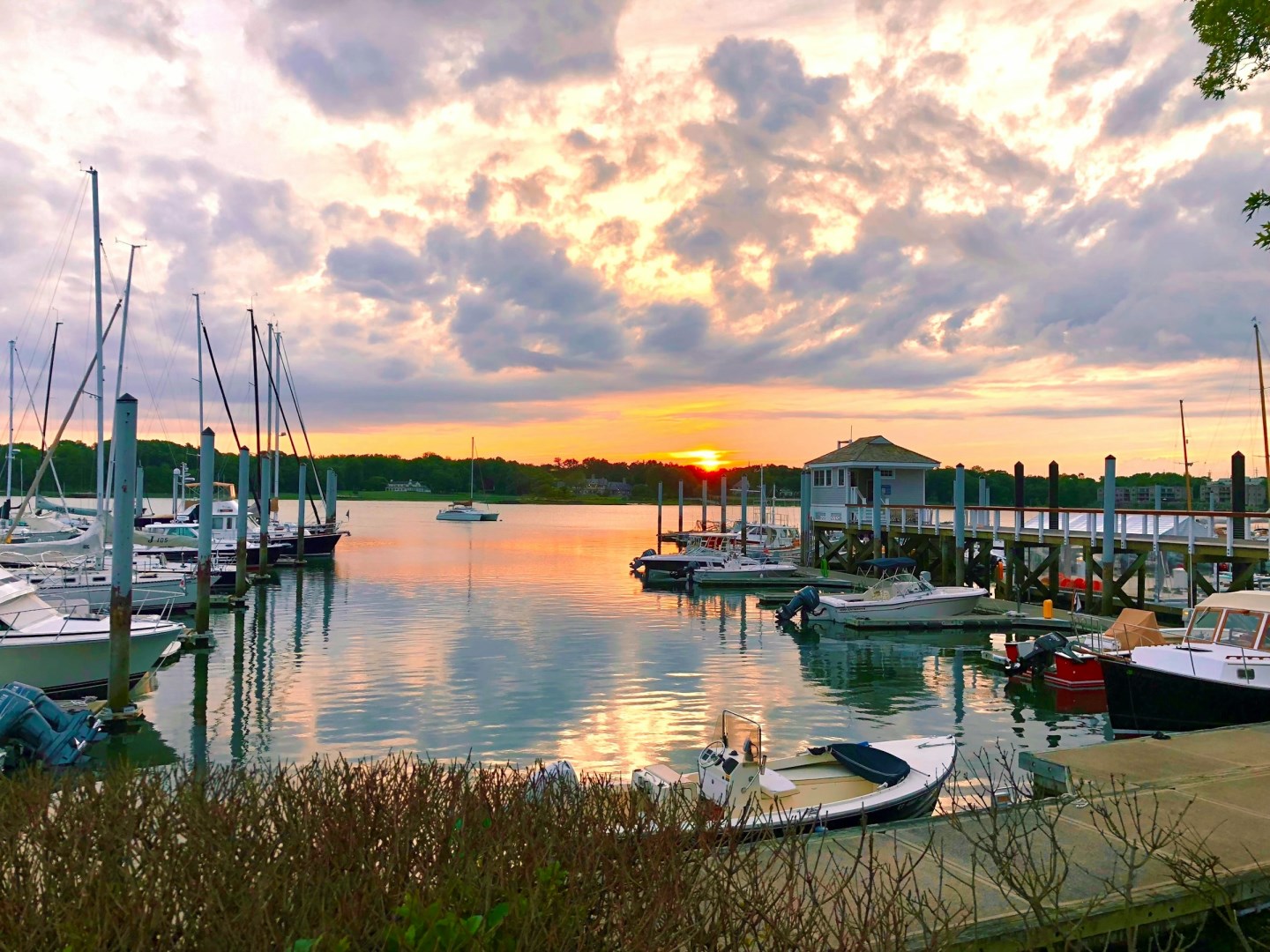
Connecticut
Connecticut may be one of the smallest states in the U.S., but it packs in more variety than many places twice its size. From classic New England villages and coastal towns to modern cities with thriving food and arts scenes, Connecticut surprises visitors with its contrasts. Each season brings a different reason to visit from the brilliant fall foliage and snowy town greens to spring festivals and sunny beach days on the Long Island Sound.
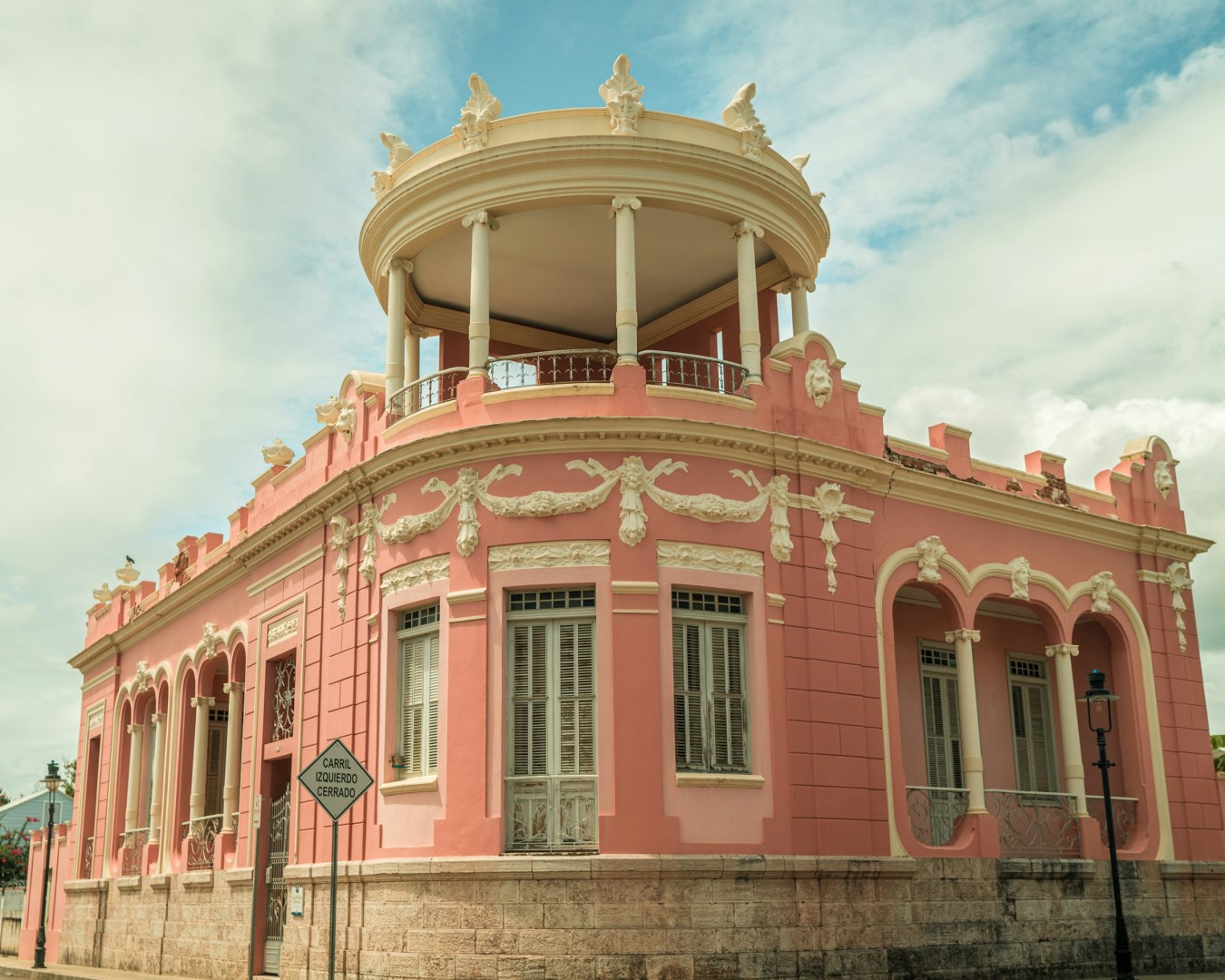
Ponce
An industrial center and the island's chief Caribbean port. Tourism, sugar refining, and distilling are important. Founded in the early 16th century, it is one of the oldest cities in the Americas.

Caudebec
Set along the Seine, Caudebec-en-Caux is notable for its dramatic Notre-Dame church and Maison des Templier (The Templars' House).

Brazil
Brazil is a country that moves to its own rhythm whether it be samba, bossa nova, the roar of waterfalls or the quiet of the rainforest. Stretching from the Amazon Basin to the Atlantic coastline, Brazil offers both iconic cityscapes and vast natural frontiers. In Rio de Janeiro, visitors can ride a cable car up to Sugarloaf Mountain, watch the sunset from Arpoador, or join a drumbeat-filled bloco during Carnival, where the streets turn into one massive celebration of music, movement, and color.
