
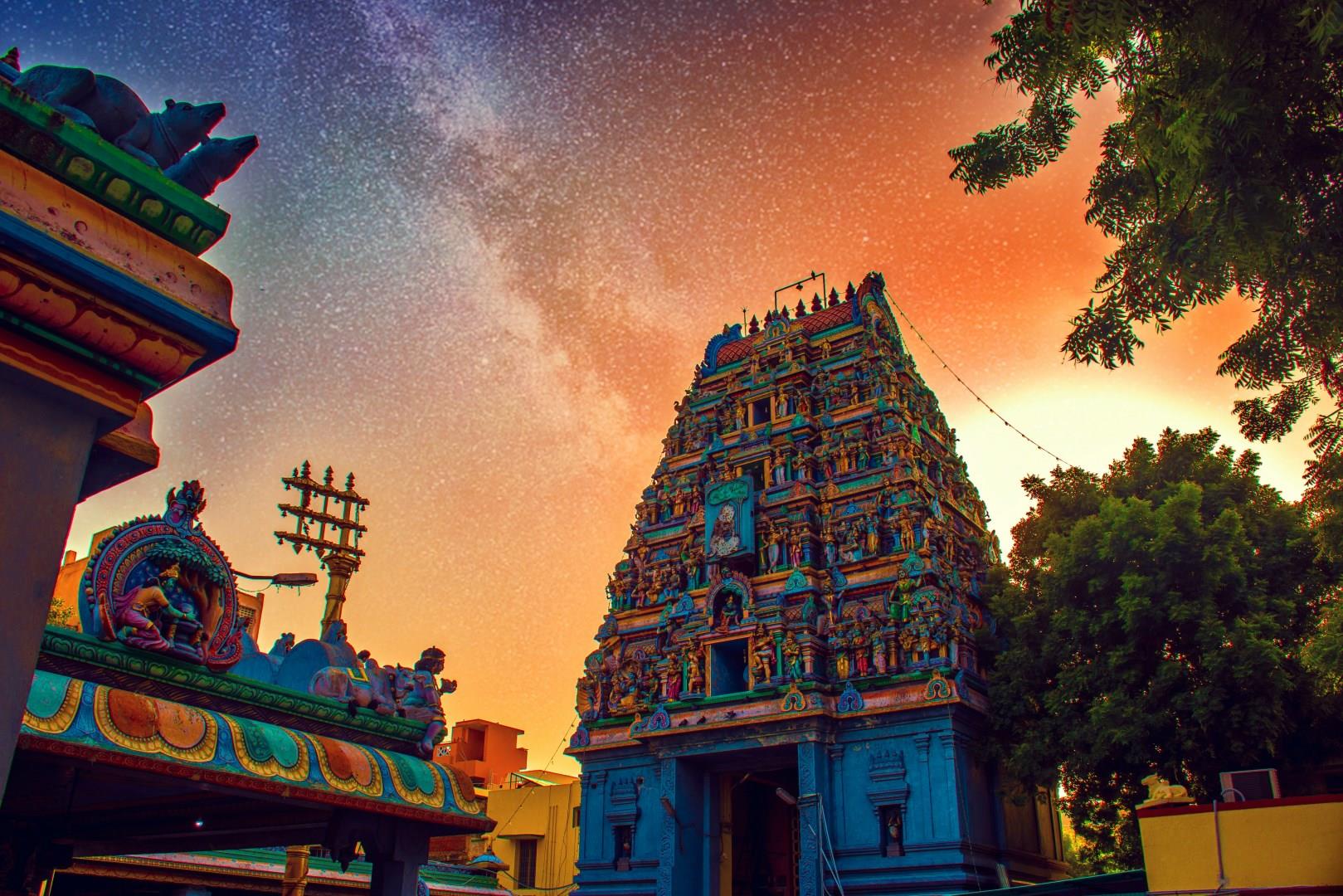
Chennai
Chennai, the capital of Tamil Nadu, is one of India’s oldest continuously inhabited cities, where ancient temples stand alongside colonial-era architecture and modern skyscrapers. Originally known as Madras, the city grew around Fort St. George, built by the British East India Company in 1644. One of Chennai’s most well-known features is Marina Beach, which stretches for over 13 kilometers and is among the longest urban beaches in the world.
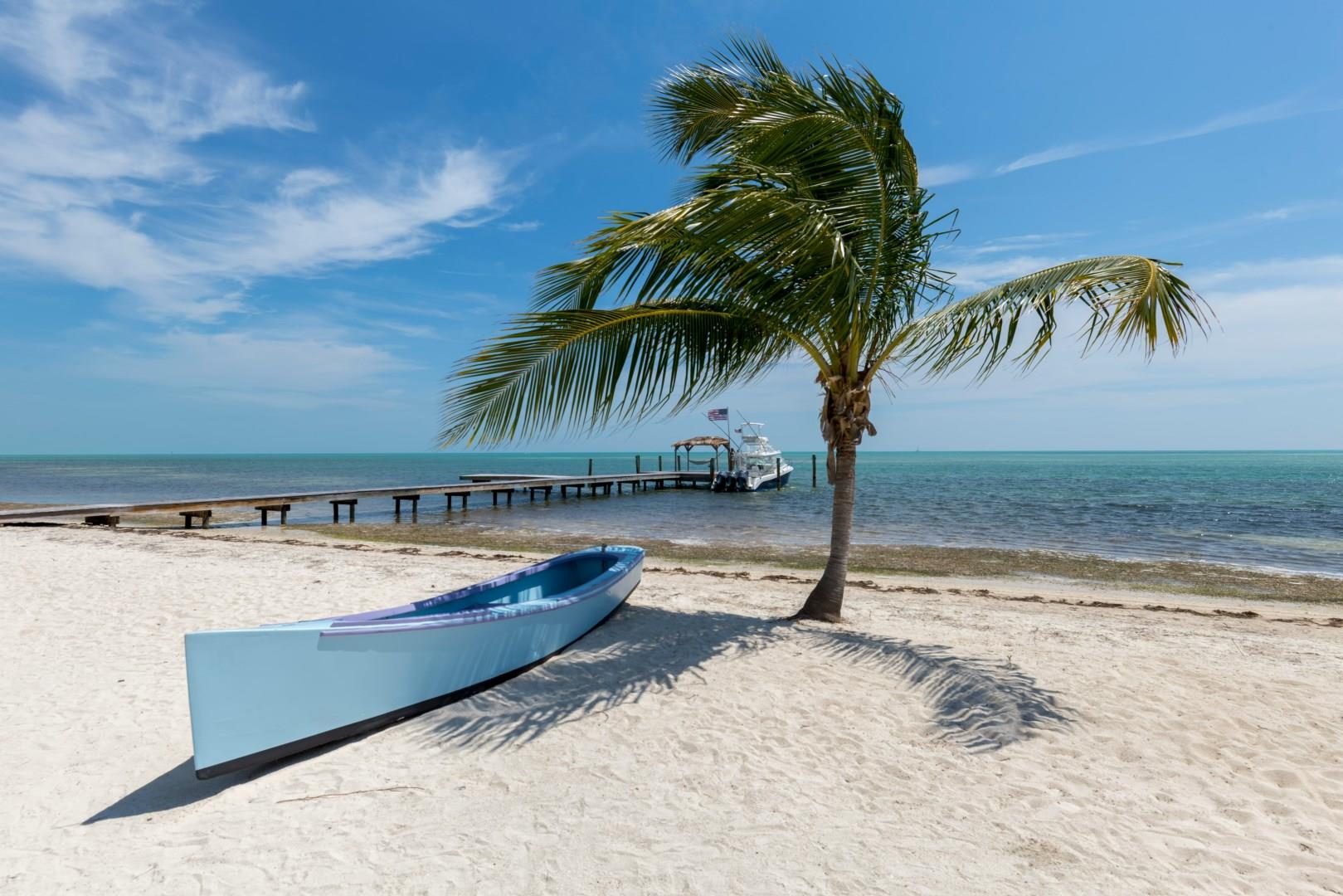
Islamorada
Islamorada, located in the Florida Keys, is a chain of islands often referred to as the “Village of Islands.” Known for its turquoise waters, coral reefs, and vibrant fishing culture, it is a premier destination for anglers, snorkelers, and divers.

Winnipeg
Winnipeg sits at the meeting point of the Red and Assiniboine rivers, a location that has shaped its role as a gathering place for thousands of years. Long before it became a modern city, the area was central to Indigenous trade networks, a legacy that remains visible today through institutions like The Forks and the Canadian Museum for Human Rights.
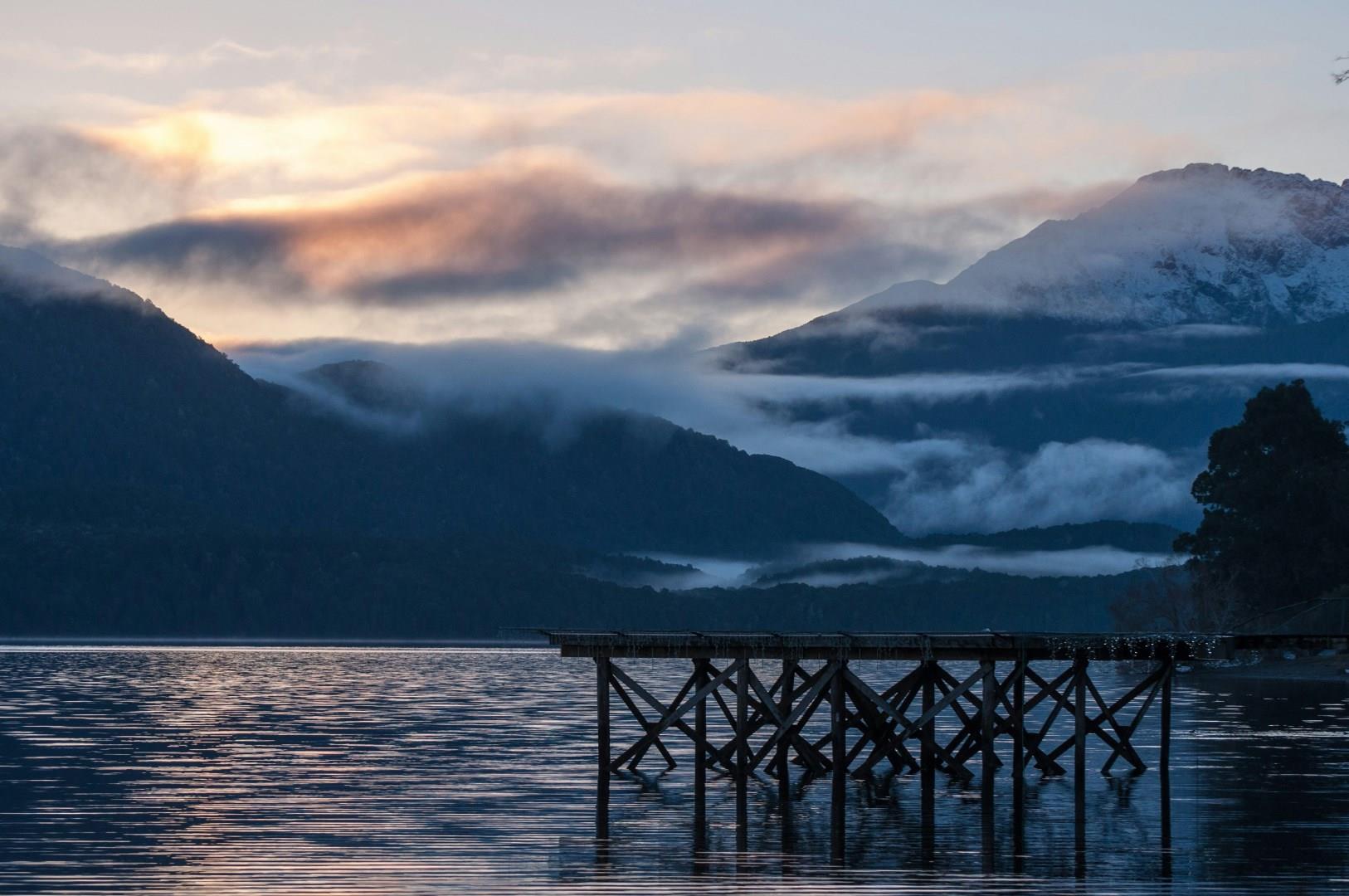
Te Anau
Te Anau sits on the edge of New Zealand’s second-largest lake, acting as the unofficial gateway to Fiordland National Park. While it’s often viewed as a starting point for trips to Milford Sound, the town itself offers a slower, more scenic way to experience the South Island’s dramatic landscapes. Te Anau’s lakefront is a mix of walking paths, local birdlife, and wide-open views across snow-dusted peaks.

Sofia
Sofia, Bulgaria’s capital, is a city where the past meets the present in a symphony of ancient history, stunning architecture, and vibrant urban life. At the heart of Sofia lies the Alexander Nevsky Cathedral, one of the largest Eastern Orthodox cathedrals in the world. With its golden domes and elaborate frescoes, this architectural marvel serves as a symbol of Bulgarian identity and a must-see attraction.
