

Lanzarote
Lanzarote, the northernmost of the Canary Islands, is a striking destination characterized by its volcanic landscapes and unique architectural heritage. Known for its otherworldly scenery, the island boasts a remarkable volcanic terrain shaped by eruptions in the 18th and 19th centuries. The Timanfaya National Park is a highlight, where visitors can witness geothermal demonstrations and explore the dramatic lava fields on a guided tour.
San Nicolas
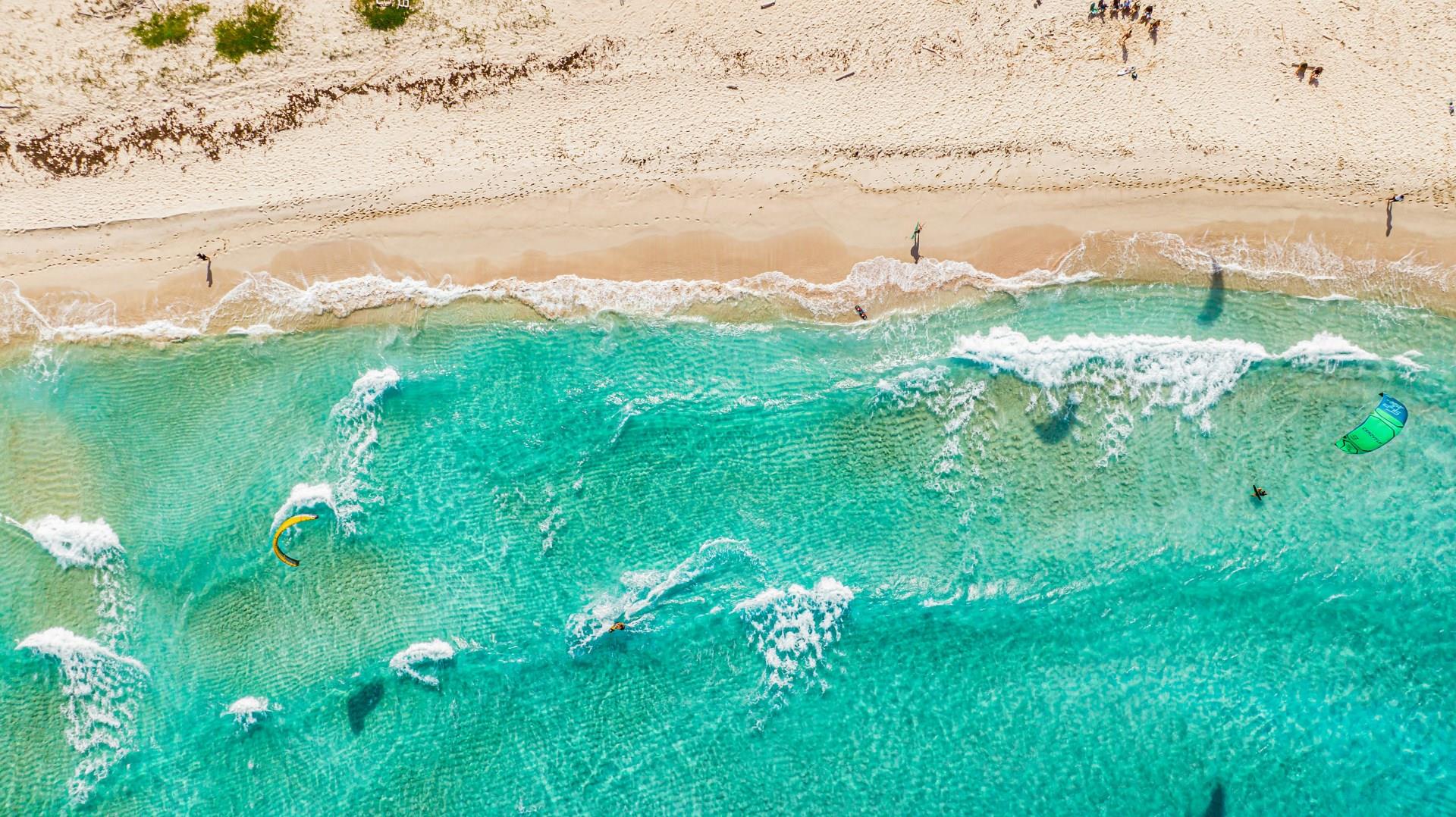
San Nicolas, known as Aruba’s “Sunrise City,” offers a completely different vibe from the island’s resort-heavy northwest coast. Located at the southeastern tip, this former oil refinery town has reinvented itself as the cultural heart of Aruba, filled with vibrant street art, local galleries, and a strong sense of community.

Tenerife Island
Tenerife is the largest isle of the Canary Islands archipelago. Famous for its black and yellow sand beaches as well as Mt. Teide, the dormant volcano that looms over the island.
Nazare
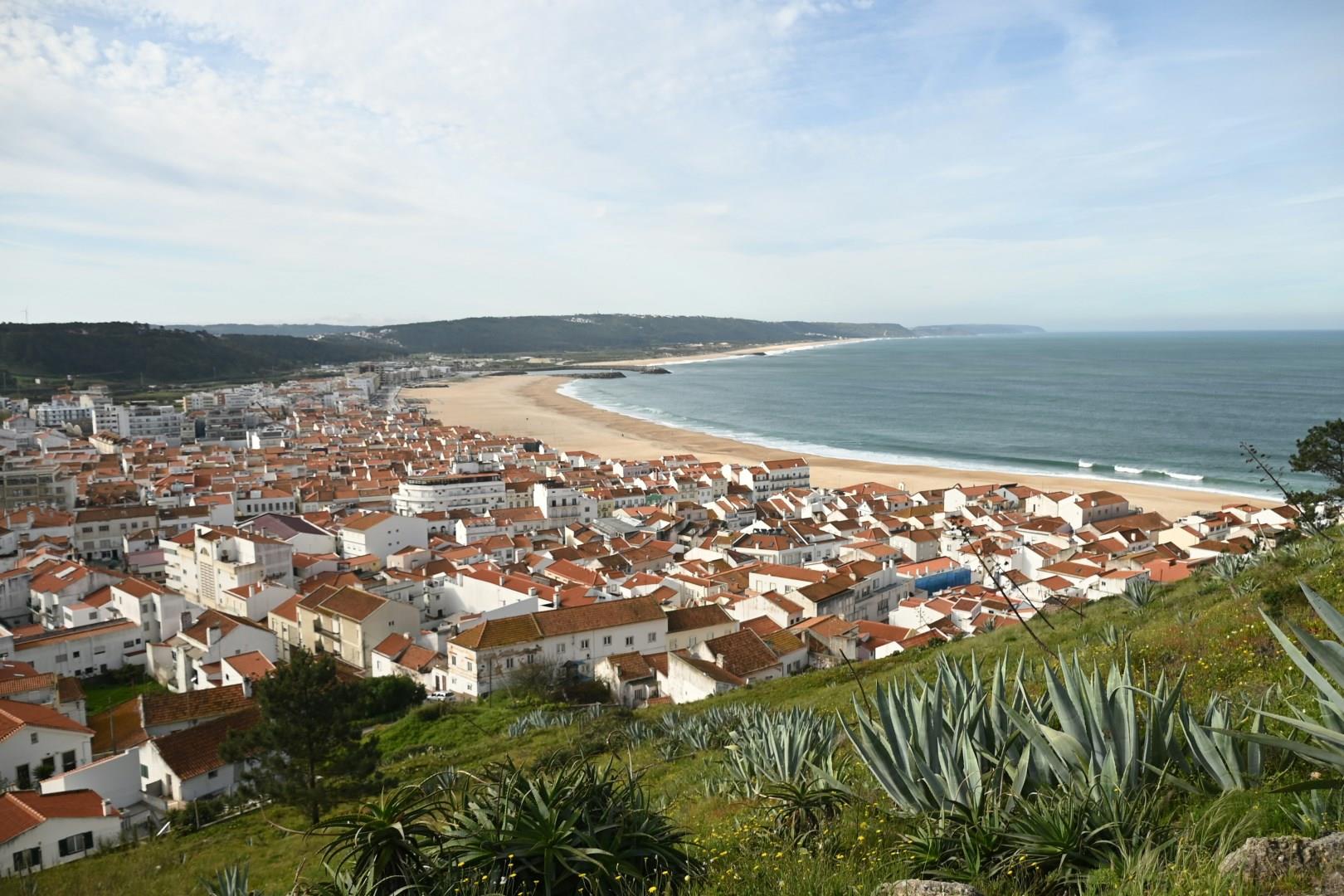
Nazaré, set along Portugal’s wild Atlantic coast, is a fishing town transformed into one of the world’s most dramatic surf destinations. Its identity is deeply tied to the sea, both in its centuries-old maritime traditions and in the awe-inspiring waves that now draw visitors from around the globe.

Mount Kenya
Mount Kenya, the majestic volcanic mountain located in central Kenya, is a natural wonder that captivates visitors with its dramatic landscapes and rich biodiversity. As Africa's second-highest peak, standing at 5,199 meters (17,057 feet), Mount Kenya offers an array of trekking routes that lead adventurers through lush forests, alpine meadows, and glacial valleys.
