
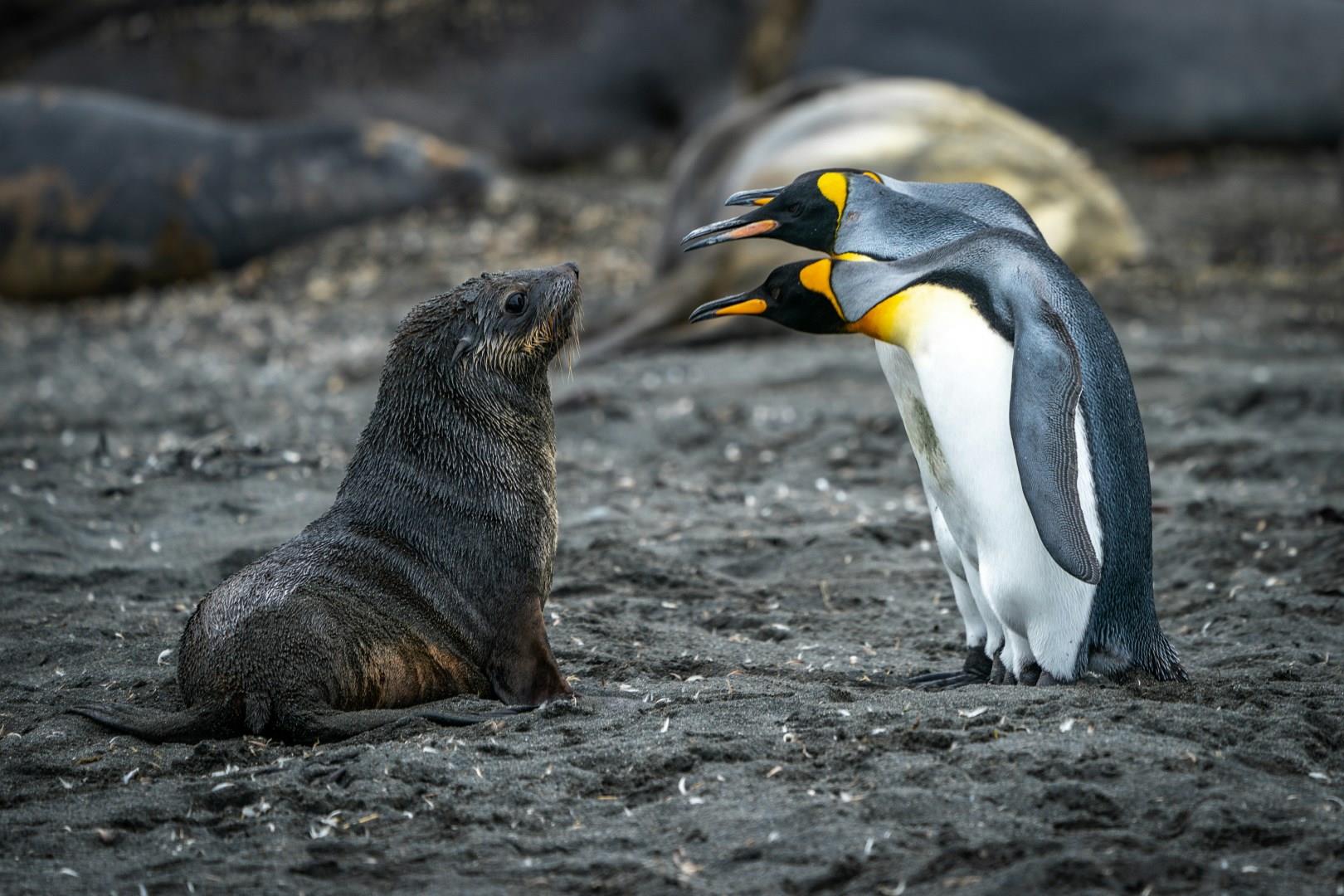
South Sandwich Islands
The South Sandwich Islands are among the most remote places on Earth, a chain of volcanic peaks rising from the Southern Ocean, over 1,300 kilometers southeast of South Georgia. With no permanent residents, no ports, and no infrastructure, these islands remain untouched by tourism in the conventional sense. What they offer instead is a rare glimpse into one of the planet’s most extreme and least disturbed environments.

Tórshavn
Tórshavn, the capital of the Faroe Islands, offers a unique blend of Scandinavian charm and rugged natural beauty. Nestled between dramatic fjords and windswept landscapes, Tórshavn is one of the smallest and most picturesque capitals in the world. Visitors can start their exploration in the historic Tinganes area, the cradle of Faroese civilization.

Wales
Wales is a country where centuries-old castles rise above green valleys and coastlines are marked by rugged cliffs and quiet coves. Its capital, Cardiff, combines modern architecture with historical landmarks like Cardiff Castle, which has Roman origins and a Victorian Gothic interior. Just outside the city, St Fagans National Museum of History offers a walk-through experience of Welsh life over the past 500 years, with original buildings relocated from across the country.

Kinderdijk
Replete with windmills and old-world charm, the village of Kinderdijk lies east of Rotterdam on the Lek River and is a popular stop for European river cruises. Home to the largest concentration of old windmills in the Netherlands, Kinderdijk was designated a UNESCO World Heritage Site in 1997.

Saint Augustine
Saint Augustine, Florida, is a charming tapestry of history and coastal beauty. As the oldest continuously inhabited European-established settlement in the continental United States, this historic city offers a fascinating glimpse into early American life. Founded by Spanish explorers in 1565, Saint Augustine boasts an array of colonial architecture and historic landmarks.
