

Istanbul
Istanbul is a city built on layers of empire. Spanning two continents, it was once the capital of three major empires: Roman, Byzantine, and Ottoman. Visitors walking through the Sultanahmet district can witness this timeline firsthand, from the Roman-era Hippodrome to the Byzantine mosaics of Hagia Sophia, and the towering minarets of the Blue Mosque. At nearby Topkapi Palace, rooms still display the jeweled swords, ceremonial robes, and handwritten Qurans once used by Ottoman sultans.

Heidelberg
Heidelberg, located along the scenic banks of the Neckar River in southwestern Germany, is a city steeped in history, culture, and charm. Known for its prestigious university, which is one of the oldest in Europe, the city draws visitors with its picturesque old town, medieval architecture, and vibrant academic atmosphere.

Fez
A series of gates surrounds the two centers of ancient, medieval Fez (sometimes spelled Fes). The principal axes link the center to the gates and a street surrounds the heart of the old city. The Kairouan quarter, which is longer, is crossed by an artery. Narrow, tortuous pedestrian streets, covered passages, stairs and numerous dead-ends make up the dense layout with few urban squares.

Toronto
The capital of Ontario and Canada's largest city, Toronto is a vibrant destination on the banks of Lake Ontario. Highlights of this striking cultural capital include the looming CN Tower (featuring a revolving restaurant), Casa Loma, Toronto Island Park, Royal Ontario Museum, and Ripley's Aquarium of Canada.
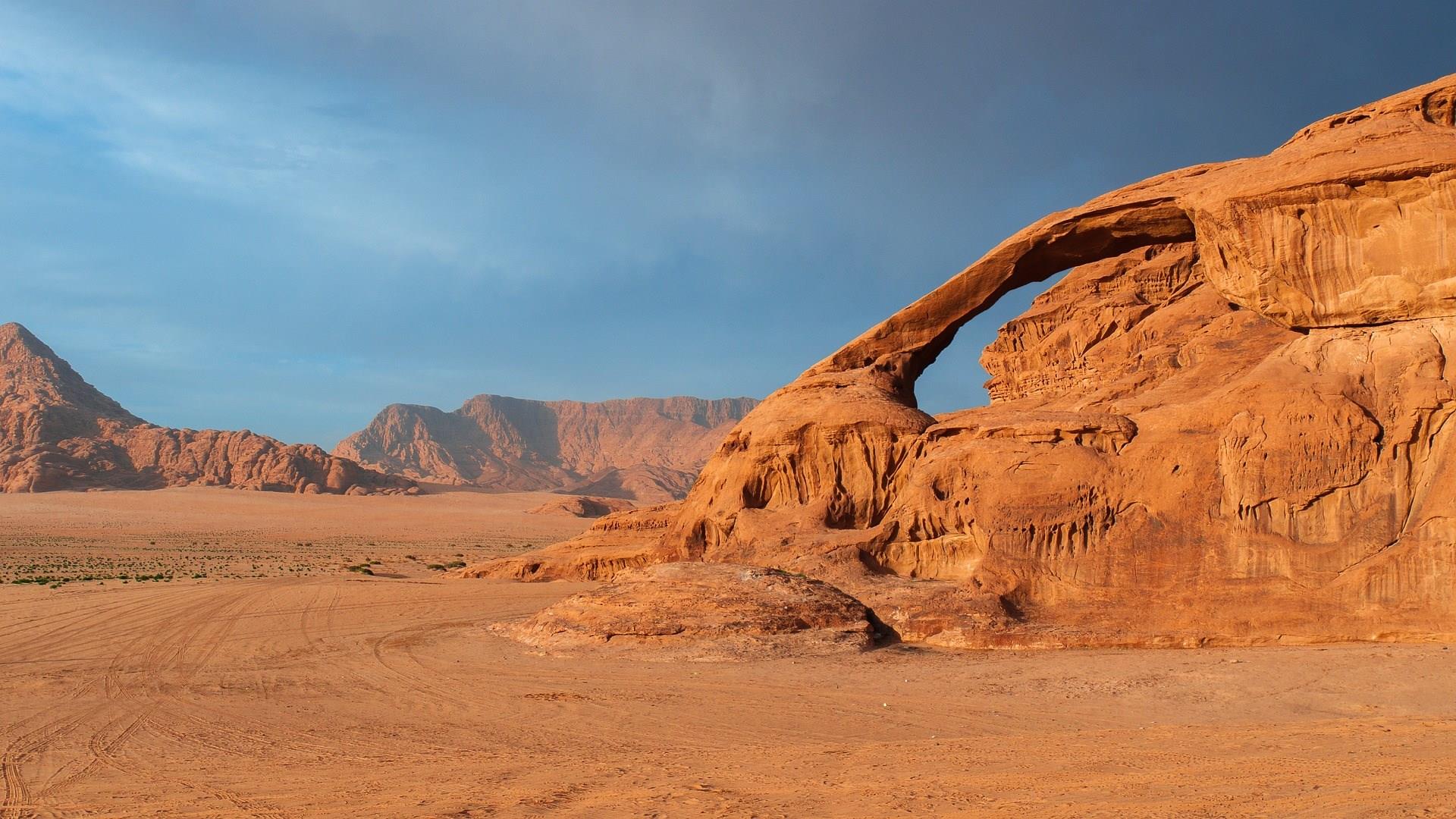
Wadi Rum
Wadi Rum, often called the “Valley of the Moon,” is a desert landscape in southern Jordan renowned for its dramatic sandstone mountains, sweeping red sand dunes, and ancient history carved into the rock. Its vast, otherworldly scenery has made it both a UNESCO World Heritage Site and a backdrop for films set on distant planets.
