
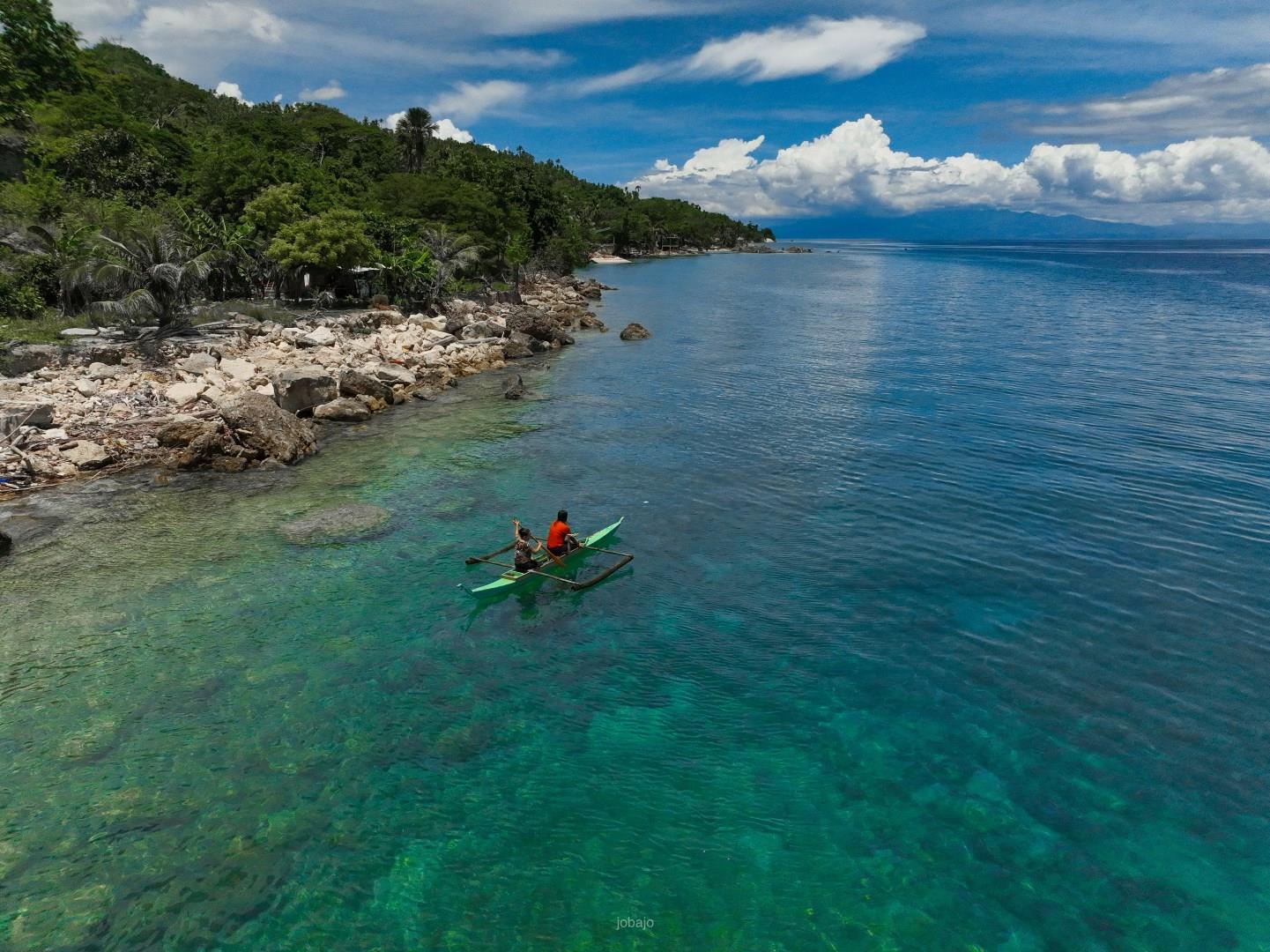
Cebu
Cebu sits at the center of the central Philippines, shaped by seafaring trade and early colonial contact. It was here that Spanish rule first took hold in the 16th century, leaving a legacy visible in churches, street patterns, and long-standing ties to Catholic tradition.
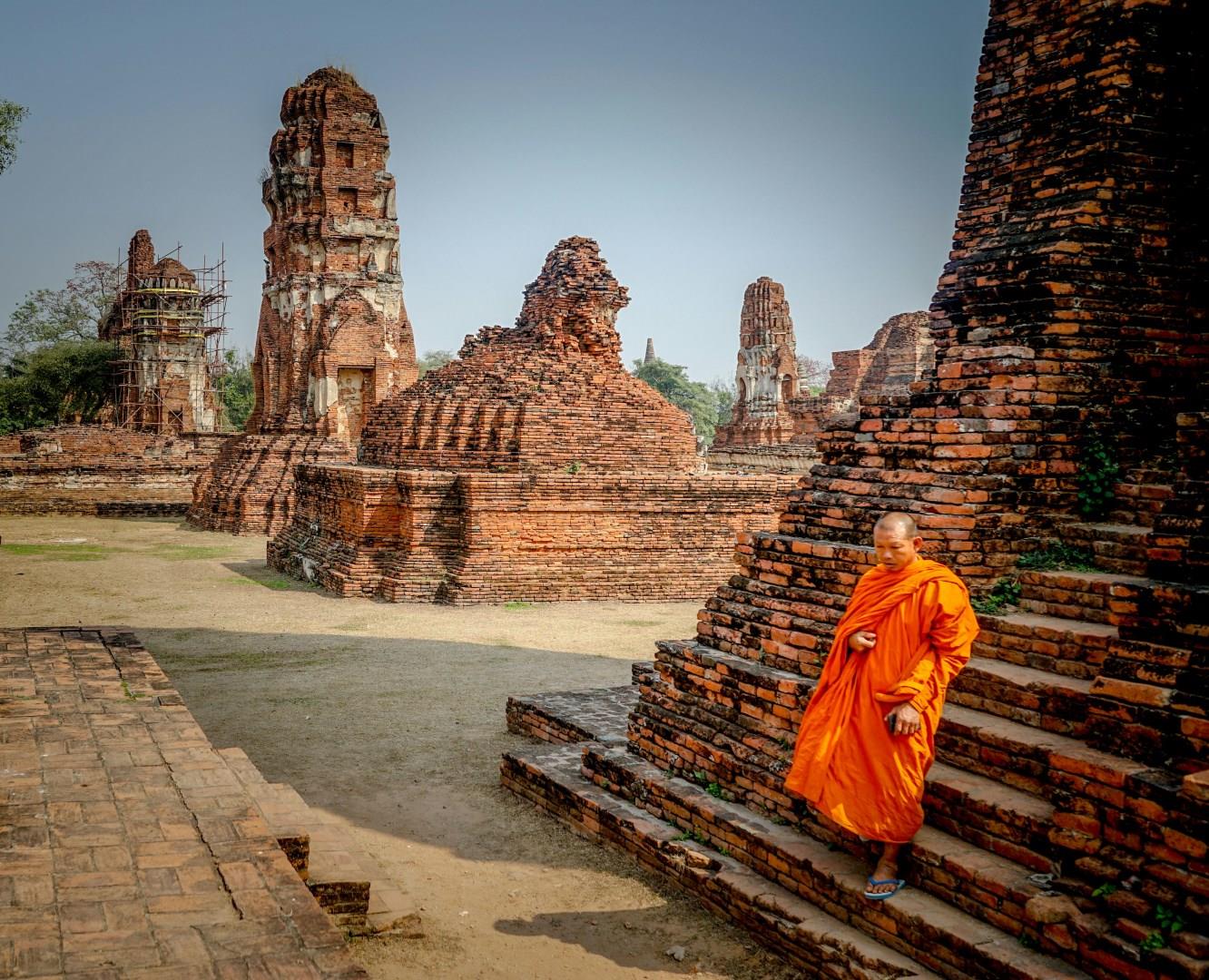
Ayutthaya
Ayutthaya, located about 80 kilometers north of Bangkok, Thailand, was the capital of the Ayutthaya Kingdom from the 14th to the 18th century. Its ruins, set among rivers and canals, reveal a once-thriving city that was a hub of trade, politics, and culture, linking Southeast Asia with China, India, and Europe.
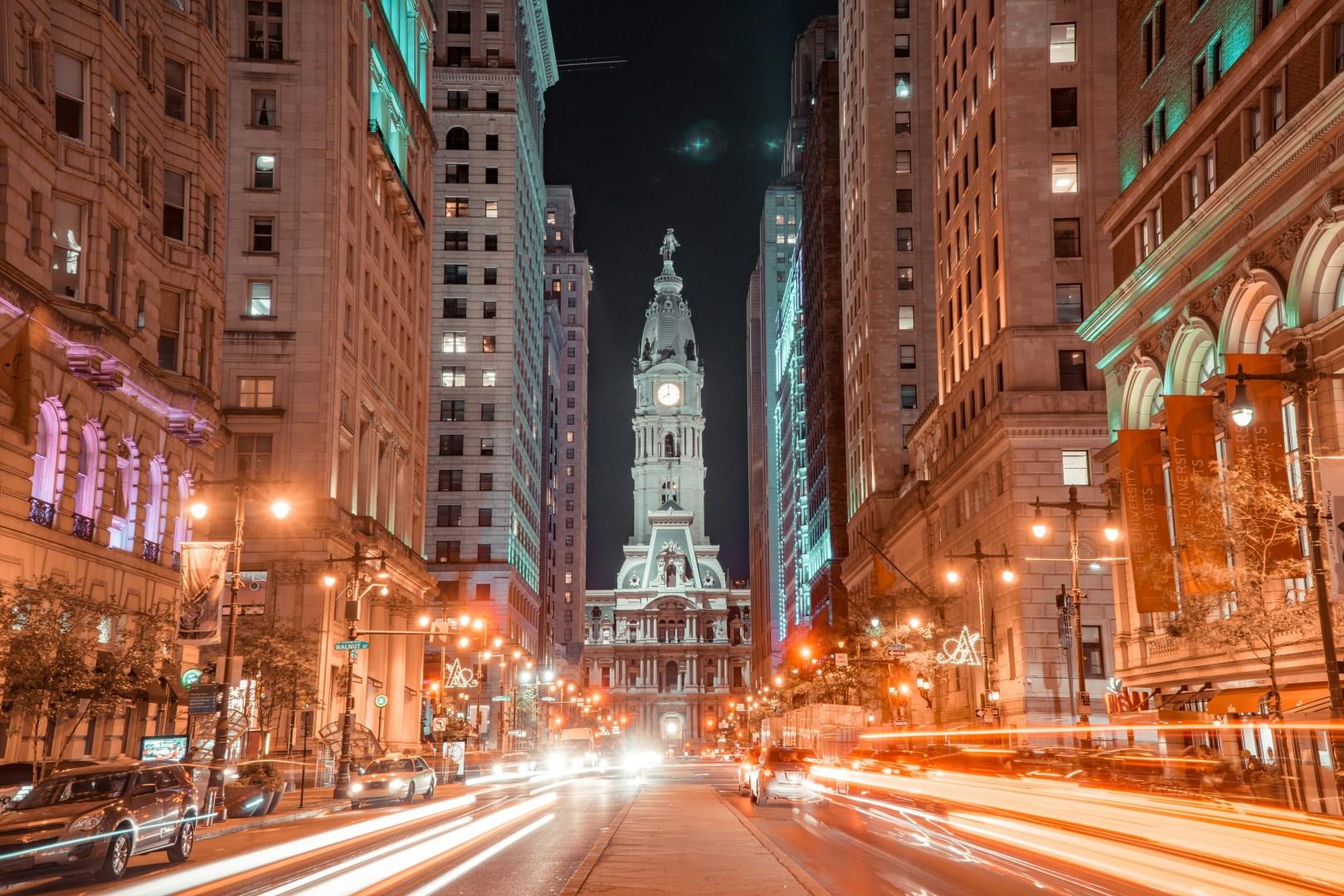
Philadelphia
Philadelphia, the birthplace of American democracy, offers visitors a rare opportunity to walk through the very streets where the nation’s founding ideals were debated, signed, and set into motion. The city's art scene is as bold as its history. The Philadelphia Museum of Art is home to works by Van Gogh, Duchamp, and an entire Japanese teahouse, but it might be better known for the "Rocky Steps" out front, where visitors recreate the famous movie scene daily.
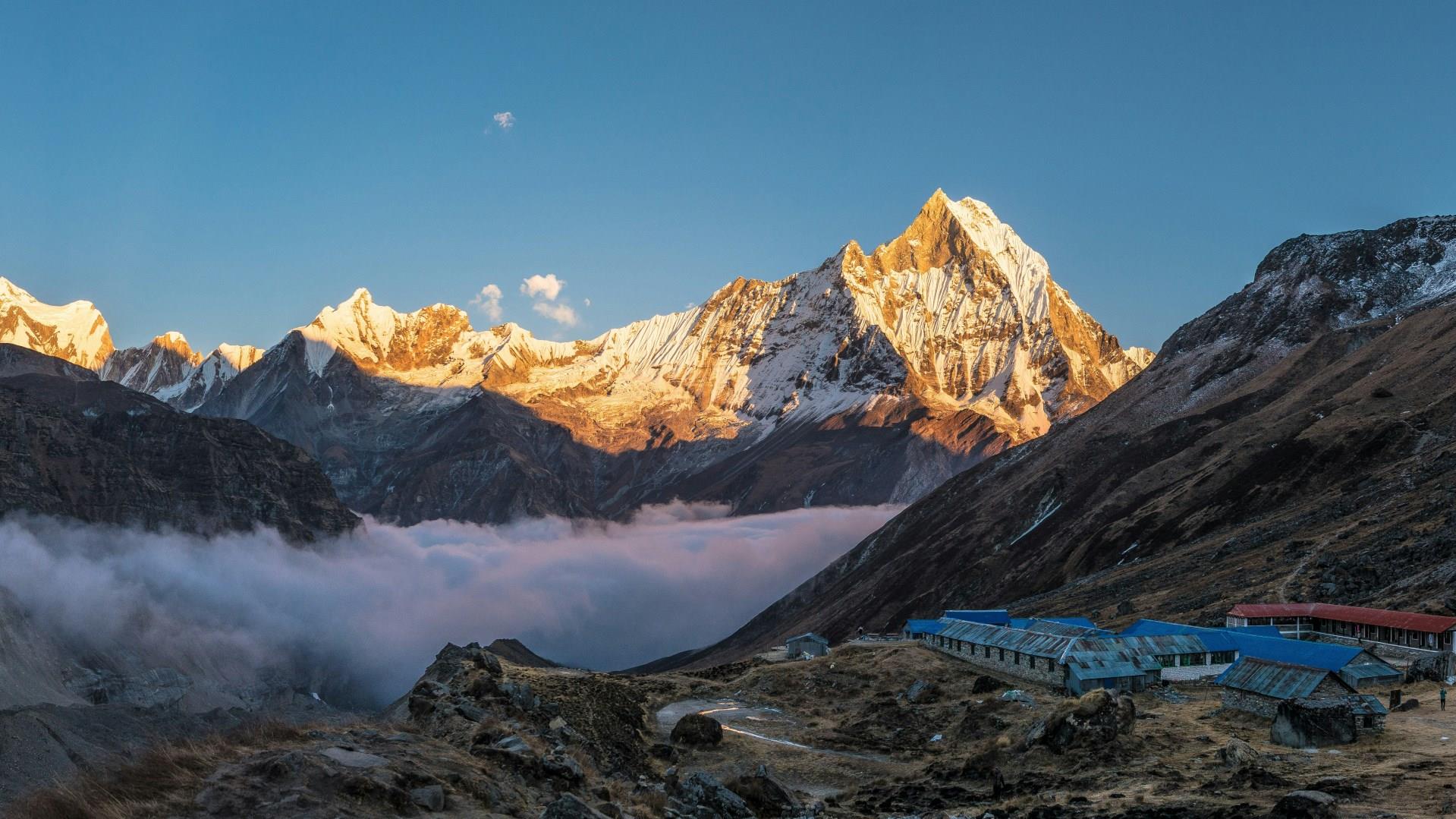
Annapurna
The Annapurna region of central Nepal is defined by both cultural depth and extreme topography. Home to a wide range of ethnic communities, including Gurung, Thakali, and Manangi peoples, the area has long been shaped by trans-Himalayan trade routes and mountain agriculture.

Brighton
Brighton, a vibrant seaside city on England's southern coast, has long been a favorite getaway for those seeking a mix of culture, history, and the sea. Its most famous landmark, the Royal Pavilion, is an architectural wonder with its exotic, Indian-inspired domes and minarets. Originally built for King George IV as a lavish seaside retreat, the palace today offers visitors a glimpse into royal opulence with its richly decorated interiors and sprawling gardens.
