
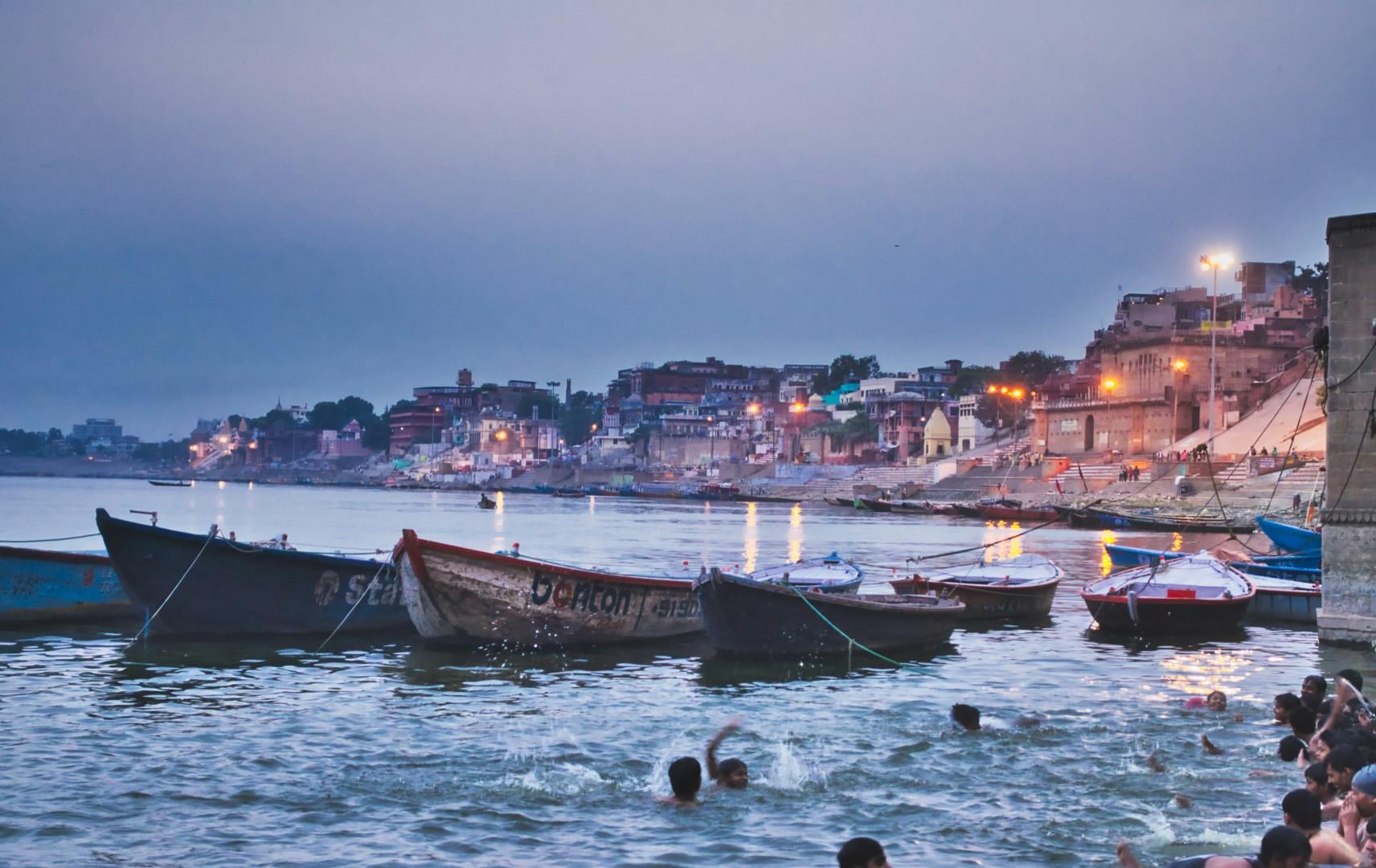
Varanasi
Varanasi sits along the sacred Ganges River in northern India as one of the oldest continuously inhabited cities in the world. It is a place where daily life and rituals flow together on the long stone steps called ghats that reach down to the water. Visitors often rise early for a sunrise boat ride, watching as light spreads across the river and pilgrims make gentle offerings to the water.
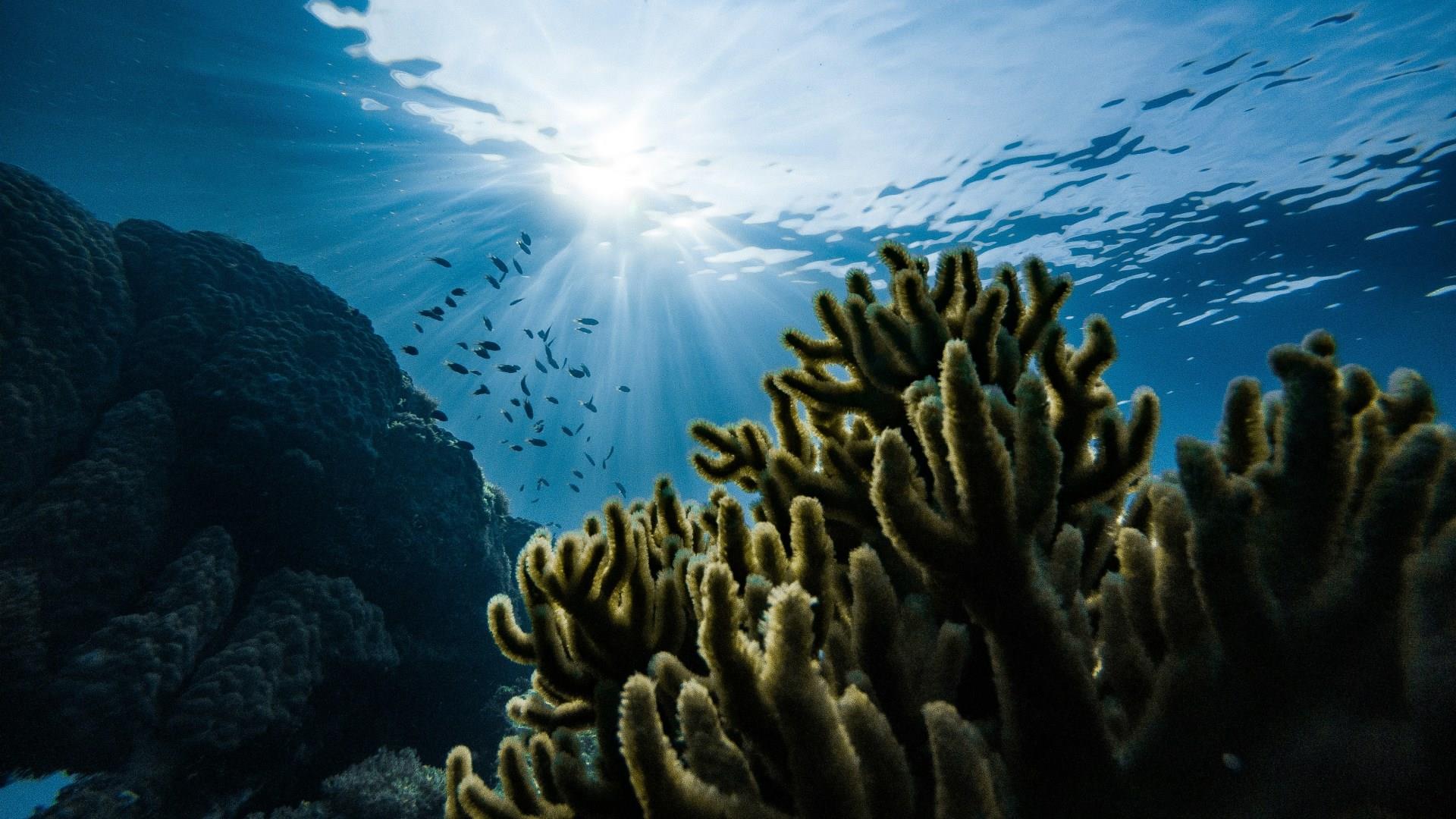
Chuuk
Chuuk, one of the four states of the Federated States of Micronesia, is best known for its vast lagoon which is one of the largest enclosed lagoons in the world. But what sets Chuuk apart is what lies beneath those calm blue waters: an entire underwater fleet of sunken warships, aircraft, and submarines left from World War II. Often called the "Ghost Fleet of Truk Lagoon," these wrecks make Chuuk a global destination for experienced divers.

Windhoek
Windhoek, the capital city of Namibia, is a vibrant and cosmopolitan hub nestled in the heart of the country. With its mix of German colonial architecture and modern African charm, Windhoek offers visitors a unique blend of history and contemporary culture. The city’s skyline is dominated by the striking Christuskirche, a Lutheran church built in 1907, which stands as a symbol of Namibia's German colonial past.

Zanzibar
Zanzibar Island, off the coast of Tanzania, is a captivating destination where history and natural beauty converge. The island’s Stone Town, a UNESCO World Heritage Site, is a maze of narrow alleys, vibrant markets, and historical buildings. Wander through the bustling Darajani Market, where local spices, textiles, and crafts create a sensory feast.

Kalambaka
Nestled in the heart of Greece's Thessaly region, Kalabaka is a charming town renowned for its striking natural and historical attractions. Most famous for its proximity to the Meteora rock formation, Kalabaka offers a unique blend of geological marvel and spiritual history.
