
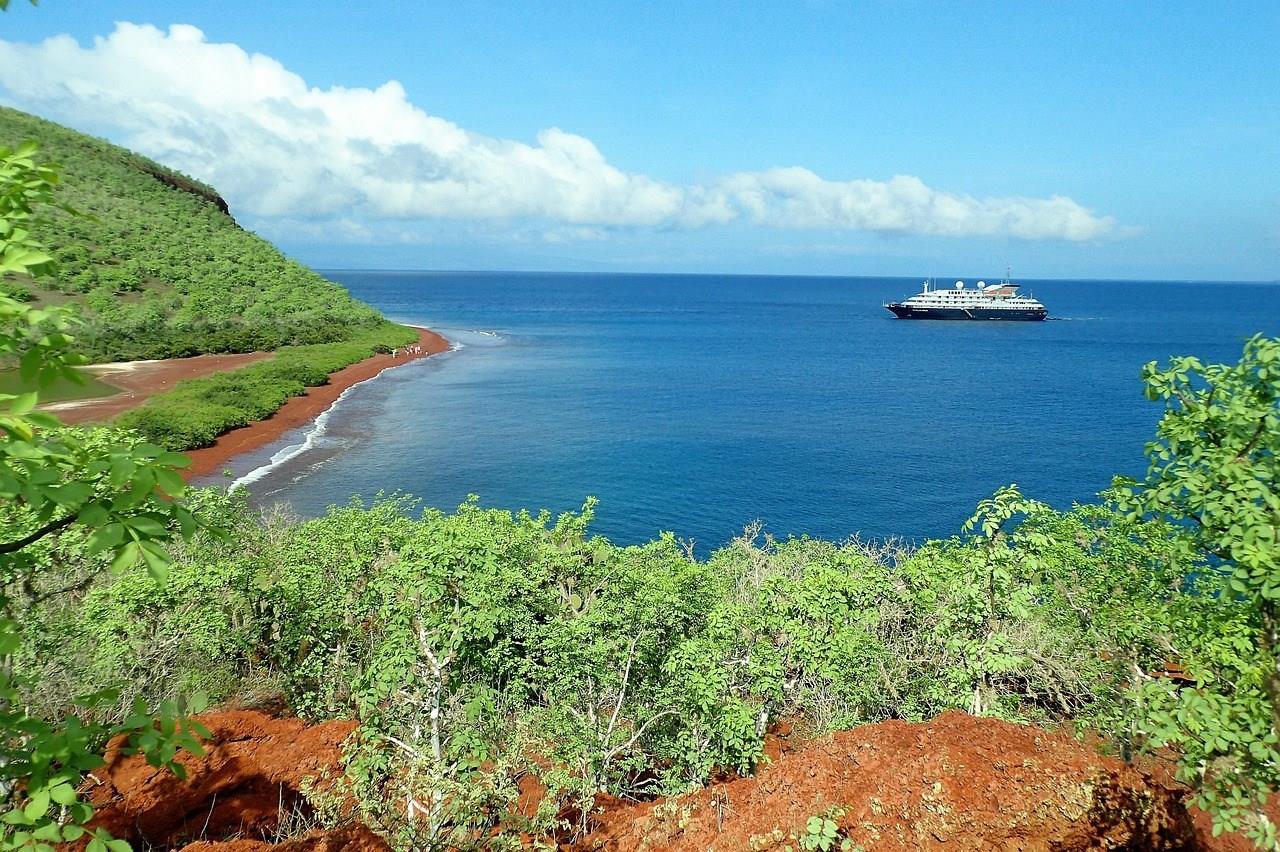
Rabida Island
Rábida Island is one of the most visually striking islands in the Galápagos, known for its deep red volcanic shoreline and quiet, unspoiled atmosphere. Located near the center of the archipelago, the island is geologically young, with iron-rich lava giving its beaches a dramatic rust-colored hue.

Copper River
Copper River, Alaska's fourth largest river travels from the dry interior climate to the temperate rainforest along Prince William Sound.
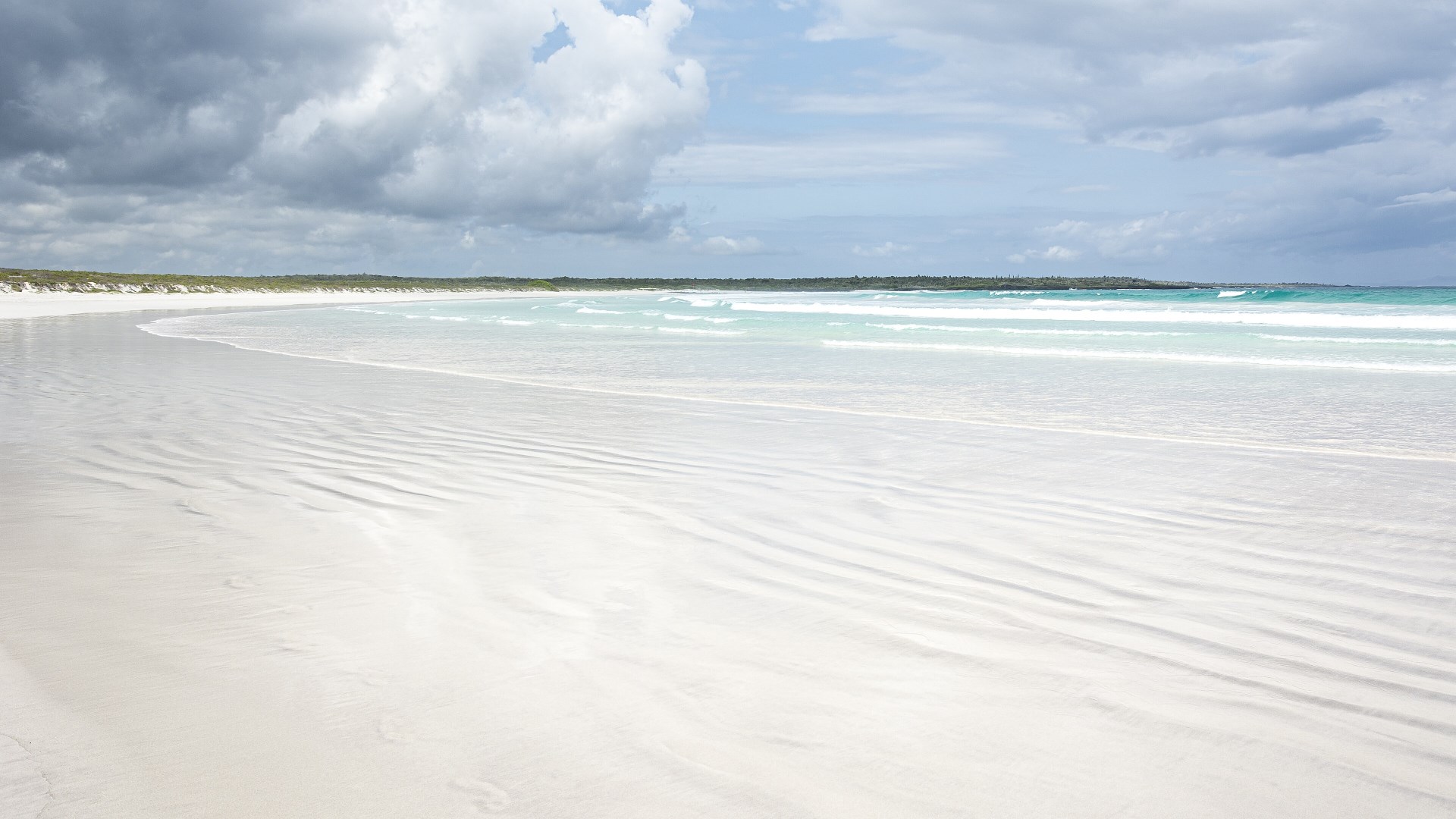
Puerto Ayora
Puerto Ayora is the largest town in the Galápagos Islands of Ecuador and is located on the southern coast of Santa Cruz Island. The town serves as a central base for travel throughout the archipelago, with ports, research centers, hotels, and tour operators concentrated around Academy Bay.

Alexandria
Located northwest of Cairo on the Mediterranean coast, Alexandria is one of Egypt's most spectacular cities and an important historical, industrial, and economic center for the country.
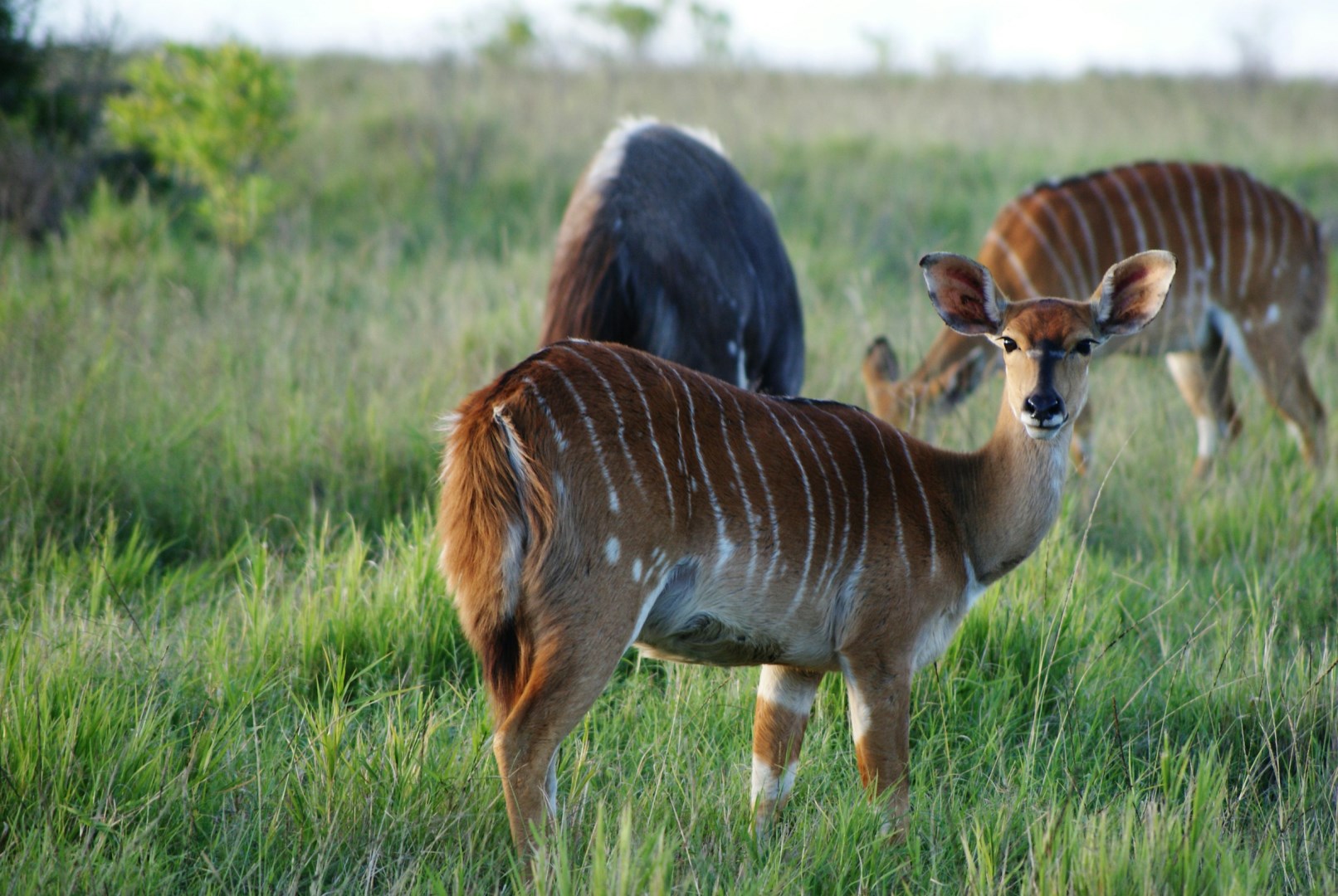
Kariega Game Reserve
Kariega Game Reserve is a private wildlife reserve in South Africa’s Eastern Cape province, near the coastal town of Kenton-on-Sea.
