

Dominica
Dominica, known as the “Nature Island of the Caribbean,” is a haven for eco-tourists and adventure seekers. Nestled between the French islands of Guadeloupe and Martinique, this lush island boasts a remarkable landscape of volcanic mountains, dense rainforests, and stunning waterfalls. Dominica’s most iconic natural wonder is the Boiling Lake, the second-largest hot spring in the world.

Dingle
Nestled along the picturesque southwest coast of Ireland, the charming town of Dingle offers a quintessential Irish experience with its stunning landscapes and rich cultural heritage. The town is renowned for its vibrant harbor and traditional pubs, where visitors can enjoy lively music sessions and savor local seafood dishes. The Dingle Peninsula, with its rugged cliffs and scenic drives, is a highlight for nature enthusiasts and those seeking breathtaking vistas.

Pompeii
Pompeii, Italy, is a mesmerizing time capsule that invites travelers to step back into the world of ancient Rome. Once a thriving city, Pompeii was abruptly buried under volcanic ash and pumice following the catastrophic eruption of Mount Vesuvius in 79 AD. This tragic event preserved the city in remarkable detail, allowing visitors today to walk the cobbled streets and witness a snapshot of Roman life, from grand villas and bathhouses to bakeries and amphitheaters.
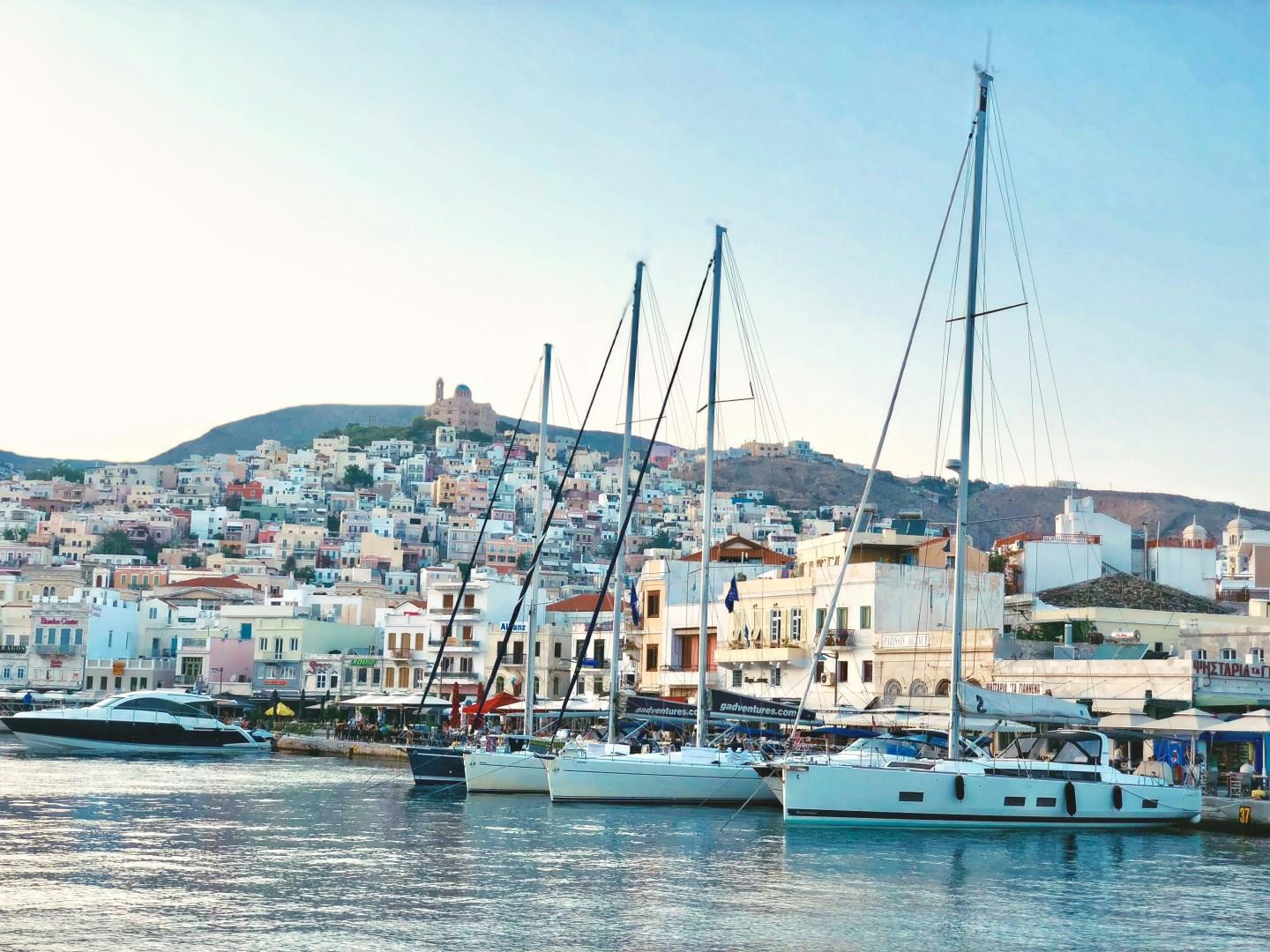
Syros
Syros, the capital of the Cyclades, stands apart from its island neighbors with its blend of neoclassical architecture, Orthodox and Catholic traditions, and year-round local life. Ermoupoli, the main town, was once a thriving 19th-century port and still displays its legacy through grand mansions, marble-paved squares, and the imposing Apollo Theater which was designed by an Italian architect and often referred to as a miniature La Scala.

Warsaw
Warsaw stands as one of Europe’s most resilient cities, having rebuilt itself almost entirely after World War II. The Old Town, meticulously reconstructed using paintings by Italian artist Bernardo Bellotto, feels centuries old but is, in fact, less than a hundred years in its current form. Behind the medieval facades lie stories of uprisings, resistance, and quiet defiance. Visitors walking through Castle Square can enter the Royal Castle, where Poland’s Constitution of May 3, 1791 was adopted.
