

Germany
Germany offers a wide range of experiences, shaped by centuries of history, regional traditions, and striking landscapes. In Berlin, the past and present share the same streets. Visitors can walk along remnants of the Berlin Wall and then explore a thriving street art scene in neighborhoods like Kreuzberg and Friedrichshain. The city's Museum Island, a UNESCO World Heritage Site, houses ancient artifacts and 19th-century masterpieces just a short walk from modern coffee shops and rooftop bars.

Tartu
Tartu is celebrated for its vibrant cultural scene. The city's bustling Town Hall Square is surrounded by charming 18th-century buildings and hosts various events throughout the year. The Tartu Art Museum and the KGB Cells Museum offer fascinating insights into Estonia’s history and art.
Aarhus
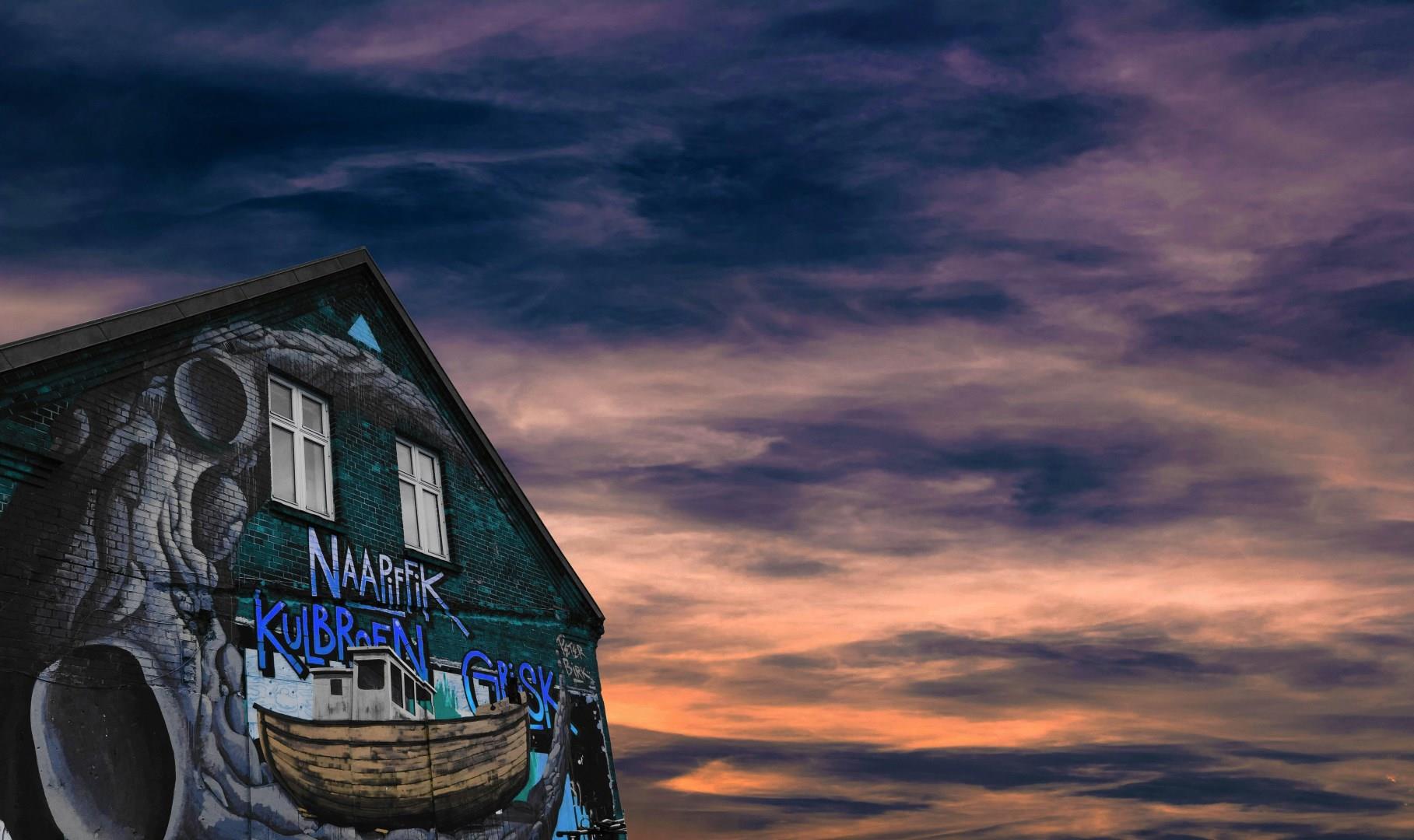
Aarhus, Denmark's second-largest city, offers a captivating blend of historical charm and modern vibrancy. Founded in the 8th century, Aarhus boasts a rich history that visitors can explore at the Old Town Museum, an open-air museum that recreates Danish life through the ages with its historical buildings and interactive exhibits. The city's medieval roots are also visible in the well-preserved Aarhus Cathedral.
Angkor Thom
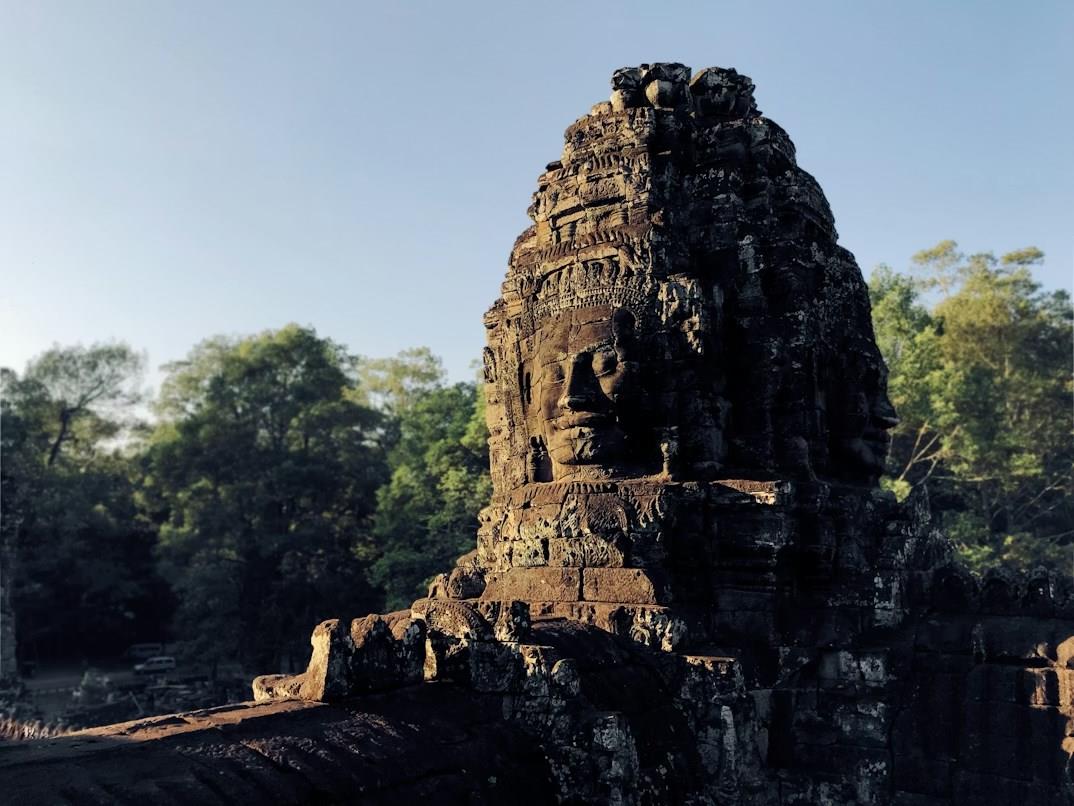
Angkor Thom was the last great capital of the Khmer Empire, established in the late 12th century under King Jayavarman VII in what is now northwestern Cambodia. Enclosed by massive stone walls and a wide moat, the city was designed as both a political center and a sacred landscape, symbolizing the cosmic order of the Khmer worldview.

Tórshavn
Tórshavn, the capital of the Faroe Islands, offers a unique blend of Scandinavian charm and rugged natural beauty. Nestled between dramatic fjords and windswept landscapes, Tórshavn is one of the smallest and most picturesque capitals in the world. Visitors can start their exploration in the historic Tinganes area, the cradle of Faroese civilization.
