
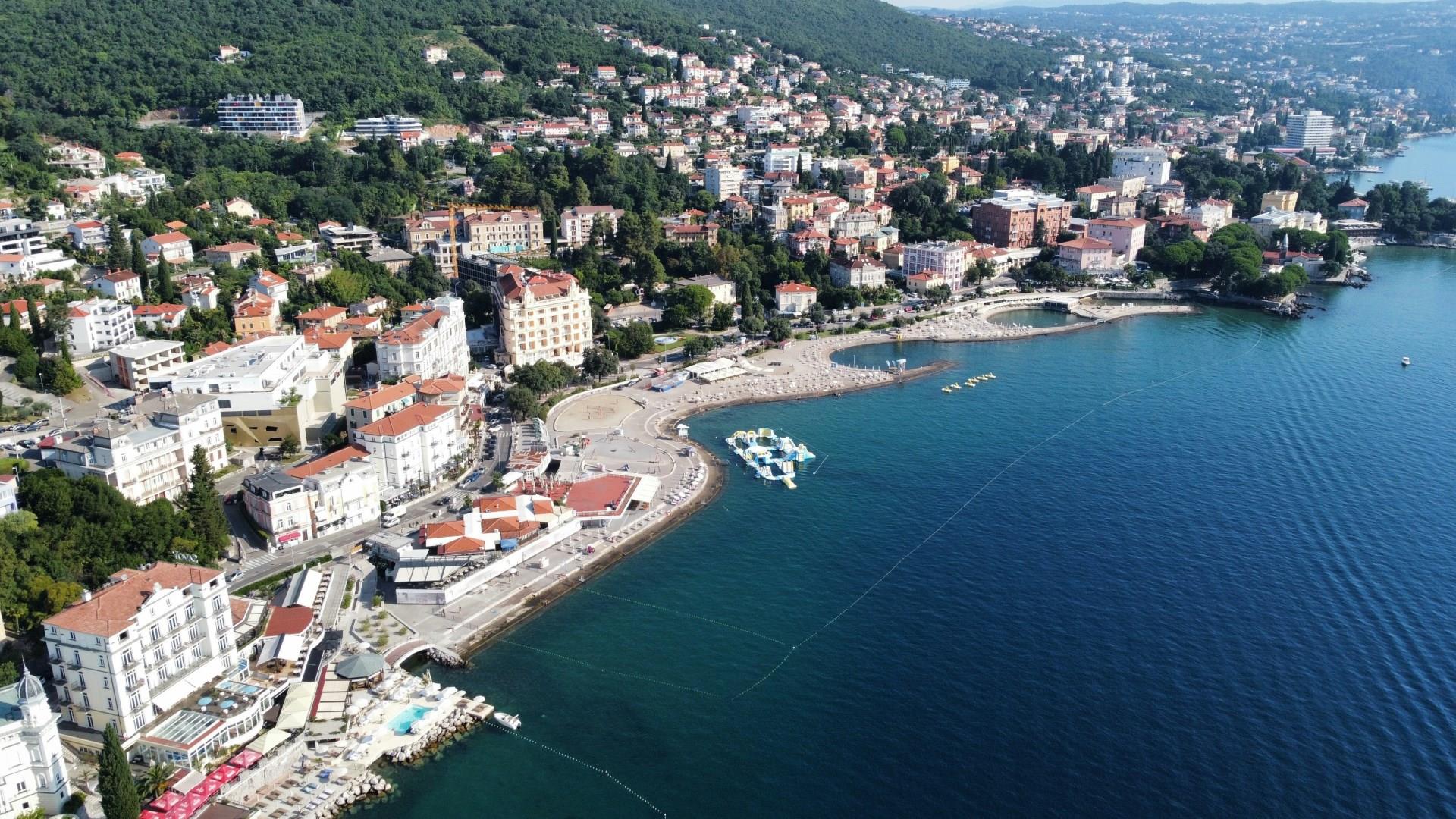
Opatija
Opatija, located on Croatia’s Kvarner Bay, has been drawing visitors since the 19th century, when Austro-Hungarian aristocrats built grand villas along its Adriatic shoreline. Today, many of those same buildings still stand with some restored as luxury hotels and others preserved as cultural landmarks. The town’s most recognizable structure, Villa Angiolina, opened in 1844 and marked the start of Opatija’s rise as a fashionable seaside resort.

Wichita
Wichita combines a substantial aviation industry with museums, historic districts, riverfront parks, and a diverse urban population, while the surrounding landscape remains largely agricultural.

South Georgia
Remote, windswept, and bursting with wildlife, South Georgia is a sub-Antarctic island that surprises nearly everyone who steps ashore. Though uninhabited by civilians, the island hosts a small British research station and welcomes visitors via expedition cruises. What draws people here is not luxury or convenience, but the scale of its wildness.

Chiang Mai
Chiang Mai, located in northern Thailand, is a city where ancient walls surround over 30 historic temples, and daily life continues just steps away from centuries-old rituals. Founded in 1296 as the capital of the Lanna Kingdom, the city still reflects its origins through distinctive architecture, moats, and cultural practices. Wat Phra Singh and Wat Chedi Luang are two of the most visited temples within the Old City, offering a chance to see traditional Lanna-style design.
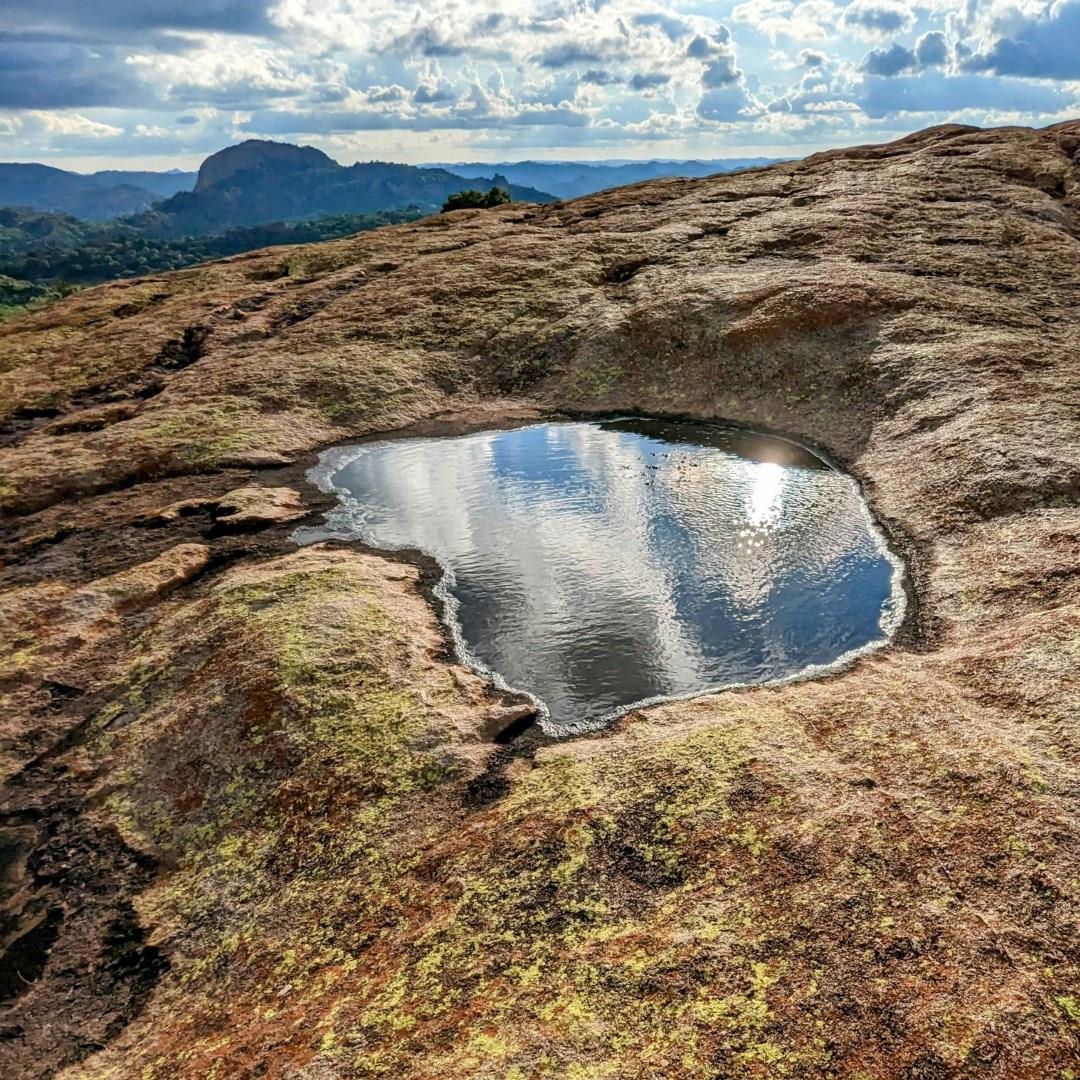
Matobo National Park
Matobo National Park sits in the rolling hills of southern Zimbabwe stands as one of the country’s most remarkable landscapes. Its granite domes, balancing rocks and wooded valleys have formed over more than two billion years, creating a setting that feels both ancient and alive. As a UNESCO World Heritage cultural site, the park preserves a landscape that has shaped human life here for millennia, drawing travelers to explore its unusual terrain and storied past.
