
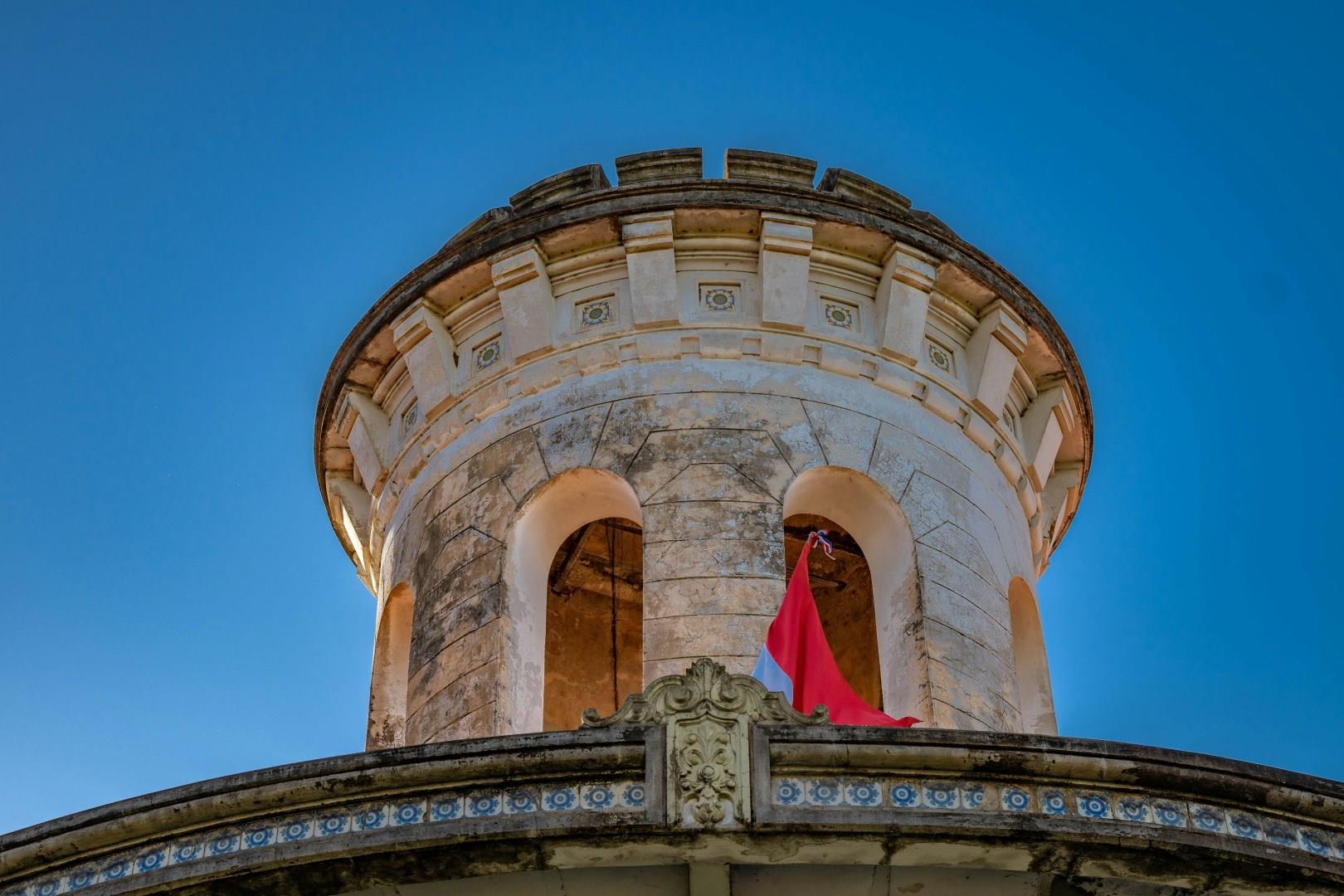
Areguá
Just 30 kilometers from Asunción, Areguá welcomes visitors with cobbled streets, colonial facades, and a creative energy that has earned it the title of Paraguay’s “City of Arts.” Known for its thriving artist community and traditional crafts, Areguá is perched on the edge of Lake Ypacaraí and framed by rolling hills and red clay cliffs. Whether you're arriving for the annual strawberry fair or simply passing through on a weekend escape, Areguá invites slow walks, open studios, and conversation.
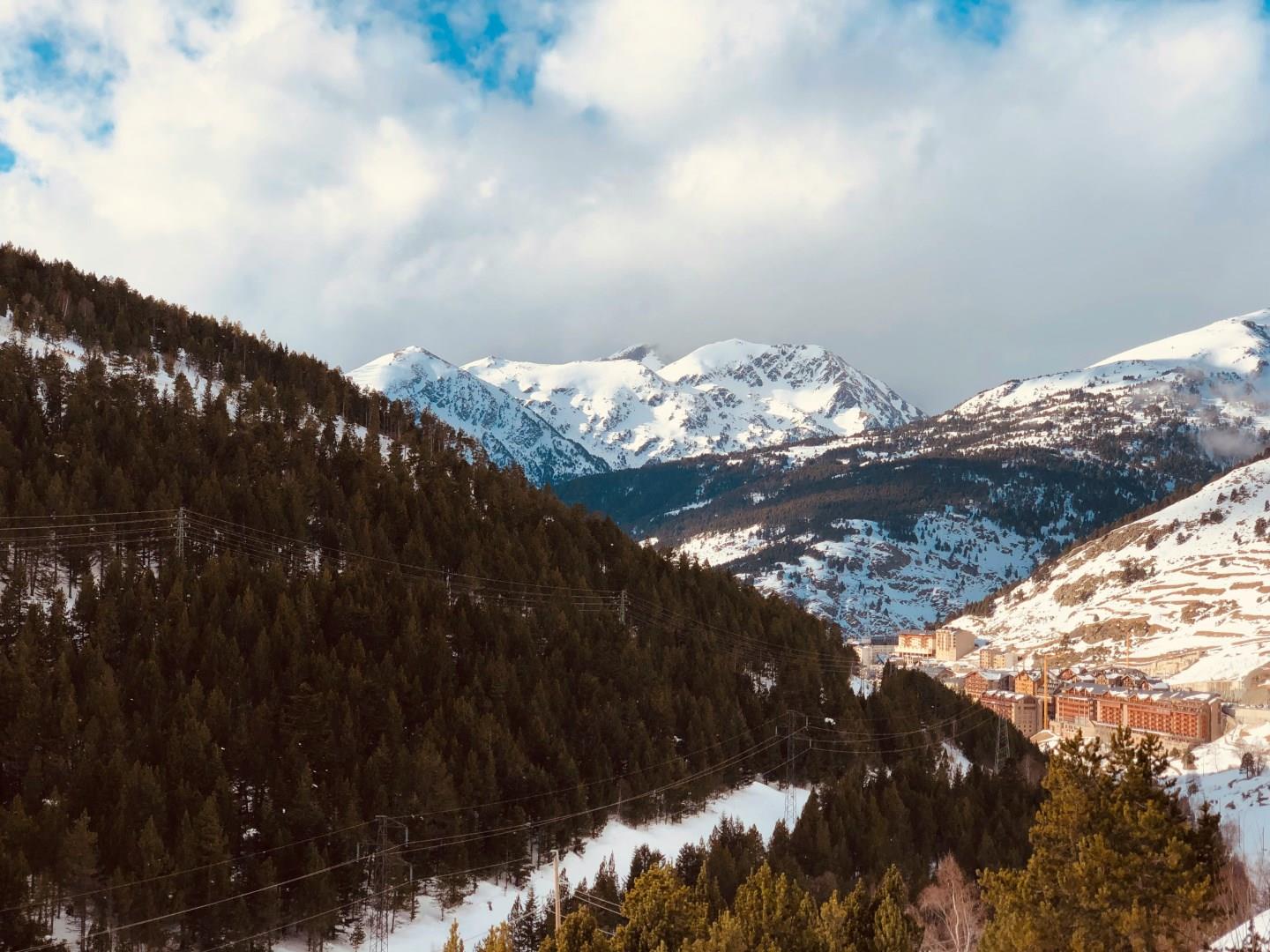
Soldeu
Nestled high in the Pyrenees, Soldeu is a mountain village in the principality of Andorra, best known for its access to Grandvalira, which is one of the largest ski areas in Southern Europe. At 1,800 meters above sea level, Soldeu has grown from a quiet farming village into a winter destination with over 200 kilometers of slopes. It hosted World Cup alpine ski races in 2019 and is scheduled to host the Finals again in 2029.

Lake Titicaca
Lake Titicaca, perched at over 3,800 meters above sea level, is the highest navigable lake in the world and a place where ancient stories still echo across the water. Shared by Bolivia and Peru, this lake has long been considered sacred by the Andean peoples. According to Inca legend, it was from Titicaca’s deep blue waters that the first humans were created. Today, the lake remains a center of cultural tradition, spiritual significance, and daily life for many who live along its shores.
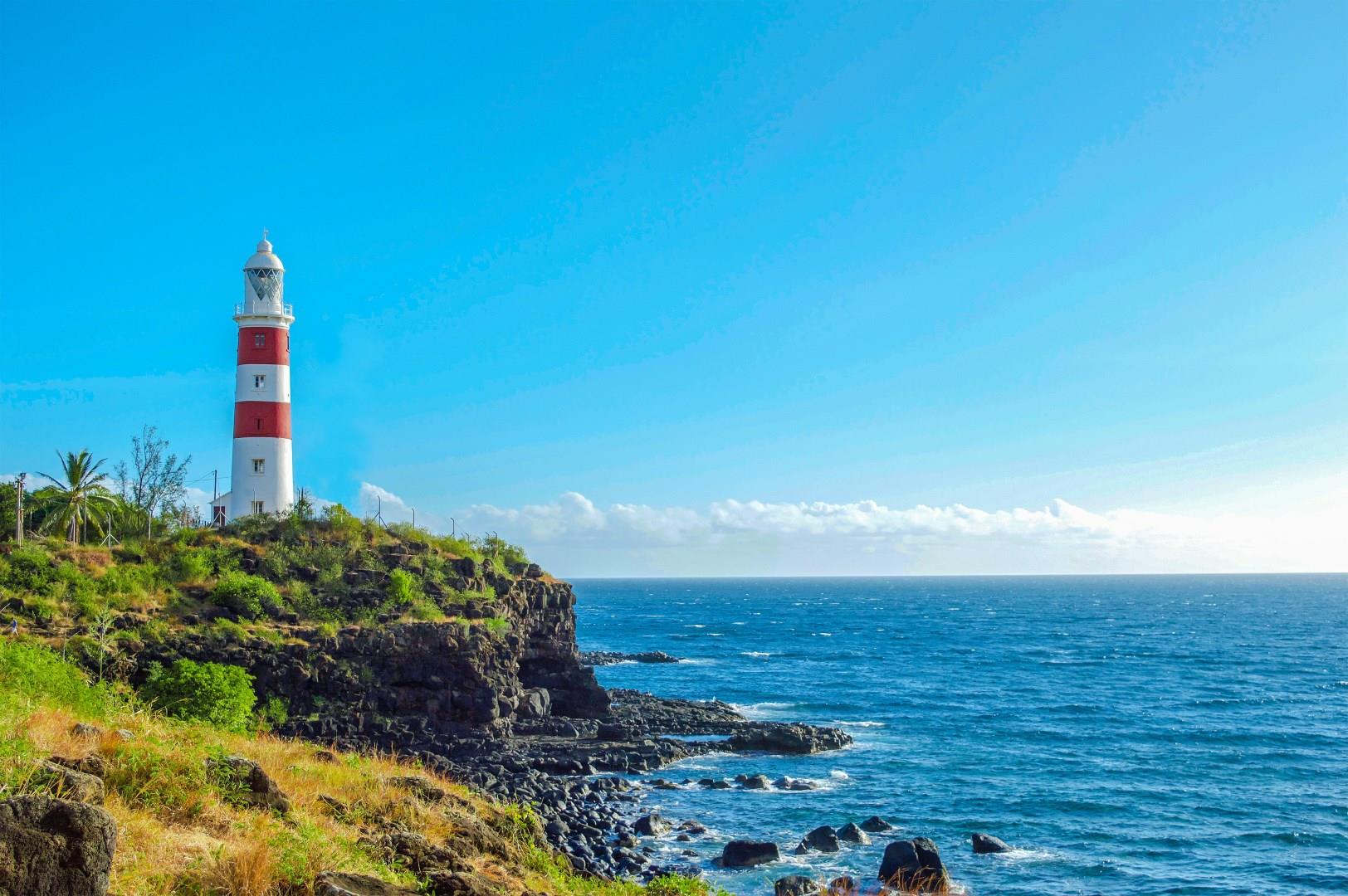
Albion
Albion, a small coastal town on the west coast of Mauritius, is known for its peaceful atmosphere and scenic setting by the Indian Ocean. Unlike some of the island’s more crowded resort areas, Albion offers a quieter escape while still showcasing the natural beauty that makes Mauritius a favorite destination.

Roseau
Roseau, the lively capital of Dominica, is a city where history and nature coexist in striking harmony. Established on the site of an ancient Kalinago settlement, the town reflects its colonial past through French-inspired architecture, colorful buildings, and historic churches.
