
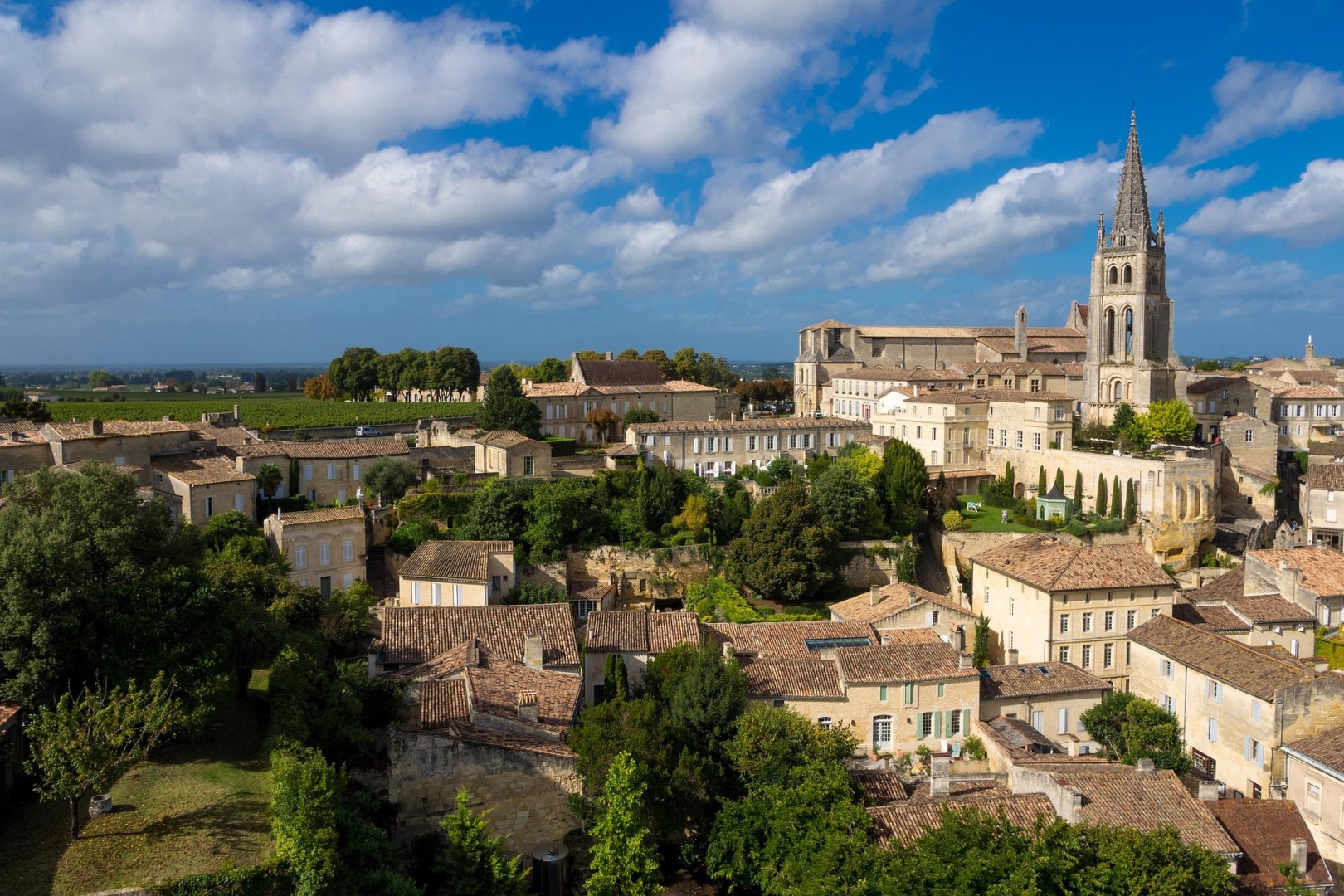
Saint-Émilion
Saint-Émilion, nestled in the heart of southwest France, is a living monument to centuries of craftsmanship, faith, and wine-making. Recognized as a UNESCO World Heritage Site since 1999, this medieval town sits on a limestone plateau surrounded by vineyards that date back to Roman times. Visitors can explore cobbled streets that wind past centuries-old stone houses, descend into underground catacombs carved by monks, and visit the astonishing Monolithic Church.
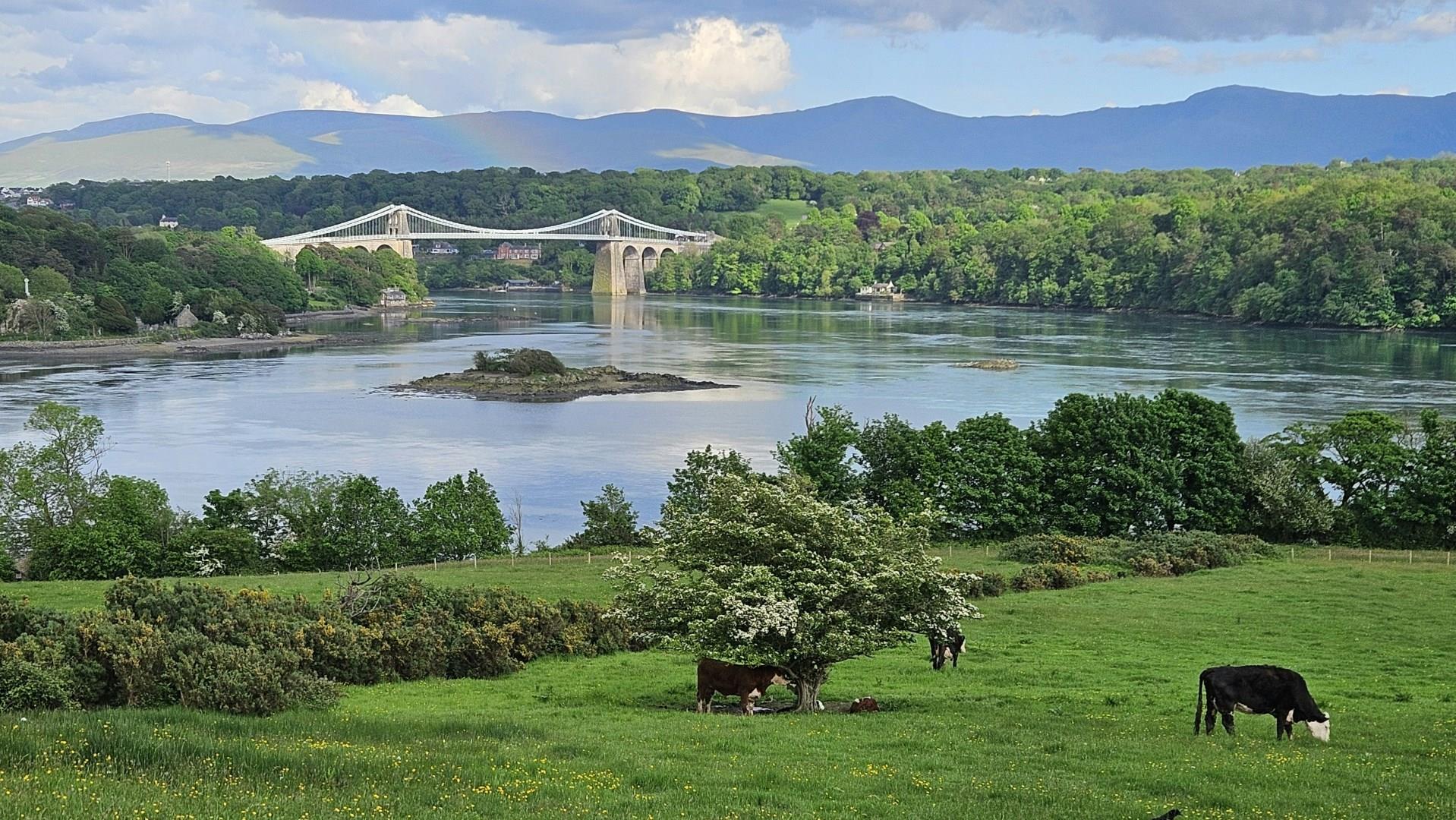
Anglesey
Anglesey is an island off the northwest coast of Wales with a history that stretches back thousands of years. Fertile lands and strategic coastal position made it an early center for agriculture, livestock, and maritime trade.
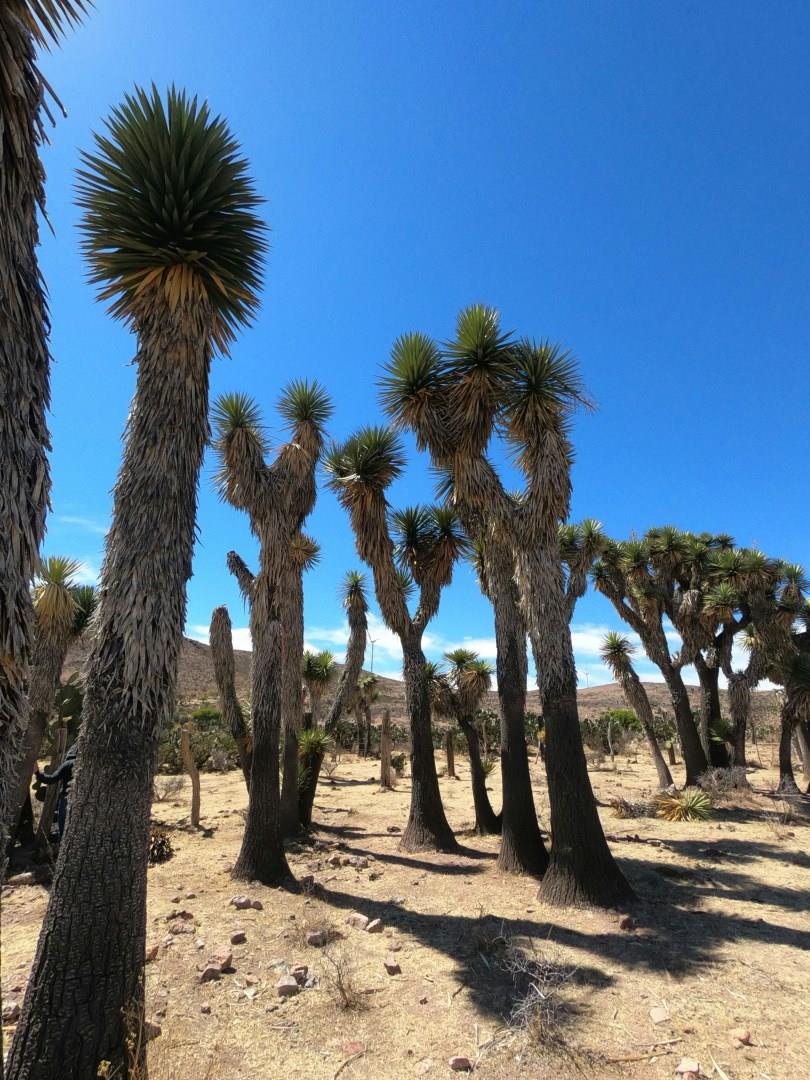
Zacatecas
Zacatecas, built into the slopes of a narrow ravine in north-central Mexico, is a city with a deep mining past and a striking skyline. The historic center, a UNESCO World Heritage Site, is known for its pink cantera stone buildings, narrow alleys, and impressive baroque facades. The Cathedral Basilica of Zacatecas, completed in 1752, stands as one of the most detailed examples of Mexican baroque architecture, with hundreds of carved figures covering its sandstone exterior.
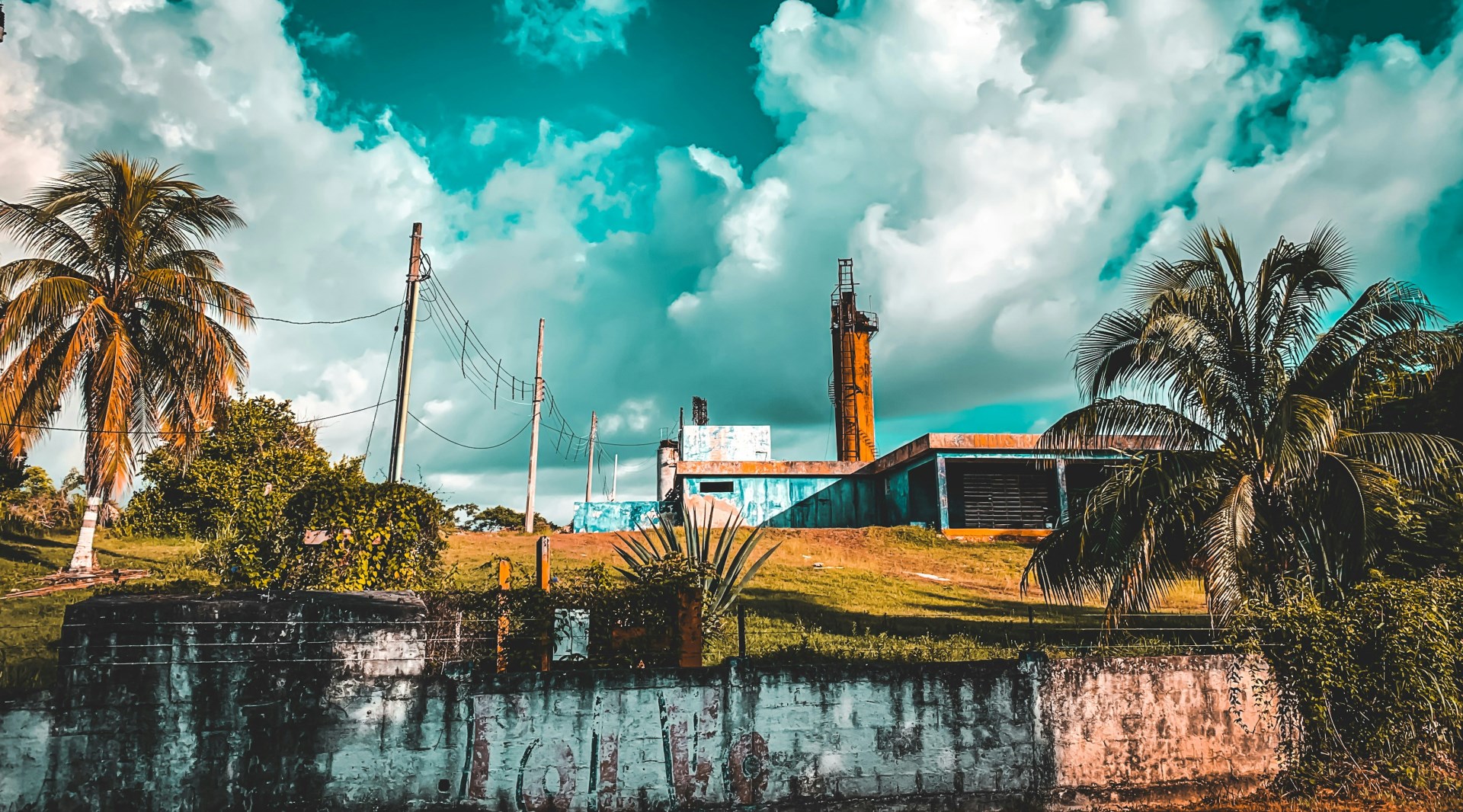
Chetumal
Chetumal is the capital of the Mexican state of Quintana Roo, located near the border with Belize on the western side of Chetumal Bay. Unlike the large resort centers farther north on the Caribbean coast, the city functions primarily as a government, commercial, and cultural center.

Virginia
Virginia is a state where past and present share the same ground. In places like Colonial Williamsburg, costumed interpreters walk the same streets once frequented by American revolutionaries, while nearby Jamestown and Yorktown complete what's known as the Historic Triangle. Outside its historic corridors, Virginia surprises visitors with its changing landscapes, from the rolling horse farms of Middleburg to the rugged terrain of the Blue Ridge Mountains.
