

Tromso
Tromsø, a gem nestled in the Arctic Circle, offers an unparalleled blend of natural wonders and cultural richness. Known as the "Gateway to the Arctic," this Norwegian city is famed for its spectacular Northern Lights. Between September and April, Tromsø becomes a prime location for witnessing the aurora borealis, a mesmerizing display of green, purple, and pink lights dancing across the polar sky.
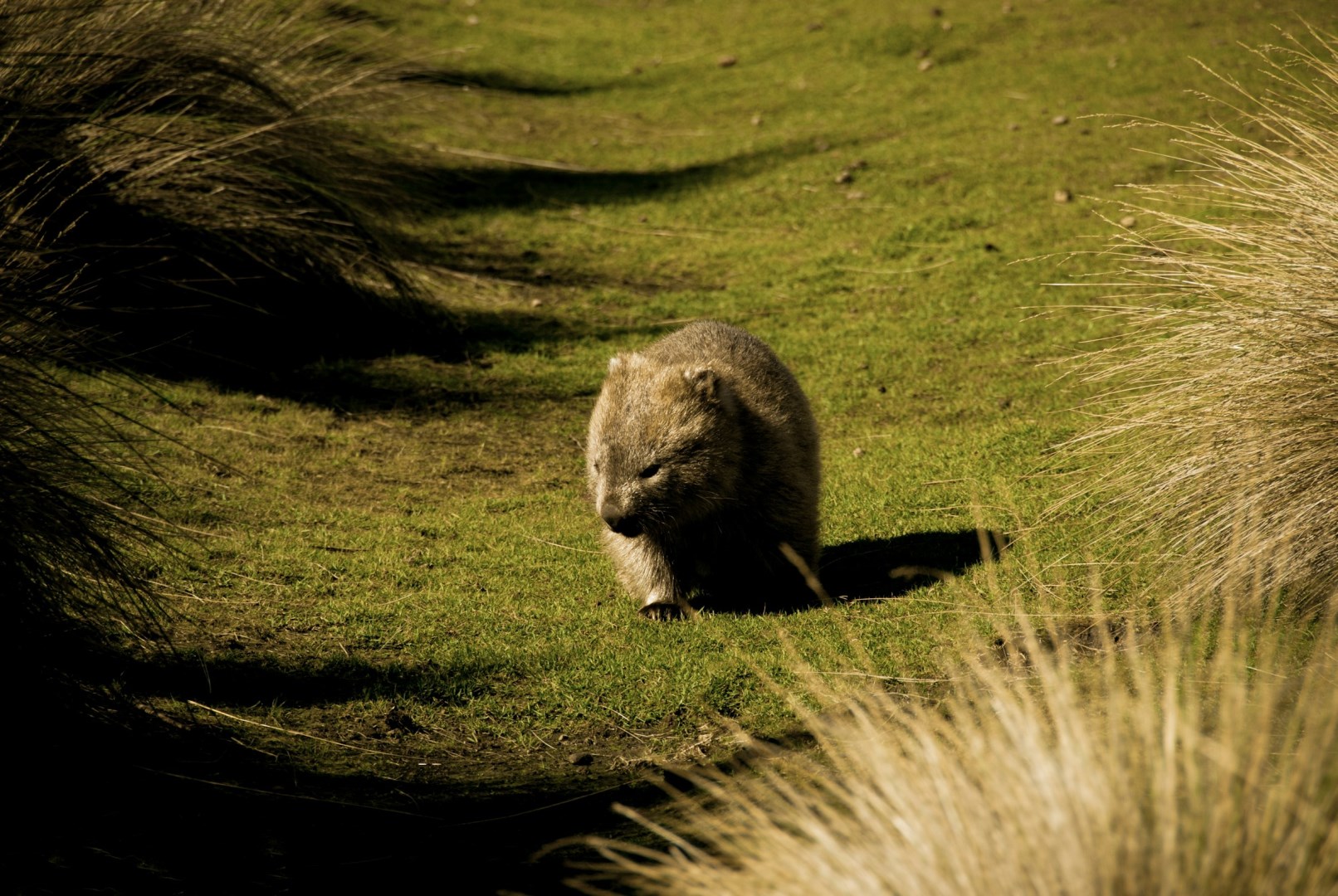
Flinders Island Tasmania
Flinders Island is the largest island in the Furneaux Group, located in Bass Strait between mainland Australia and Tasmania. Covering a landscape of rugged mountains, rolling farmland, white-sand beaches, and granite headlands, it is known for its remote character and rich natural environment.

Dominica
Dominica, known as the “Nature Island of the Caribbean,” is a haven for eco-tourists and adventure seekers. Nestled between the French islands of Guadeloupe and Martinique, this lush island boasts a remarkable landscape of volcanic mountains, dense rainforests, and stunning waterfalls. Dominica’s most iconic natural wonder is the Boiling Lake, the second-largest hot spring in the world.

Luxor
Luxor, often referred to as the world’s greatest open-air museum, is a city where ancient history and breathtaking archaeology converge. Nestled along the eastern bank of the Nile River, Luxor is home to some of the most remarkable and well-preserved relics of ancient Egypt. A visit to the Karnak Temple Complex, an expansive and awe-inspiring site dedicated to the Theban triad of gods, reveals the grandeur of ancient Egyptian architecture and religious practices.

Perito Moreno Glacier
Perito Moreno Glacier is one of the most recognizable ice formations in Argentina, located within Los Glaciares National Park in Santa Cruz Province. The glacier extends into the southern arm of Lago Argentino and is notable for its broad ice front, which can be viewed from a network of walkways and observation platforms. Its proximity to El Calafate makes it one of the more accessible major glaciers in Patagonia.
