
AlUla
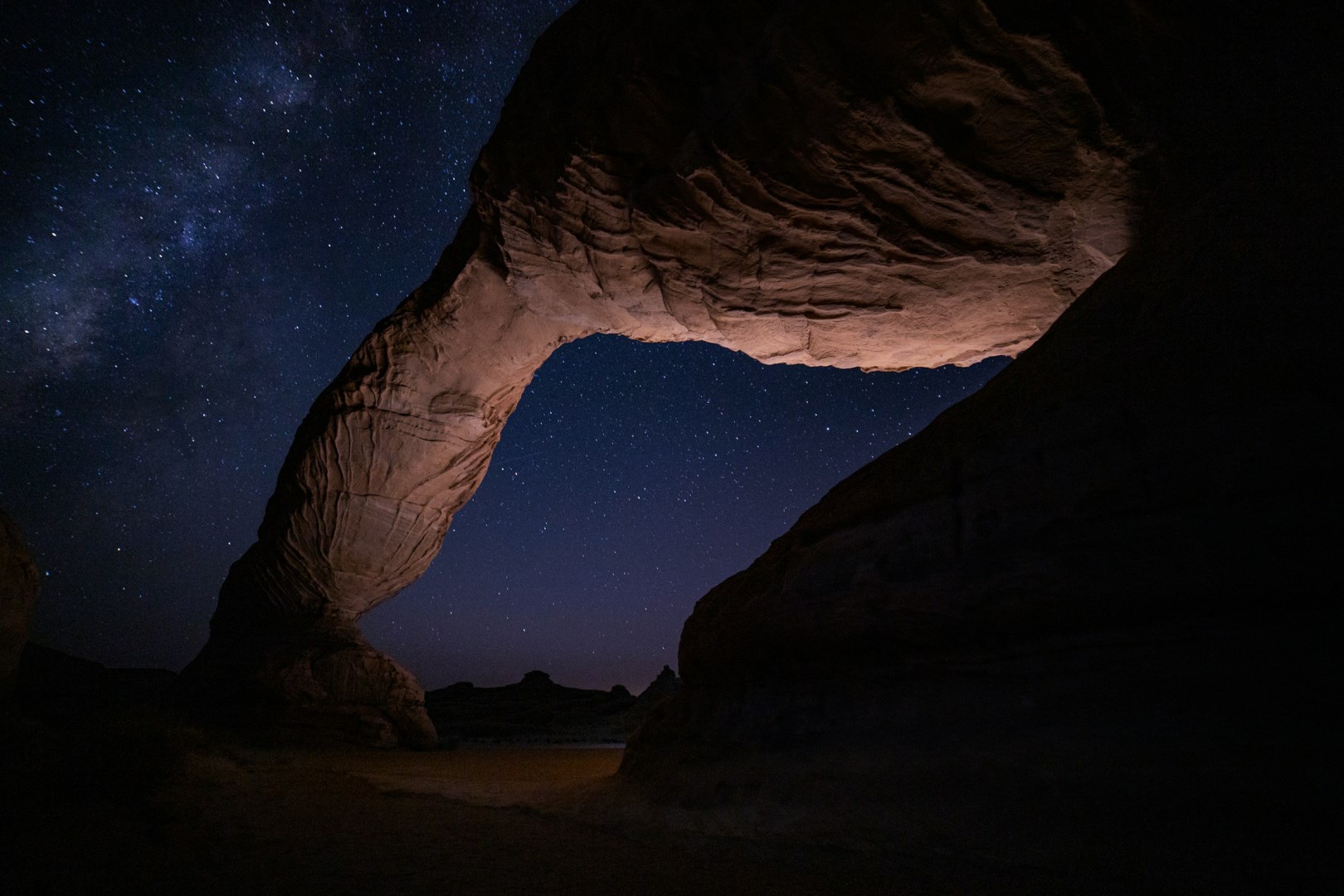
AlUla is an oasis region in northwestern Saudi Arabia, surrounded by sandstone mountains, desert valleys, and cultivated palm groves. Its landscape has been shaped by the presence of water, with the AlUla oasis supporting date palms, citrus trees, and other crops within an otherwise arid setting. The area is particularly known for its combination of archaeological sites and unusual rock formations.
Monterrey
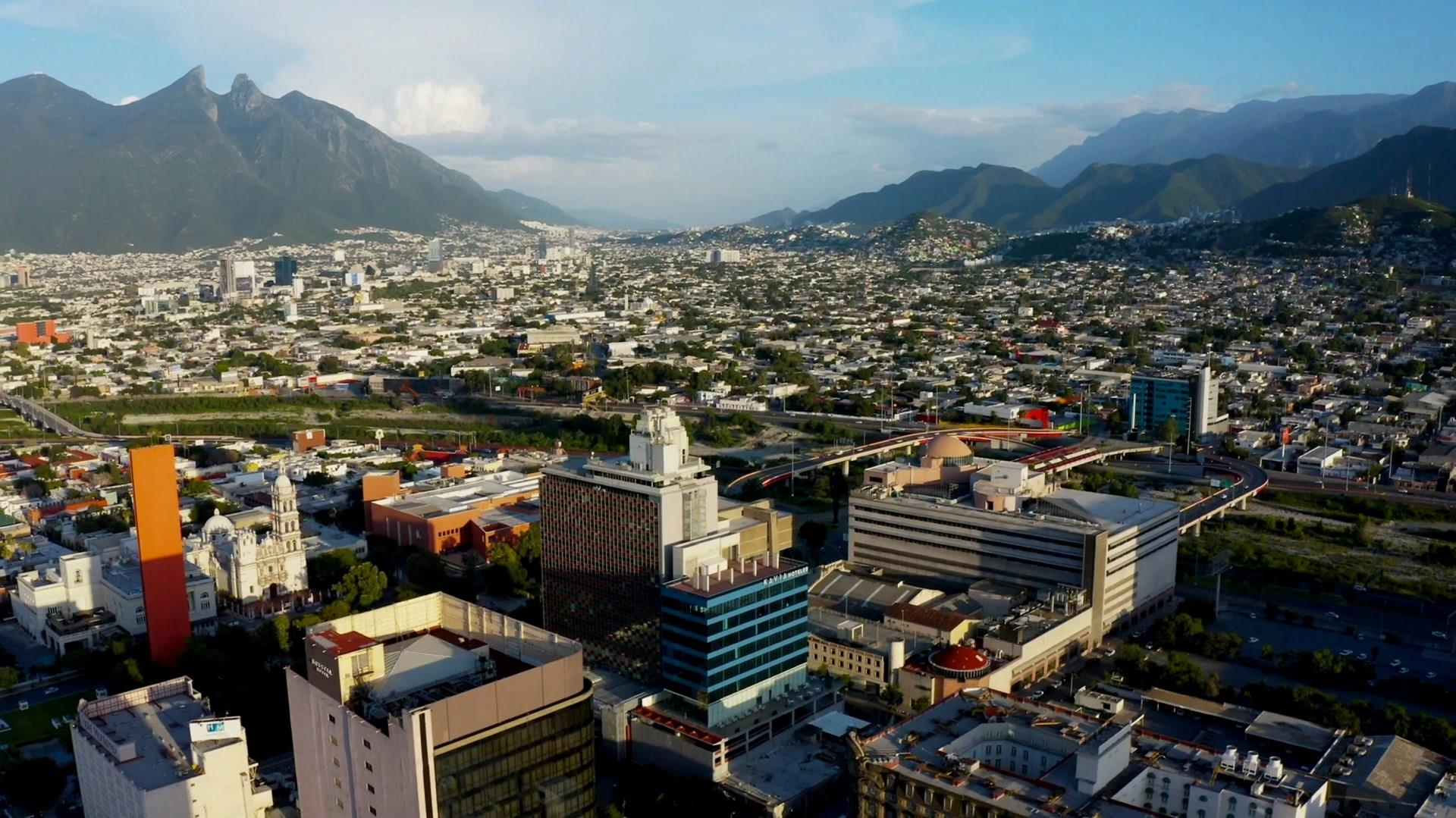
Monterrey, the capital of Nuevo León, stands at the foot of the Sierra Madre Oriental and has long been recognized as one of Mexico’s most industrial and innovative cities. The Macroplaza is one of the largest public squares in Latin America and links historic buildings like the 18th-century Metropolitan Cathedral with newer sites like the Museo de Historia Mexicana and the Faro del Comercio, a towering orange structure that beams a green laser across the sky each night.

Porvoo
Porvoo, Finland, is a charming and picturesque town that transports visitors back in time with its well-preserved medieval atmosphere. Located just 50 kilometers east of Helsinki, it is one of Finland’s oldest cities, founded in the 14th century. Its most iconic feature is the Old Town, with its cobblestone streets, wooden houses painted in vibrant reds and yellows, and the majestic Porvoo Cathedral, which dates back to the 15th century.
Kilauea, Hawaii
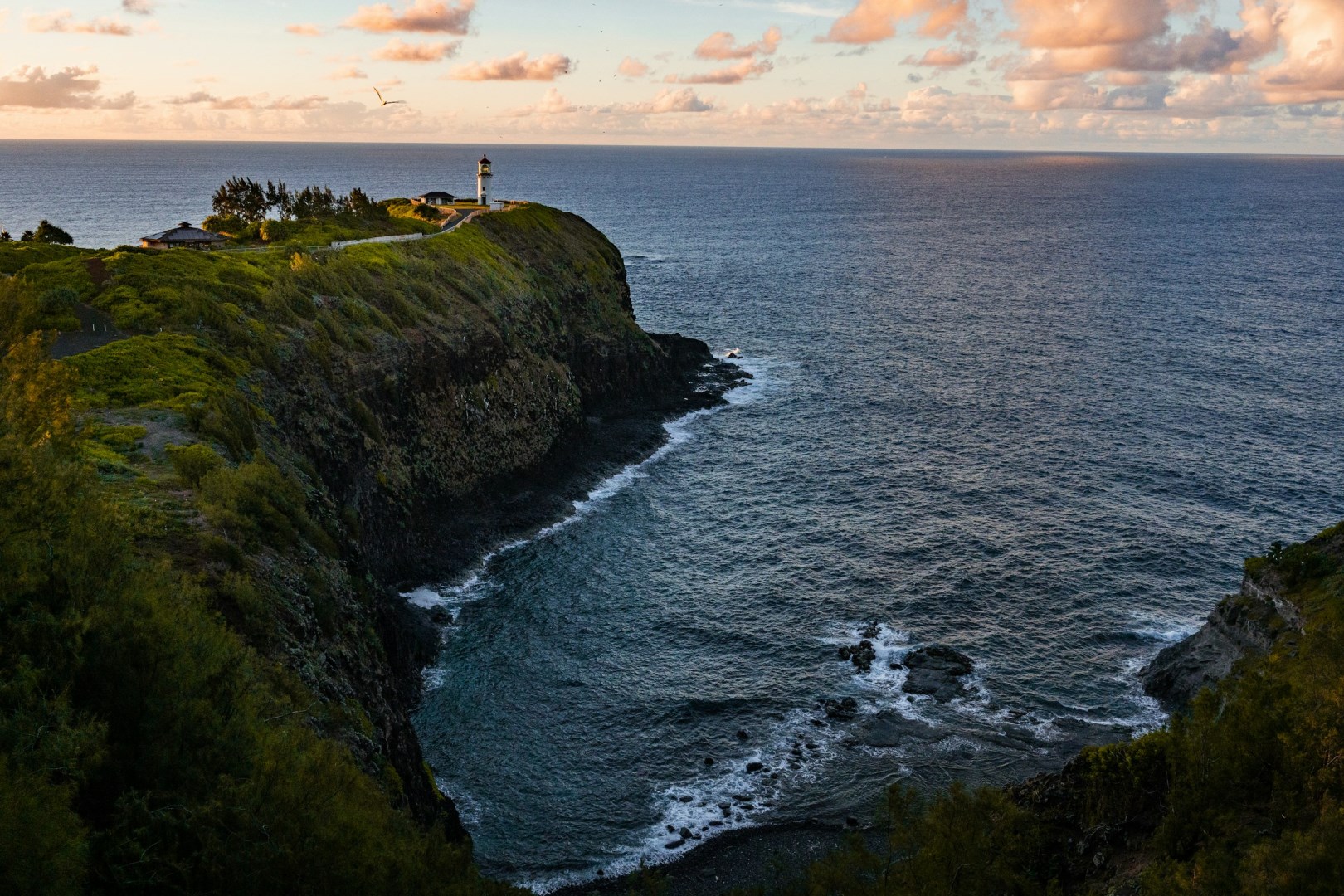
Kilauea is the world's largest active volcanic mass, located southeastern Hawaii Island. The central feature of Hawaii Volcanoes National Park is an elongated dome built of lava eruptions from a central crater and from lines of craters extending along east and southwest riffs or fissures.
Timaru
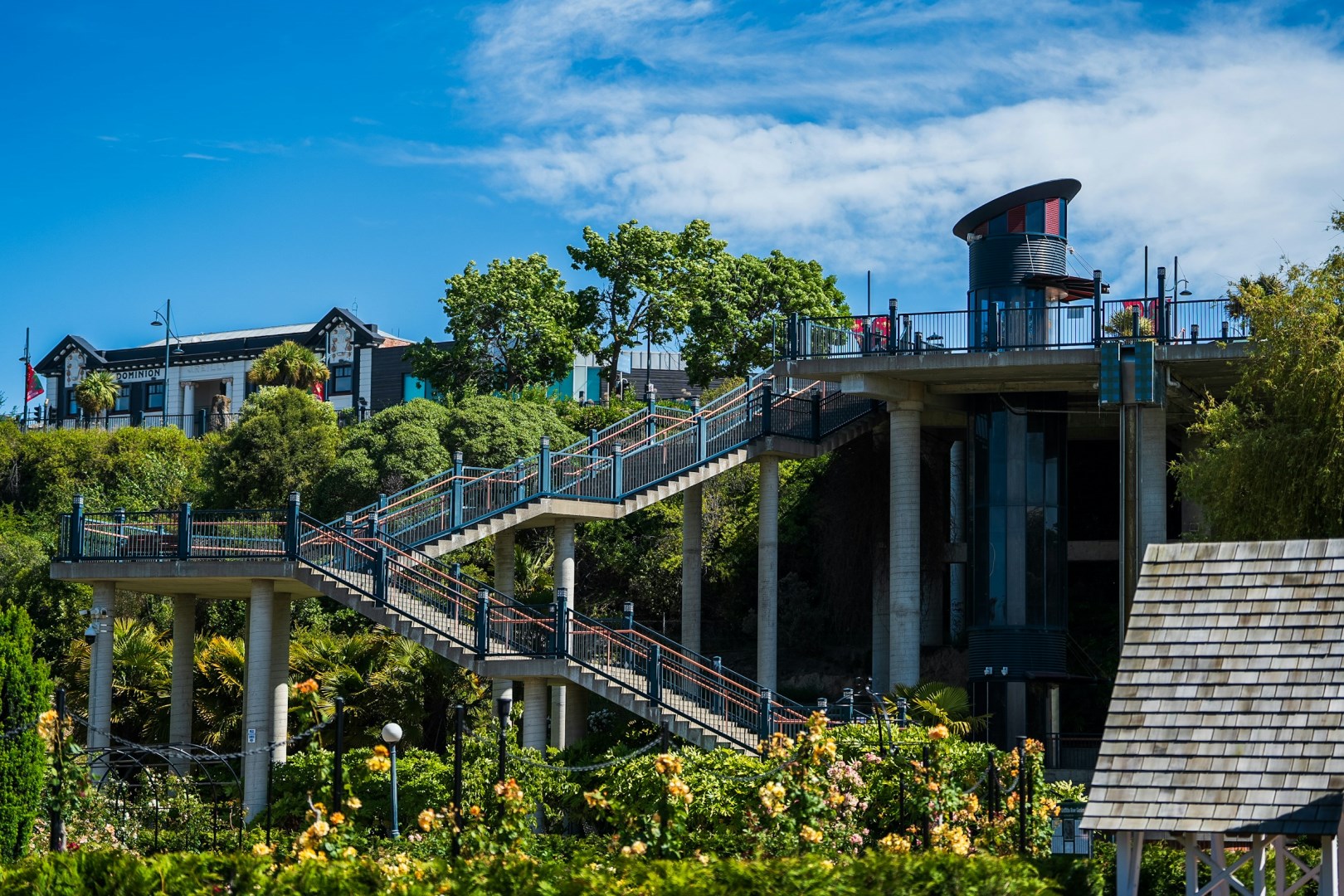
Timaru is located on an island off the east coast of New Zealand, between Christchurch and Dunedin. It is a main sea port for industry and farming, as well as a popular port of call, especially around the Christmas Holidays. Originally named "Te Maru - The Place of Shelter", this port town was built as a whaling station until immigrants from England arrived in 1859, and the town was finally declared a city in 1948.
