

Coromandel Peninsula
The Coromandel Peninsula on New Zealand’s North Island is a place where coastline and culture come alive in ways that stay with visitors long after they’ve left. Stretching for about 110 kilometers between the Hauraki Gulf and the Bay of Plenty, this region has deep roots that go back to the arrival of Māori long before Europeans stepped ashore.

Dominica
Dominica, known as the “Nature Island of the Caribbean,” is a haven for eco-tourists and adventure seekers. Nestled between the French islands of Guadeloupe and Martinique, this lush island boasts a remarkable landscape of volcanic mountains, dense rainforests, and stunning waterfalls. Dominica’s most iconic natural wonder is the Boiling Lake, the second-largest hot spring in the world.
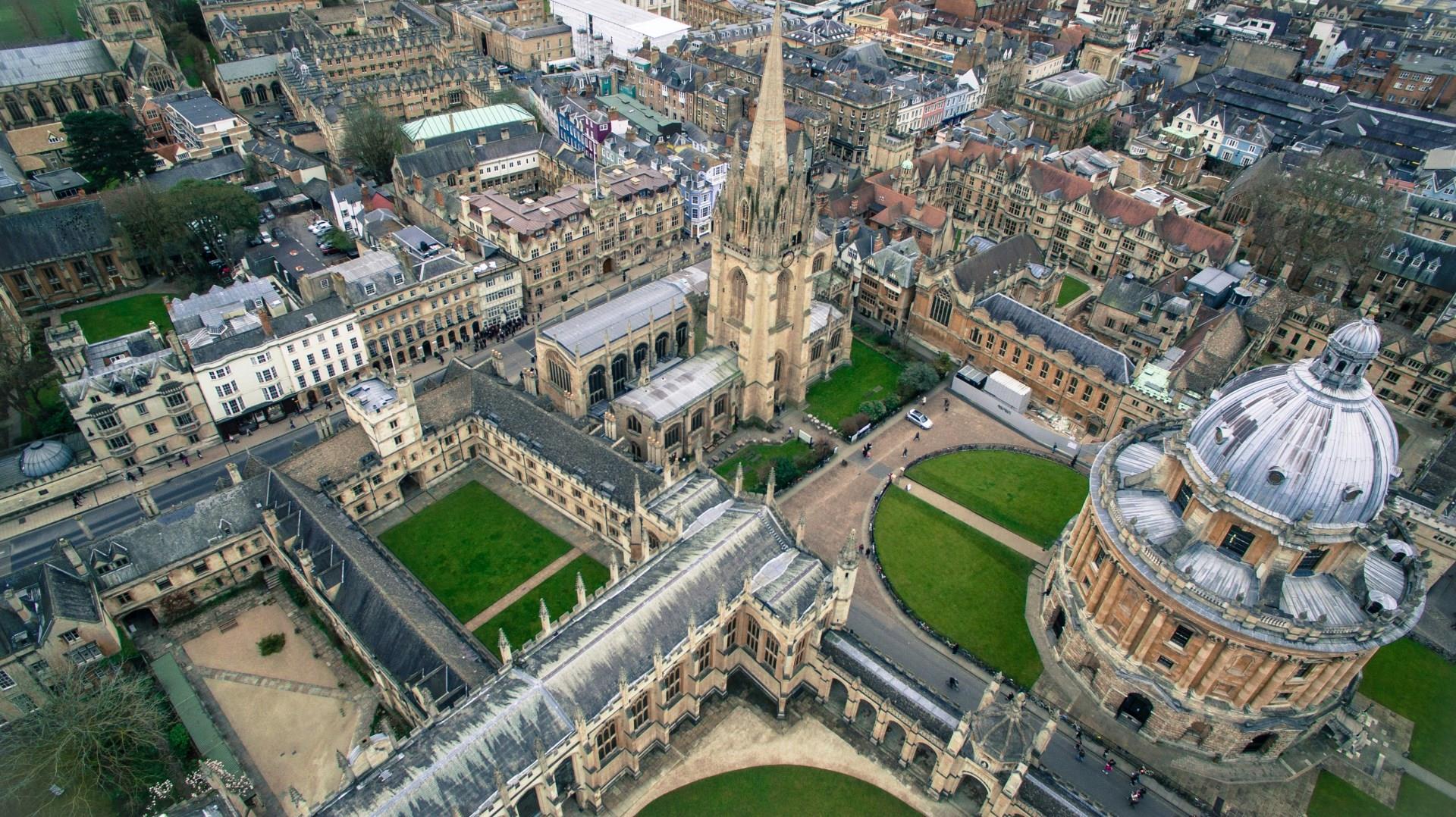
Oxford
Oxford is best known for its world-famous university, but the city offers much more than historic college halls and ivory towers. Its skyline, shaped by spires and domes, hints at centuries of intellectual life. The University of Oxford dates back to at least the 12th century and includes iconic buildings like the Bodleian Library, one of the oldest libraries in Europe, and the Radcliffe Camera, a circular reading room that looks more like a cathedral than a place for quiet study.
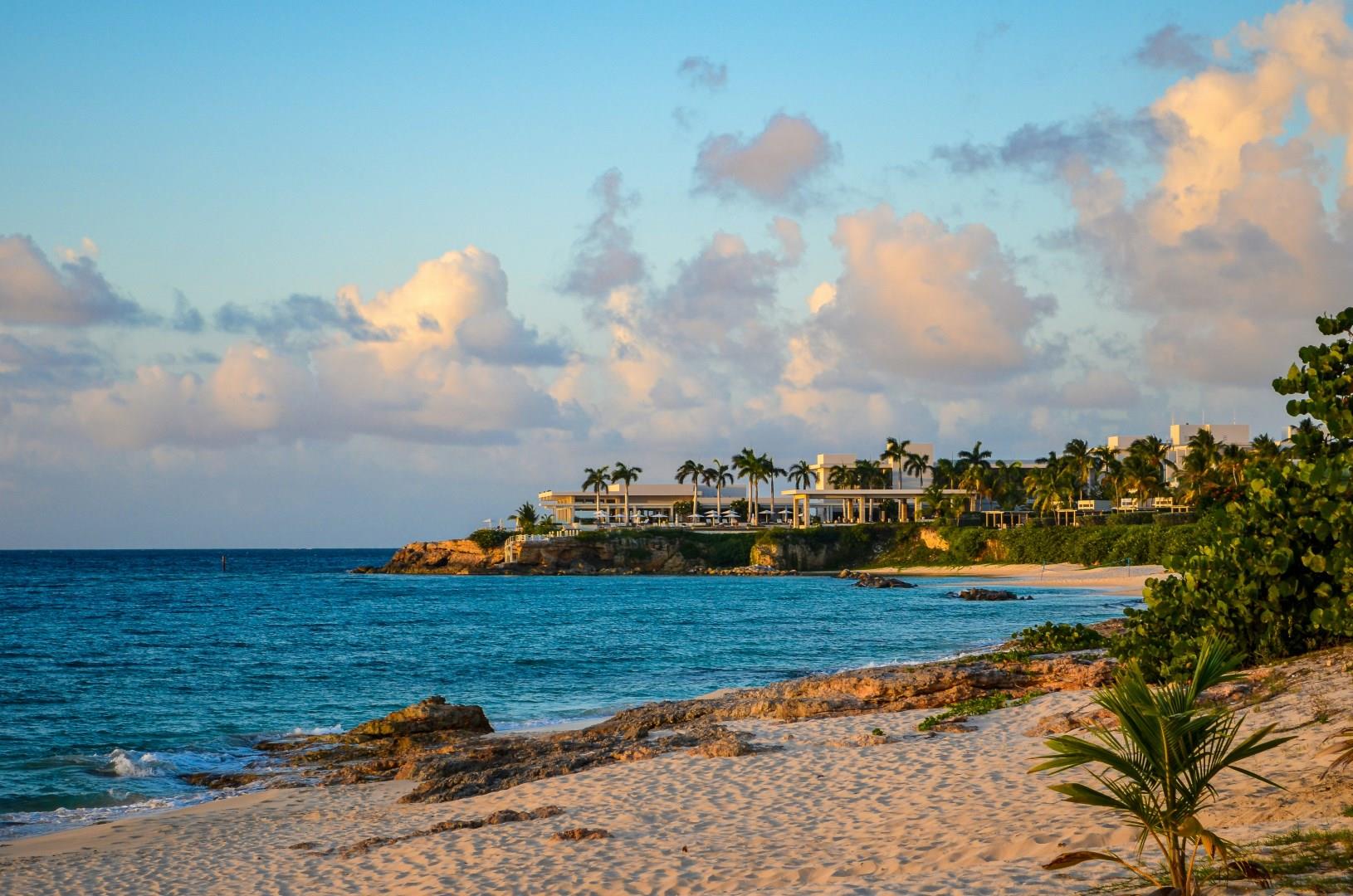
Barnes Bay
Barnes Bay, on Anguilla’s western coast, is one of the island’s most striking beaches, known for its golden sand and dramatic backdrop of rugged cliffs. The bay is less frequented than some of Anguilla’s more famous shores, giving it a serene, secluded atmosphere that makes it a favorite for those seeking a quieter escape.
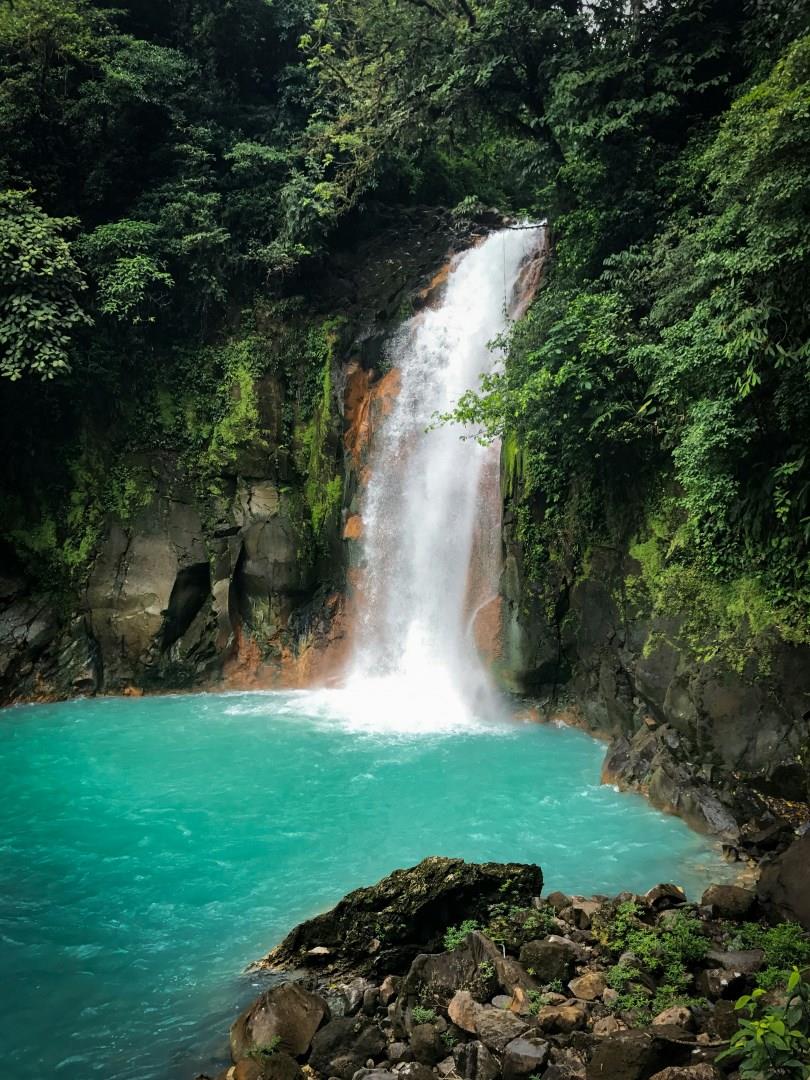
Celeste River
Hidden in the northern region of Costa Rica, the Celeste River (Río Celeste) winds through Tenorio Volcano National Park with a color so vivid it seems unreal. The river’s striking turquoise hue is caused by a natural chemical reaction between two mineral-rich streams, Quebrada Agria and Río Buena Vista, which merge at a point known as "El Teñidero." This one-of-a-kind phenomenon creates the illusion that the water has been dyed blue, even though no pigments are present.
