

Al Ain
Al Ain is located about 160 km east of Abu Dhabi, and has its own international airport, which opened in 1994. Its many attractions include camel races, ancient forts, a zoo, museums, and the Jabal Hafit Mountain.

Split
Split, Croatia, is a city where ancient history and modern vibrancy blend seamlessly, creating an alluring destination for travelers. At the heart of Split is the UNESCO World Heritage Site of Diocletian's Palace, a remarkably well-preserved Roman complex built by Emperor Diocletian in the 4th century AD. This sprawling palace complex, with its labyrinthine streets, ancient walls, and grand Peristyle courtyard, is not just a historical site but a bustling part of the city’s daily life.
Selçuk
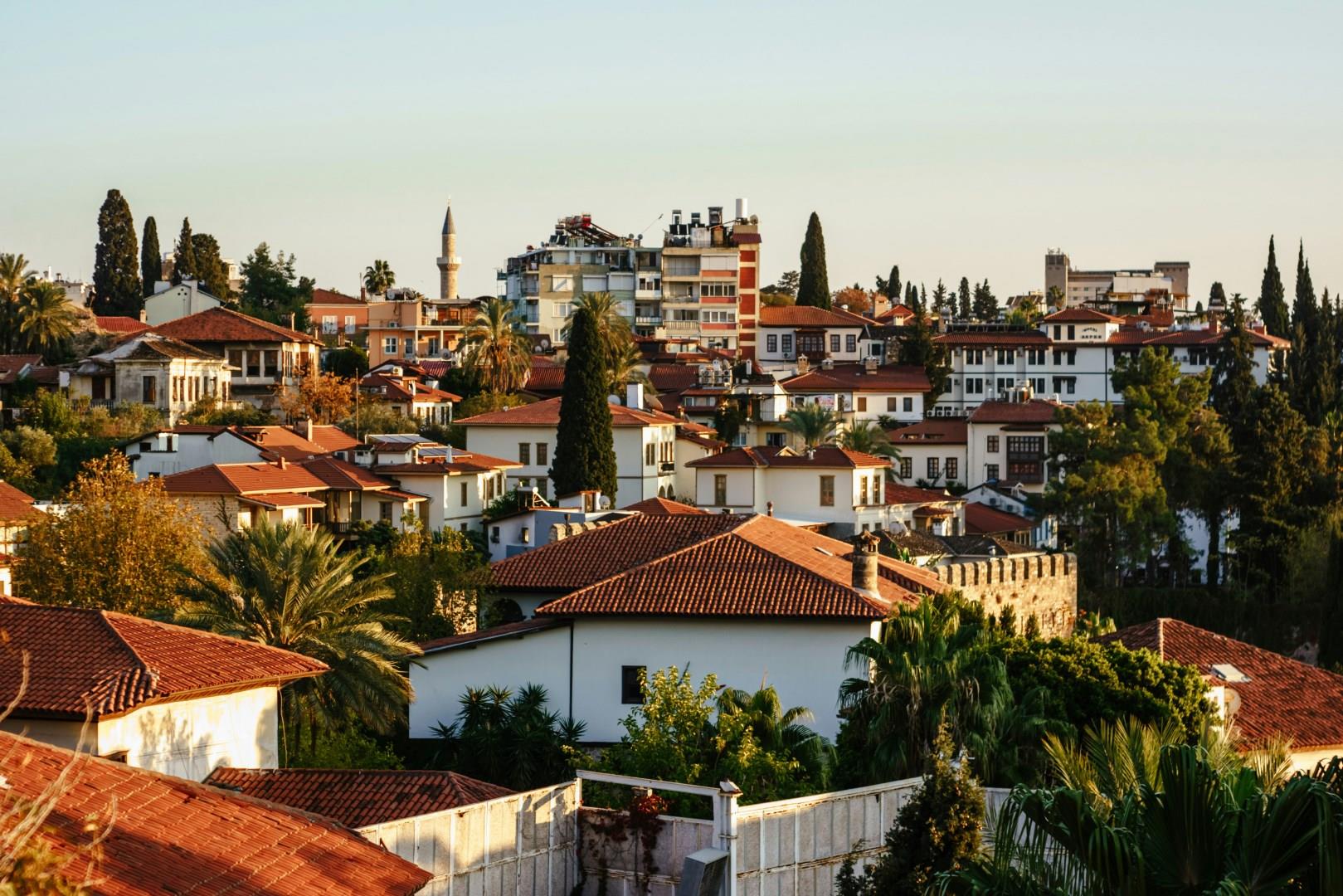
Selcuk, a small town in western Turkey’s İzmir Province, is one of the country’s richest destinations for history lovers. It sits at the foot of the ancient city of Ephesus, once one of the great cities of the classical world and home to the Temple of Artemis, one of the Seven Wonders of the Ancient World.
Rabat
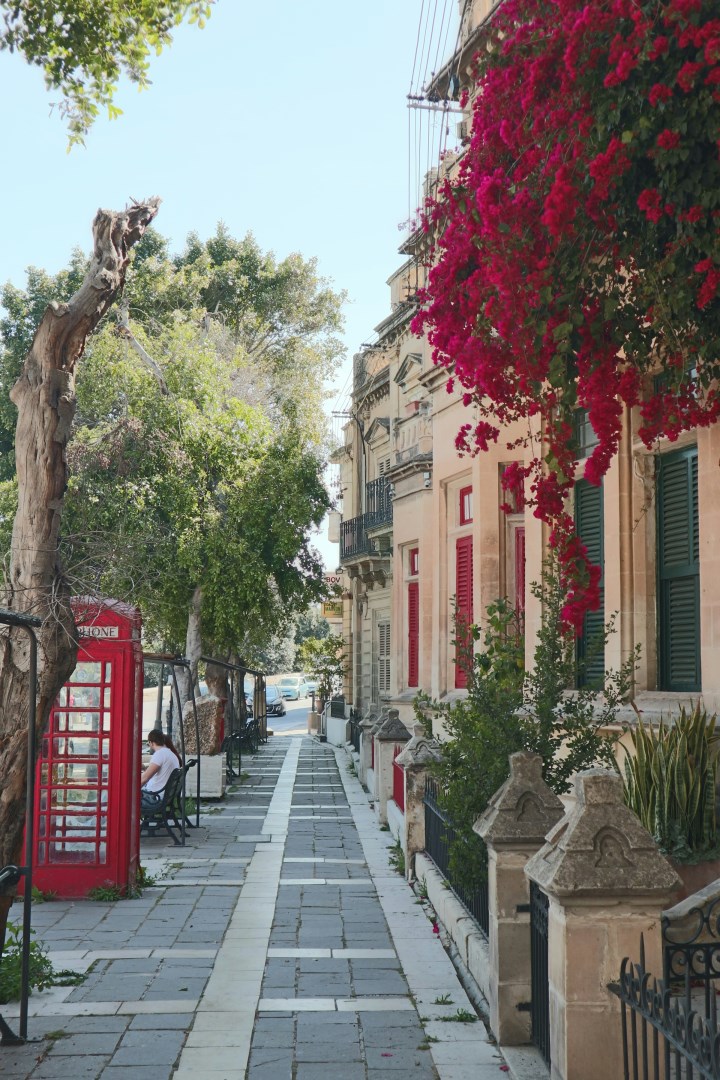
Rabat is a historic town in central Malta, adjoining the fortified city of Mdina and extending across a landscape shaped by limestone, fields, and ancient settlements. Its name means “suburb,” reflecting its position outside the walls of the former capital. The town has a distinctly local character, with narrow streets, traditional limestone buildings, small squares, and churches interspersed with archaeological sites.

Coromandel Peninsula
The Coromandel Peninsula on New Zealand’s North Island is a place where coastline and culture come alive in ways that stay with visitors long after they’ve left. Stretching for about 110 kilometers between the Hauraki Gulf and the Bay of Plenty, this region has deep roots that go back to the arrival of Māori long before Europeans stepped ashore.
