

Windhoek
Windhoek, the capital city of Namibia, is a vibrant and cosmopolitan hub nestled in the heart of the country. With its mix of German colonial architecture and modern African charm, Windhoek offers visitors a unique blend of history and contemporary culture. The city’s skyline is dominated by the striking Christuskirche, a Lutheran church built in 1907, which stands as a symbol of Namibia's German colonial past.
Camden
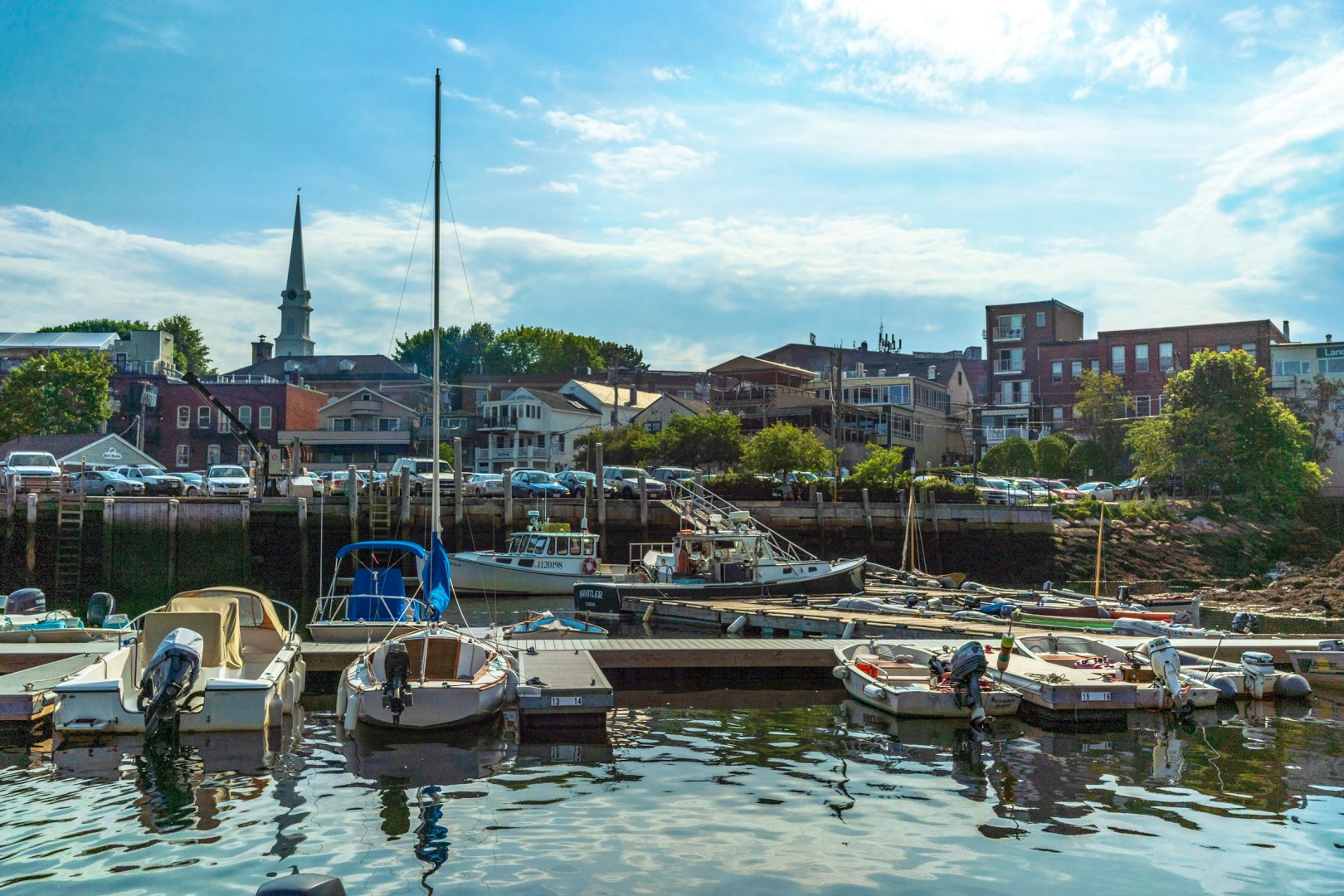
Camden is a coastal town in Maine on the western shore of Penobscot Bay, where forested hills meet a deep harbor and rocky shoreline. Its compact downtown sits between the harbor and the lower slopes of Mount Battie, giving the town a distinctive setting within the Midcoast region.
Minneapolis/St. Paul
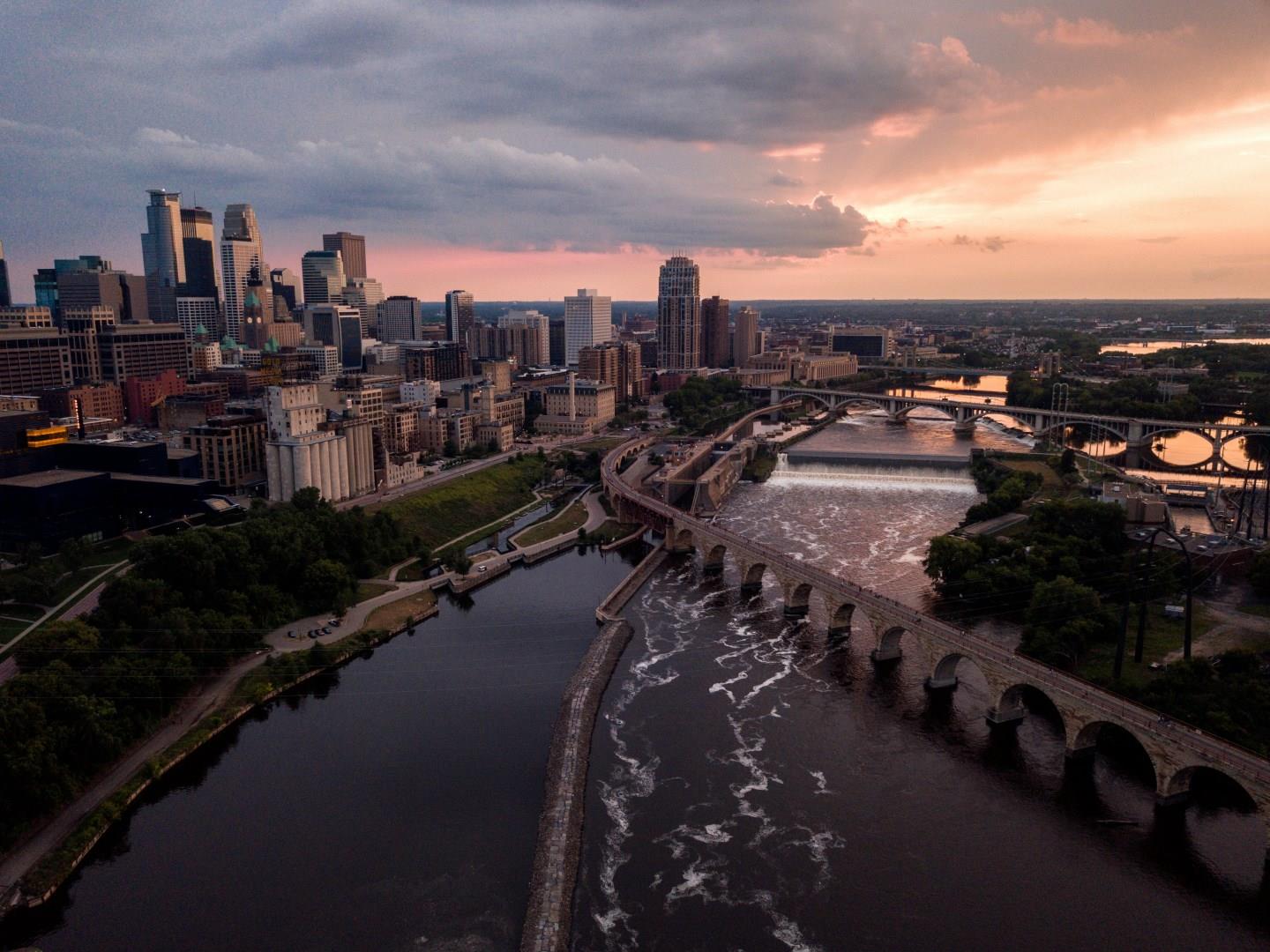
Minneapolis stands out with its unexpected blend of urban energy and freshwater calm. Built along the banks of the Mississippi River, the city has grown from a flour-milling powerhouse into a hub of creativity, design, and culture. At the heart of downtown, the Mill City Museum, housed inside the ruins of what was once the world’s largest flour mill, offers hands-on exhibits that bring Minneapolis’s industrial past to life. Just outside, the Stone Arch Bridge spans the river with sweeping views
Glendalough
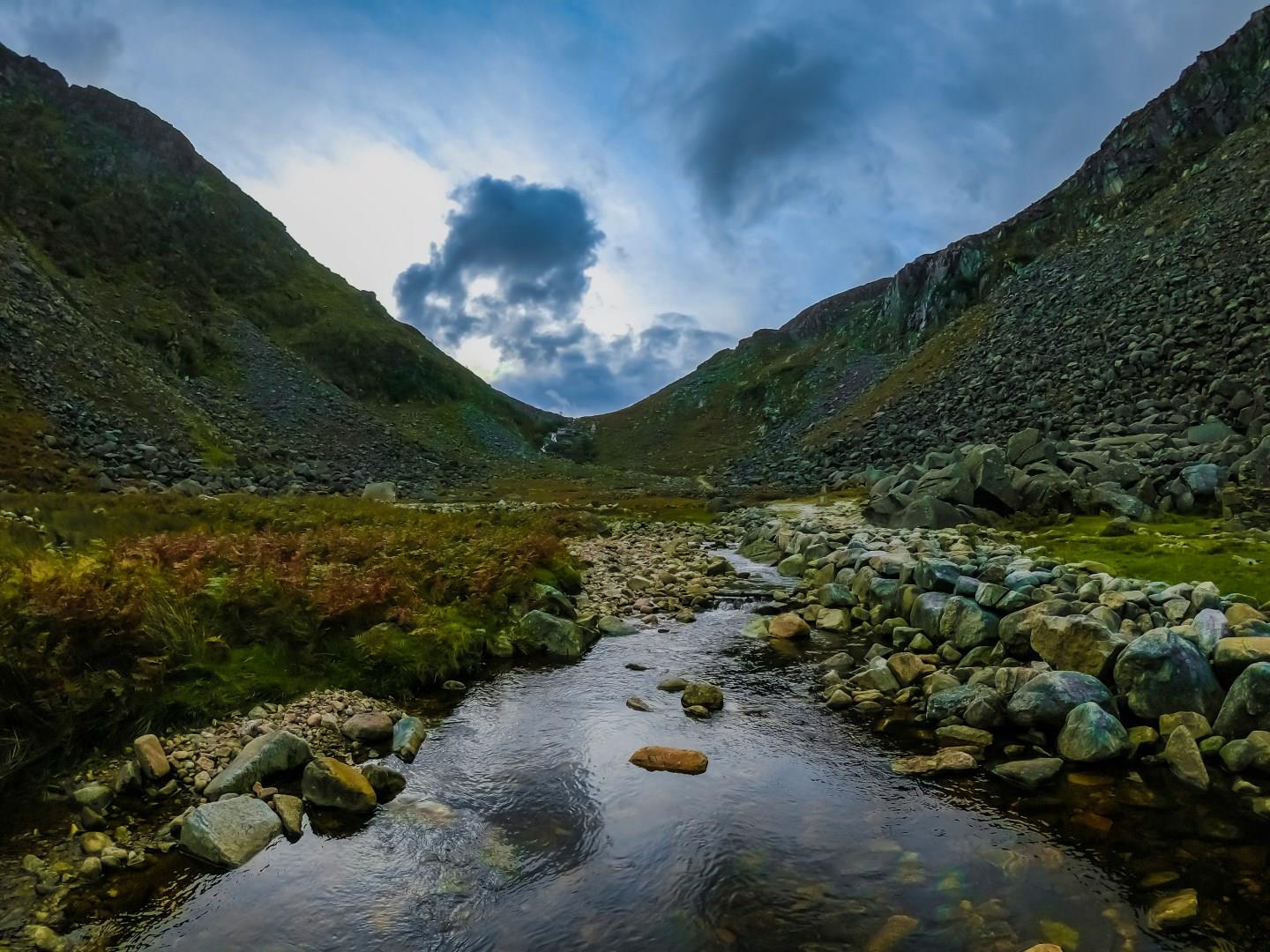
Glendalough, located in County Wicklow, is one of Ireland’s most historically significant and visually striking valleys. It’s best known for its early medieval monastic site, founded by St. Kevin in the 6th century. The round tower, cathedral ruins, and stone churches that remain today are surrounded by forests, lakes, and mountain trails, creating a setting that feels both ancient and untouched.
Namib-Naukluft National Park
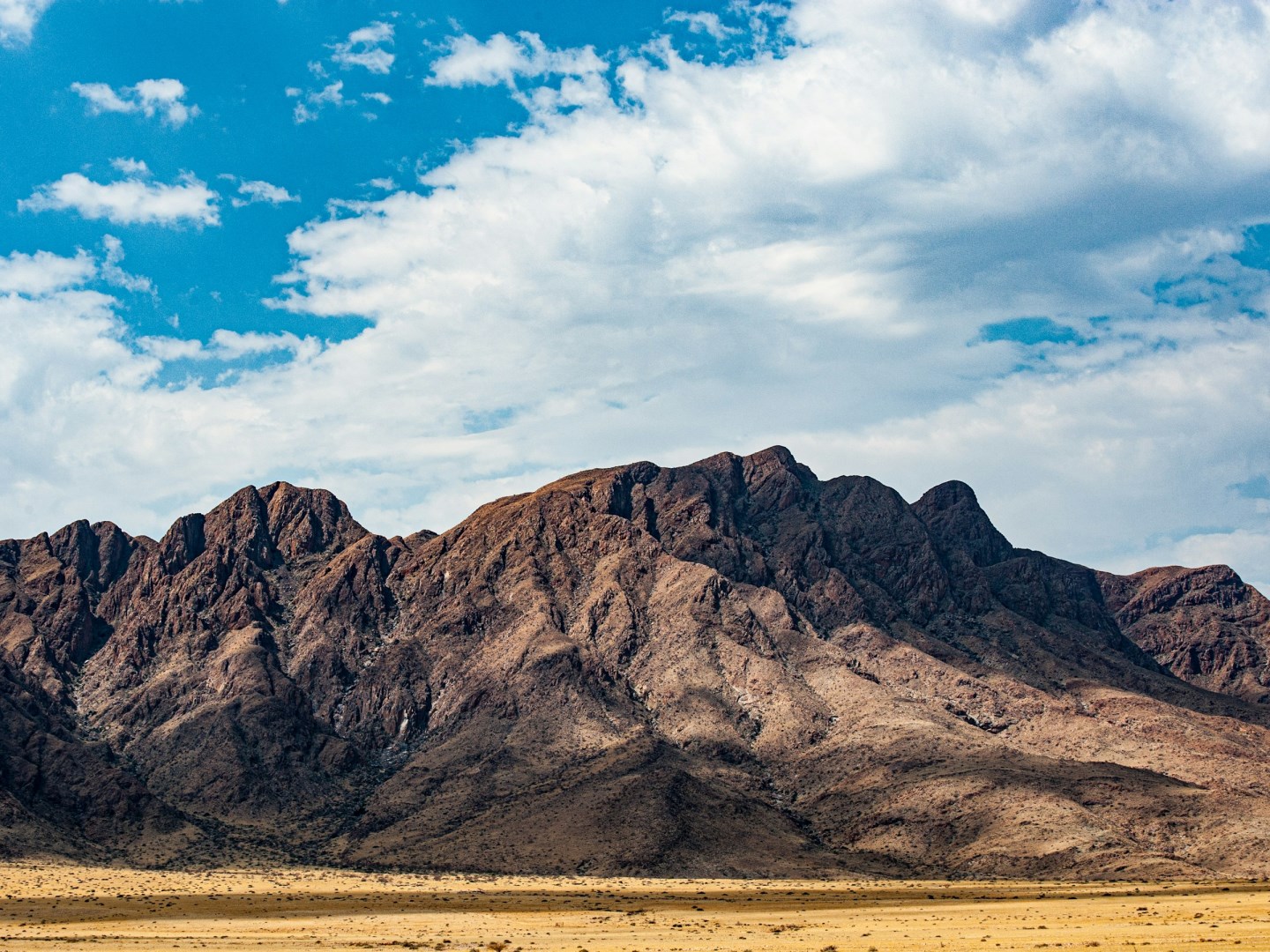
Namib-Naukluft National Park is Namibia’s largest protected area, covering a vast stretch of desert from the central plateau toward the Atlantic coast. Its landscape includes rolling gravel plains, isolated rocky mountains, dry river valleys, and some of the country’s most recognizable sand dunes. The park contains the Namib Sand Sea, a UNESCO World Heritage property known for extensive dune fields shaped by wind and coastal fog.
