

Malta
Malta, a small island nation in the heart of the Mediterranean, offers visitors a rich blend of history and vibrant local culture. Its capital, Valletta, is a UNESCO World Heritage site filled with grand Baroque architecture, narrow streets, and significant historical landmarks like St. John’s Co-Cathedral, home to masterpieces by Caravaggio. The city's fortifications tell stories of centuries of military importance, guarding one of Europe’s busiest harbors.
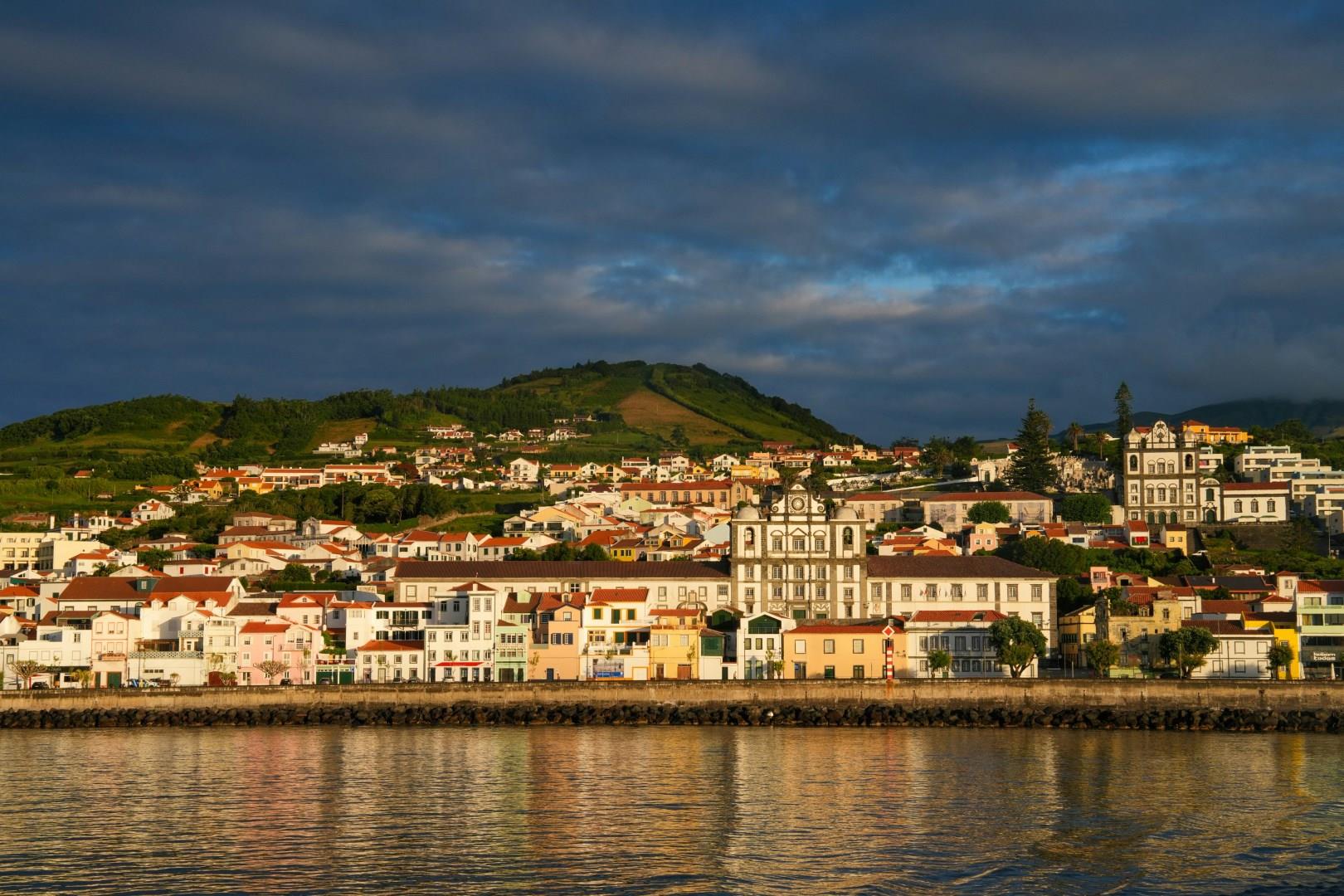
Horta Faial Island
Horta sits on the southeastern coast of Faial Island in the Azores, long defined by its position in the mid-Atlantic. For centuries it served as a critical stop for whaling ships, transatlantic sailors, and later yachts crossing between Europe and the Americas.
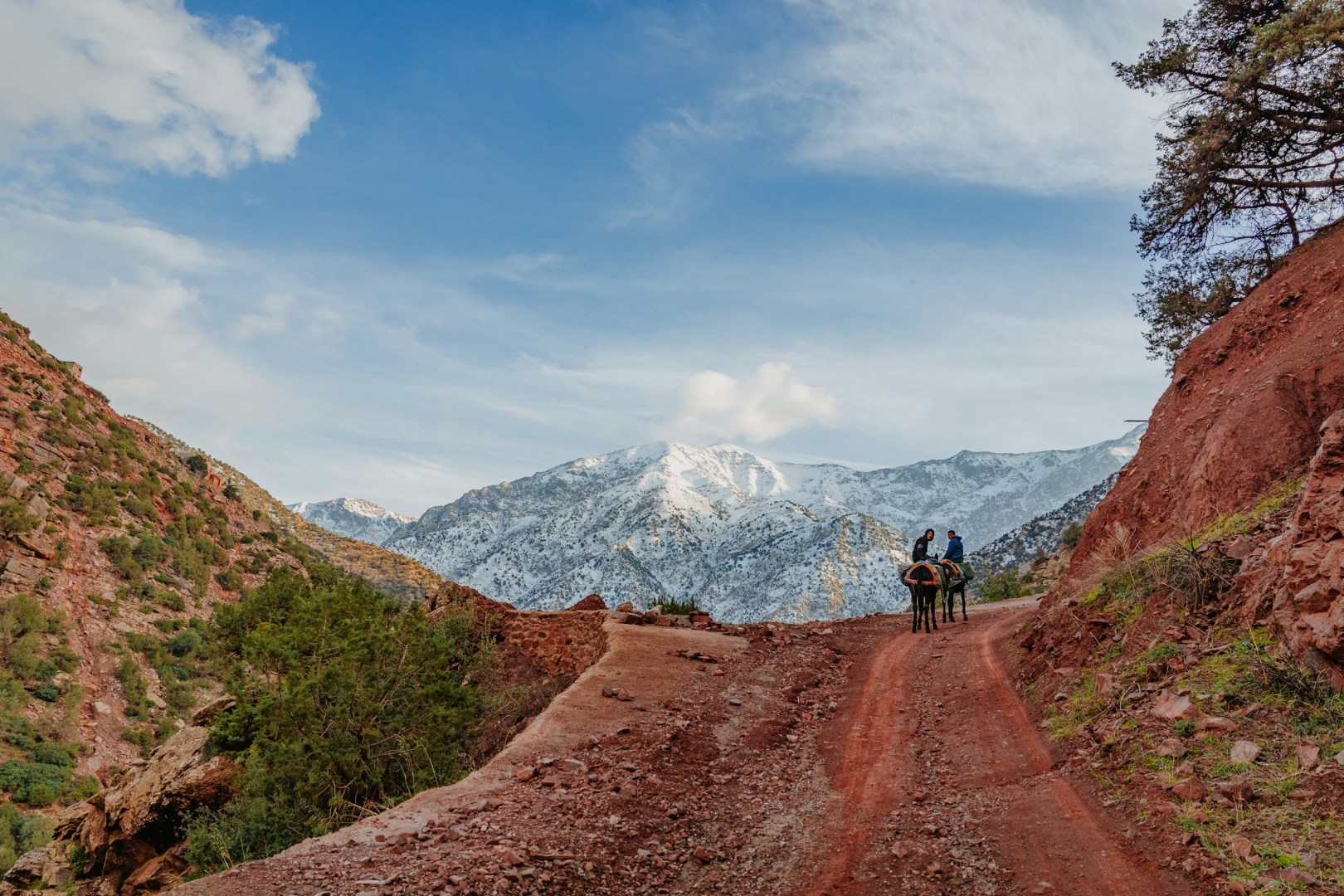
Ourika Valley
Ourika Valley lies south of Marrakesh in Morocco’s High Atlas Mountains, following the Ourika River through a narrow valley of villages, orchards, terraced fields, and steep mountain slopes. The valley is known for its relatively cool climate and access to the Atlas foothills, making it a marked contrast to the dry plains around Marrakesh. Small settlements extend along the river and up the surrounding slopes, where traditional houses are often built from earth and stone.
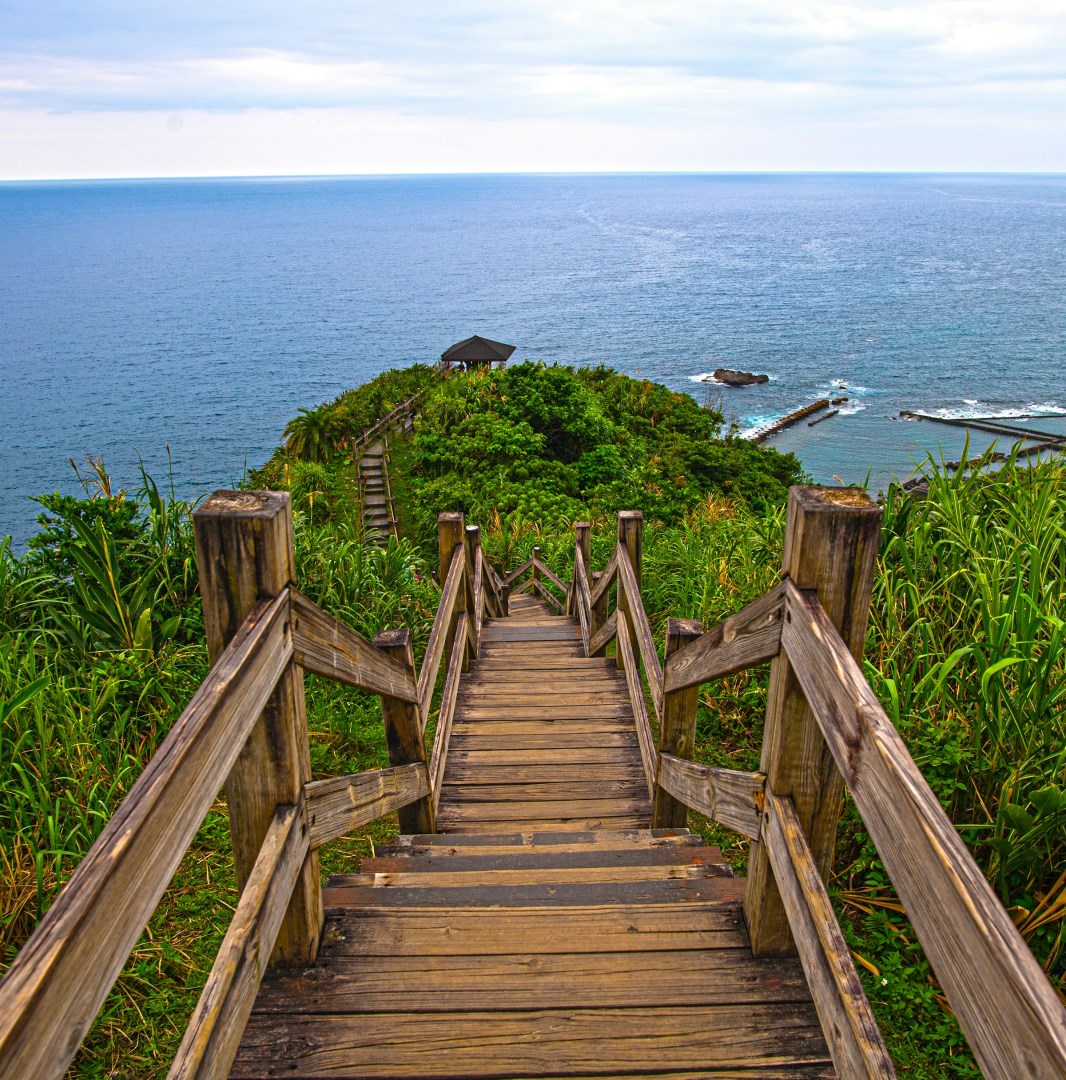
Hualien
Nestled between the Pacific Ocean and the towering Central Mountain Range, Hualien, Taiwan offers an enchanting blend of natural beauty and cultural richness. This coastal city is renowned for its proximity to the stunning Taroko Gorge, a marvel of nature where marble canyons and lush vegetation create a dramatic landscape. Visitors can embark on breathtaking hikes along the Swallow Grotto Trail and the Shakadang Trail, each offering spectacular views of waterfalls and unique rock formations.

Zimbabwe
Zimbabwe, located in the heart of Southern Africa, is a country defined by dramatic landscapes and a rich cultural heritage. The country’s diverse geography includes sweeping savannas, lush national parks, and striking mountain ranges.
