

Santo Domingo
The capital city of the Dominican Republic is rich in history and beauty, boasting 16th-century Spanish architecture and the oldest cathedral in the Americas. The narrow streets of the old colonial city are a testament to the complex mixture of forces that contributed to the construction of the first European city in the Western Hemisphere.
Syracuse
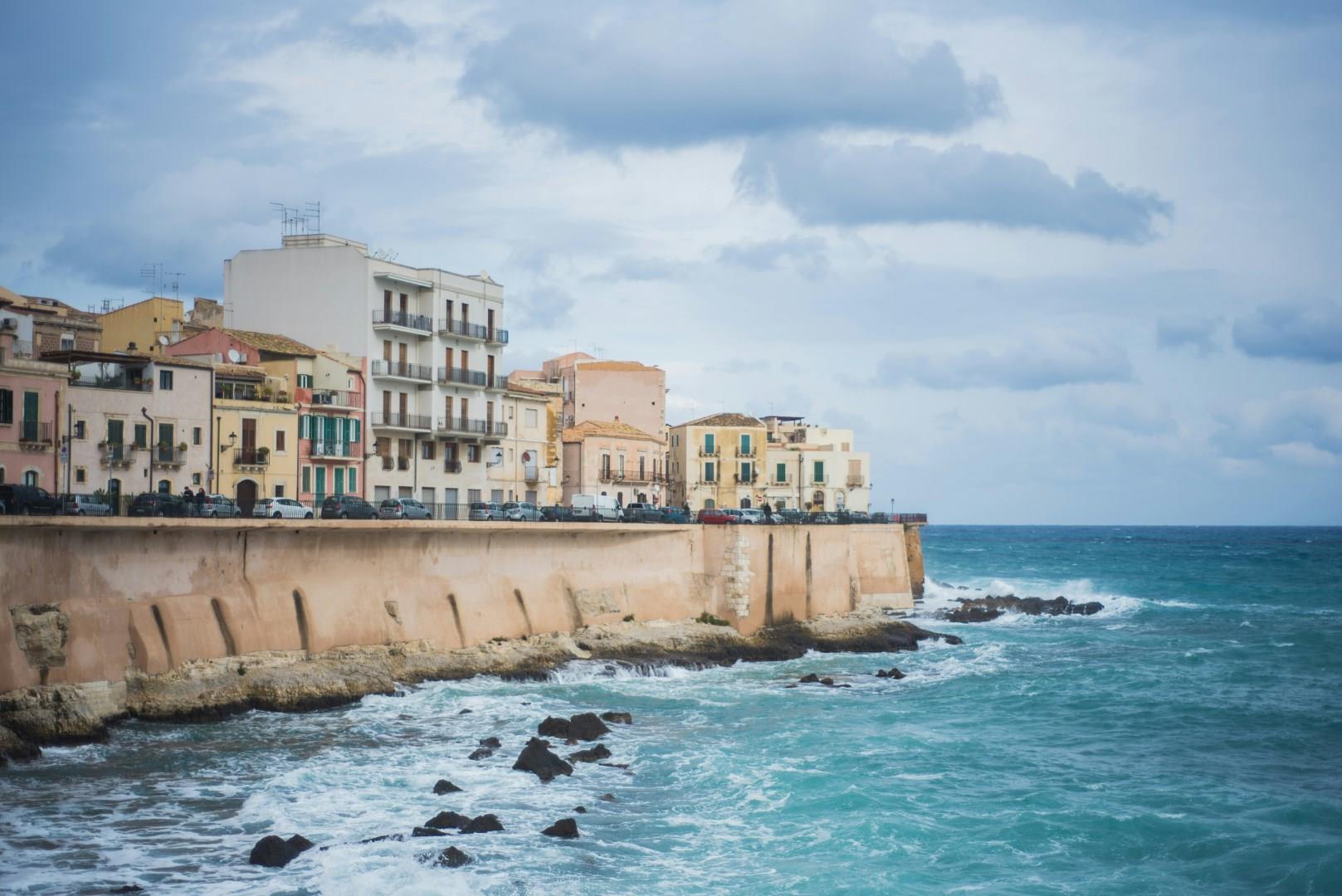
Syracuse, located on the eastern coast of Sicily, is a city where history and the sea converge in unforgettable ways. Founded by ancient Greeks in the 8th century BC, it became one of the most powerful city-states of its time. Today, visitors can explore the impressive archaeological park of Neapolis, which features a vast Greek theatre, Roman amphitheater, and the Ear of Dionysius, a limestone cave known for its remarkable acoustics.

Taupo
Taupō, located in the heart of New Zealand’s North Island, is built along the shores of Lake Taupō, which is the largest freshwater lake in Australasia, formed nearly two thousand years ago by a massive volcanic eruption. That eruption was so powerful, it was recorded in ancient Chinese and Roman texts, even though it occurred halfway across the world. Today, the lake is calm, clear, and central to life in the region, offering everything from trout fishing to kayaking and lakeside cycling.
Dades Gorges
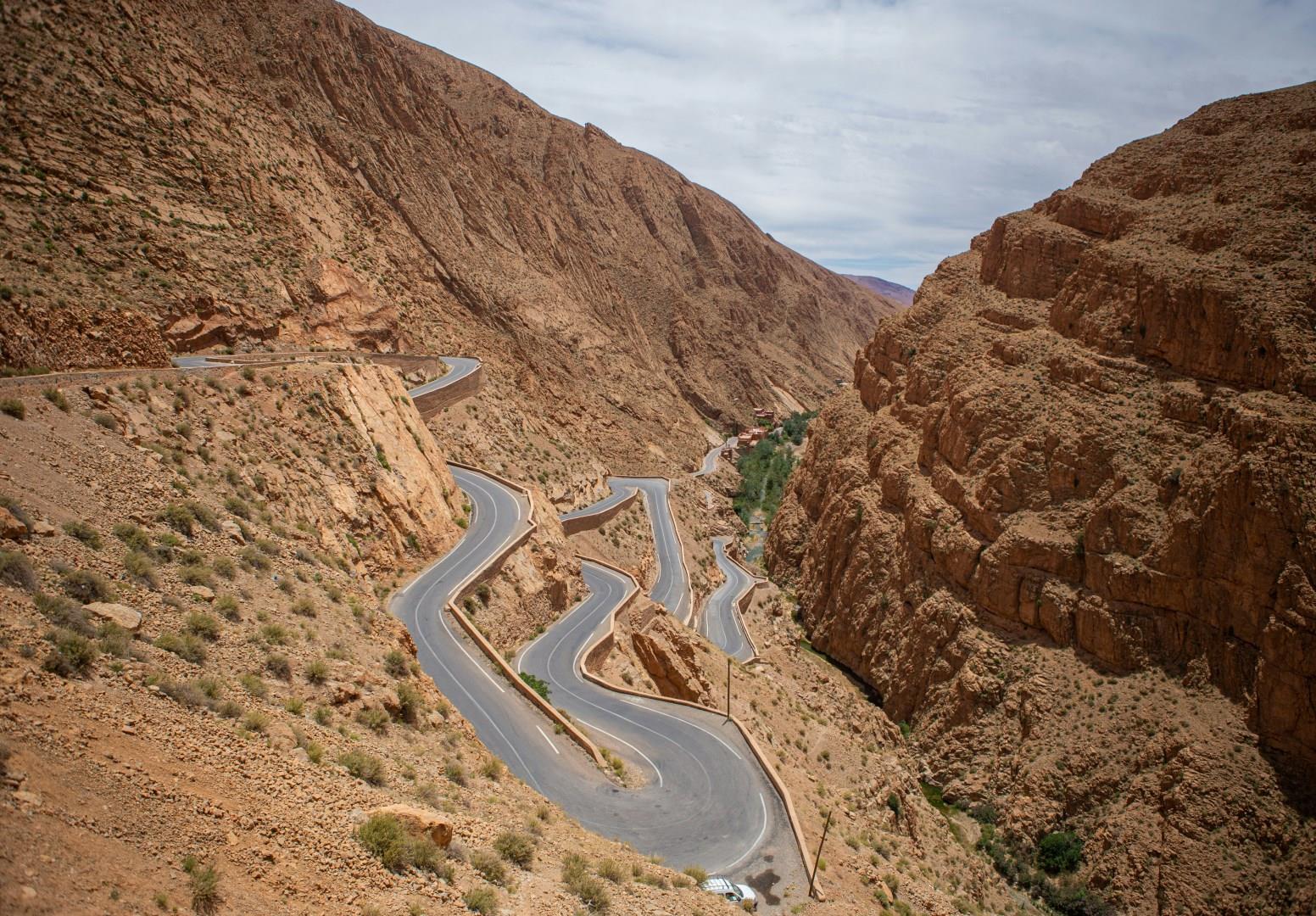
The Dades Gorges, carved by the Dades River in Morocco’s High Atlas Mountains, offer a winding stretch of road, towering rock walls, and centuries-old kasbahs perched on the cliffs. Located between the towns of Boumalne Dades and M’semrir, the gorge is especially known for its switchback road, often nicknamed “the snaking road of Tissadrine.” It’s a favorite among photographers and motorcyclists, with hairpin curves that reveal a new layer of landscape with every turn.
Santiago De Compostela
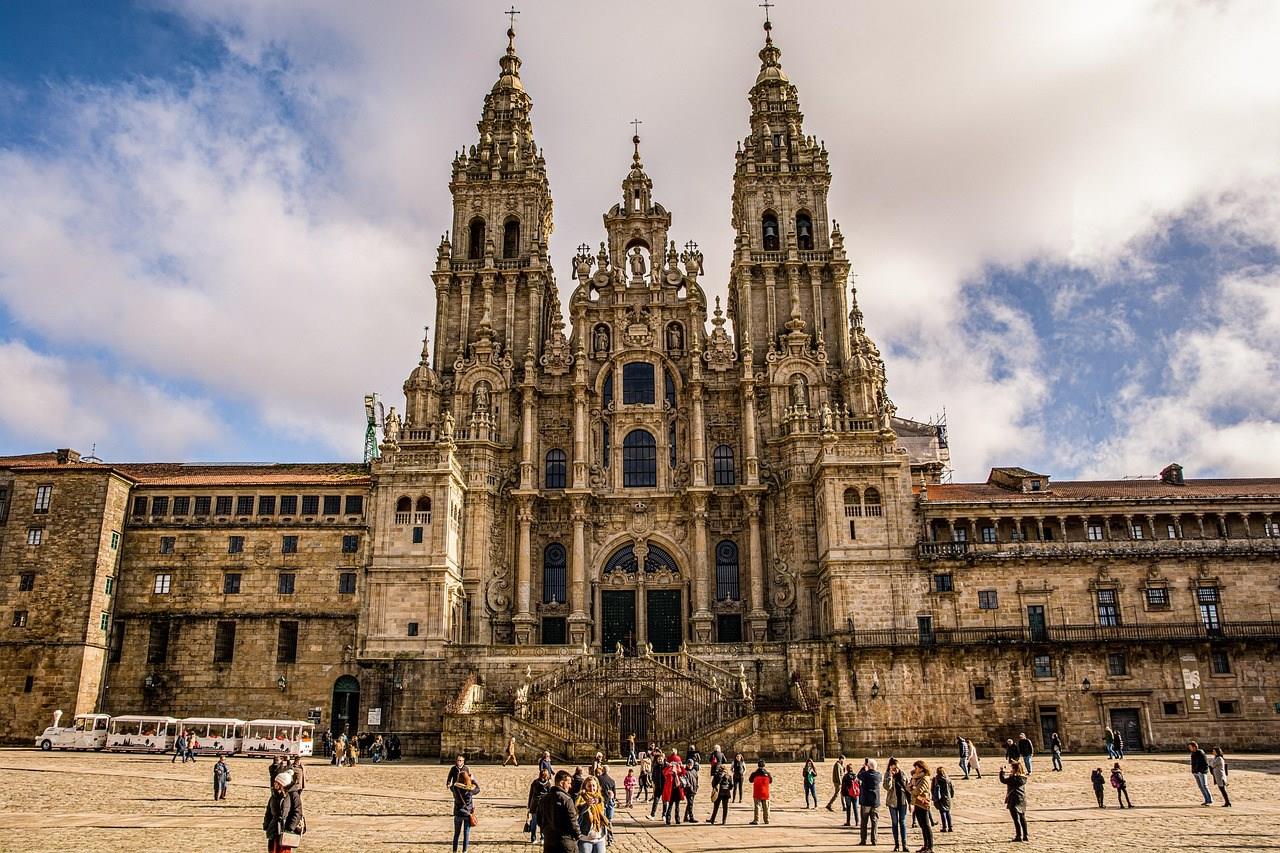
Spain’s Santiago de Compostela is more than just a final stop on a famous pilgrimage route, it’s a city steeped in centuries of spiritual significance, architectural grandeur, and lively Galician culture.
