

Tartu
Tartu is celebrated for its vibrant cultural scene. The city's bustling Town Hall Square is surrounded by charming 18th-century buildings and hosts various events throughout the year. The Tartu Art Museum and the KGB Cells Museum offer fascinating insights into Estonia’s history and art.
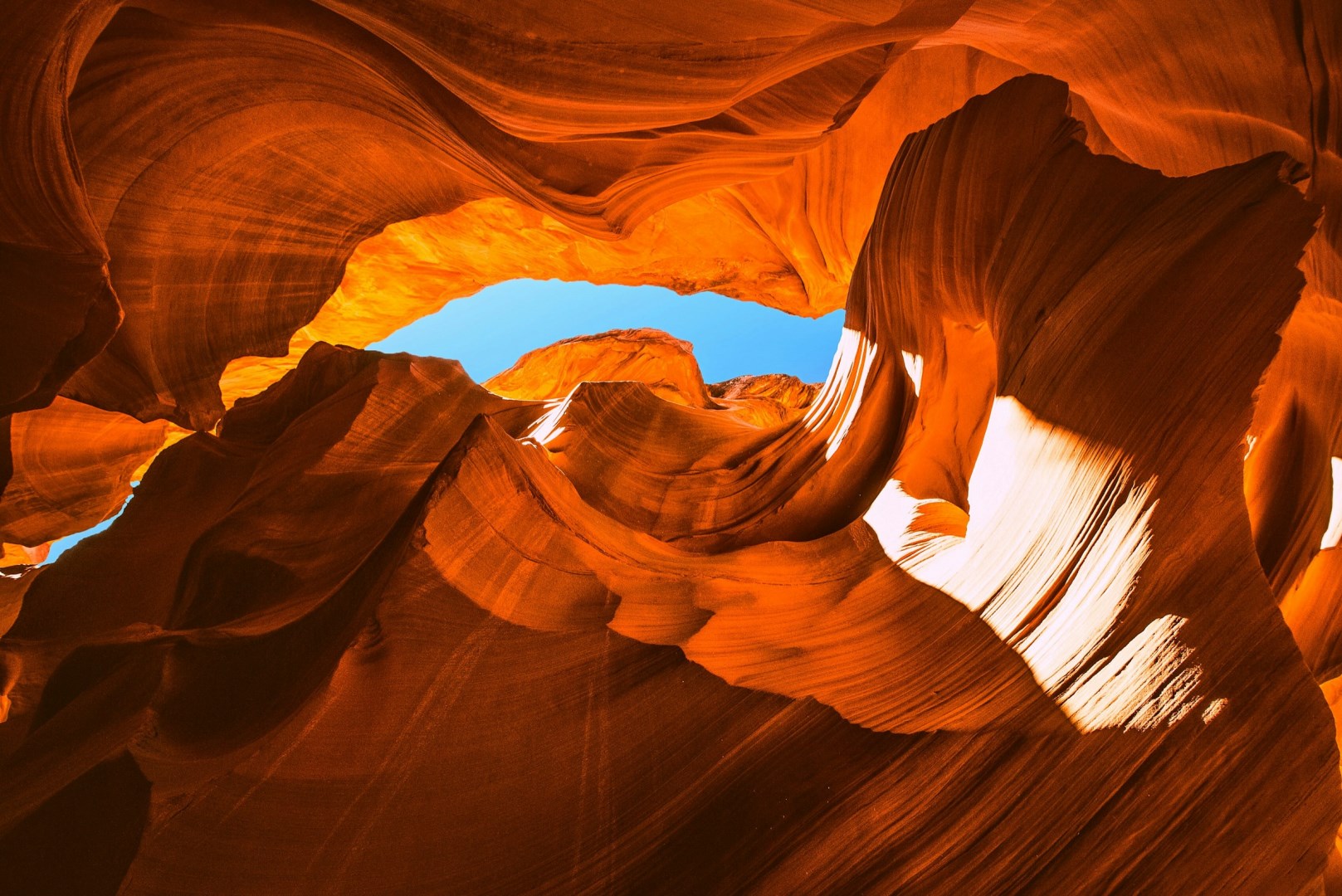
Antelope Canyon
Antelope Canyon is a narrow sandstone slot canyon on the Navajo Nation in northern Arizona, near Page and Lake Powell. It is divided into two main sections, Upper Antelope Canyon and Lower Antelope Canyon, both shaped by water erosion through Navajo Sandstone. The canyon is known for flowing walls, narrow passages, and shifting patterns of light and shadow.
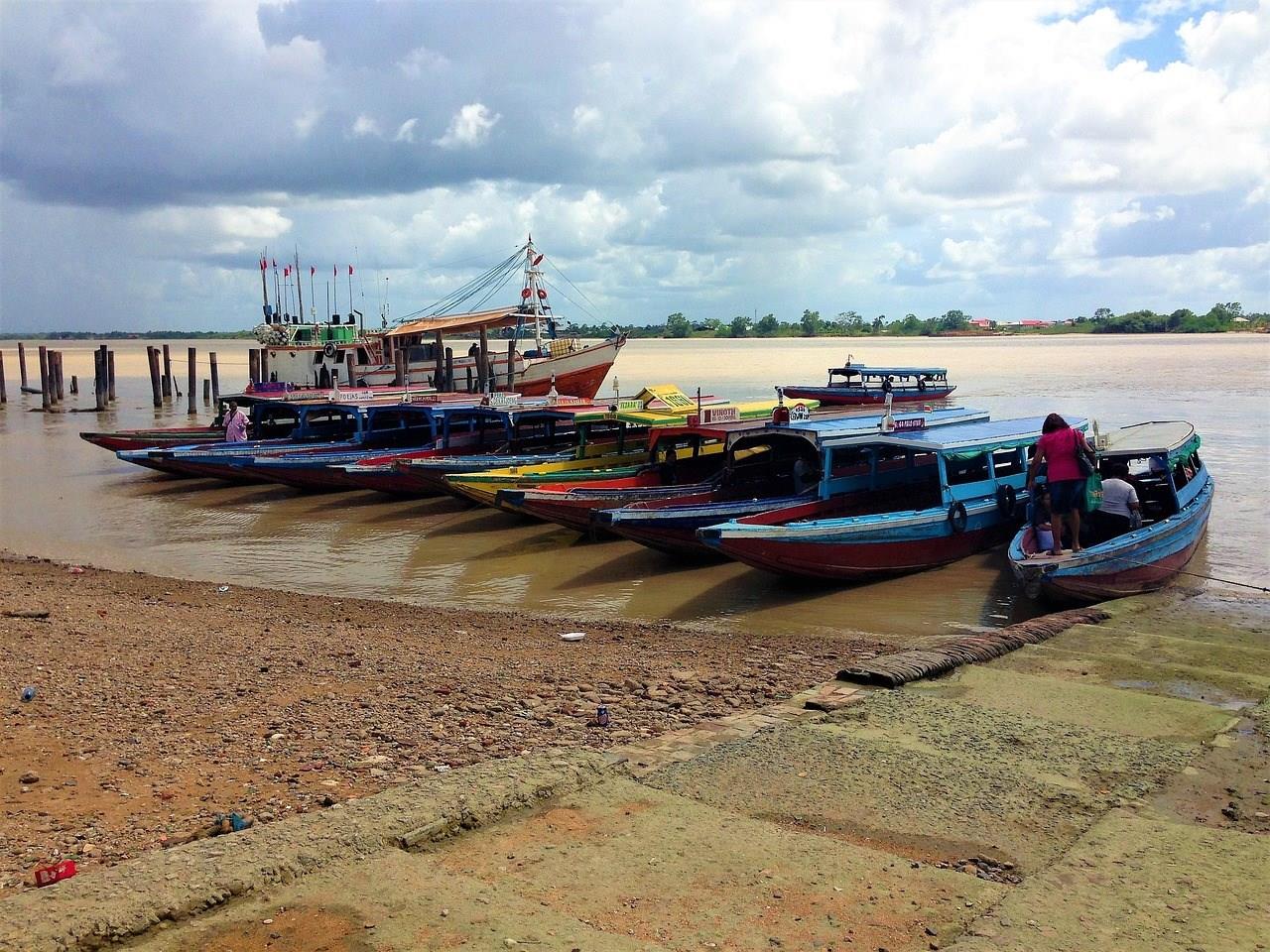
Paramaribo
Paramaribo, Suriname’s capital, unfolds like a living storybook along the Suriname River, where wooden structures from the 17th and 18th centuries still stand today. This historic heart reveals a rare fusion of Dutch design and local craftsmanship. Visitors can stroll the Waterkant, a riverside avenue, and take in landmarks such as Fort Zeelandia, the neoclassical Reformed Church, and the lofty wooden Cathedral of St. Peter and Paul.
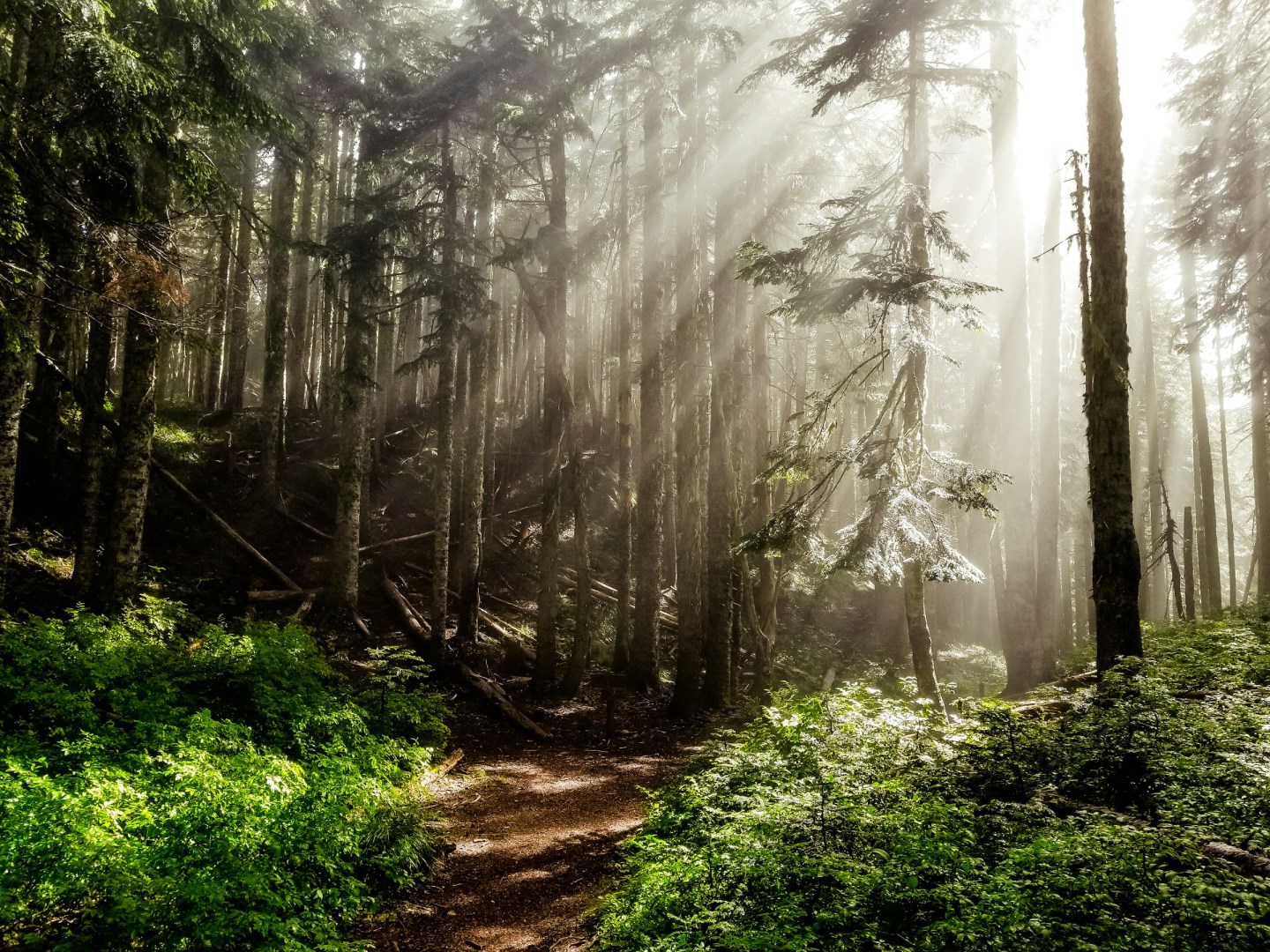
Mount Hood National Forest
Mount Hood National Forest covers a large area of the Cascade Range east of Portland, centered on Mount Hood, Oregon’s highest peak. The forest contains volcanic mountains, deep river valleys, alpine meadows, dense conifer forests, and numerous lakes and streams. Mount Hood itself dominates the landscape, rising above surrounding foothills and visible from many parts of the region.
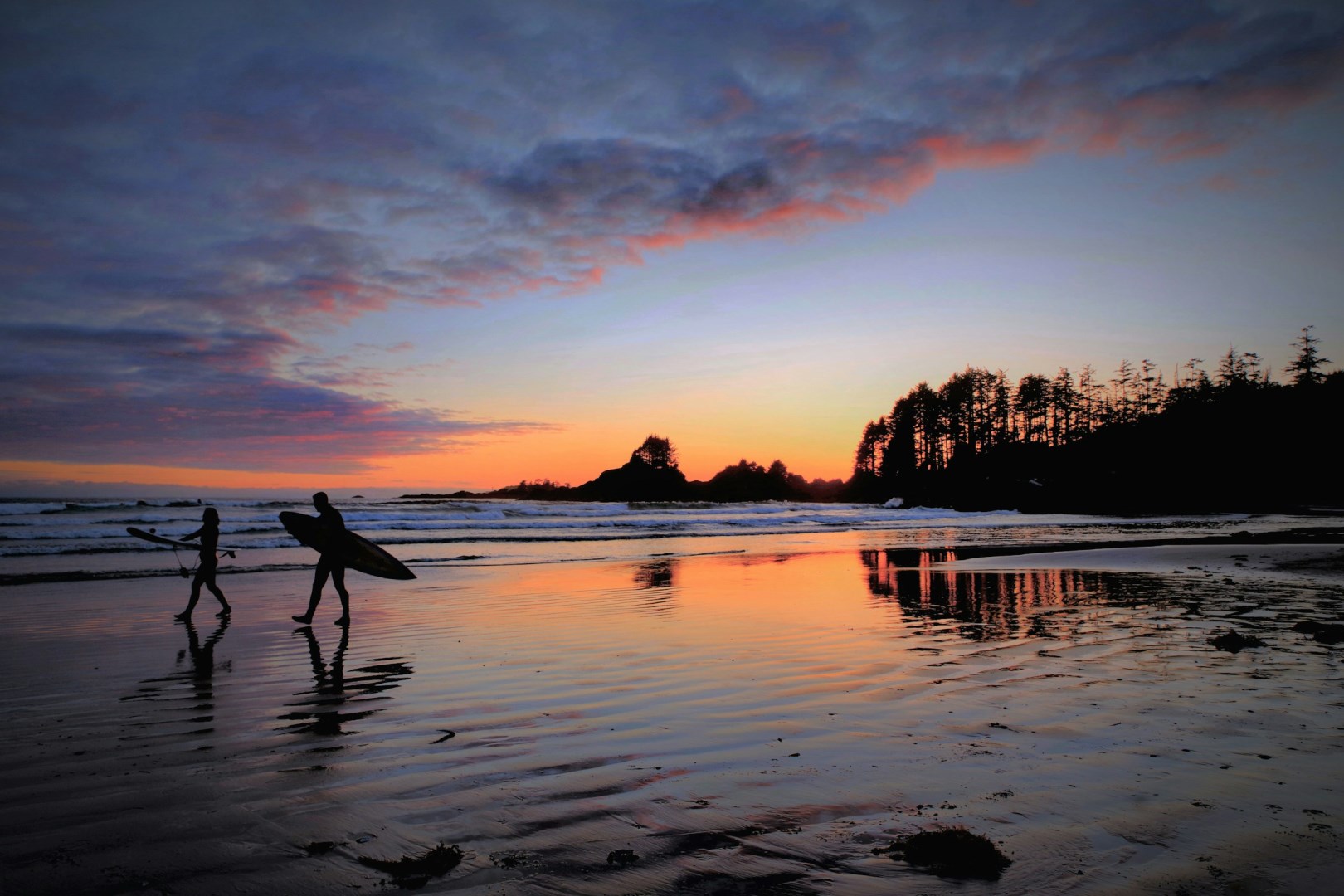
Tofino
Tofino is a small coastal community on the western edge of Vancouver Island, surrounded by Pacific Ocean waters, forested mountains, islands, and temperate rainforest. It sits within the traditional territory of the Tla-o-qui-aht First Nation and the Clayoquot Sound UNESCO Biosphere Region. Once known primarily for fishing and logging, Tofino has developed into a community closely associated with surfing, marine activities, outdoor recreation, and environmental stewardship.
