

Cagliari Sardinia
Cagliari is Sardinia's capital and largest city. Several civilizations have left their imprint here architecturally and culturally. Must-sees include the Museo Archeologico Nazionale di Cagliari, with its Roman and Byzantine treasures, as well as Castello, a medieval quarter situated on a hill above the city. The city is also known for its food and vibrant nightlife.
Durango
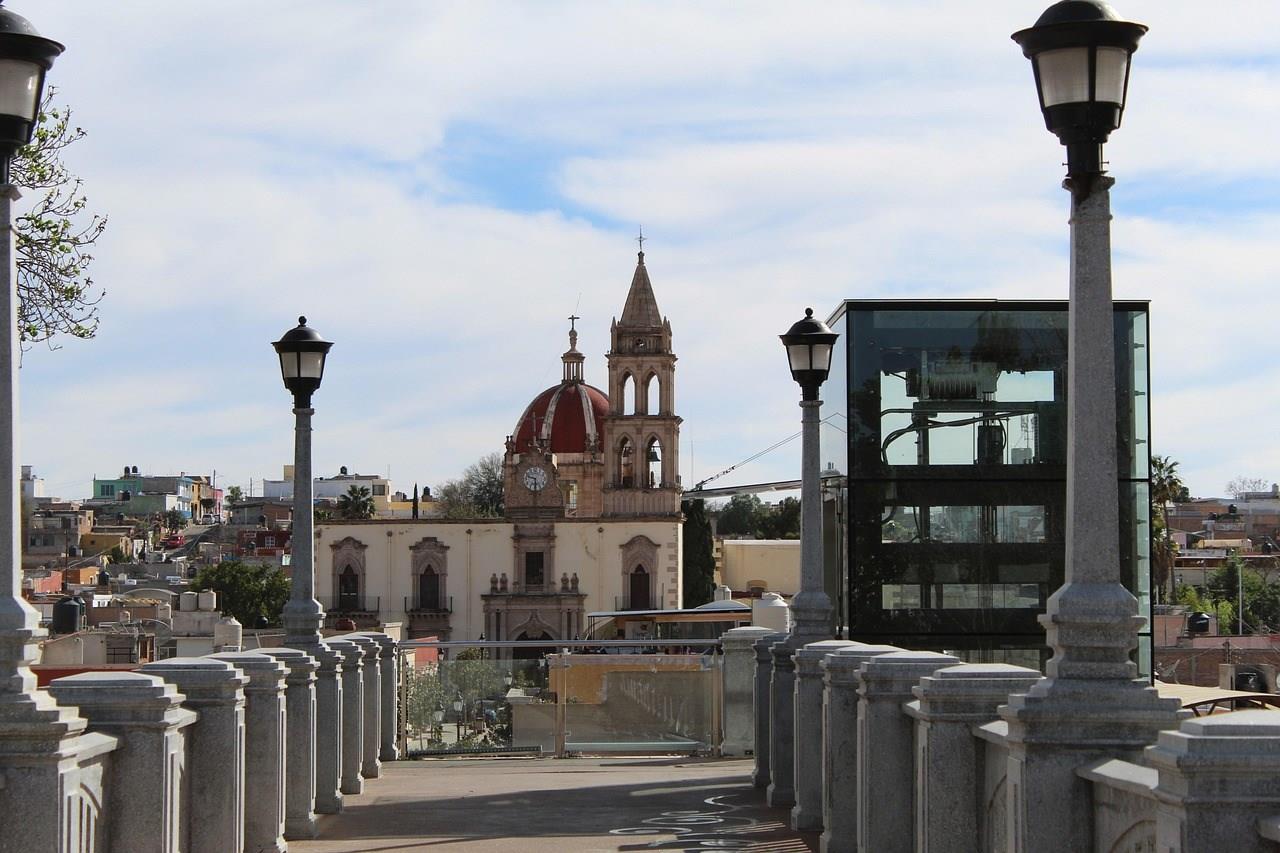
Victoria de Durango rises on a high plateau Mexico’s Sierra Madre Occidental, founded in 1563 by Francisco de Ibarra. Its streets trace layers of history: the historic center holds the most listed buildings in northern Mexico and remains a notable stop on the Camino Real de Tierra Adentro, now a UNESCO World Heritage route.
Flic En Flac
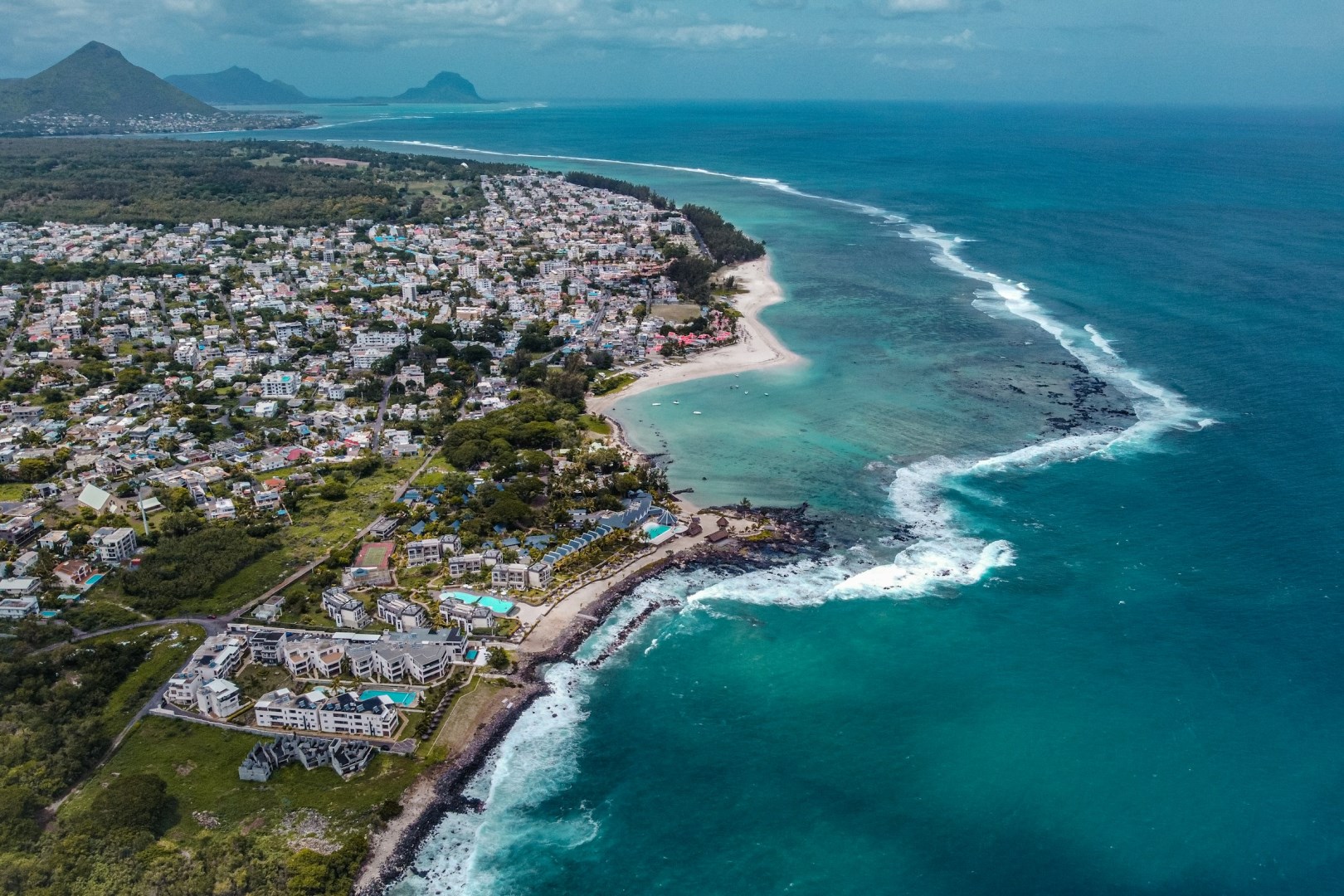
Flic en Flac is a coastal town on the western side of Mauritius, overlooking a sheltered lagoon protected by a coral reef. It is known for its long sandy beach, calm coastal waters, and views toward the open Indian Ocean. The town has grown from a small fishing settlement into one of the island’s established seaside communities, while fishing and boating remain visible along the coast.

Mesa Verde National Park
Mesa Verde National Park, nestled in the southwestern corner of Colorado, offers an extraordinary journey into the ancient past of the Ancestral Puebloans. This UNESCO World Heritage Site is renowned for its remarkably well-preserved cliff dwellings, built into the sheer rock faces of the canyon walls.
St. Francisville
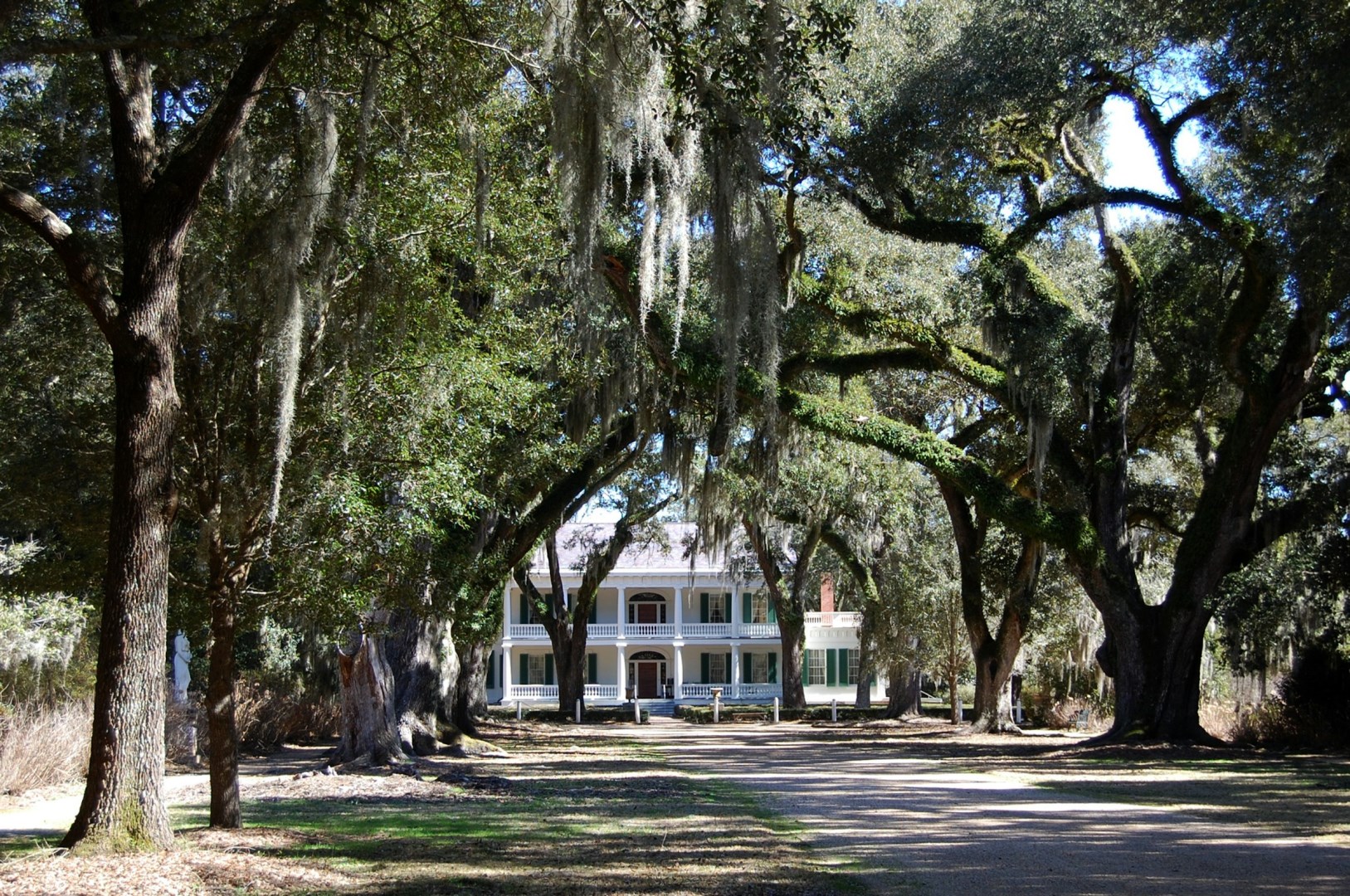
St. Francisville, located along the Mississippi River in Louisiana, is a small town celebrated for its rich history, antebellum architecture, and scenic surroundings. Known as the “City of Oaks” for its tree-lined streets, the town offers a glimpse into Louisiana’s past through its well-preserved plantation homes, historic districts, and charming downtown area.
